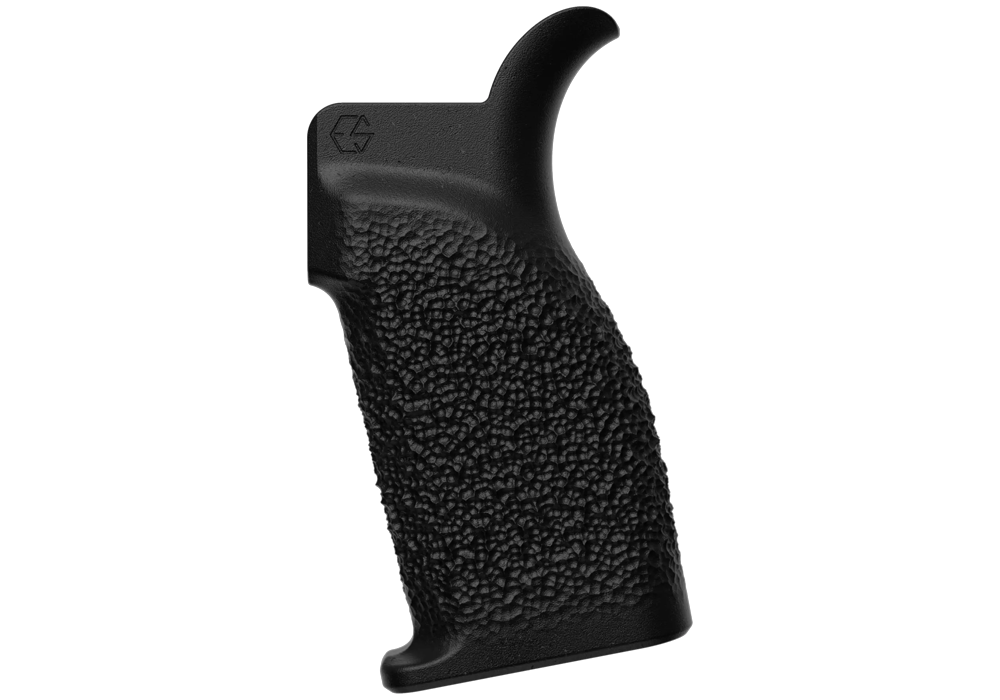
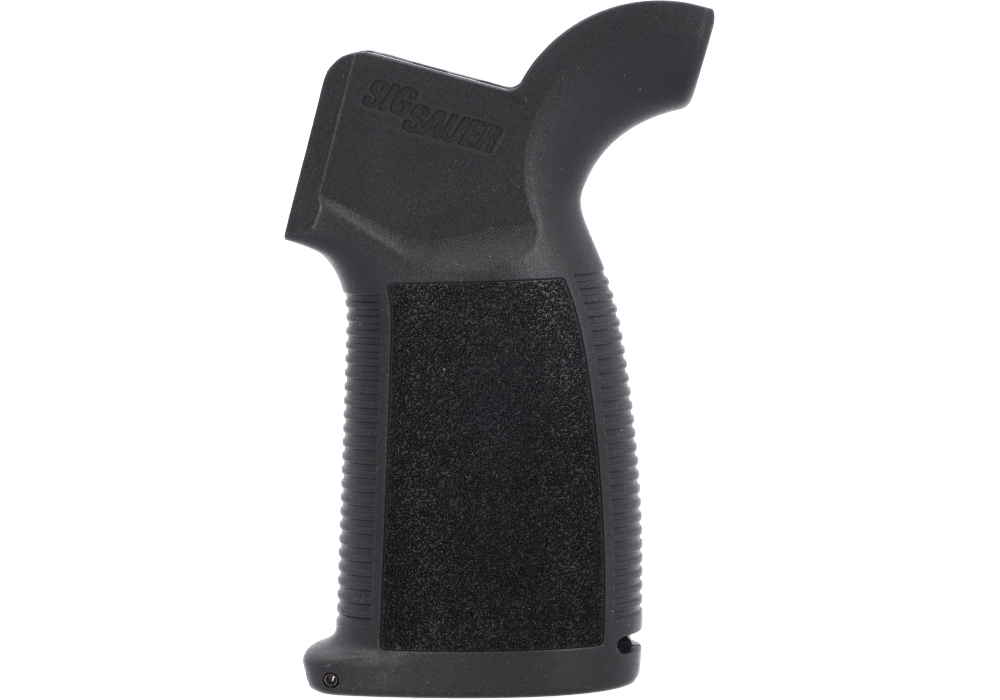
AR grips are a small component with a noticeable effect on how a rifle feels in the hands. Positioned at the rear of the receiver, the grip helps establish the angle of the shooting hand, supports a consistent trigger reach, and contributes to overall control when moving between a ready position and a firing position. For some shooters, the right grip feels natural almost immediately; for others, the difference becomes clear only after spending time at the range, working through drills, or carrying a rifle during a long day outdoors. The best choice depends on hand size, shooting style, glove use, and the way the rifle is configured. A grip with a more vertical angle may suit a compact setup or a shooter who keeps the rifle close to the body, while a more traditional angle can feel comfortable on a general-purpose carbine. Texture also deserves close attention. A lightly stippled surface may be comfortable during extended sessions, while a more pronounced texture can provide welcome traction in wet conditions or when wearing gloves. Look for a shape that fills the palm without forcing the wrist into an awkward bend, and consider whether the grip includes a beavertail or similar upper contour to protect the web of the hand from abrasion. Small details such as the size of the palm swell, the transition near the trigger guard, and the finish of the edges can make a practical difference over time. Shooters who spend cooler months at outdoor ranges may appreciate a grip that remains secure when hands are cold, while those who train indoors or in warmer conditions may prioritize ventilation, surface feel, and reduced fatigue. A carefully selected AR grip can help make a familiar rifle feel more personal without changing its overall role, making it a useful consideration for a new build, a replacement project, or a thoughtful addition to a well-used firearm.
When comparing AR grips, start with compatibility and intended use rather than appearance alone. Most options are designed around a standard AR-pattern lower receiver, but variations in receiver design, grip geometry, selector placement, and mounting hardware can affect fit. Review the manufacturer’s specifications and verify that the grip is suitable for the exact lower receiver before ordering. Some grips include storage compartments for small maintenance items, batteries, or other range essentials, which can be convenient for a rifle used away from a workbench. Others use a closed design for a clean profile and a solid feel in the palm. Storage space should never be the only deciding factor, but it can be useful for keeping a compact item with the firearm instead of scattering accessories through a range bag. Pay attention to the grip’s material and construction as well. Reinforced polymer is common because it offers a balance of durability, weight, and weather resistance, while molded contours can provide repeatable hand placement from one session to the next. If the rifle is used with a sling, light, optic, or other accessories, think about how the grip will complement the complete setup. A heavily accessorized rifle can feel different from a simple carbine, and a grip that seemed ideal on one configuration may not offer the same comfort on another. Color is another way to coordinate a build, whether the goal is a uniform appearance or a contrasting accent. For a classic, understated look, explore Black Grips alongside other finish options. Above all, the grip should allow a relaxed but secure hold and should not encourage excessive pressure, cramped fingers, or an inconsistent trigger position. Any installation or modification should be performed with the firearm unloaded, pointed in a safe direction, and handled in accordance with the owner’s manual and applicable laws. If fitment is uncertain, a qualified gunsmith can help confirm compatibility and proper installation.
AR grips can also be a practical gift for a responsible firearm owner, particularly when the recipient has already expressed an interest in improving comfort or refining a rifle setup. They are compact, easy to store, and available in a range of shapes and finishes, which makes them approachable for someone building a rifle, refreshing an older configuration, or assembling a dedicated training setup. Gift shoppers may want to learn whether the recipient prefers a more vertical or traditional grip angle, uses gloves regularly, or favors a particular texture before choosing. When those details are unknown, a neutral color and familiar, moderate contour are often a sensible starting point. For a more personal gift, consider matching the grip to the recipient’s existing furniture, sling, or overall color scheme, while keeping the focus on dependable handling rather than decoration. The same considerations apply to a rifle owner selecting a replacement after years of use: inspect the existing grip for worn texture, softened edges, cracks, loose hardware, or discomfort that has become more apparent during longer sessions. Cooler days can be an ideal time to organize a range bag, check stored equipment, and evaluate whether a rifle still fits the shooter’s hands as naturally as it once did. A new grip will not replace safe handling, regular maintenance, or proper training, but it can contribute to a more consistent and comfortable interface between the shooter and the firearm. Select an option that suits the rifle’s receiver, complements its intended purpose, and feels dependable through practice, transport, storage, and responsible use.