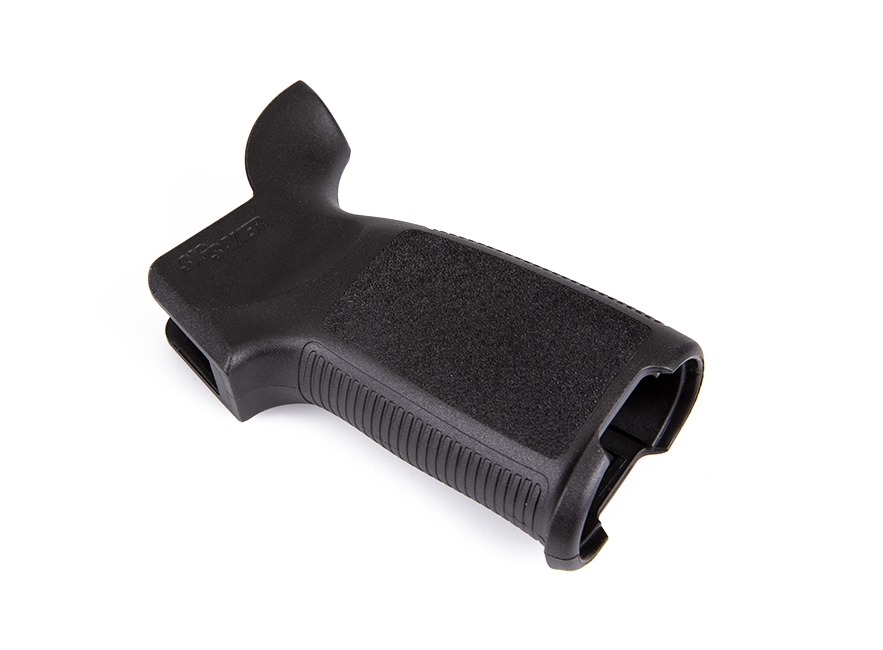
Carry grips are replacement or upgrade grip panels and sleeves selected to improve the way a firearm feels in the hand while supporting comfortable concealed carry and everyday carry. The right grip can provide a more secure purchase during presentation, help control movement during firing, and make a familiar handgun or revolver feel better suited to the carrier’s hand size and clothing. For many people, the best carry grip is not the most aggressively textured option; it is the one that balances traction with a smooth, compact profile. A grip that locks naturally into the palm and supports a consistent firing-hand position can make a noticeable difference during practice, while rounded edges and a slim shape are less likely to catch on a cover garment or create a visible outline. Material and texture both matter. G-10 and Micarta are durable composite choices that resist moisture and can provide a firm, carefully shaped surface without adding unnecessary bulk. Rubber and hybrid grip tape can add friction and cushioning, making them useful for shooters who prefer a softer feel or want to refresh a worn grip without changing the firearm’s overall dimensions. Wood grips bring a traditional appearance and a warm, natural feel, with slim or compact profiles available for classic handguns and revolvers. Those comparing materials may also want to explore Metal Grips for a distinct combination of durability, structure, and visual character. Each option has a different feel against the palm, so the ideal choice depends on hand size, shooting style, climate, and how the firearm is carried.
When choosing carry grips, start with exact firearm compatibility. Grip panels, grip modules, sleeves, and backstrap components are often designed for a particular model, frame size, generation, or mounting pattern, and even small differences can affect fit. Check whether the selected grip preserves access to controls, accommodates the intended magazine or cylinder release, and allows the firearm to function as designed. For concealed carry, pay close attention to overall thickness, corner shape, and texture placement. Fine or rounded texturing can maintain contact without abrading skin during a long day, while more pronounced texturing may be helpful for a shooter who wears gloves, spends time outdoors, or prefers a locked-in feel during rapid strings of fire. The grip should also work with the chosen holster; changes in frame dimensions, backstrap shape, or external texture can influence retention and clearance. Compact boot grips are a common consideration for small revolvers because their shortened two- or three-finger profile helps reduce the outline of a pocket or ankle-carried firearm, though they provide less surface area than a full-length grip. A full-size grip may be more comfortable for range use or for a larger hand, while a shorter design can be easier to conceal beneath a light shirt or jacket as the weather warms. Adhesive grip tape and slip-on sleeves can be practical for testing a new texture or improving friction on a familiar firearm, but installation should follow the manufacturer’s instructions, with the surface cleaned and allowed to set before use. Any grip change should be followed by unloaded handling checks and live-fire practice at a lawful range to confirm comfort, control, holster fit, and consistent operation.
Carry grips can suit first-time owners, experienced concealed carriers, range shooters, and anyone refining the fit of a frequently handled firearm. They can also make a thoughtful gift for a responsible firearm owner when the recipient’s exact model and preferences are known. A shooter who spends cooler months moving between an indoor range, a vehicle, and outdoor training may value a texture that remains secure through changing gloves and clothing, while someone carrying close to the body may prioritize smooth edges and a discreet profile. Personal preference is often shaped by small details: the way a grip fills the hollow beneath the thumb, whether the palm swell supports a relaxed hold, and whether the surface stays comfortable after several repetitions. One common experience is discovering that a grip feels excellent for the first few minutes but becomes distracting after a longer practice session; careful shoppers often pay attention to pressure points, hot spots, and how easily the hand returns to the same position. Inspect the finish and fasteners, confirm that panels sit flush, and replace worn or damaged components rather than relying on a compromised surface. Safe handling remains essential before, during, and after installation: keep the firearm unloaded while changing grips, follow the owner’s manual, verify that all controls and moving parts operate correctly, and use a qualified gunsmith when a modification involves fitting, internal components, or uncertainty about safe function. With the right balance of traction, comfort, durability, and concealment, carry grips can personalize a firearm for dependable practice and daily readiness without adding needless bulk.