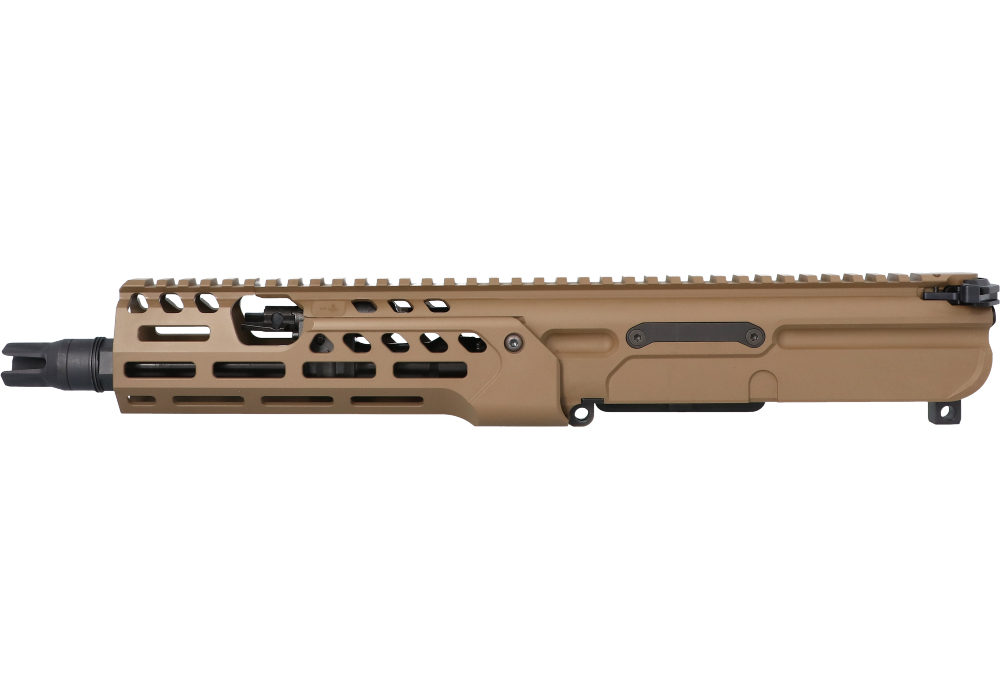
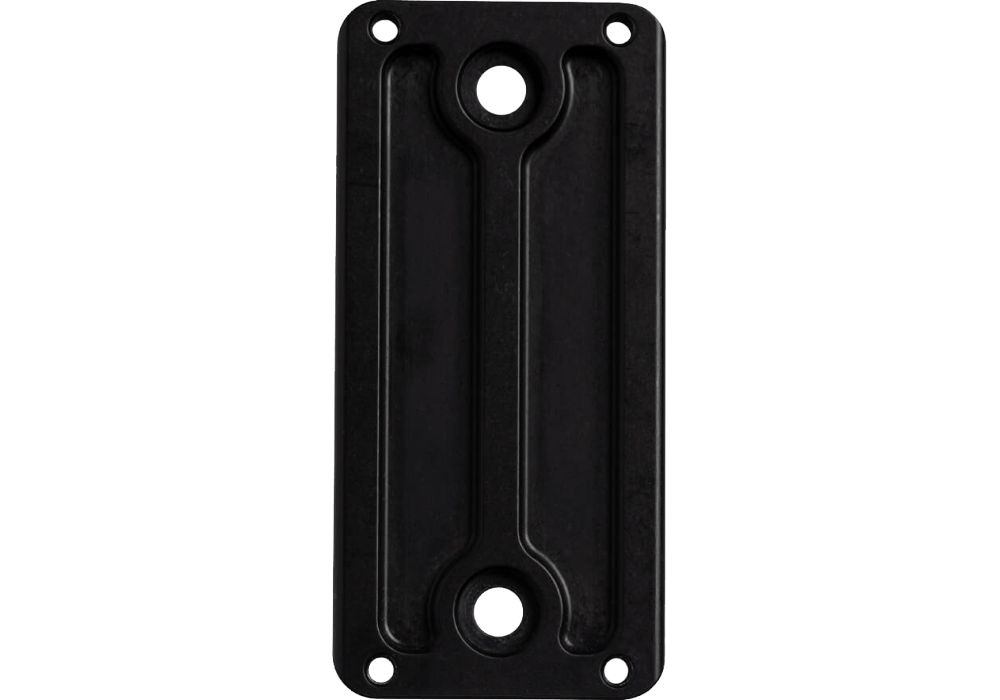
AR stock adapters are designed to change how a modern sporting rifle is stored, transported, and handled by adding a folding or alternate stock interface between the lower receiver and the rear assembly. In a typical configuration, the adapter allows the stock to fold to the side, reducing the rifle’s overall footprint for a vehicle case, safe, range bag, or other secure storage solution. This compact profile can be especially useful for owners who work around limited space, travel to and from the range, or keep a rifle secured in a location where every inch matters. Some adapters are built to work with a standard buffer tube and collapsible stock, while others provide a Picatinny-style mounting surface for a compatible stock or brace. The right choice depends on the rifle’s operating system, the intended stock interface, and the way the firearm will be carried and stored. An adapter is not a universal fit component, and compatibility should be confirmed with the manufacturer’s specifications before purchase. Pay close attention to lower receiver compatibility, buffer system requirements, stock or brace mounting pattern, material construction, installation hardware, and whether the adapter is intended for a direct-impingement or piston-operated platform. For a clear view of related configurations and adjustment options, explore these Adjustable Stock Adapters For Modern Sporting Rifles.
One of the most important considerations with an AR stock adapter is how the rifle functions when the stock is folded. Many conventional folding adapters are intended for compact transport and storage only; they do not allow the rifle to fire while folded because the action requires the buffer system to remain aligned with the receiver extension. With this style of adapter, the firearm generally needs to be unfolded before firing, and the action may need to be manually cycled or reset after the rifle is folded, depending on the design. Other systems use a specialized internal recoil arrangement that can permit cycling with the stock folded, but these are more complex and may have specific ammunition, installation, maintenance, or compatibility requirements. Product descriptions should be reviewed carefully rather than assuming that every folding mechanism operates the same way. Folding an AR stock also changes the rifle’s balance and handling. The hinge adds some weight and bulk behind the receiver, and the folded stock can shift the way the rifle rests against a case, sling, bench, or vehicle interior. A folding hinge may also add approximately 1.3 to 1.75 inches to length of pull, depending on the adapter and stock combination. That extra distance can affect shoulder placement, cheek position, optic alignment, and overall comfort. A shooter who prefers a compact, squared-up stance may appreciate the added adjustment range of a collapsible stock, while another may prefer a fixed-length setup for a consistent cheek weld. During the cooler months, when heavier clothing can change how a rifle seats against the shoulder, adjustable positioning becomes even more useful, but the stock should still lock firmly and provide a stable, repeatable fit.
AR stock adapters may appeal to recreational range shooters, hunters whose equipment must fit into compact cases, preparedness-minded owners, and anyone organizing a safe or transport setup around limited storage space. They can also make a thoughtful gift for an experienced rifle owner who has already established a preferred optic, sling, stock, and control layout, although the recipient’s exact rifle configuration must be known before selecting an adapter. This is a component where thoughtful compatibility checking matters more than appearance alone. A sleek hinge is of little value if it does not match the receiver extension, stock, buffer, or bolt carrier arrangement already in use. Before installation, verify that the firearm is unloaded, remove all ammunition from the work area, and follow the adapter manufacturer’s instructions and torque guidance. Some installations require the removal of the buffer and spring, and incorrect assembly can affect cycling, retention, or safe operation. After installation, inspect the hinge, locking mechanism, fasteners, and stock interface for secure engagement. Function checks should be performed with the firearm unloaded, followed by careful live-fire testing at an appropriate range to confirm reliable operation with the selected ammunition. Owners should also understand local laws and transport requirements, since folding capability, stock configuration, and overall firearm dimensions may be regulated differently depending on jurisdiction. With the proper fit and realistic expectations, an AR stock adapter can provide a practical way to reduce storage length, preserve a familiar shoulder position, and tailor a modern sporting rifle to the demands of the range, the vehicle, or the safe.