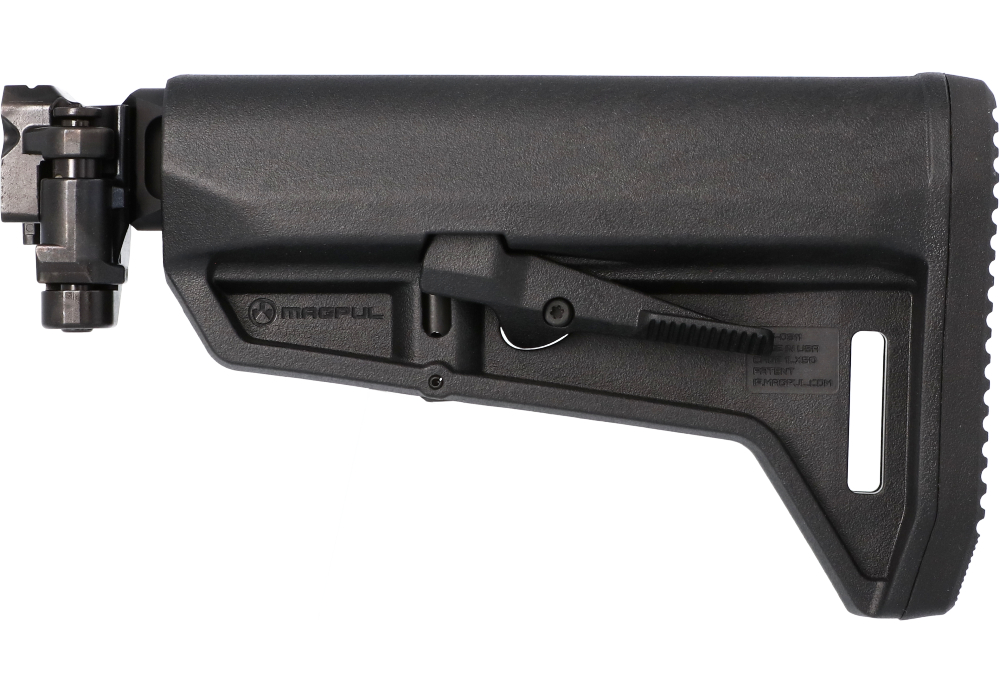
Adjustable stock adapters for modern sporting rifles provide a practical way to refine the fit, handling, and storage profile of a rifle without replacing the entire platform. Depending on the design, an adapter may allow a stock to fold alongside the receiver, change the length of pull through multiple positions or spacers, or convert one rear-stock interface to another. These features can make a rifle more comfortable for shooters of different sizes and build types, particularly when clothing, chest rigs, or body armor changes the distance between the shoulder and the rifle. A properly fitted length of pull helps the shooter establish a consistent cheek weld, maintain a clear sight picture, and reach the controls without stretching or crowding the firing hand. Folding designs can also reduce the rifle’s overall profile for transport in a suitable case, vehicle, or range bag, while a compact folded configuration may be easier to store securely when the rifle is not in use. The right adapter depends on more than the stock itself, so shoppers should begin by identifying the rifle’s operating system, rear interface, and intended stock type. Direct-impingement platforms generally require an adapter engineered to work with the receiver extension, buffer, and moving bolt carrier group, while piston-driven rifles, pistol-caliber platforms, and rifles equipped with a 1913 or Picatinny-style rear rail may use a different hinge or mounting arrangement. Reviewing the manufacturer’s compatibility information, installation requirements, folded and extended dimensions, and supported stock patterns can help prevent an otherwise costly mismatch. Our selection of Firearm Stock Adapters offers a starting point for comparing solutions built around different rifle configurations and shooting preferences.
When choosing an adjustable stock adapter, pay close attention to the balance between flexibility, strength, weight, and added bulk. A hinge or adjustment mechanism introduces additional hardware behind the receiver, and that hardware can alter the rifle’s balance in the hands. Some shooters appreciate the compactness of a folding setup for transport and storage, while others prefer the simplicity and rigidity of a fixed rear connection for extended range sessions. A folded rifle may also be wider around the hinge area, so the packed dimensions should be checked against the intended case or storage compartment rather than judged by overall length alone. For adjustable length-of-pull systems, consider how quickly the stock can be repositioned, whether the adjustment remains secure under recoil, and whether the selected range accommodates both a light shirt and heavier outer layers during cooler months. The interface should match the stock’s mounting standard, and any required receiver extension, buffer component, hinge block, latch, or hardware should be confirmed before purchase. Installation may be straightforward for an experienced owner, but firearm disassembly and function checks deserve careful attention; when in doubt, qualified gunsmith service is the prudent choice. After installation, verify that the stock locks firmly in every intended position, the folding mechanism operates as designed, controls remain accessible, and the rifle cycles correctly with appropriate unloaded checks and safe range testing. An adapter can be a thoughtful gift for a recreational shooter, competitive participant, or family member who is refining a familiar rifle, especially when the recipient has already identified a preferred stock style. Because fitment is highly platform-specific, gifting a compatible accessory or a retailer gift option is often wiser than guessing at a model based only on appearance.
Legal and transport considerations should be part of the buying decision from the beginning. Folding and collapsing mechanisms can affect how a firearm is measured, stored, and transported under applicable federal, state, and local rules, particularly when a folded configuration changes the rifle’s measured overall length. Regulations may also differ according to whether the firearm can be fired while folded, whether the stock is readily removable, and how the rifle is classified in the relevant jurisdiction. These details can be technical and may change, so owners should consult current official regulations and qualified legal or firearms professionals before installing or traveling with an adapter. A folding stock adapter is not a substitute for a proper case, locked storage, or safe handling practices, and a compact rifle should still be transported in compliance with all applicable requirements. For everyday range use, an adjustable setup can make a rifle feel more natural as the shooter moves between bench work, standing drills, and supported positions. During the warmer season, a shorter length of pull may suit lighter clothing and a more mobile setup; as the weather cools and layers become part of the routine, additional adjustment can restore a comfortable shoulder position without changing the entire stock. Hunters, instructors, competitors, and recreational owners may each value a different balance of compact storage, shoulder fit, and mechanical simplicity. Careful attention to platform compatibility, lockup, materials, dimensions, installation, and local requirements helps ensure that an adjustable stock adapter contributes useful versatility while preserving the dependable handling characteristics expected from a modern sporting rifle.