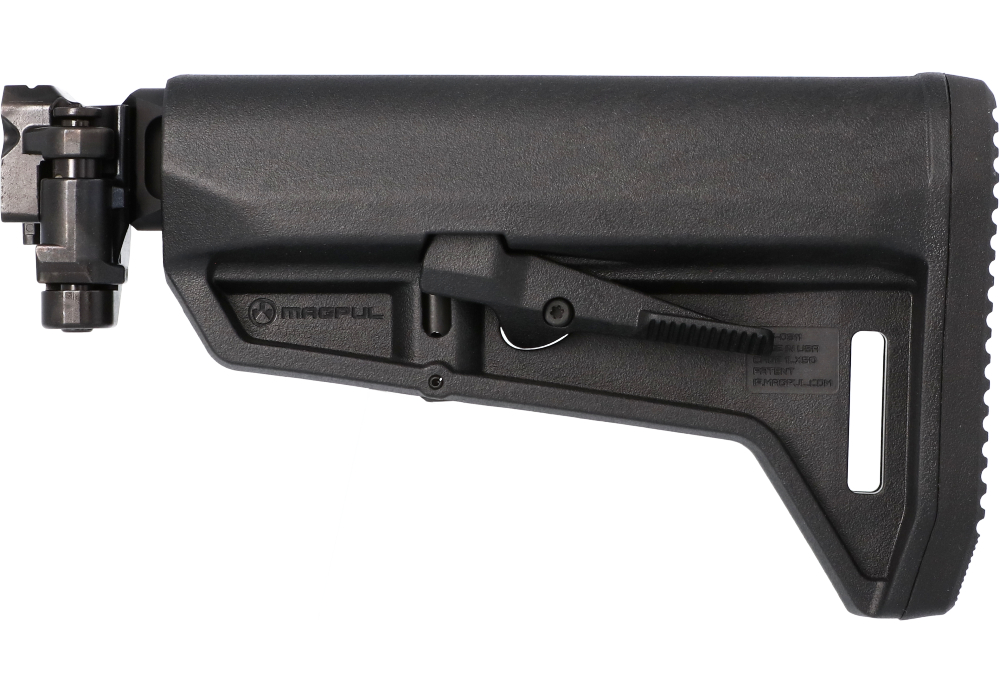
Adjustable stock adapters are a practical way to refine the fit, handling, and storage profile of a compatible firearm as part of a seasonal upgrade. Designed to connect a receiver or rear mounting interface with a folding, telescoping, or otherwise adjustable stock, these components can help users tailor length of pull and create a more comfortable shooting position. During the warmer months, that flexibility can be useful at the range, in a vehicle, or when moving between different layers of clothing and shooting positions. As cooler weather arrives and heavier outerwear becomes part of the setup, a stock that can be adjusted to suit the shooter may feel more natural and controllable than a fixed configuration. Folding adapters also reduce the overall length of a firearm for storage and transport when the stock is folded, although they should never be used to bypass safe-storage requirements or applicable laws. For shoppers comparing options, the first consideration is platform compatibility. The adapter must match the firearm’s rear interface, which may include a 1913 Picatinny rail, a standard buffer tube arrangement, or a chassis-specific mounting pattern. It is also important to confirm that the adapter is intended for the firearm’s operating system and caliber, and that the selected stock, brace where lawful, or other rear accessory will attach securely. A mismatch can affect fit, function, balance, and safe operation, so checking manufacturer specifications and consulting a qualified gunsmith is a sensible part of the process. Shoppers browsing Adjustable Stock Adapters For Modern Sporting Rifles can compare interfaces and configurations with the intended platform in mind rather than choosing by appearance alone.
The adjustment style is another important distinction. Telescoping systems provide multiple length-of-pull positions, allowing the shooter to bring the firearm into a consistent shoulder pocket while keeping the controls accessible. Folding systems pivot the stock alongside the receiver or into another compact position, which can make a case easier to pack and reduce the space required in a secure storage container. Some adapters combine folding capability with an adjustable stock, giving the user a compact transport position and a choice of shooting positions once deployed. When evaluating a folding mechanism, pay close attention to the hinge direction, locking method, and whether the adapter locks only in the open position or in both open and folded positions. A single-position lock can emphasize a firm straight-line firing setup, while a two-way locking design may hold the stock securely during transport as well. Hinge tension and the design of the locking latch can influence how quickly the stock deploys and how confidently it stays in place, but the adapter should always be fully locked before use. Length of pull deserves equal attention because an adapter can add roughly 1.3 to 1.75 inches before the dimensions of the attached stock are included. A configuration that feels comfortable for one shooter may place the trigger too far forward or crowd the shoulder for another. The best fit allows a relaxed cheek position, a clear sight picture, and a stable grip without forcing the shooter to stretch or compress the firing stance. Weight and balance matter, too. A sturdy metal adapter may provide a solid feel and long-term durability, while a lighter construction can help preserve the quick handling of a compact rifle. Look for secure fasteners, positive engagement, smooth adjustment, and a design that does not interfere with charging handles, safety selectors, magazines, optics, or other controls.
These accessories can appeal to a wide range of firearm owners, from someone setting up a new rifle for recreational range use to an experienced shooter refining a familiar platform for training, transport, or storage. A folding adapter may be especially useful for owners who keep a compatible firearm in a properly secured case, safe, or vehicle-approved storage solution where every inch matters. An adjustable setup can also help families manage different shooters with different arm lengths, provided each person receives appropriate instruction and the firearm is configured and handled in accordance with all applicable laws. For a gift, an adapter can be a thoughtful choice for an enthusiast who already knows the exact platform and mounting interface they use, but compatibility makes it less suitable as a blind purchase. When selecting one for someone else, confirm the firearm model, rear attachment pattern, preferred stock style, and whether the recipient values compact storage, adjustable fit, or both. Installation should be performed according to the manufacturer’s instructions, using the specified hardware and torque requirements; some configurations may require professional fitting, especially when replacing receiver components or working around parts that affect firearm operation. After installation, inspect the adapter for movement, verify that the stock locks in every intended position, and function-check the firearm unloaded in a safe environment before live-fire use. A careful setup can make an upgrade feel almost invisible in the best way: the stock settles naturally into the shoulder, the controls fall comfortably under the hands, and the firearm packs away more neatly when the range session ends. During the transition from warm-weather outings to cooler-season practice, adjustable stock adapters offer a straightforward way to improve fit and versatility while keeping platform compatibility, secure handling, and responsible storage at the center of the decision.