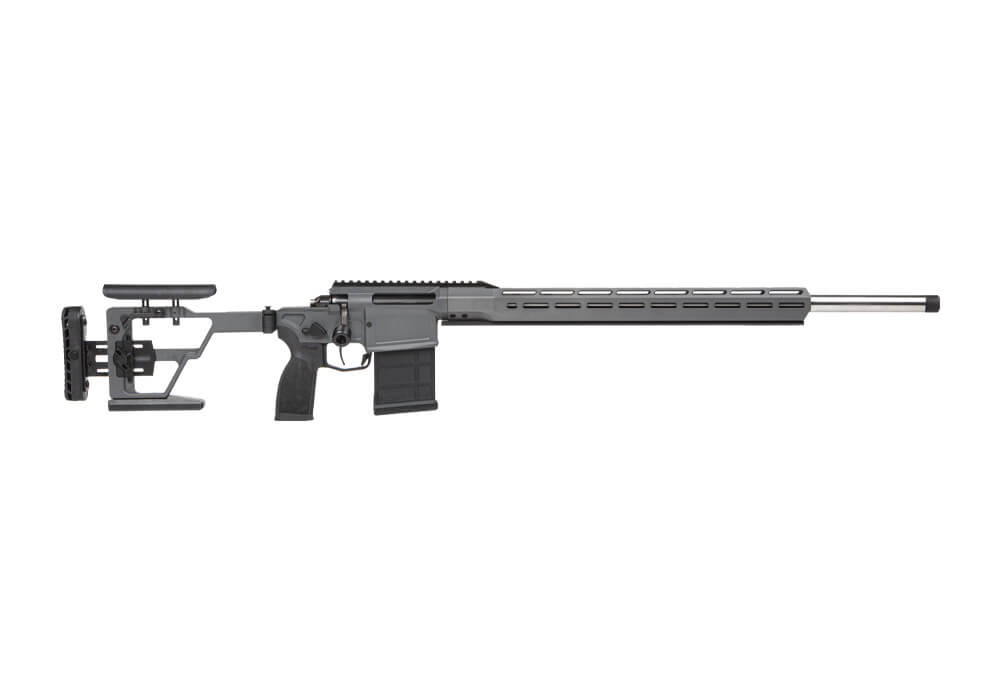
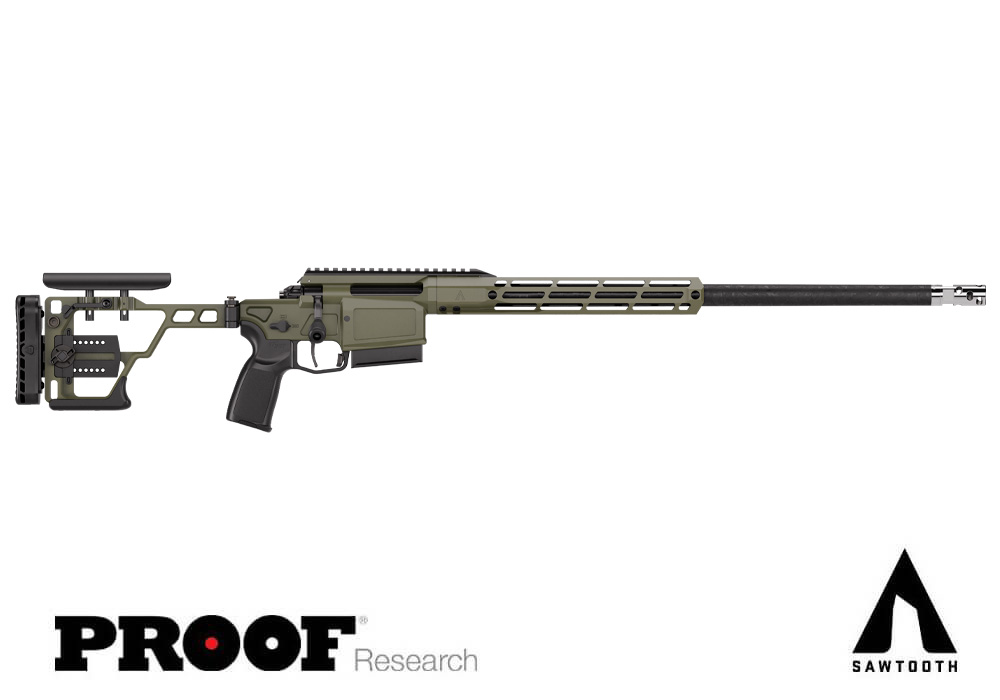
Adjustable folding stock adapters are a practical addition for builders who want a more compact firearm without giving up the familiar feel of an adjustable stock. They connect the rear of a compatible receiver or extension system to a folding stock interface, allowing the stock to fold alongside the firearm for easier storage and transport. For summer builds intended for range days, vehicle storage, travel between approved shooting locations, or compact cases, that reduced folded profile can make a noticeable difference. A rifle that feels cumbersome in a crowded gear locker may fit neatly into a dedicated case once the stock is folded, while an adjustable stock still provides multiple length-of-pull positions when the firearm is unfolded and ready for use. These adapters can also complement lightweight configurations, compact barrels, and streamlined accessories, helping builders create a setup that balances portability with a familiar shoulder position. During the warmer months, when range trips, outdoor training, and recreational shooting often become part of a regular routine, a folding interface can make packing and unpacking less awkward. As cooler weather arrives, the same feature remains useful for organized storage and transport, particularly when seasonal clothing changes the way a stock fits against the shoulder. A folding adapter may be a thoughtful gift for an experienced builder, a range enthusiast refining a compact setup, or someone assembling a firearm for use with a vehicle, pack, or confined storage space. The best choice depends less on appearance than on the exact platform, stock system, buffer or receiver extension, and intended use.
Compatibility should be the first consideration when comparing adjustable folding stock adapters. Products designed for AR-pattern direct-impingement builds may use different installation requirements than adapters made for piston-operated or purpose-built modular platforms, and a component that appears similar may not be suitable for every receiver or operating system. Check whether the adapter is intended for a mil-spec or commercial receiver extension, whether it requires a specific carrier or bolt assembly, and whether the stock mounting interface matches the stock or brace selected for the build. Length of pull deserves close attention as well. Adding a folding mechanism can increase the minimum stock position by more than an inch, so the shortest adjustment setting may not be as compact as expected when the firearm is shouldered. Builders should compare the adapter’s folded and extended dimensions, hinge placement, locking method, weight, and adjustment range before making a selection. A secure lockup is important for consistent handling, while a positive hinge detent helps keep the stock firmly extended during use and folded during transport. Some designs are intended primarily to reduce storage length and may prevent the firearm from firing while the stock is folded, particularly on standard direct-impingement configurations. Other systems may be engineered around a platform that supports operation in a folded position, but that capability should never be assumed from appearance alone. Review the manufacturer’s specifications and installation instructions, and confirm that the complete combination of receiver, carrier, buffer system, stock, and adapter is approved for the intended use. Professional installation may be appropriate when compatibility or assembly is uncertain.
Legal and practical details also belong in the selection process. Before installing an adjustable folding stock adapter, verify applicable federal, state, and local requirements governing firearm configuration, transportation, storage, barrel length, and overall length. A folding mechanism can change the way overall length is measured under certain rules, and regulations may differ depending on whether the stock is extended, folded, or permanently attached. The adapter does not replace the need to confirm that the finished build remains compliant, and measurements should be taken from the completed configuration rather than estimated from individual components. Transport considerations matter too: a folded stock may reduce the space required inside a locked case, but the firearm should still be unloaded and secured according to the laws that apply to the location and method of transport. Buyers should also consider corrosion-resistant finishes, hinge maintenance, clearance around charging handles and controls, and whether the folded stock interferes with mounted optics, slings, or other accessories. For builders moving between an indoor safe, a vehicle, and an outdoor range, small details such as hinge direction and sling attachment placement can have a major effect on convenience. Those continuing to refine a seasonal setup can also compare this selection with Adjustable Stock Adapters For Fall Upgrades as their needs change. With careful attention to platform compatibility, length of pull, folded dimensions, firing limitations, and legal requirements, an adjustable folding stock adapter can provide a compact, adaptable foundation for a well-planned build throughout changing seasons.