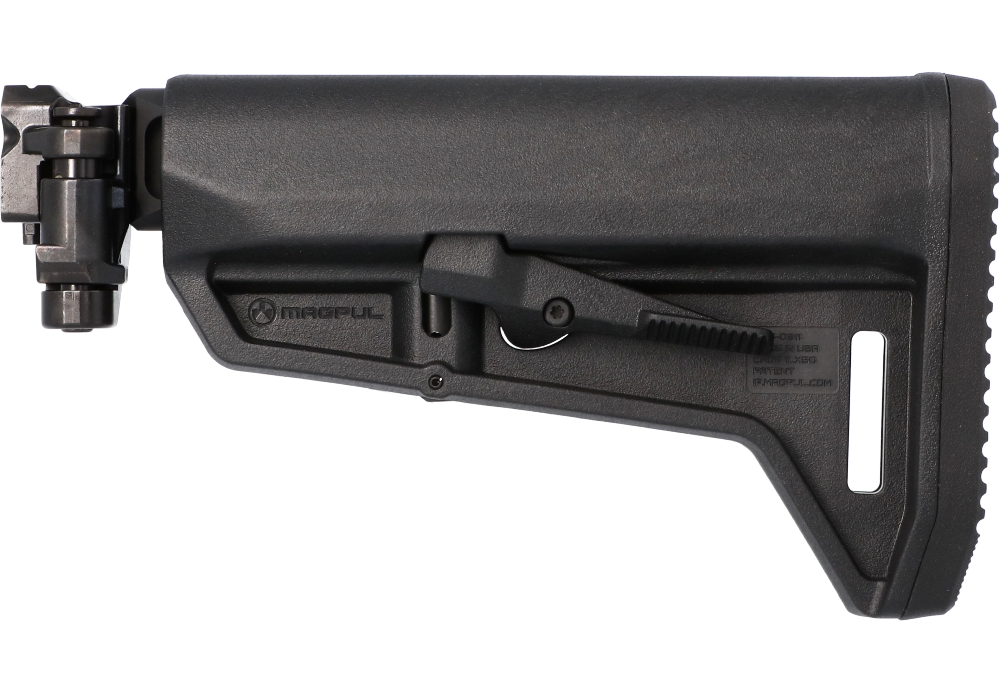
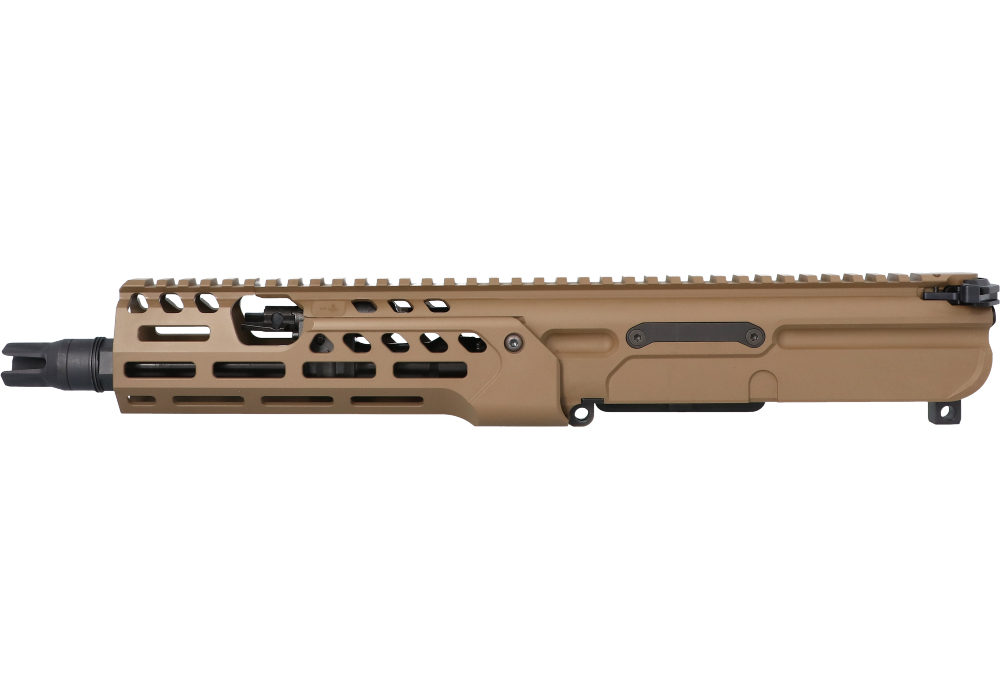
An adjustable stock adapter is a firearm component that connects a compatible receiver or rear mounting interface to a compatible shoulder stock, allowing an adjustable stock assembly to be used where the firearm’s design permits. The adapter establishes the connection; the attached stock typically supplies the adjustment in length, and some configurations include a separate folding mechanism. Those distinctions matter because an adapter, an adjustable stock, and a folding hinge perform different jobs, even when they work together as one assembly. The practical appeal is a more adaptable shoulder fit without treating every firearm or shooter as though the same dimensions will suit them. Length of pull, the distance between the trigger and the rear contact surface of the shoulder stock, influences how comfortably the firearm rests against the shoulder and how naturally the shooter reaches the controls. A suitable configuration can accommodate differences in arm length, shooting posture, and equipment worn during supervised training or recreational range sessions. For a shared sporting firearm, adjustment may also help different adult users establish a comfortable position without requiring an entirely different shoulder stock for each person. The adapter’s geometry remains part of that fit: its height, angle, and overall length can influence cheek placement and alignment with the firearm’s sights. Adjustment is therefore about more than the number of positions on a stock. It is the relationship between the receiver, the connecting hardware, the shoulder contact point, and the shooter. An adapter cannot correct every fit issue, and a connection that looks suitable in a photograph is not necessarily compatible with a particular platform. Adjustable stock adapters are best understood as interface components within a larger system, with their usefulness determined by the firearm’s design, the intended stock assembly, and the requirements of lawful sporting use.
Compatibility is the central consideration when comparing adjustable stock adapters. A rear rail interface, a threaded connection, and a platform-specific mounting surface are not interchangeable simply because each occupies the back of a receiver. Mounting dimensions, attachment geometry, and the requirements of the stock assembly all need to agree. Firearms with different operating systems may also have different requirements for components located behind the receiver, so an adapter should never be assumed to convert one system into another. Product documentation should identify the supported interface and any additional components required for the intended configuration. For configurations involving an AR-pattern stock interface, AR Stock Adapters provides a related category to consider alongside the requirements of the host firearm. Material and construction details deserve similar attention. Aluminum alloys can offer a useful balance of rigidity and weight, while steel may be used for fasteners, hinge elements, or other areas subject to concentrated wear. Polymer components, where specified by the manufacturer, serve a different role and should be evaluated within the complete design rather than judged by appearance alone. Surface treatments can help protect exposed metal from corrosion and abrasion, but a finish is not a substitute for sound attachment geometry or correct hardware. Machining quality matters at the contact surfaces, where consistent dimensions help the assembly seat properly. Rounded exterior edges may be more comfortable against hands or equipment, while a compact profile can reduce unnecessary bulk around the rear of the firearm. Folding designs add another set of considerations, including hinge clearance, latch engagement, and interference with neighboring components. A folding connection does not by itself establish that a firearm can function in the folded position. Whether an adapter is fixed or incorporates a hinge, dependable fit depends on documented compatibility and appropriate installation, not on a broad claim that one accessory suits every platform.
Long-term satisfaction with an adjustable stock adapter comes from a secure connection, appropriate fit, and straightforward care rather than unnecessary complexity. During repeated range use, a stable assembly should feel consistent at the shoulder, without unexplained movement at the mounting interface. Any looseness, damaged hardware, unusual wear, or change in hinge engagement warrants attention before further use. Inspection and maintenance belong with an unloaded firearm, ammunition kept separate, and the manufacturer’s safety procedures followed throughout. Care generally centers on keeping mating surfaces free of accumulated debris, protecting the finish from unnecessary abrasion, and using only cleaning products or lubricants approved for the relevant materials. More lubricant is not automatically better, particularly where excess residue can collect grit. Installation requirements, fastener specifications, and service intervals vary, so manufacturer documentation and a qualified gunsmith are more dependable than assumptions based on a similar-looking accessory. Durability also depends on how the complete firearm is handled and stored. A case that accommodates the configured firearm without forcing pressure against the stock or hinge helps protect both the adapter and adjacent components. For owners who attend organized practice, share a sporting firearm with another adult, or value an adjustable shoulder fit, these small interface parts can have a meaningful role in everyday comfort. They may also be a thoughtful accessory gift for an experienced firearm owner, provided the recipient’s exact platform and preferred configuration are known; visual similarity alone is not enough to establish a suitable match. Changes involving shoulder stocks can affect a firearm’s legal classification, and applicable requirements should be confirmed before any modification. The most useful adjustable stock adapter is ultimately one that matches the host firearm, supports the intended stock assembly, and remains easy to inspect and maintain. A clear understanding of those relationships helps distinguish a genuinely suitable component from one that merely shares the same general shape or description.