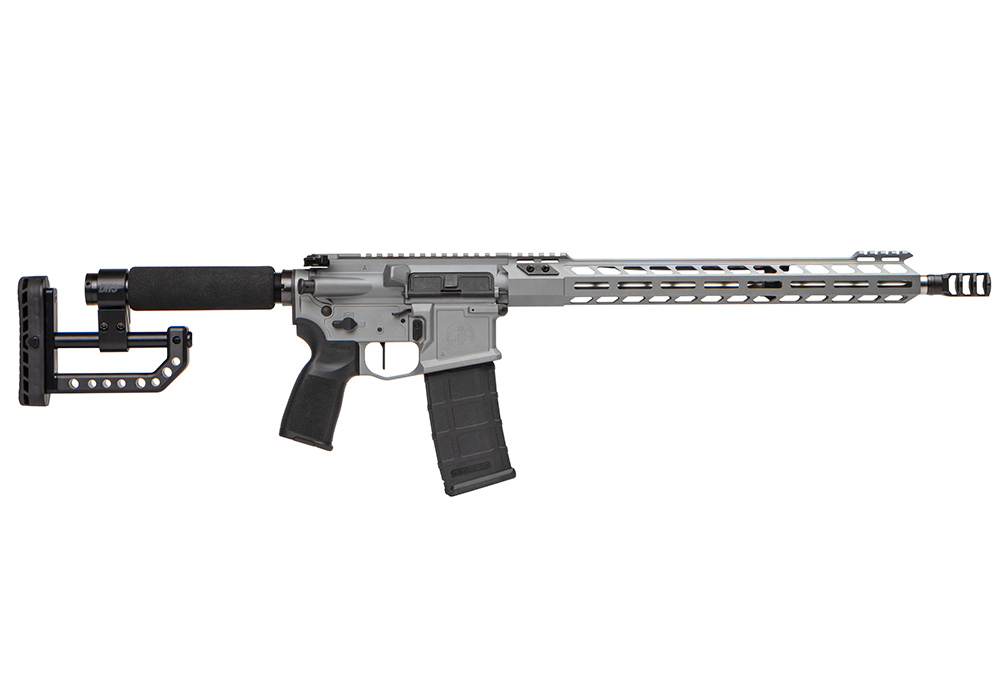
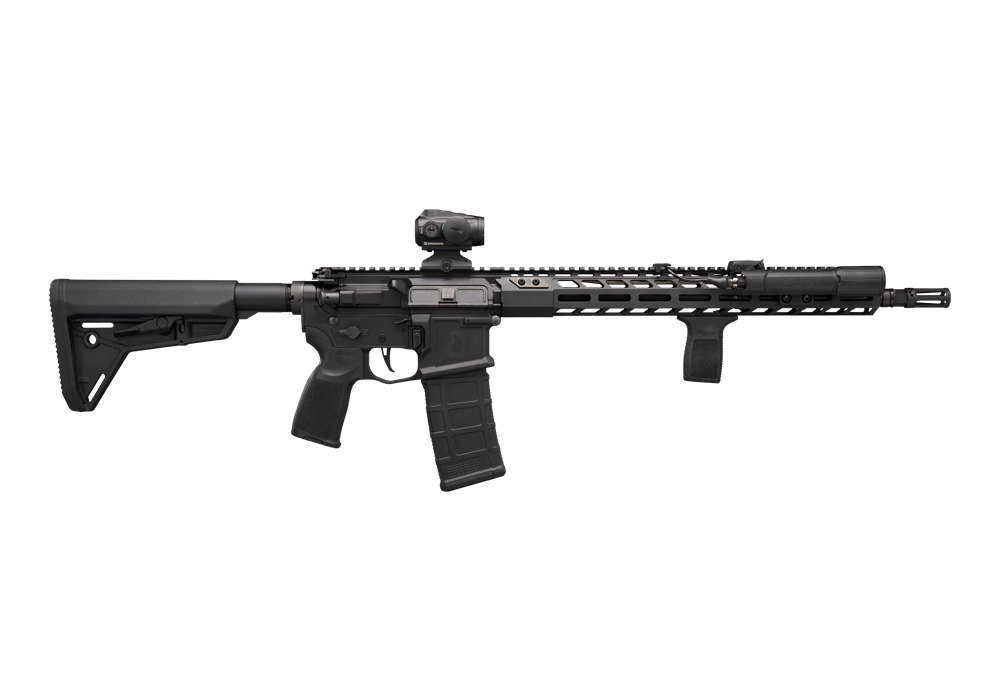
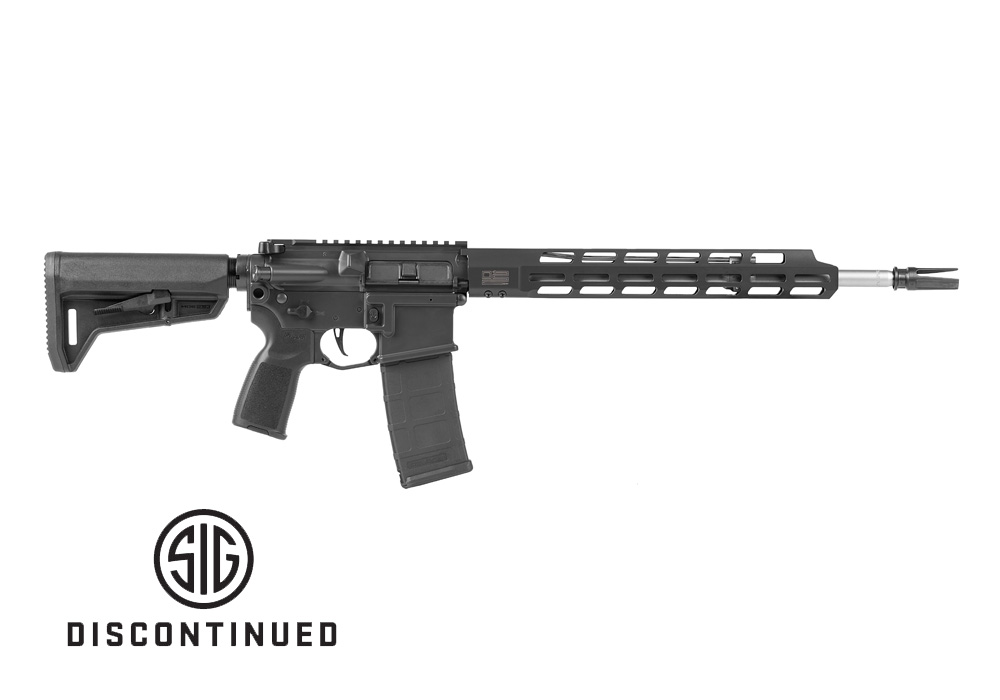
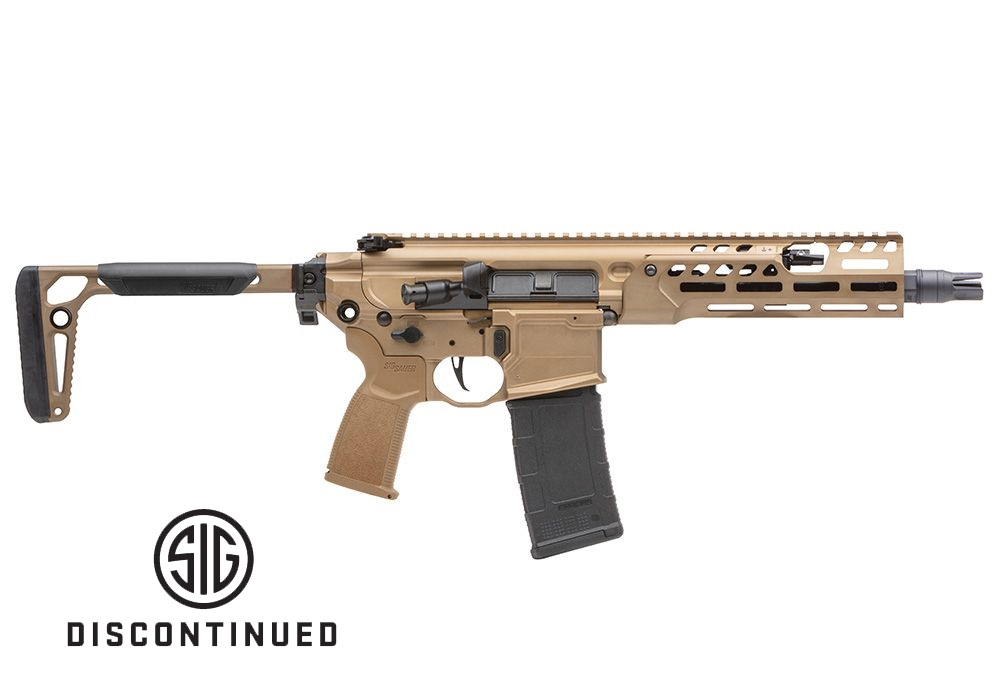
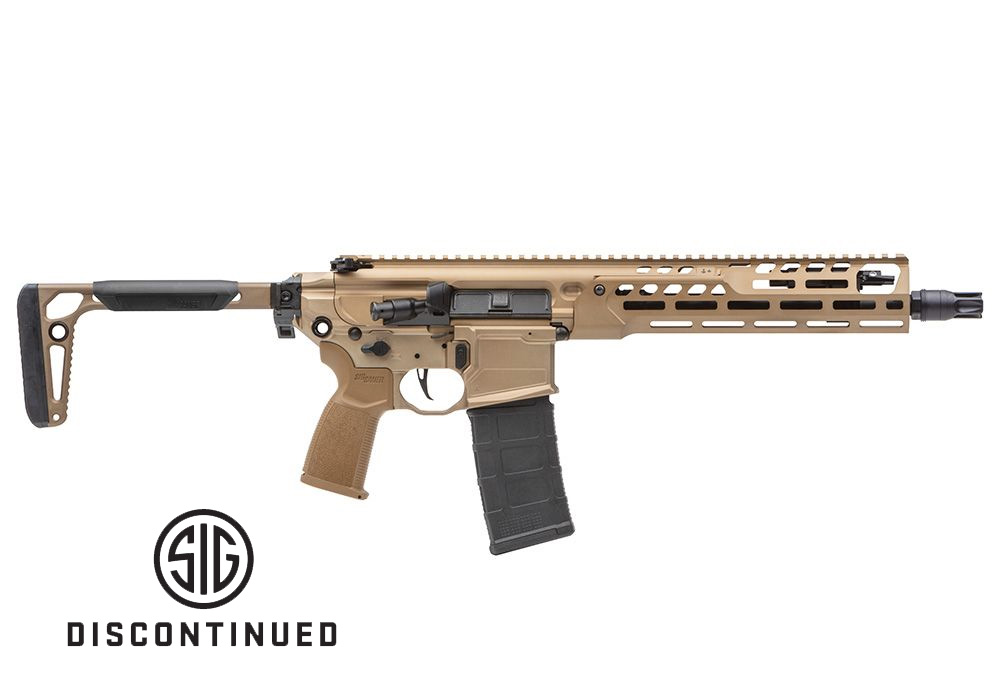
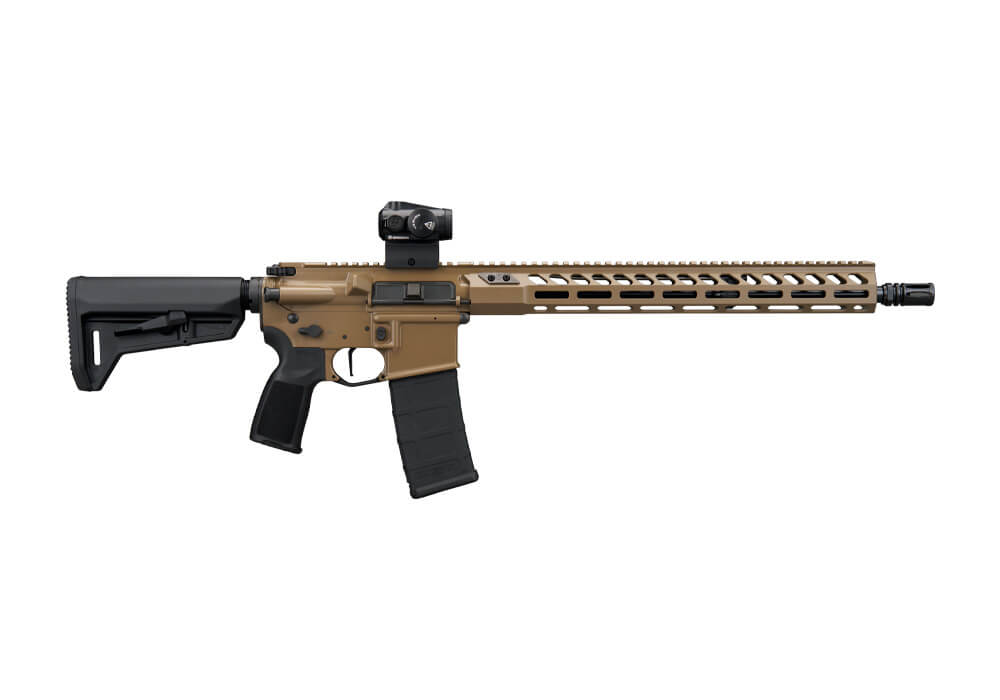
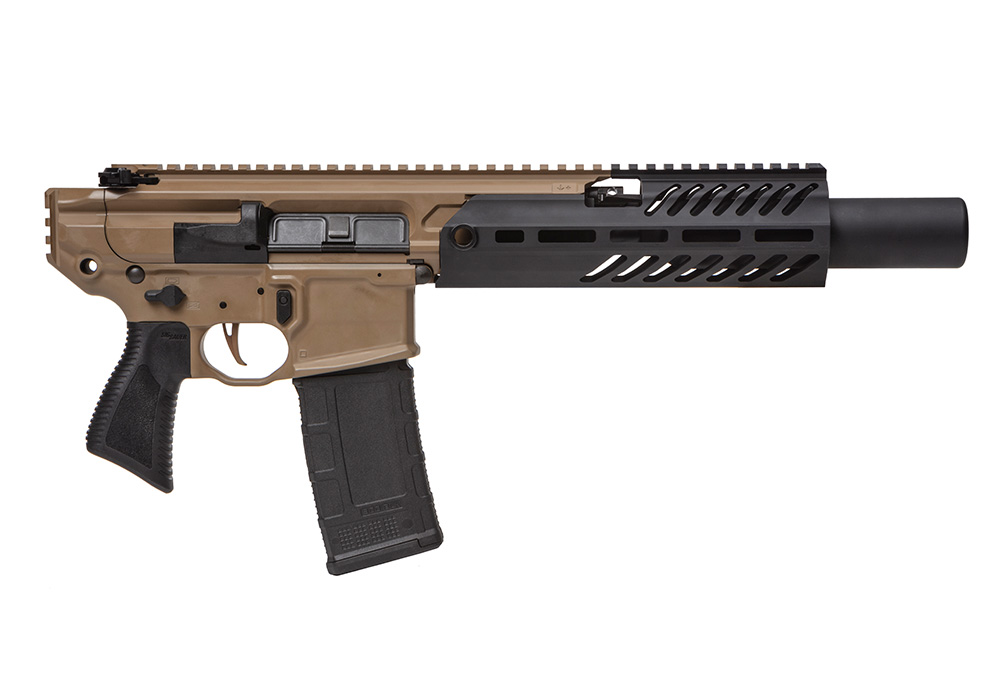
AR-15 rifles with accessory compatibility are valued for their adaptable design and broad support for commonly available mounting systems. A rifle selected for this category can serve as a flexible starting point for range practice, competition, training, ranch use where lawful, or a carefully planned collection, with room to configure the setup around the owner’s needs rather than committing to a fixed arrangement. The most important detail is the interface between the rifle and the accessory. Many modern handguards use M-LOK slots, a lightweight negative-space system that allows compatible lights, hand stops, grips, and other attachments to mount directly to the handguard while keeping the exterior trim and comfortable in the hands. A Picatinny rail uses a continuous series of cross slots and remains a widely supported standard for optics, mounts, backup sights, and other equipment. KeyMod handguards can still be found and may work well with existing accessories, although compatible choices are generally less common than M-LOK and Picatinny options. Before selecting an accessory, compare the mount type, slot pattern, available clearance, and the manufacturer’s fitment information. An M-LOK accessory is not designed to attach directly to a KeyMod handguard, and a Picatinny-mounted item may require a dedicated adapter when the rifle has only a smooth or slotted mounting surface. Taking a moment to confirm compatibility can prevent an otherwise promising setup from becoming a pile of mismatched parts on the workbench.
Optics are among the most common additions to an accessory-compatible AR-15 rifle. A compact red dot sight can offer a clear aiming reference and a simple, uncluttered view for close-to-moderate distance practice, while a magnified optic may suit a shooter who prefers more detail at longer distances or spends time working from a bench. Both typically attach to the upper receiver’s Picatinny rail, so the height, mounting footprint, eye relief, and available space should be considered together. A weapon light can be useful for identifying surroundings in low-light conditions, but it should be selected with attention to control placement, battery access, holdup under recoil, and whether the mount is intended for M-LOK, Picatinny, or another interface. Slings add a practical carrying option and can help keep the rifle close when both hands are needed, making sling attachment points and adjustment range worthwhile details to inspect before purchase. Grips and hand stops can change how the front of the rifle feels, especially during extended range sessions, but the best choice depends on hand size, shooting position, glove use, and the shape of the handguard. Some owners prefer a compact hand stop that indexes the support hand without adding much bulk; others choose a more substantial grip for a particular stance or control preference. A rifle with accessible mounting surfaces gives the owner room to make these choices gradually. It may begin with a sight and sling, then gain a light or hand stop after the owner has spent time learning what feels natural, rather than carrying every possible accessory from the first outing.
When comparing AR-15 rifles with accessory compatibility, look beyond the number of rail slots and consider the complete foundation: receiver and handguard fit, sight rail continuity, attachment points, controls, stock adjustment, barrel profile, and overall balance. A lighter configuration may be easier to carry during a long day outdoors, while a more substantial setup can feel steady from a supported position. Controls should be easy to reach without forcing an awkward grip, and the stock should adjust securely to accommodate different users or layers of clothing during cooler months. Magazine compatibility is another practical consideration; verify the rifle’s magazine pattern and choose legally permitted standard or extended capacity magazines that fit reliably. Anyone purchasing a rifle as a gift should confirm local laws, eligibility, transfer requirements, and the recipient’s preferences before completing the purchase, since fit, intended use, storage arrangements, and experience level all matter more than appearance. A thoughtful gift may include a secure storage solution, professional instruction, or help selecting a compatible optic rather than an assortment of parts chosen at random. Responsible owners should store the rifle unloaded and secured when not in use, keep ammunition stored appropriately, and follow all applicable laws and established safety practices. For shoppers who place particular emphasis on a rifle built to withstand regular handling and demanding conditions, AR15 Rifles With Enhanced Durability offers a related direction to explore. Whether the rifle is used on a bright outdoor range as the weather warms or during the cooler months when equipment gets more frequent indoor attention, accessory compatibility makes it possible to build a setup that remains practical, organized, and personal over time.