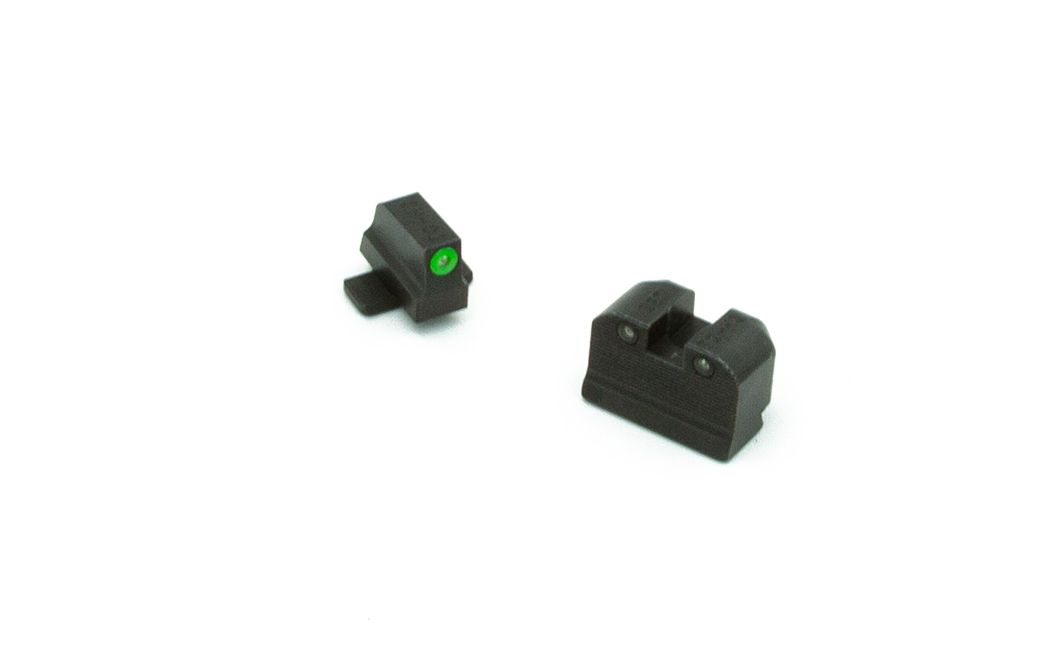
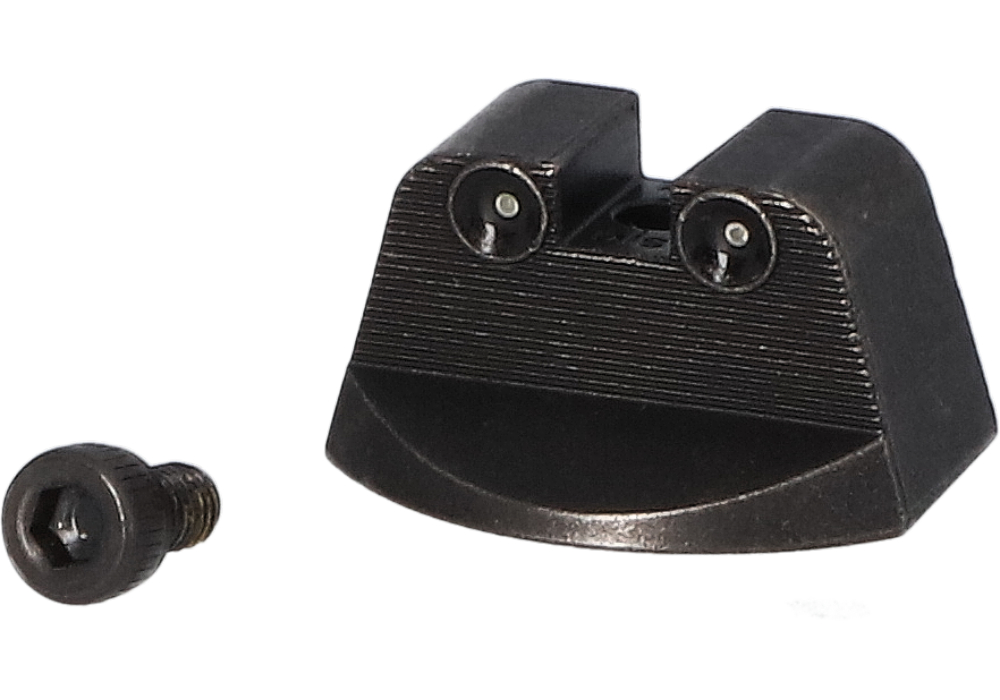
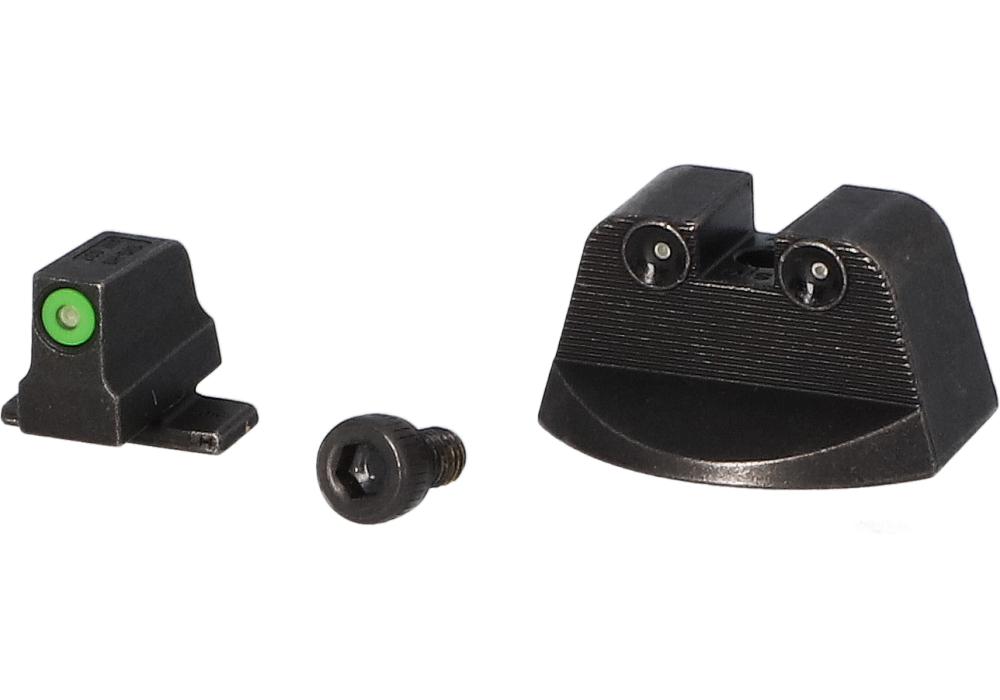
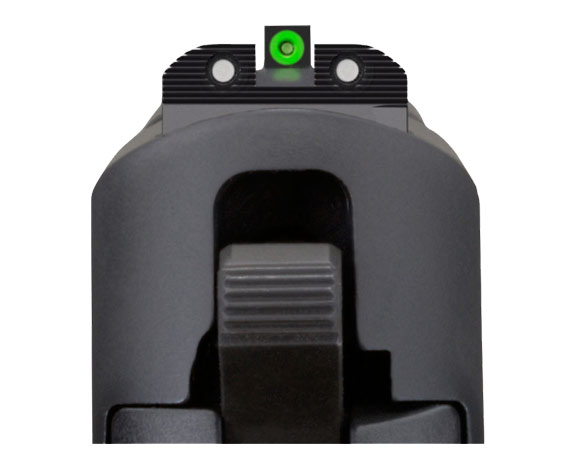
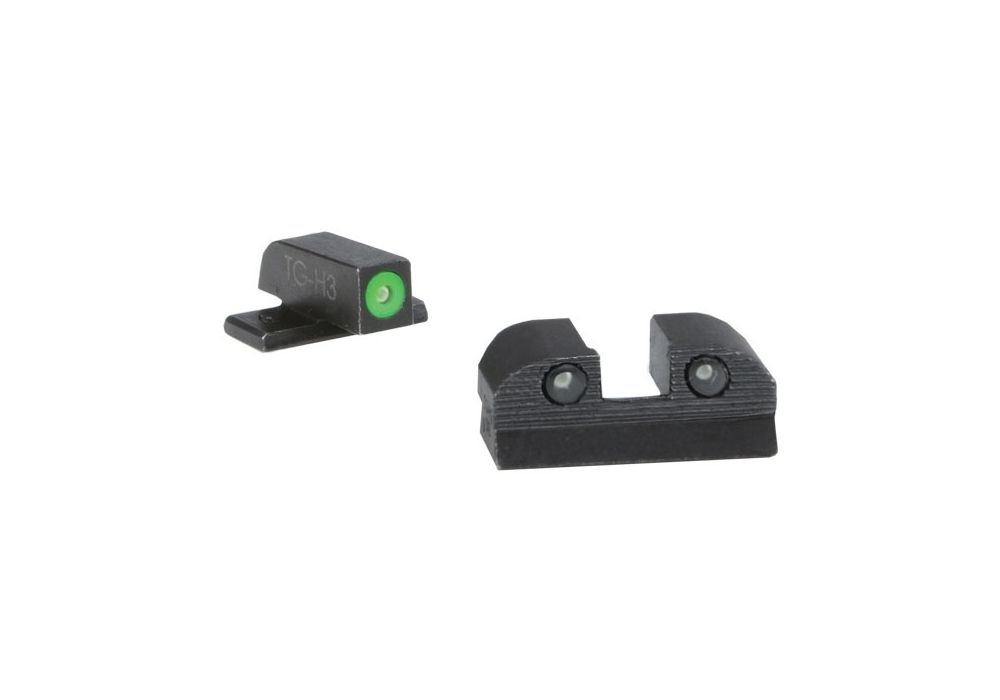
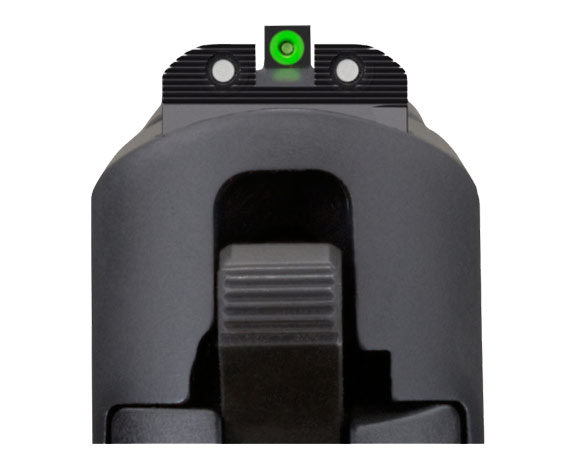
Backup rear sights are a practical addition to a modern rifle, particularly when a range day includes changing light, extended practice sessions, or a primary optic that may need to be removed for maintenance. Often called backup iron sights, these compact aiming components provide a simple, independent sighting system that does not rely on batteries, glass, or electronic controls. A well-chosen rear sight can remain folded beneath a red dot, magnified optic, or low-power variable optic and be brought into use when needed. For rifles configured with an unobstructed sight line, a fixed rear sight offers an always-present reference that is quick to acquire and easy to verify. Shoppers comparing Backup Iron Sights will generally find options suited to different rail layouts, optic combinations, and preferences for speed, precision, or compact storage. During warm-weather range days, the best choice is one that remains secure through repeated handling, vehicle transport, and the small bumps that come with moving between a shooting bench, gear bag, and target line. As the weather shifts toward cooler mornings and earlier evenings, a dependable rear sight also serves as a consistent point of reference when bright sun gives way to shade or low light.
Configuration is the first major consideration. Folding rear sights are a natural fit for rifles that use a red dot with a magnifier, a prism optic, or an LPVO, because they can stay out of the sight picture until required. When folded, a low-profile design leaves room for the primary optic while reducing the chance of snagging on a case or sling. Fixed rear sights remain upright and ready, which can be useful on a lightweight carbine with a red dot and a clear co-witnessing setup. Confirm the height relationship between the rear sight, front sight, and optic before purchasing; a sight designed for one mounting height may not align properly with another. Rail space matters as well, since some rifles use a continuous top rail while others have limited mounting sections. Material and construction deserve close attention. Steel components offer a reassuring level of rigidity and resistance to impact, while aircraft-grade aluminum can reduce overall weight without sacrificing durability when properly designed. Reinforced polymer can also be a sensible choice for users who prioritize low weight and value, but it should be evaluated for secure lockup, dimensional stability, and resistance to ordinary range abuse. Direct sun can make a dark rifle or equipment case surprisingly hot, so avoid relying on vague specifications and instead look for clearly stated materials, positive locking mechanisms, protected adjustment hardware, and a finish intended for outdoor use.
A rear sight should be straightforward to operate with the rifle shouldered and the shooter wearing the gloves, eye protection, or hearing protection normally used at the range. Folding models may use a button, spring-assisted mechanism, or manual release; each has a different feel, and the sight should lock firmly in both its raised and lowered positions. Windage adjustment is another useful point of comparison. Toolless adjustments are convenient when making small changes at the bench, while protected or tool-adjusted mechanisms can help prevent accidental movement during transport. Aperture size influences the sight picture: a smaller opening can provide a more precise view of the front sight in bright conditions, while a larger opening can be faster to use and more forgiving as light fades. Users who spend long afternoons practicing from different positions may appreciate a design that is easy to index without excessive steps. Before relying on any backup rear sight, mount it securely according to the manufacturer’s instructions, confirm that it aligns with the front sight, and verify zero at the range. A few deliberate checks after installation can reveal loose fasteners, interference with the primary optic, or a rail fit that needs attention. It is also wise to inspect the sight after transporting the rifle and after any hard impact, even when no visible damage is apparent.
Backup rear sights can be a thoughtful gift for a new rifle owner, a recreational shooter building a first range setup, or an experienced enthusiast refining a familiar platform. They are small enough to fit easily into a range bag yet useful enough to support practice across a wide range of conditions. A family member or friend choosing a gift can simplify the decision by checking the rifle’s rail type, optic arrangement, and preferred fixed or folding configuration before selecting a sight. For personal use, consider how the rifle is actually handled rather than choosing based on appearance alone. Someone who shoots from a bench and keeps the optic installed may favor a folding design that stays unobtrusive. Someone who trains with a simple red-dot setup may prefer a fixed sight that is always visible and ready. Humidity, perspiration, dust, and residue can accumulate during outdoor sessions, especially when the rifle is carried between stages or handled repeatedly under warm conditions. After use, wipe the sight clean, inspect adjustment points and locking surfaces, and apply a light protective coat of appropriate CLP to exposed metal when recommended by the manufacturer. Store the rifle and accessories in a dry environment rather than leaving them in a hot vehicle or a damp case. These small habits help preserve the finish, maintain smooth operation, and keep a backup aiming system ready for the next range day, whether the air is warm and bright or the cooler season has settled in.