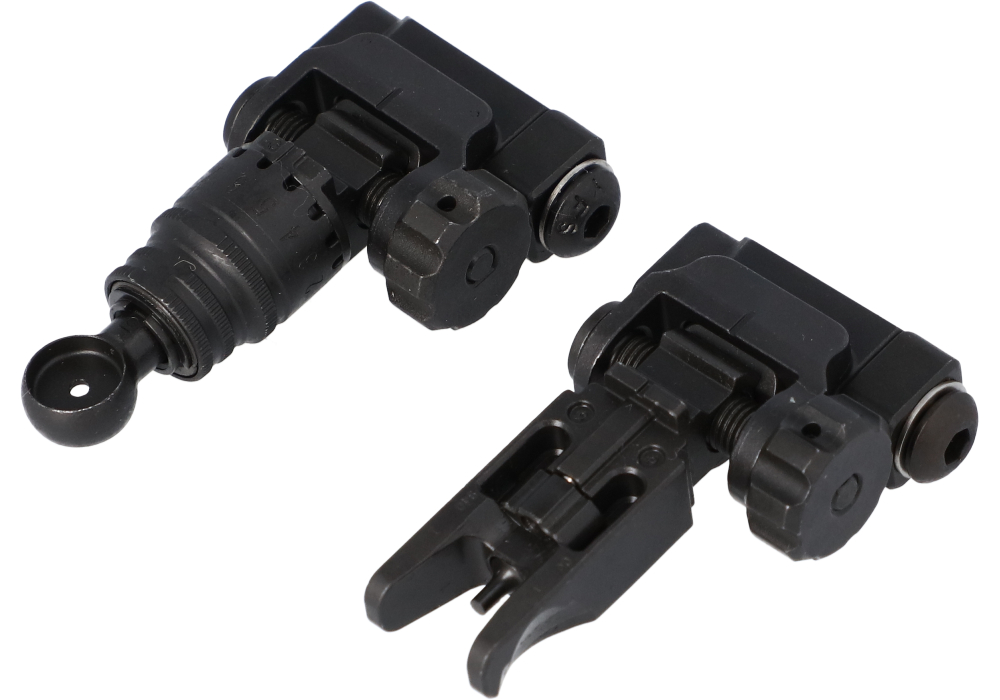
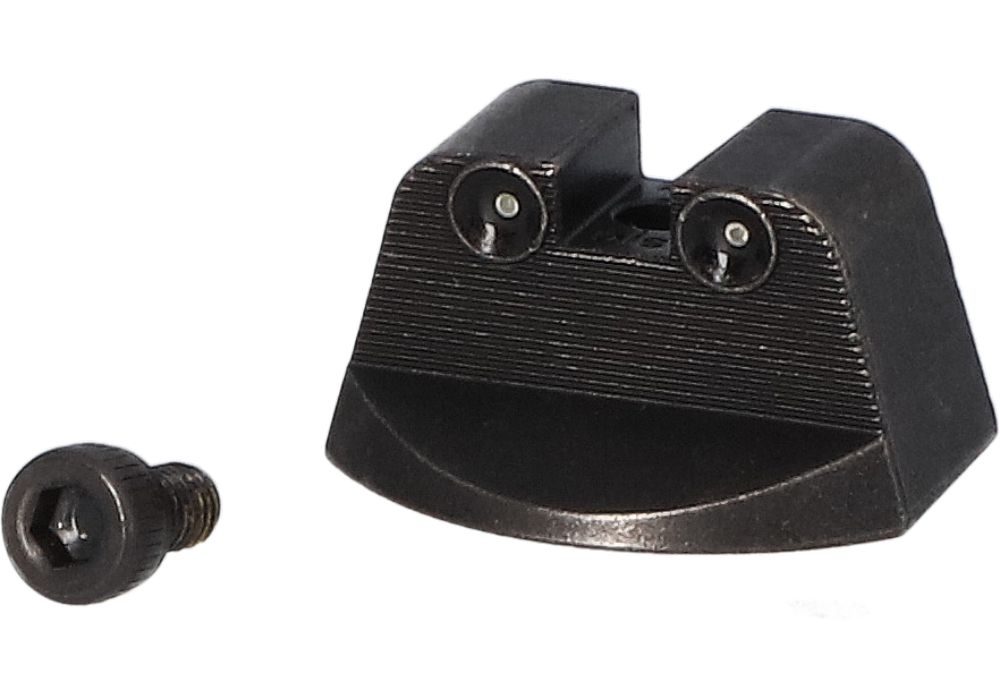
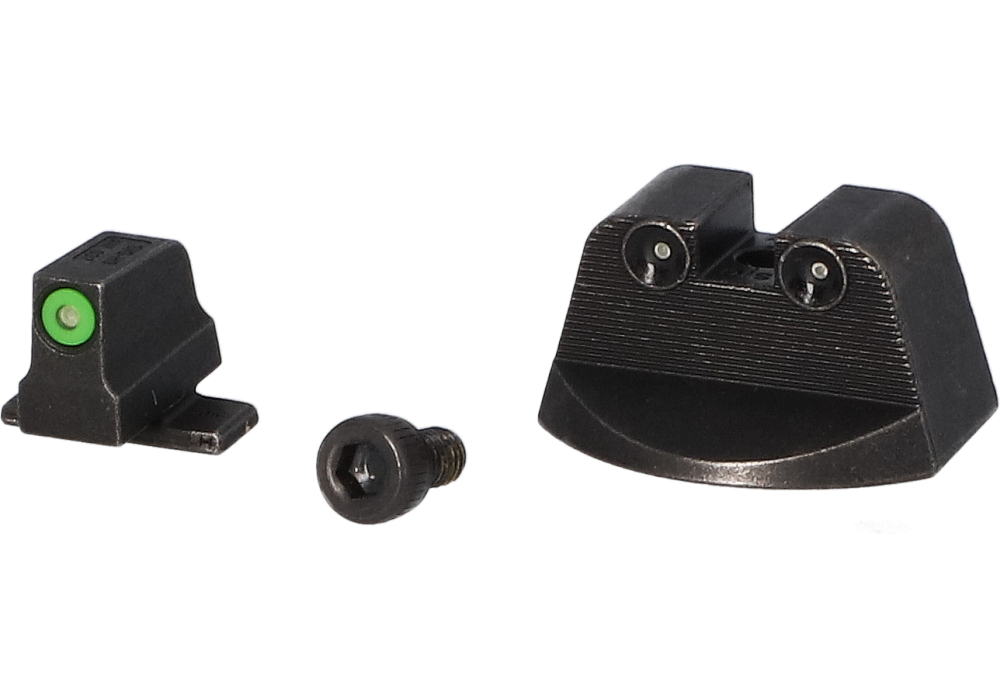
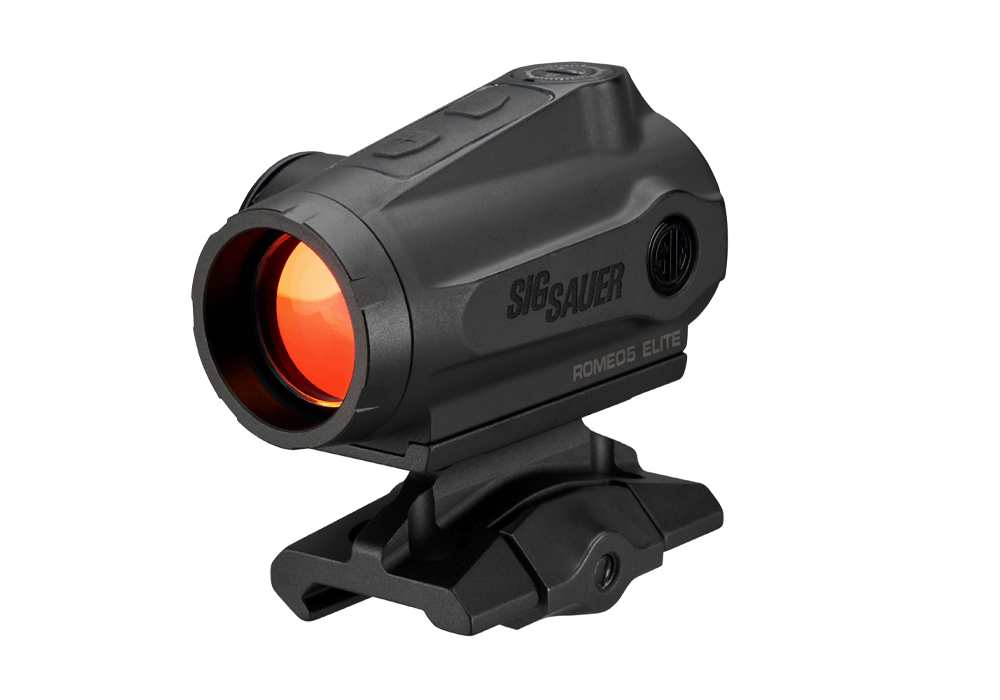
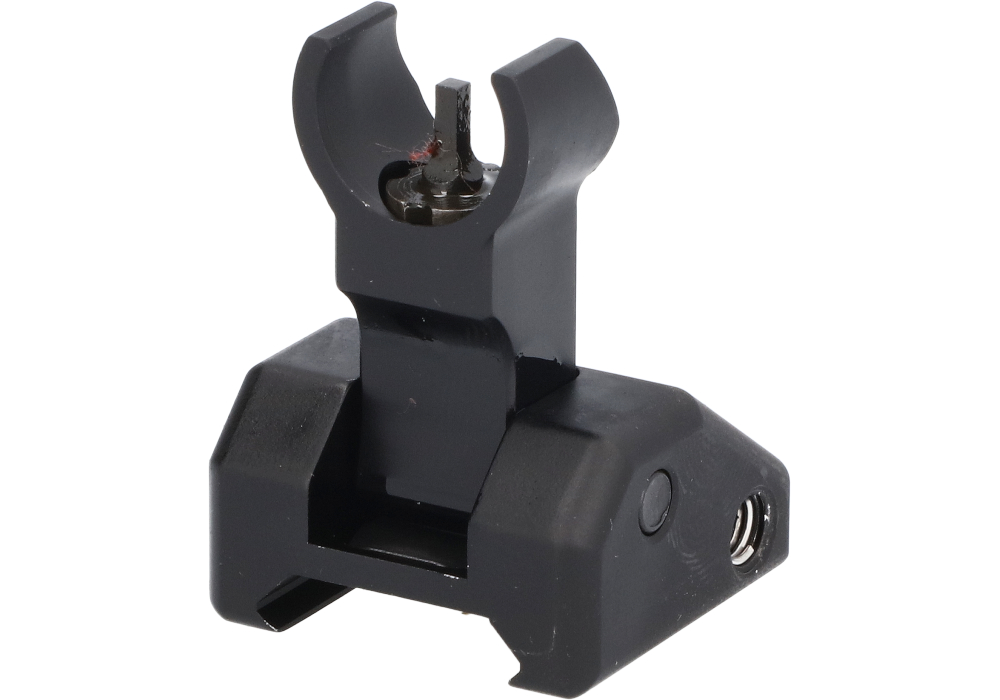
Backup iron sights are non-powered mechanical sights that provide a secondary aiming reference when a firearm’s primary optic cannot be used. Often called BUIS, they typically combine a front sight post with a rear aperture and attach to compatible mounting surfaces on rifles or carbines. Their value is straightforward: they do not depend on batteries, illumination settings, or electronic components to provide a sight reference. For recreational shooters, sporting rifle owners, and professionals whose equipment requirements include a secondary sighting system, the right configuration balances durability with the space already occupied by an optic. Folding backup iron sights sit close to the rail when stowed, helping preserve clearance around compatible optical equipment. Depending on the design, deployment may be manual or spring assisted, with a retention mechanism that holds the sight in its intended position. Fixed iron sights remain upright, eliminating the need to unfold them and reducing the number of folding joints in the assembly. Their constant presence also means they remain part of the view around an optic, which some shooters prefer and others find distracting. Offset iron sights position the mechanical sight line to one side of the primary optic, commonly at a 45-degree angle. This arrangement can suit compatible rifles with magnified optics, where conventional sights positioned directly beneath the scope would not offer a usable view. Each style involves a different balance of profile, access, and visual space rather than a universal advantage. A compact folding set may suit a rifle with limited room beneath an optic, while a fixed configuration may appeal to someone who values a consistently visible reference. Front post shape, rear aperture size, and the visibility of adjustment markings also influence the experience. Larger apertures generally offer a more open view, while smaller apertures provide a more defined reference for deliberate target shooting. These details help distinguish sights that look similar in a photograph but feel noticeably different during an ordinary range session.
Fit is central to choosing backup iron sights because a matching rail interface alone does not establish compatibility. Many rifle sights attach to a Picatinny rail, but the front and rear components must also have compatible sight heights and suit the mounting surfaces on the firearm. A receiver-height rail and a lower gas-block rail are not interchangeable reference points, and a front sight intended for one arrangement may not align correctly on another. Rail placement, available mounting space, and the dimensions of nearby accessories all matter. Folding sights need sufficient clearance beneath an optic or mount when stowed, as well as room to stand upright without contacting other equipment. Rear sight placement can also affect access to controls and the space around a scope’s eyepiece. Co-witness describes the relationship between compatible iron sights and the viewing window of a nonmagnifying optic. With absolute co-witness, the aligned iron sight reference appears near the center of the optic window. With lower-third co-witness, that reference appears in the lower portion of the window, leaving more open viewing space above it. These relationships depend on the combined heights of the sights, optic, and optic mount; they are not determined by the backup sights alone. Conventional magnified scopes generally do not support the same co-witness arrangement, and an obstructed or damaged optic can still interfere with the view through inline iron sights. That distinction matters when comparing a folding inline set with an offset configuration. Mounting location also influences material suitability. Polymer sights can offer low weight and resistance to routine surface corrosion, but polymer designs should not be attached directly to a railed gas block unless the manufacturer explicitly approves that application. Heat at that location can exceed the material’s intended limits. Metal construction does not automatically establish gas-block compatibility either; the sight still needs the correct height and an appropriate mounting specification. Compatibility information for the firearm, sight, and optic mount provides a firmer basis for selection than appearance or a broad platform description alone.
Materials and construction influence how backup iron sights hold up to repeated handling, transport, and range use. Steel components can provide durable engagement surfaces and compact profiles, while aluminum can reduce weight in larger structural sections. Reinforced polymer offers another balance of weight and resilience, particularly where the design is intended for a receiver or handguard rail. The overall assembly matters as much as the material name: hinge fit, protective ears around the front post, adjustment hardware, and the security of the mounting interface all contribute to dependable function. A sight that folds neatly but develops unwanted movement does not offer the same confidence as one with consistent mechanical engagement. Protective finishes help resist corrosion, although no finish eliminates the need for reasonable care. Residue and grit can collect around apertures, hinges, and adjustment mechanisms, while excess lubricant can retain debris. Cleaning and lubrication requirements vary by design, so the manufacturer’s maintenance directions remain the appropriate reference. The same applies to mounting torque and any specified thread treatment; universal assumptions can damage hardware or leave an attachment insufficiently secured. Periodic inspection and confirmation of zero are relevant after installation, maintenance, or a significant impact. For frequent range users, clearly defined adjustments and accessible controls can matter as much as a slim folded profile. For someone carrying equipment over longer distances, weight and snag-resistant contours may receive more attention. A gift recipient may appreciate mechanical sights, but the exact firearm configuration and existing optic arrangement are essential details before choosing a set. Compatibility remains the starting point when exploring Iron Sight Optics, followed by the features that suit the owner’s use. Well-chosen backup sights complement the primary optic without unnecessarily crowding the firearm, providing a durable mechanical alternative whose usefulness rests on correct fit, sound construction, and familiarity developed through responsible range practice.