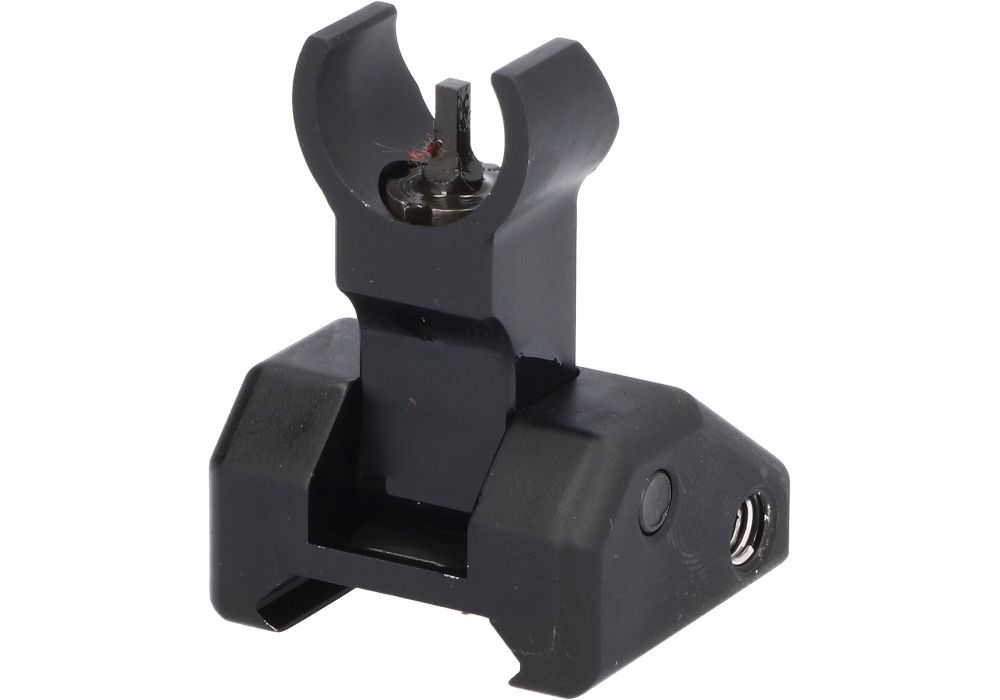
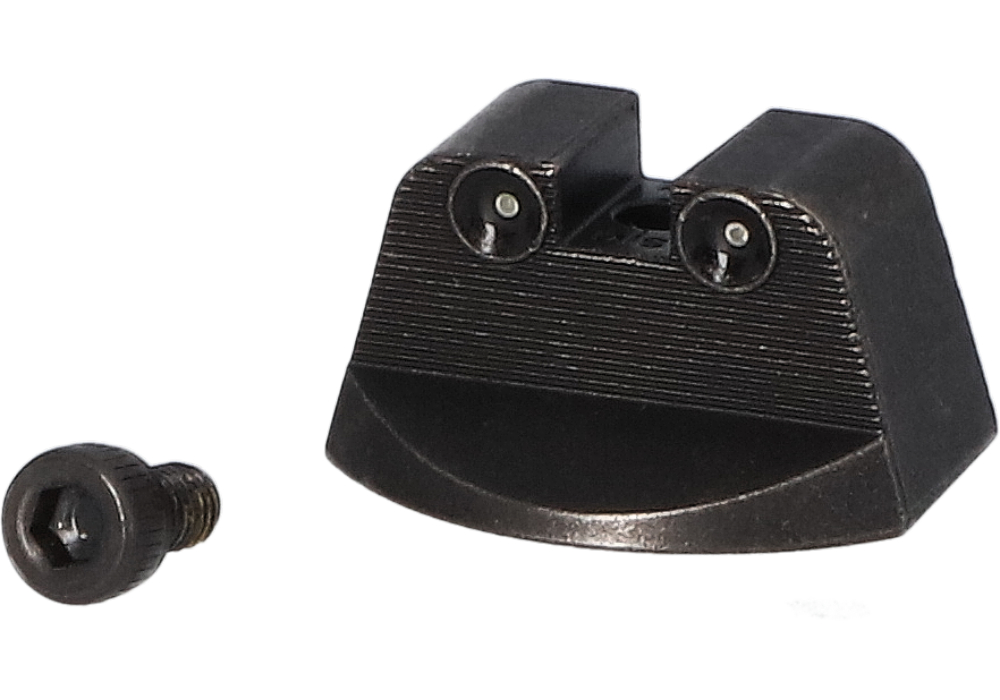
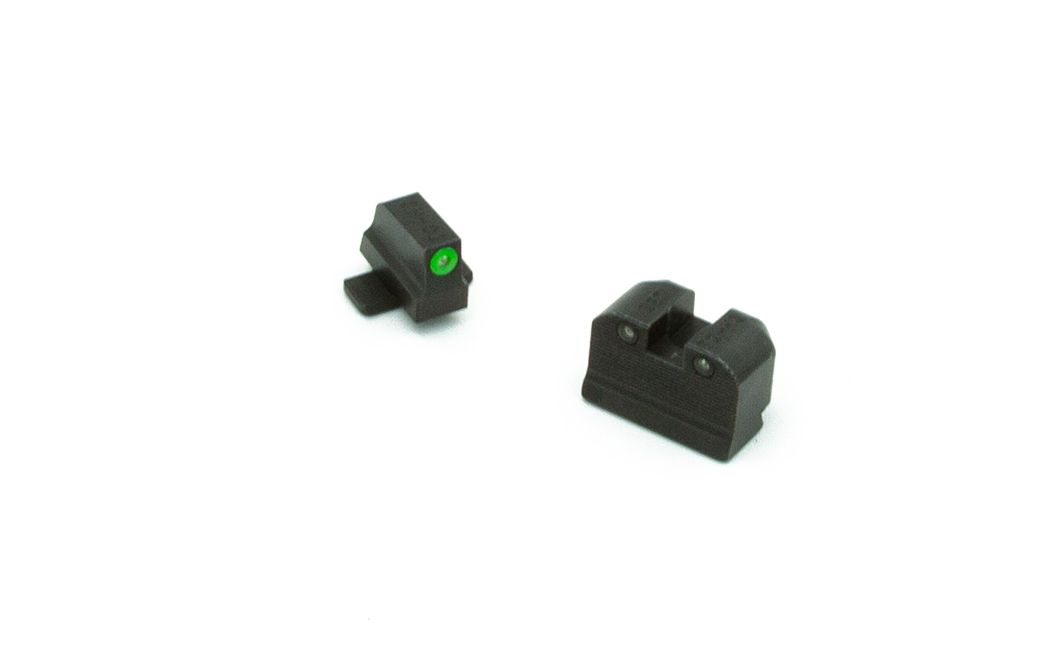
Flip sights, also known as flip-up sights or backup iron sights (BUIS), provide a dependable mechanical aiming option for rifles equipped with a primary optic. They are designed to attach to a compatible top rail, typically a Picatinny or Weaver-style rail, and fold flat when they are not needed. In the lowered position, they help preserve the sight picture through a red dot, holographic optic, or magnified scope without adding unnecessary obstruction. When the primary sight is unavailable because of a depleted battery, damaged lens, fogged glass, or another equipment issue, the front and rear sights can be raised to create a practical backup aiming system. This simple, compact design appeals to recreational shooters, hunters, competition participants, professional users, and anyone who values a second sighting method on a modern rifle. Flip sights can also be a thoughtful gift for a shooter who is refining a rifle setup, preparing a new build, or adding sensible redundancy to an existing configuration. For a broad selection of options, explore Gun Flip Up Sights and compare designs suited to your rifle, optic arrangement, and intended use.
Choosing the right flip sights begins with confirming compatibility. Check the firearm’s rail type, available mounting space, and the height of the primary optic or optic mount before making a selection. Sights intended for a standard-height setup may not align correctly with a taller optic mount, while a low-profile configuration may require a sight designed to co-witness at a particular height. Front and rear sights should work together as a matched aiming system, and many shooters prefer a tool-less design for straightforward adjustments in the field or at the range. Consider how the sights deploy, how firmly they lock in the raised position, and whether the controls are easy to operate while wearing gloves during cooler conditions. Construction is another important consideration. Reinforced polymer can offer a lightweight solution for users who want to keep overall rifle weight down, while aircraft-grade aluminum may appeal to shooters seeking a rigid, durable sight body for demanding use. A folding sight should sit securely when stowed, resist accidental movement, and return to a consistent position when raised. Pay attention to the profile as well: a streamlined design can reduce interference with charging handles, magnified optics, illumination controls, and other accessories mounted along the rail. Standard inline sights are positioned along the rifle’s centerline and are often selected for a familiar sight picture, while offset or canted sights sit at an angle and allow the rifle to be rotated slightly when a magnified optic remains mounted. The best configuration depends on the rest of the rifle rather than on the sight alone, so take measurements and consider the complete setup before ordering.
Flip-up sights are useful wherever a primary optic is valuable but a backup aiming method still matters. A recreational shooter may keep them folded beneath a red dot during a range session, then raise them for practice with mechanical sights to build fundamentals and confidence. A hunter may appreciate a compact backup system that does not add much bulk to a carefully balanced rifle, particularly when moving through brush or storing equipment in a case. Competitive shooters and training-focused users often choose folding sights because they can remain ready without taking over the primary sight picture. They can also be a practical addition to a rifle assembled for a new owner, especially when the recipient is learning how different sighting systems work. Before installation, verify that the firearm is unloaded and follow the manufacturer’s instructions for mounting, adjustment, and maintenance. Confirm that the sights lock fully in both the raised and folded positions, then sight them in at a safe, controlled range with the same ammunition and shooting position used for regular practice. Periodic checks are worthwhile after transport, repeated use, or changes to the optic and rail system. With the right fit and careful setup, flip sights offer a compact layer of preparedness, keeping a clear and familiar mechanical aiming option available without taking attention away from the primary optic.