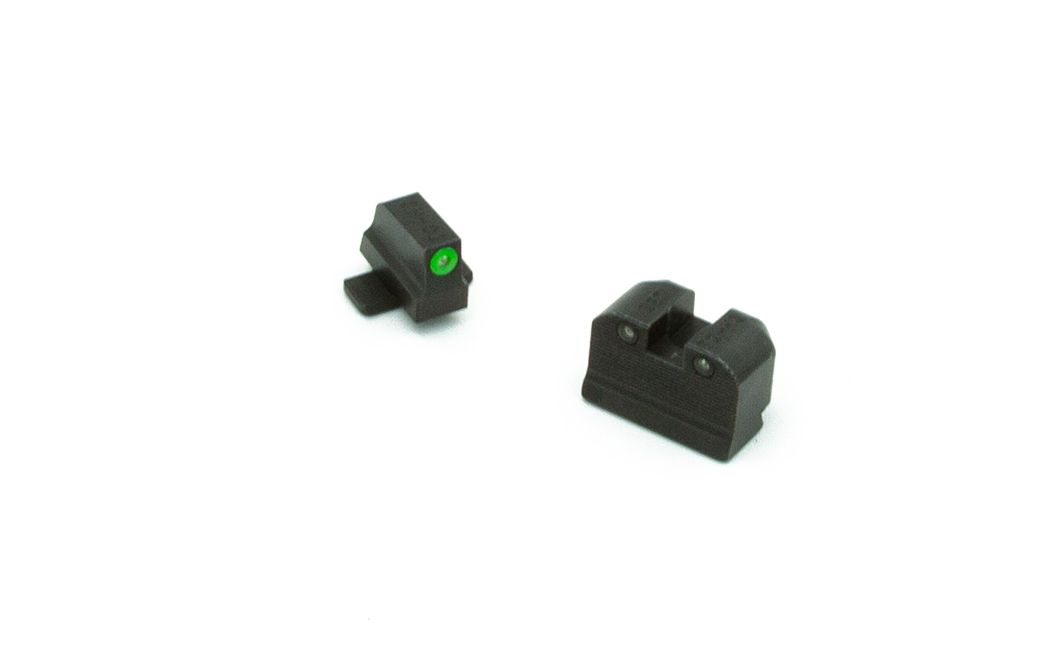
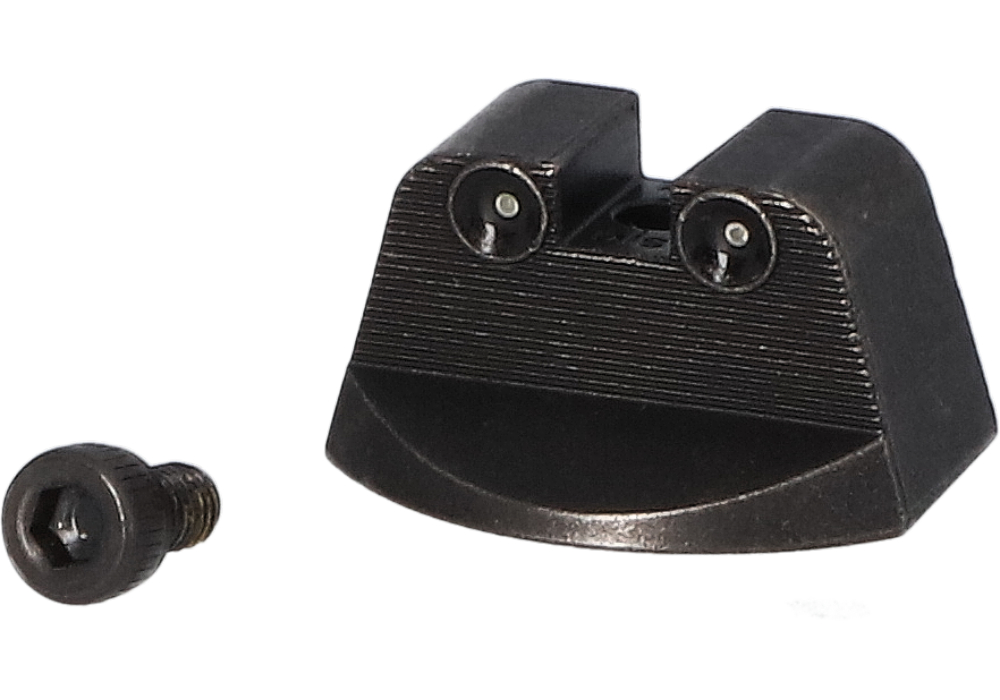
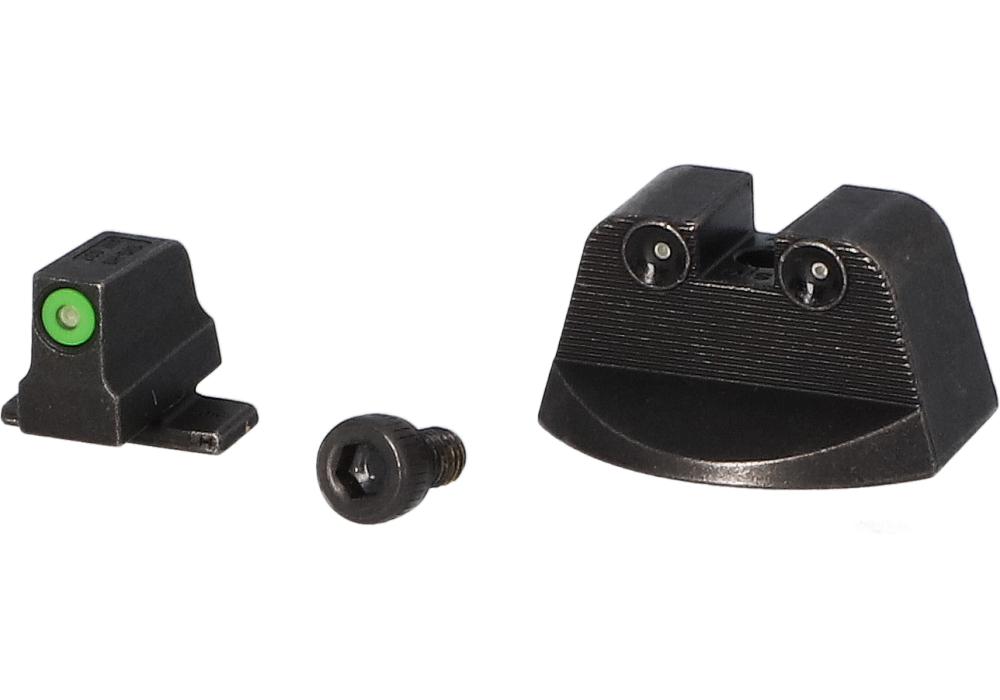
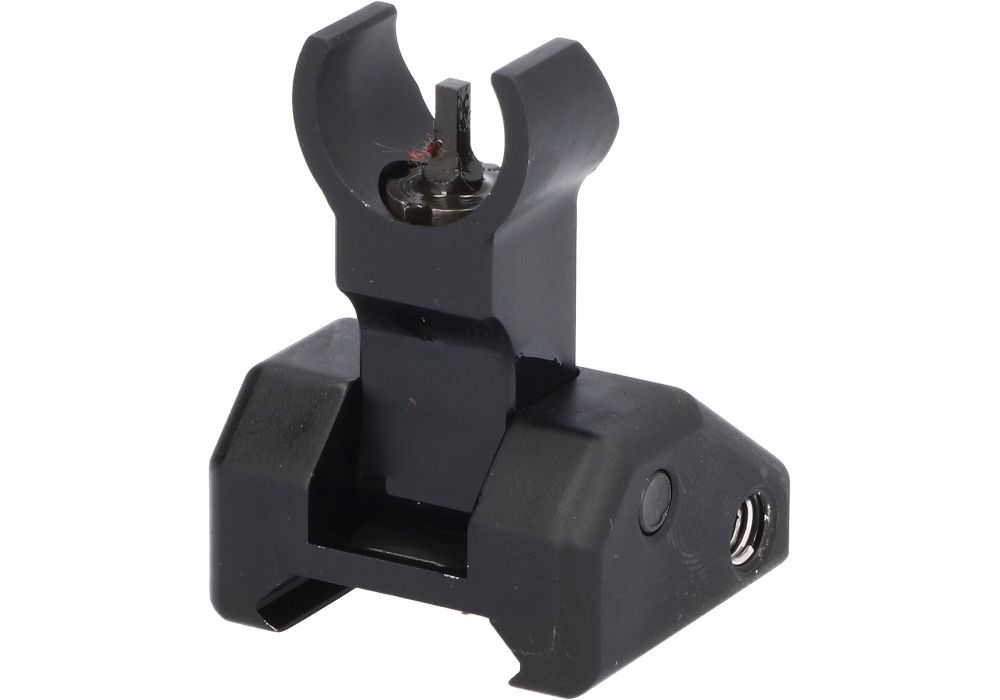
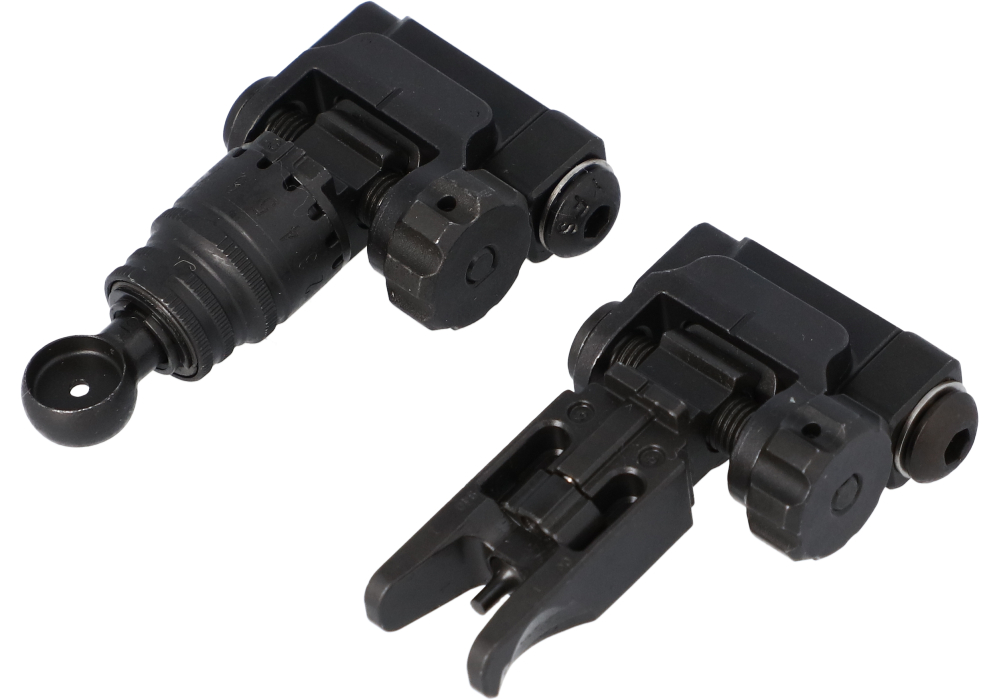
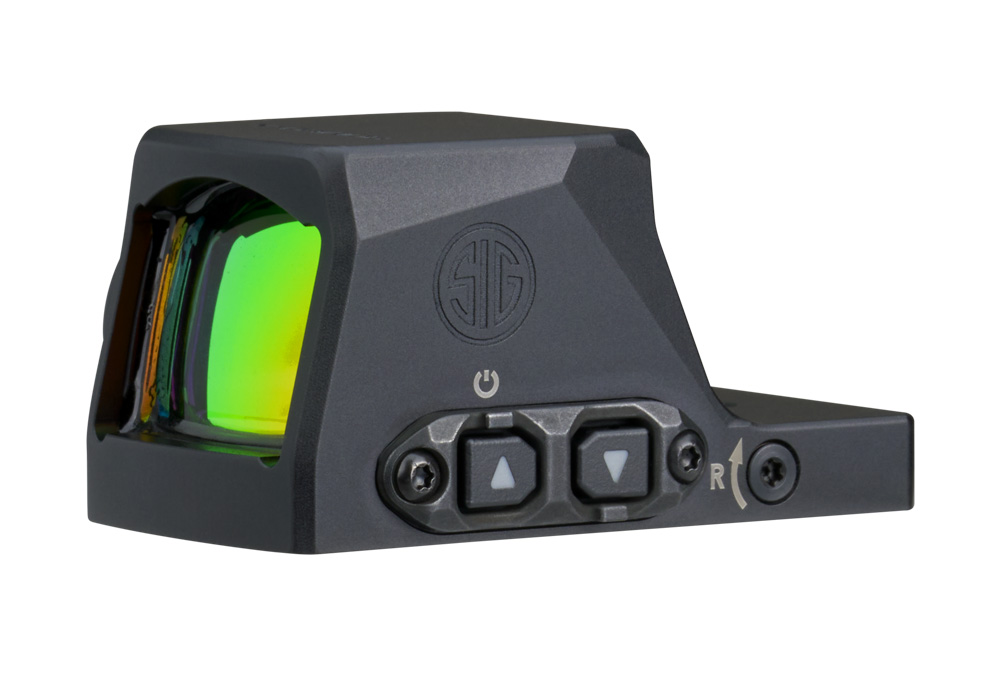
Backup sights for precision shooting provide a secondary aiming system when a primary optic becomes unavailable, loses power, or suffers damage. Their value starts with independence: conventional iron sights do not rely on batteries, electronic controls, or an illuminated aiming point. For recreational target shooters, competitors, and hunters with compatible firearms, that mechanical simplicity offers reassurance without necessarily adding much bulk. Precision-oriented backup sights combine a clearly defined front aiming reference, a consistent rear sight picture, secure mounting, and adjustments that hold their settings. They are not a substitute for the magnification or target detail a scope provides, but they can offer a dependable alternative within the limits of the shooter’s vision, equipment, and range conditions. Fixed, folding, and offset designs each serve a different equipment layout. Fixed sights remain upright and available without a deployment step; their straightforward construction can appeal to shooters who prioritize simplicity, although they remain visible around some primary optics. Folding sights sit close to the mounting surface when stowed, helping preserve an uncluttered view and leaving more room around an optic. Their usefulness depends partly on whether the surrounding equipment allows them to open fully. Offset sights sit to the side of the firearm rather than directly along its top centerline, providing a separate sighting arrangement that may remain accessible beside a magnified optic. That configuration requires compatible mounting space and deserves particular attention to handedness, controls, and overall fit. No single style is best for every precision shooting setup. The sensible choice is the one that fits the firearm, works alongside the primary optic, and provides a sight picture the owner can see comfortably and consistently. A compact folded profile looks appealing on a product page, but accessible controls and a distinct front sight often matter more once the equipment is on a busy outdoor bench.
Compatibility is the first purchase consideration, ahead of finish, weight, or appearance. Front and rear sights need compatible heights, and their mounting requirements must match the firearm’s intended attachment surfaces. A familiar rail interface alone does not establish that every combination will work: rail position, sight height, handguard design, and the space beneath or behind an optic can all affect suitability. Some front sights are intended for a different mounting height than others, so manufacturer specifications deserve a close read before choosing individual components. A matched front-and-rear set can simplify selection, while separate sights may suit an existing arrangement when their dimensions are confirmed. With certain nonmagnifying optics, compatible iron sights can be visible through the optic window, an arrangement commonly called co-witnessing. Whether they appear near the center or lower portion of that window depends on the complete mounting configuration. Co-witnessing does not mean that the electronic aiming point and mechanical sights automatically share a confirmed zero, and a conventional magnified scope generally presents different clearance and access considerations. Beyond fit, the details that support precision are often modest: a front post with a crisp outline, a rear aperture that remains easy to resolve, and adjustments with positive, repeatable indexing. A smaller aperture can provide a more defined sight picture in favorable light, while a larger opening may be easier to view as light fades; individual eyesight makes that balance personal. Tool-free adjustments offer convenience, but protected, tool-operated adjustments can be equally sensible when resistance to unintended movement is the priority. Check which component provides windage or elevation adjustment and whether any required tool is included. Published folded dimensions, deployed height, mounting hardware, and package contents are more useful than a broad claim of universal fit. For gift purchases, those same details are essential: knowing the recipient’s exact firearm and optic configuration is far more valuable than guessing from appearance.
Materials and construction help determine how backup sights feel, wear, and hold up to regular handling. Steel can provide substantial strength in compact components, aluminum can reduce weight, and reinforced polymer can offer a lightweight option, but material alone does not establish overall quality. The mounting interface, hinge design, protective ears, fasteners, and finish all contribute to durability. On folding sights, a secure stowed position and a stable deployed position are worth particular attention. Spring-assisted and manually raised designs offer different handling characteristics, while a positive locking feature may appeal to owners concerned about movement during transport or use. Exposed mounting locations can bring their own heat restrictions, especially for certain polymer components, making the manufacturer’s stated application more important than assumptions based on looks. During the cooler months, damp cases, cold fingers, and gloves make small design differences easier to appreciate. A release that is comfortable in a warm showroom may feel less accessible beside an optic mount on a chilly range morning. Likewise, a finish that limits distracting reflections and resists corrosion can be more useful than a decorative detail. Shooters who regularly contend with wet weather, dust, or rough transport can also explore Backup Sights For Extreme Conditions for related options suited to demanding environments. For precision-focused buyers, the goal is not simply to add another accessory; it is to choose a secondary system that earns its space through compatibility, visibility, and dependable construction. Occasional range visitors may value straightforward controls and modest weight, while frequent competitors may give closer attention to folded clearance, repeatable positioning, and how the sights coexist with other equipment. Hunters may place greater emphasis on weather resistance and a snag-resistant profile, where the firearm supports this type of sight. Across these uses, a well-chosen set should feel like a considered part of the firearm rather than an afterthought. Compare the specifications with the same care given to the primary optic, allow for professional installation when appropriate, and choose the sight picture that suits the owner’s eyes rather than the most elaborate feature list. The strongest purchase is usually the one that meets a clearly understood need without introducing unnecessary complexity.