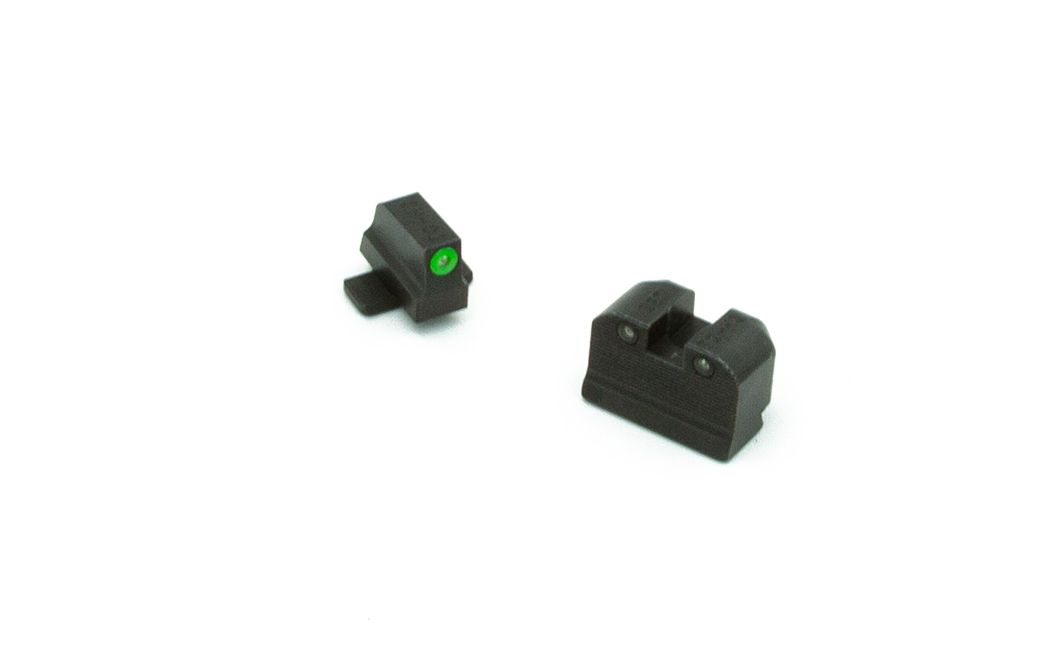
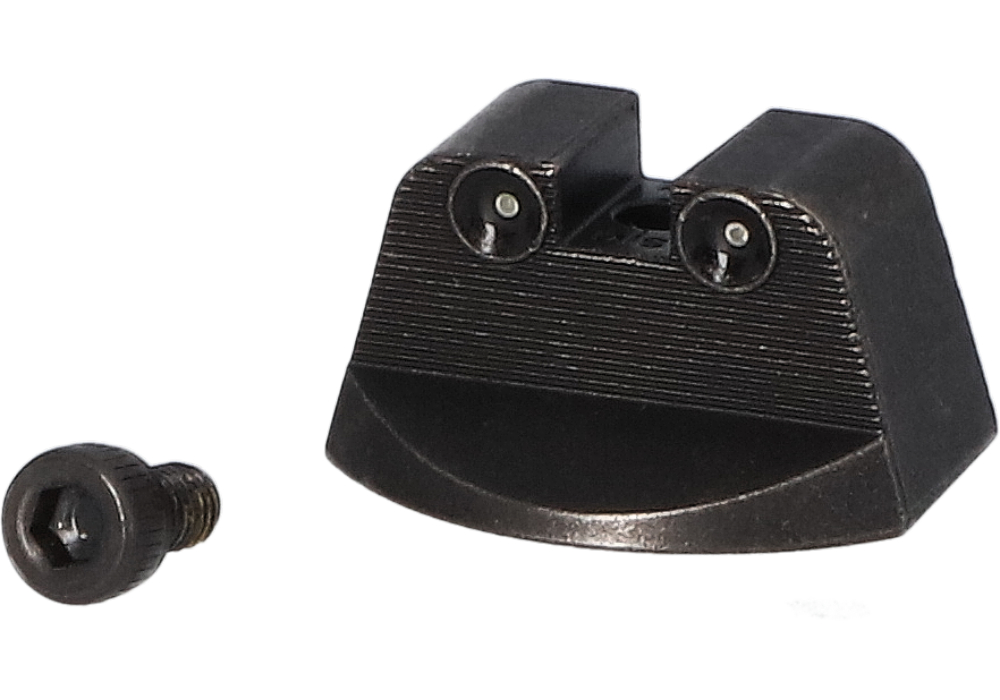
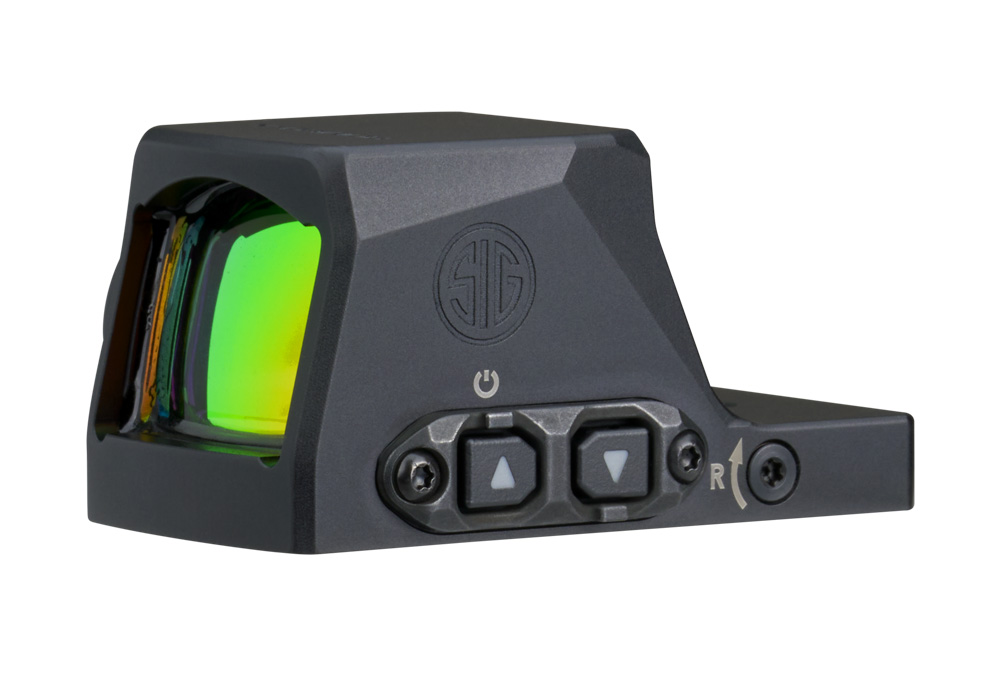
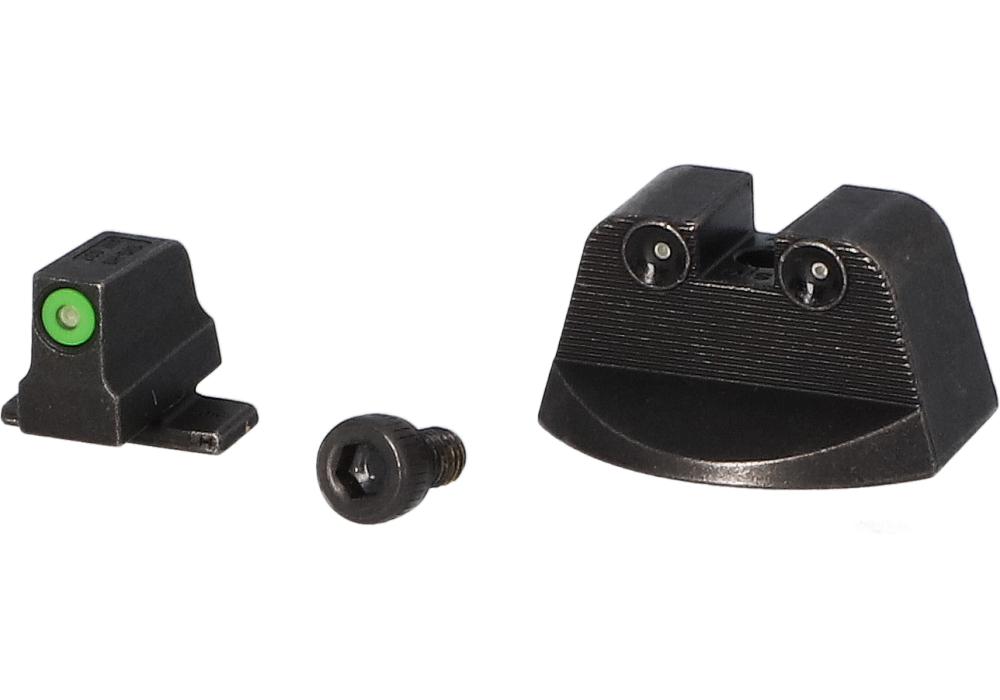
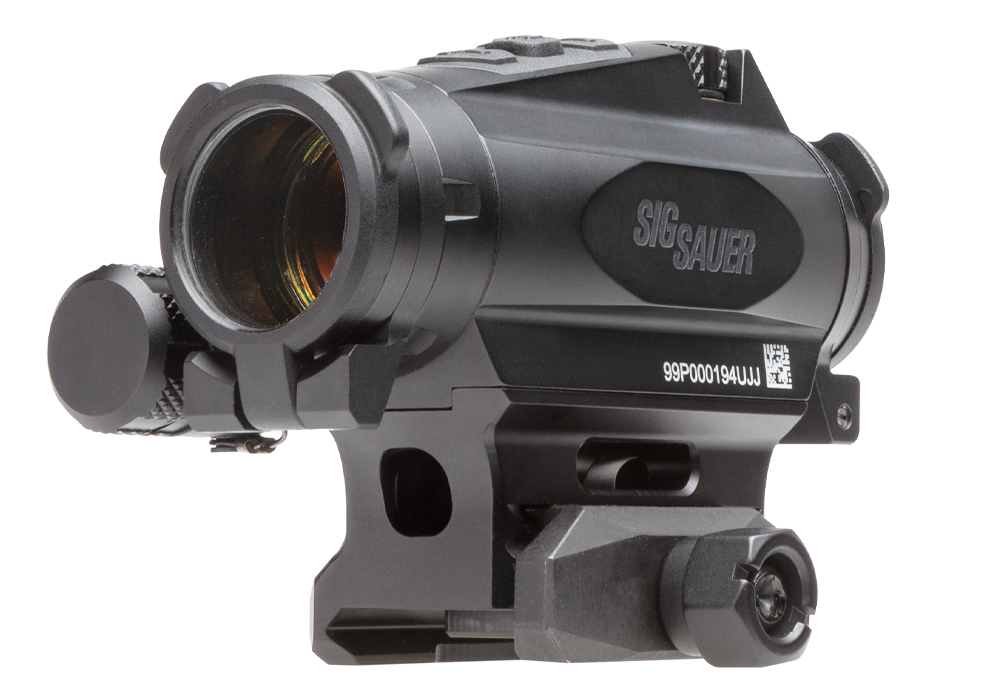
Backup sights for extreme conditions provide a dependable mechanical reference when weather, impact, battery life, or equipment changes make a primary optic difficult to use. Even durable electronic and magnified optics can be affected by heavy rain, blowing dust, mud, condensation, freezing temperatures, or a lens damaged during transport. A set of well-chosen backup iron sights adds redundancy without adding much weight, giving a shooter another aiming option when the unexpected occurs. This is especially valuable for rifles carried through dense brush, rocky terrain, remote backcountry, training environments, or demanding duty conditions where access to replacement batteries, tools, or a clean workbench may be limited. In the field, small details matter: a sight that remains upright after a hard bump against a vehicle, a low-profile design that does not catch on a sling or pack strap, and adjustment controls that can be understood by feel are all practical advantages. Backup sights are also useful for maintaining familiarity with a mechanical aiming system. Regular practice with them helps build confidence before a malfunction, obstructed optic, or sudden change in visibility makes that capability necessary. For those assembling a rifle for a first serious range setup, preparing a dependable training firearm, or giving a practical gift to an experienced shooter, backup sights can be a thoughtful addition because they support preparedness without changing the rifle’s primary purpose.
The best configuration depends on the optic, mounting height, rail space, and the way the rifle is carried. Fixed iron sights stay in the upright position and are ready whenever the rifle is shouldered, making them a straightforward choice for setups using a red dot or other optic with a compatible co-witness arrangement. They offer a constant reference and fewer moving parts, which can appeal to users who prefer a simple, always-visible backup. Folding or flip-up sights can lie flat beneath or behind a primary optic and deploy when needed, helping preserve a clear sight picture while accommodating a magnifier or larger optic. When choosing a folding model, consider how securely it locks in both positions, whether it can be operated while wearing gloves, and whether its folded height leaves sufficient clearance for the rest of the sighting system. Offset sights take a different approach by placing the mechanical sights at an angle, allowing the rifle to be rotated slightly when the primary optic is fogged, obstructed, or no longer usable. This arrangement can be useful when a large optic occupies the centerline, although it requires practice with the rifle’s altered presentation and should be checked for compatibility with slings, controls, and nearby accessories. Across all configurations, look for robust construction, corrosion-resistant finishes, clearly defined sight posts and apertures, and a profile that balances strength with snag resistance. Machined aluminum or steel components may provide a reassuring level of durability for hard use, while secure mounting hardware and a properly fitted rail interface are just as important as the sight material itself.
Extreme-condition equipment should be selected with the entire rifle and its environment in mind. A sight intended for a lightweight sporting rifle may not be the right fit for a carbine carried through wet vegetation, abrasive sand, or repeated vehicle transport. Examine the available windage and elevation adjustment system, including whether changes can be made by hand, with a standard field tool, or only with a specialized instrument. Tool-free or tool-assisted adjustments can be convenient during zeroing and maintenance, but positive detents and a design that resists accidental movement are essential when the rifle is handled roughly. Check the sight’s folded and deployed dimensions against the optic, mount, handguard, and rail covers, and confirm that the mounting position leaves enough room to access the rifle’s controls. Before relying on any backup sight, secure the fasteners according to the manufacturer’s specifications, establish a confirmed zero, and verify that the sight returns consistently to its intended position after folding or removal. Storage also matters during the cooler months: condensation can form when a cold rifle moves into a warm space, so allowing equipment to dry fully and inspecting hardware for corrosion helps preserve reliable operation. Those comparing this category with other configurations may also find useful options in Backup Sights For Tactical Applications. Whether kept on a home-defense rifle, a training carbine, or a rifle carried far from immediate support, properly matched backup sights offer a compact layer of readiness that remains valuable long after the range session ends.