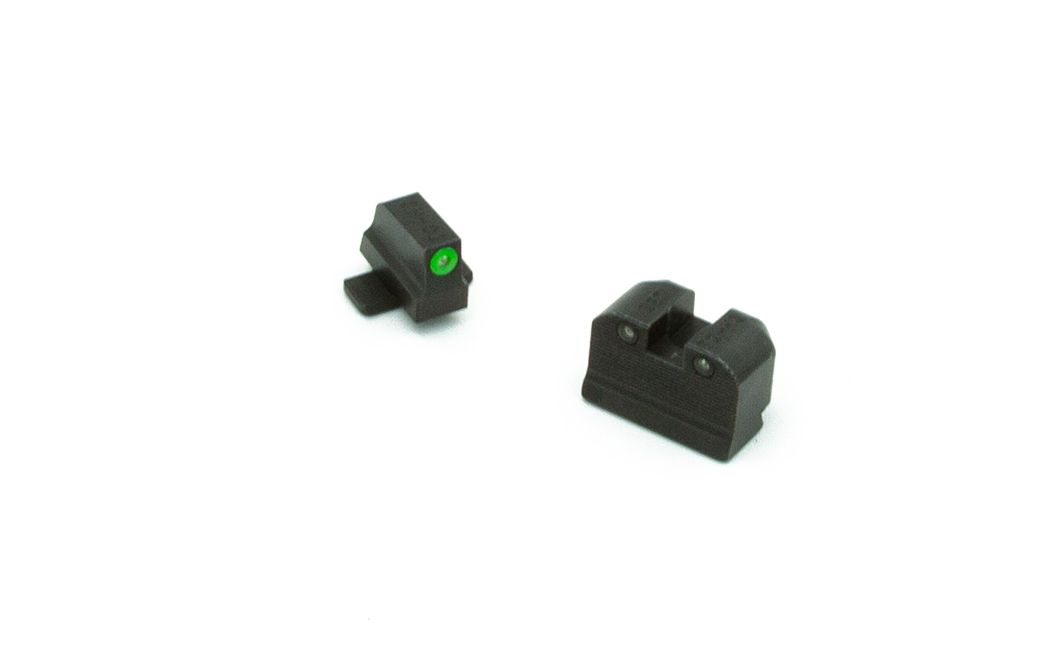
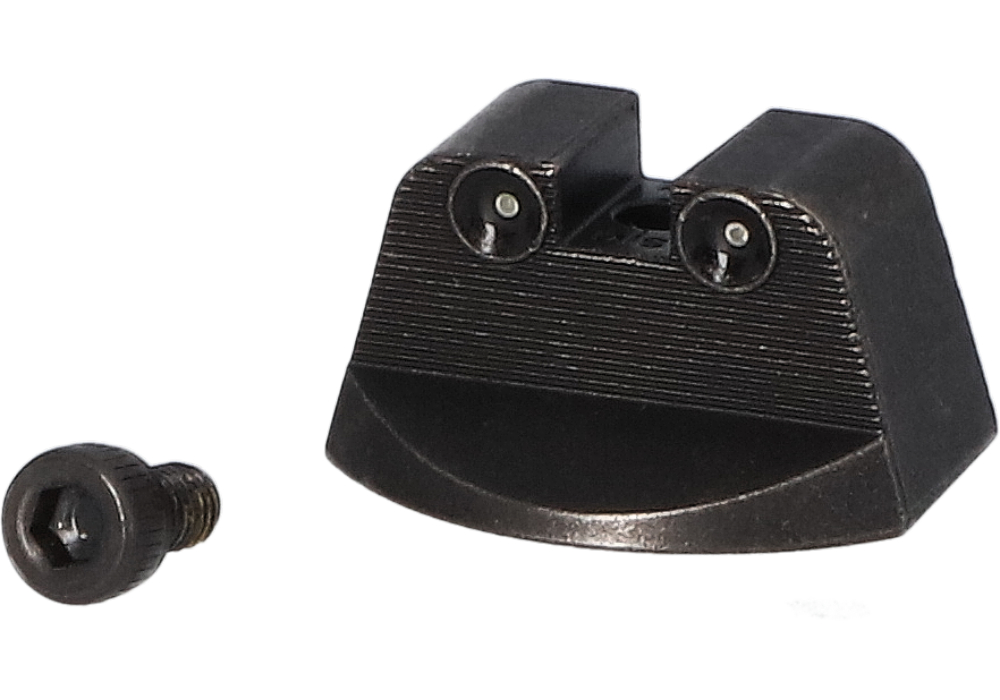
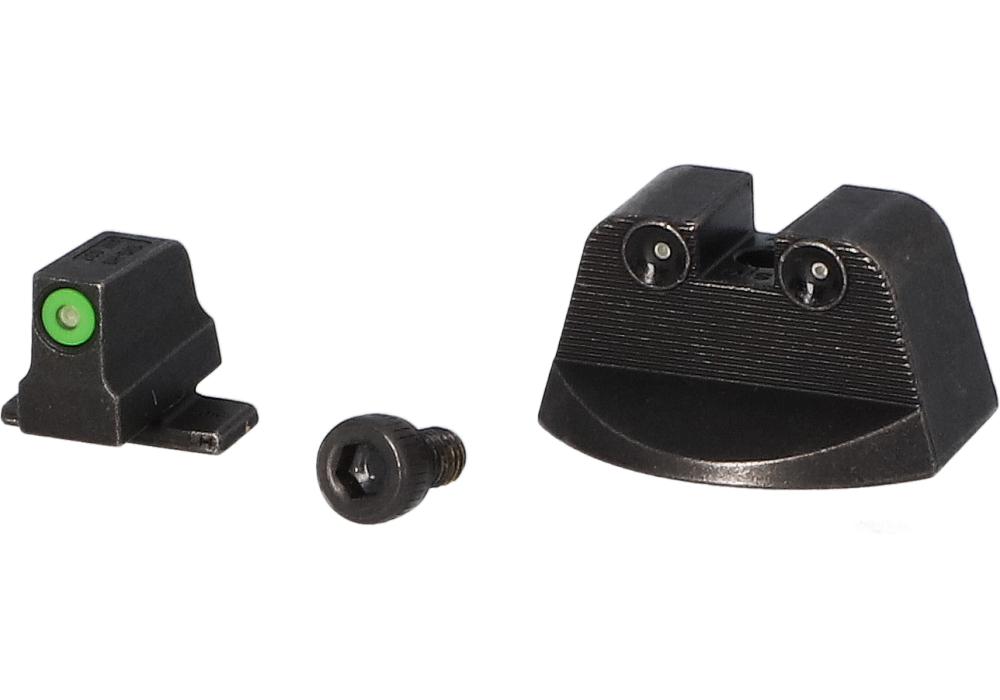
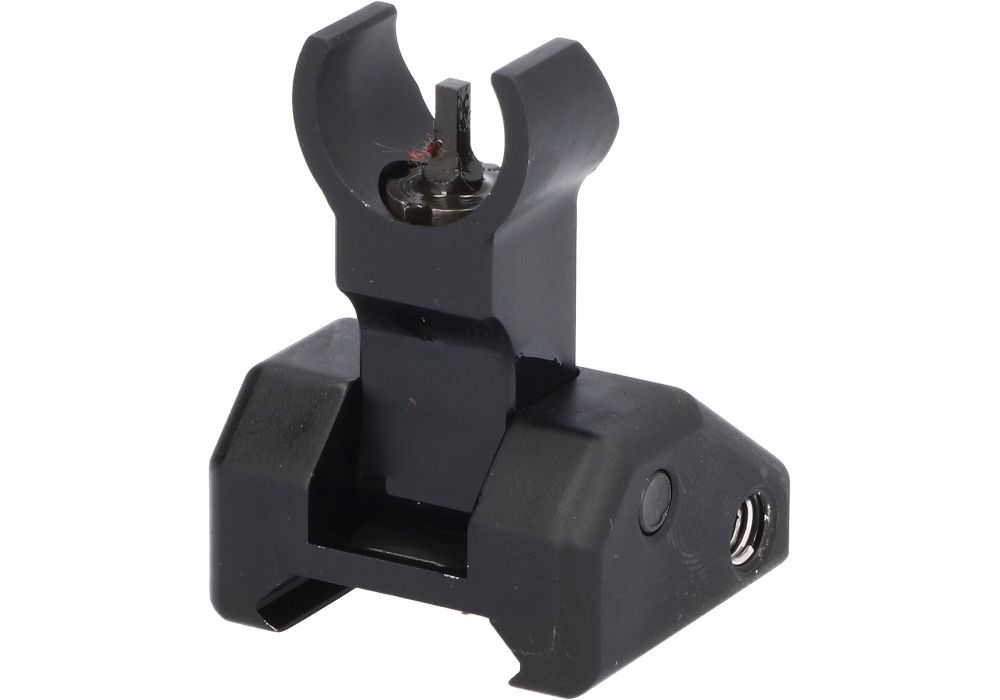
Backup sights for tactical applications provide a dependable secondary aiming system when a primary optic is unavailable, obstructed, or no longer performing as expected. A battery can run low, an electronic optic can experience a fault, a lens can fog in changing weather, or an impact can shift or damage the primary sight. Backup iron sights, often called BUIS, help keep a properly configured rifle operational through those disruptions. They are commonly selected for duty rifles, defensive carbines, training platforms, competition setups, and recreational firearms used in demanding outdoor environments. Their purpose is straightforward: provide a durable reference for aiming without adding unnecessary complexity or interfering with the rifle’s main sighting system. When choosing a set, consider the rifle’s rail space, the height of the primary optic, the available sight radius, and the position of other accessories. A fixed sight remains upright and ready for use at all times, making it a practical choice for an unmagnified red dot arrangement where the iron sights can align through the optic window. A folding sight lies flat when not needed and can be deployed when the primary optic is obstructed or removed, which is useful on rifles equipped with a magnifier, low-power variable optic, or larger objective lens. Folding designs also help preserve a clear sight picture and leave room for transport, storage, and routine maintenance. Construction matters as well. Reinforced polymer can provide a lightweight, cost-conscious option for general range use and many defensive configurations, while steel or aluminum construction may be preferred when the rifle will see frequent handling, hard use, elevated temperatures, or demanding duty conditions. Look for positive locking mechanisms, protected adjustment components, a secure rail interface, and a design that resists accidental movement during transport or recoil.
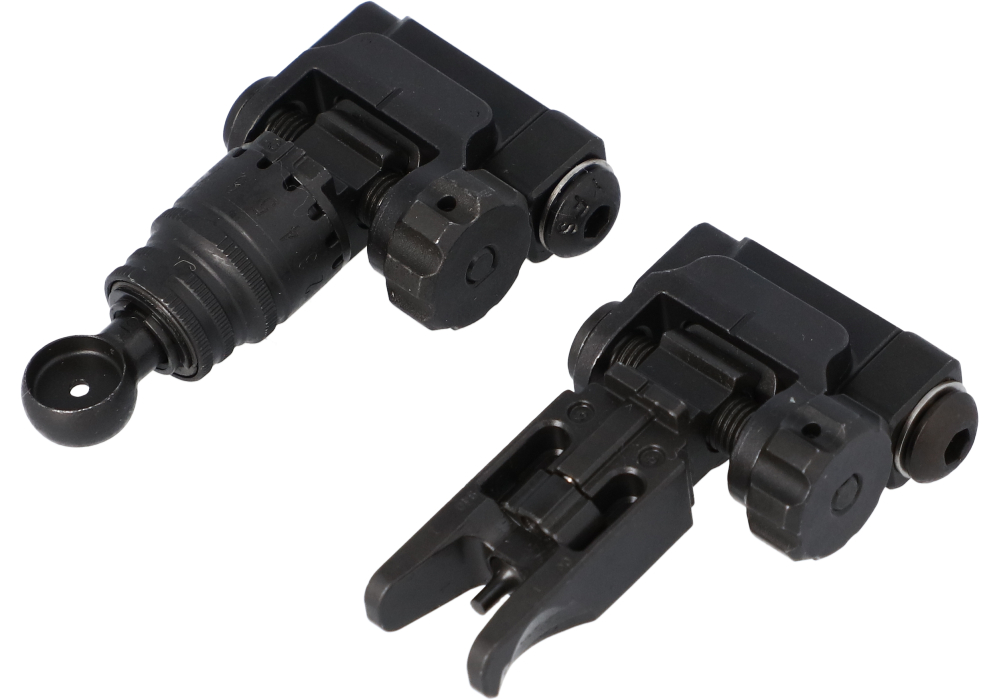
Compatibility between backup sights and the primary optic is one of the most important purchase considerations. A set intended for a red dot sight may not align correctly through a magnified optic, and the correct co-witness relationship depends on the optic mount, rail height, and sight height. Lower-third co-witness arrangements place the iron sights in the lower portion of the optic window, leaving the central aiming point less obstructed while keeping the backup system visible. Absolute co-witness arrangements align the sights more directly through the center of the optic and may appeal to users who want a consistent reference between the two aiming systems. Offset sights offer another solution for rifles with magnified optics. Mounted at an angle, usually to the left or right side of the receiver rail, they allow the shooter to rotate the rifle and transition to a non-magnified sighting system without removing the primary scope. This setup can be useful when a rifle must handle both distance-oriented aiming and rapid engagement at closer ranges, provided the shooter practices the transition and confirms the setup at the intended distance. Pay attention to adjustment style, tool requirements, aperture configuration, front sight post design, and the direction and range of windage or elevation movement. A sight that can be adjusted easily during zeroing but remains protected from accidental changes is especially valuable. Before relying on any backup sight, install it according to the manufacturer’s instructions, verify that it is firmly secured, establish a confirmed zero, and periodically inspect the mounting hardware. A qualified gunsmith or experienced firearms professional can help resolve fitment concerns, especially when combining different rail systems, optic mounts, and sight heights.
These sights are often chosen by professionals who need a redundant aiming method on a patrol or duty rifle, by prepared homeowners who want a simple fallback if an electronic optic stops functioning, and by range users who value a traditional sighting system alongside modern optics. They can also be a thoughtful gift for a new rifle owner, a practical addition to a training-focused setup, or a useful upgrade for someone preparing a carbine for outdoor use during the cooler months, when condensation, rain, glare, and changing light can place additional demands on equipment. A backup sight is not a substitute for practice; it is part of a complete equipment plan that should include safe handling, a properly fitted rifle, reliable ammunition, a confirmed zero, and regular inspection. Training should include deploying folding sights, acquiring the sight picture from a ready position, transitioning from an optic to offset sights when applicable, and confirming that the chosen sight remains usable with the rifle shouldered in the shooter’s normal stance. Store the rifle in a way that protects the sights from unnecessary impact, keep lenses and apertures clear, and check for loosened fasteners after transport or extended firing. For configurations intended for harsh environments, explore Backup Sights For Extreme Conditions for additional options suited to greater exposure and demanding use. With the right combination of construction, sight height, deployment style, and optic compatibility, backup sights add confidence without compromising the primary setup, helping a tactical rifle remain functional when conditions are less than ideal.