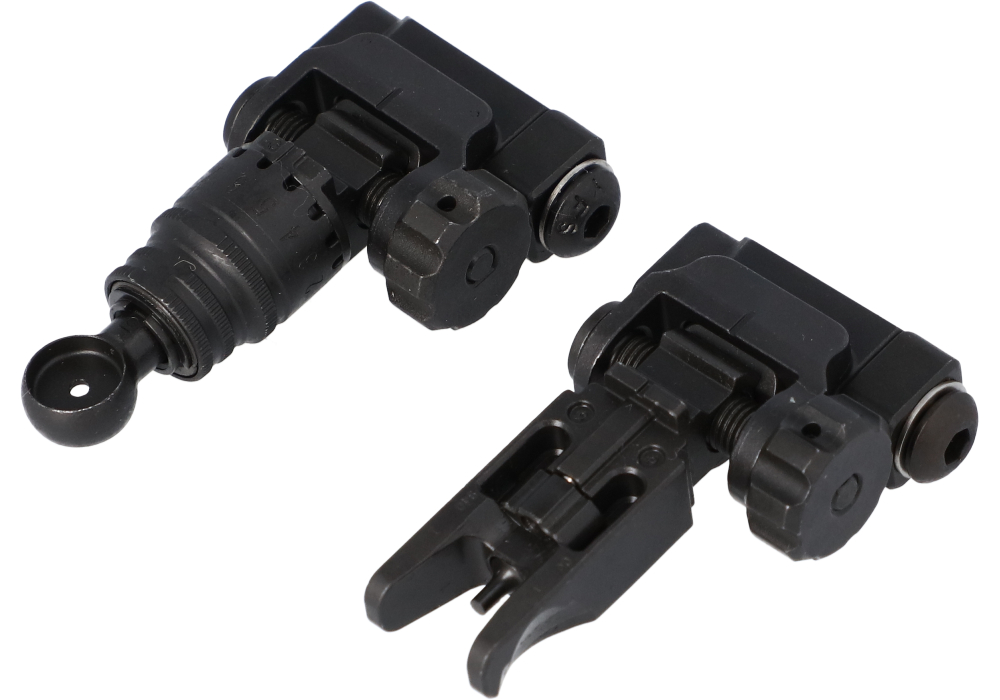
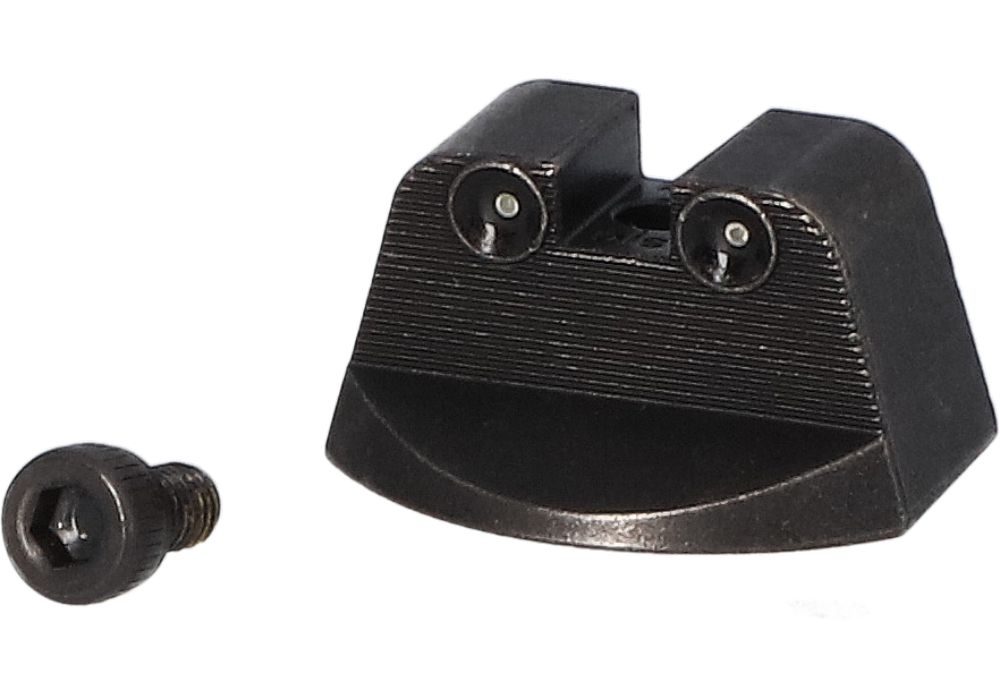
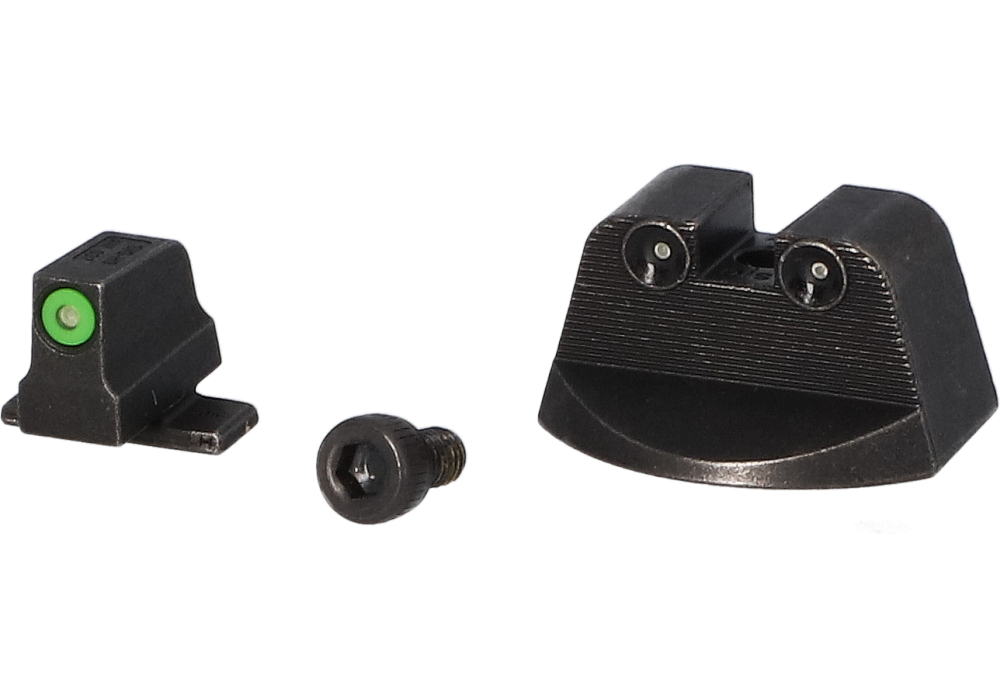
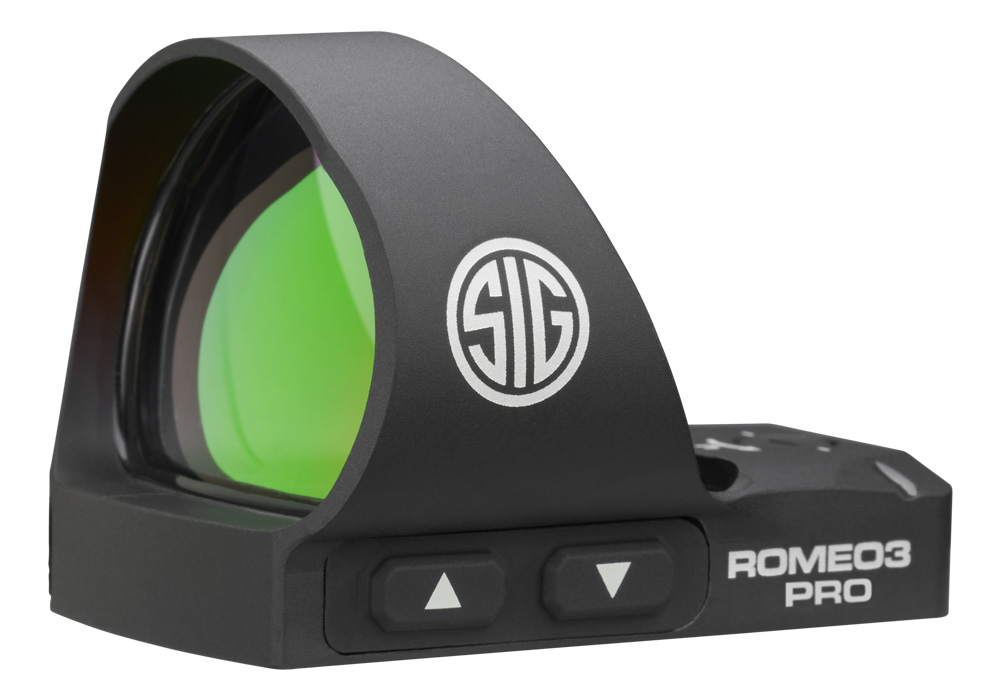
Backup sights provide a mechanical aiming reference when a primary optic loses power, becomes damaged, or stops presenting a usable image. Often called backup iron sights, or BUIS, they give compatible firearms a secondary sighting system that does not depend on an illuminated reticle or battery. Their value is straightforward: a rifle equipped primarily with an electronic optic can still have a separate, familiar reference for sight alignment, provided the overall setup leaves that reference accessible and visible. That distinction matters because backup sights cannot solve every equipment problem. A damaged optic that physically blocks the sight line may also prevent conventional backup sights from being useful. For recreational shooters, instructors, and professionals whose equipment includes a primary optic, thoughtful sight selection can support a more complete, dependable setup without unnecessary bulk. Fixed sights remain upright and eliminate the need to raise a folding assembly, while folding sights can sit close to the mounting surface when not in use. Each approach has practical tradeoffs. A fixed front sight may remain visible in the optic’s viewing window, which some shooters accept readily and others find distracting. Folding designs offer a less crowded profile but introduce hinges and retention components that deserve attention when comparing construction. Offset configurations offer another layout, although compatibility, handling requirements, and the firearm’s intended use need careful consideration. Enhanced performance in this category is less about promising smaller groups and more about preserving a useful sighting option, maintaining consistent visual references, and reducing dependence on a single piece of equipment. A dedicated range rifle, a training firearm, and a professionally issued platform may call for different priorities. The right choice reflects those differences rather than assuming that the lowest profile, tallest assembly, or most elaborate adjustment system is automatically better. A straightforward pair of sights with appropriate fit and a clear sight picture can be more useful than a feature-heavy arrangement that crowds the firearm or interferes with existing equipment.
Fit deserves as much attention as sight style. Front and rear sights need compatible mounting heights and geometry; a secure attachment alone does not establish that two components will function correctly together. Mounting interfaces, usable rail space, optic placement, and clearance around adjacent accessories all influence whether a sight arrangement belongs on a particular firearm. A folded rear sight may need room beneath an optic housing, while a front sight needs a suitable mounting location that meets the sight manufacturer’s requirements. Some configurations permit a view of the iron sights through a compatible optic, commonly described as co-witnessing, but that relationship depends on the optic, mount, and sight heights. It should not be assumed from appearance, and it does not apply equally to every optic type. Product specifications and manufacturer compatibility information are more useful than a general claim that a sight fits most rifles. Materials also shape the ownership experience. Steel can provide strong, wear-resistant components, particularly around areas subject to repeated contact, although it may add weight and still requires appropriate corrosion protection. Aluminum can balance rigidity with relatively low weight, while reinforced polymers offer another balance of weight, resilience, and construction characteristics. Material names alone do not establish quality; protective finishes, component geometry, fastening hardware, and manufacturing consistency all matter. On folding sights, a well-supported hinge and positive retention help the assembly feel secure rather than loose or vague. Protective wings around a front post or rear aperture can help shield those elements from routine contact with cases, benches, and other equipment. Smooth edges and a compact profile can also reduce snagging against a sling or the lining of a transport case. Adjustment controls should suit the intended owner, with markings that are understandable and a mechanism that retains its setting during ordinary use. Tool requirements are worth checking as well: a sight that needs a particular adjustment tool adds another small but important consideration to long-term care and ownership.
Everyday usability often becomes clearer during supervised practice than during an initial visual inspection. A sight can look compact and sturdy yet present an aperture or front-post profile that feels indistinct to a particular shooter. Eyesight, corrective lenses, and individual preferences affect how clearly those references appear, so no single sight picture works equally well for everyone. Openings, protective ears, and adjustment housings should be considered together rather than as isolated features. For a rifle that spends most of its time in a padded case and on a range bench, convenient storage and uncomplicated upkeep may be priorities. Equipment carried regularly may place greater emphasis on protected components, secure retention, and freedom from interference with a sling or other accessories. Shoppers considering duty-oriented equipment can also explore Backup Sights For Tactical Applications, with the same attention to compatibility and a usable sight picture. Whatever the intended role, care should follow the manufacturer’s directions. Before inspection or cleaning, confirm that the firearm is unloaded and follow established safe-handling practices. Remove surface debris with suitable cleaning materials, avoid abrasive treatment of protective finishes, and use only the lubricants recommended for the sight’s construction. Hinges, adjustment mechanisms, and attachment hardware benefit from periodic inspection, especially after transport or maintenance. Loose components, visible deformation, or inconsistent movement call for evaluation by a qualified professional rather than an assumption that the sight remains serviceable. Installation and confirmation of sight settings should likewise follow the relevant manufacturer instructions, with qualified assistance when needed and verification at an authorized range. Backup sights are not a substitute for familiarity, sound judgment, or regular equipment checks. Their strongest contribution is a dependable secondary reference that the owner understands and can maintain. Selecting them with the complete firearm setup in mind helps keep the emphasis where it belongs: clear visibility, compatible construction, durable function, and confidence grounded in practice rather than appearance alone.