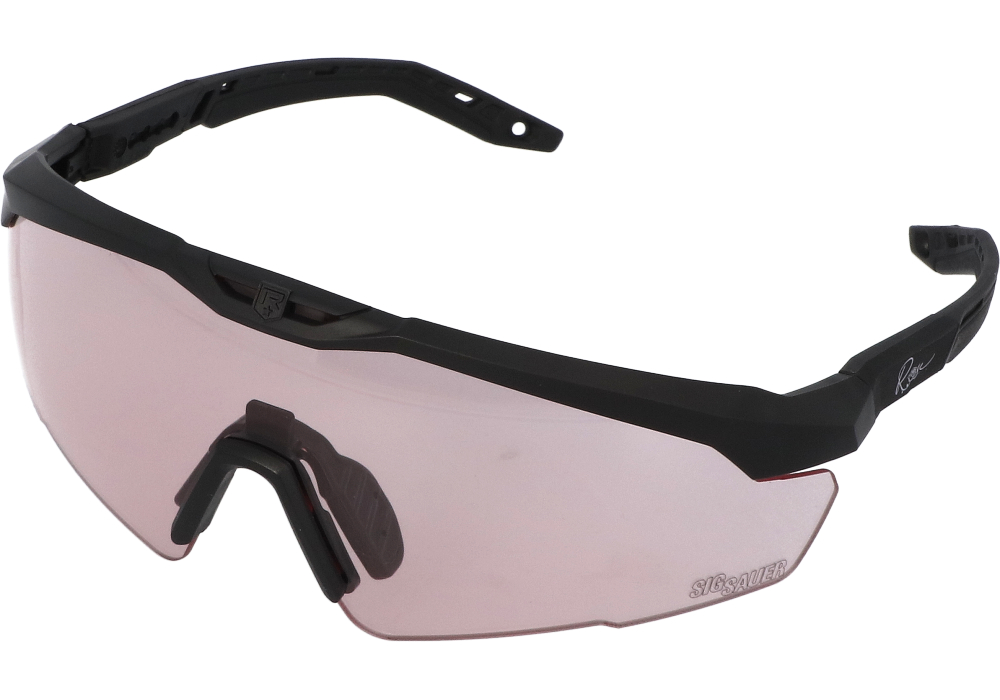
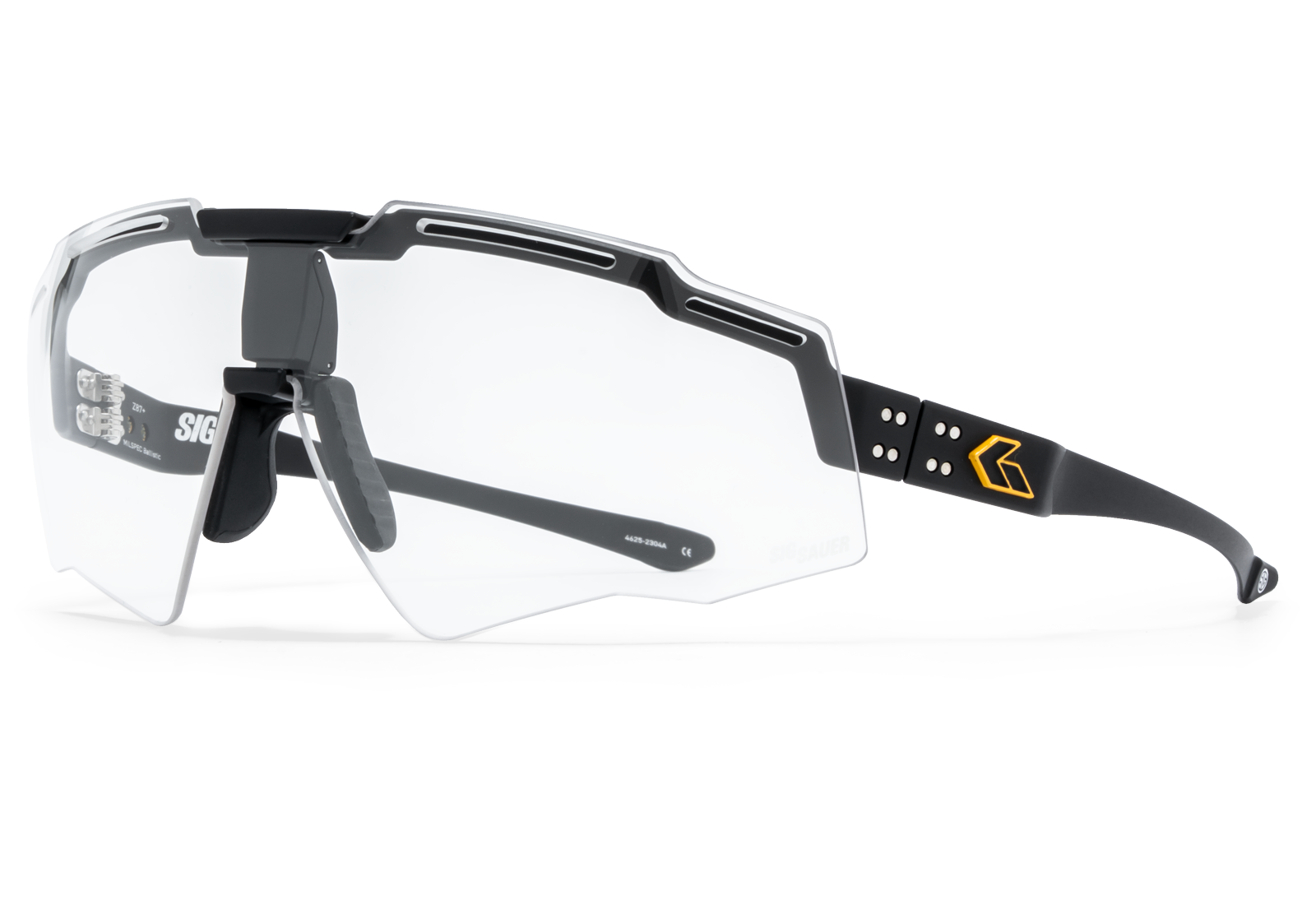
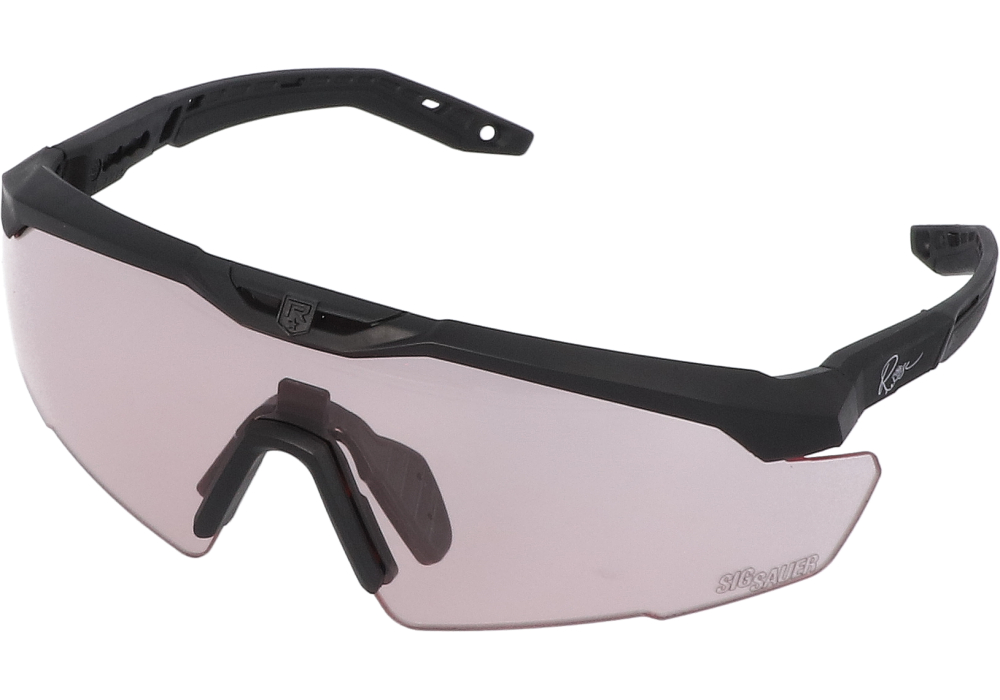
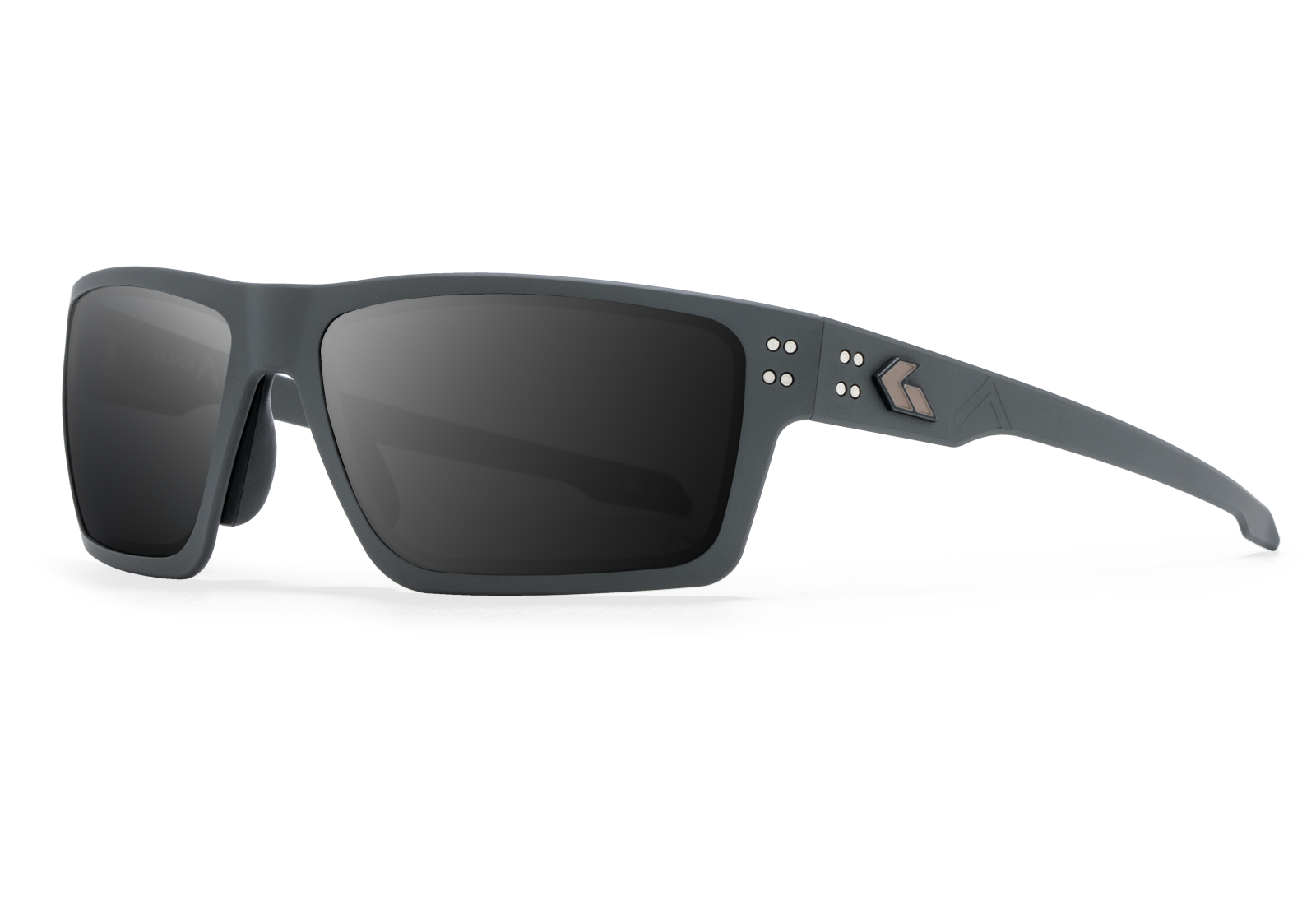
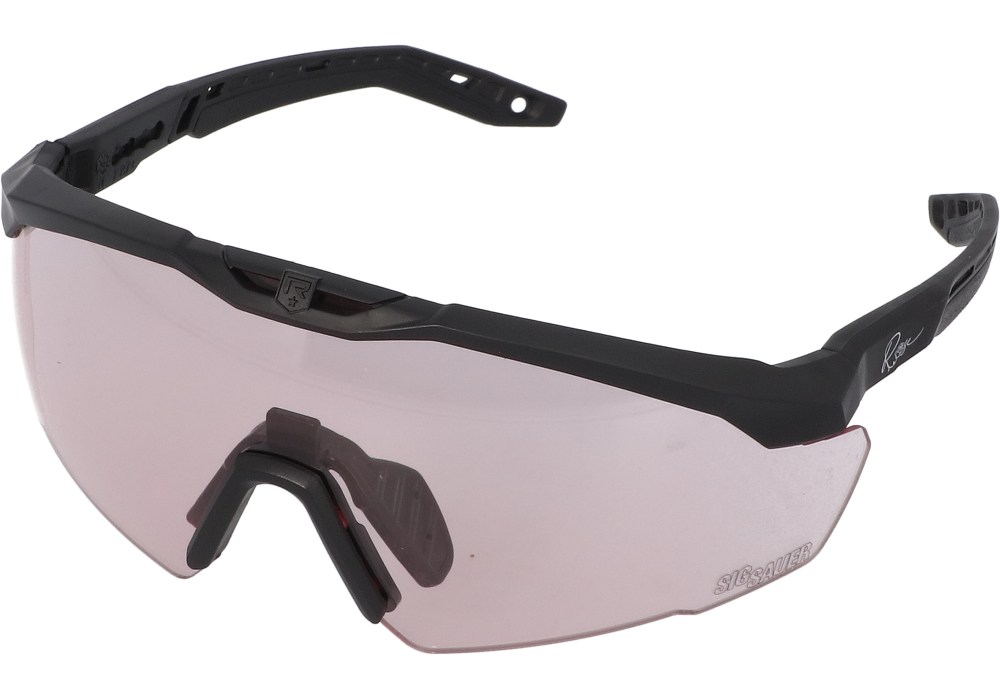
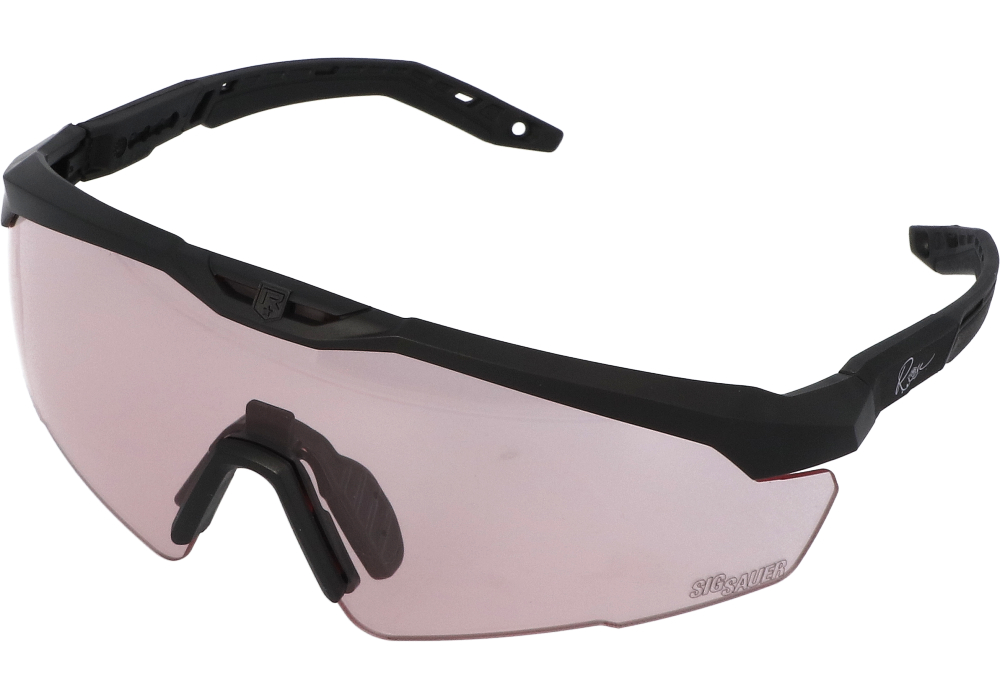
Ballistic protection shooting glasses are protective eyewear designed to help shield the eyes from impact hazards such as ejected cartridge cases, flying debris, and fragments encountered around firearms. Their essential qualities are documented impact resistance, clear optics, and a secure fit that keeps protective coverage in place throughout a shooting session. They are not bulletproof, and they do not replace safe firearm handling, suitable targets, or range rules. For range practice, competition, and firearms instruction, the distinction between ordinary sunglasses and tested protective eyewear matters: a dark lens or rugged-looking frame does not establish ballistic performance. Ballistic specifications and occupational safety standards are not interchangeable, either. ANSI/ISEA Z87.1 high-impact requirements and military ballistic specifications, such as MIL-PRF-32432, involve different test methods and criteria. Product documentation should identify the applicable standard for the complete eyewear assembly, rather than relying on a general description of the lens material. Polycarbonate is commonly used in protective lenses because it combines low weight with strong impact resistance, but the finished lens, frame, and retention design determine how a pair performs under testing. Durable polymer frames can provide flexibility without unnecessary bulk, while well-finished contact surfaces help keep extended wear comfortable. Wraparound shapes and suitable side coverage reduce exposed areas around the eyes, although coverage still depends on individual facial features. Optical quality deserves equal attention. Distortion near the edges of a lens can be distracting when moving between targets, and poor clarity can interfere with a clean view of a front sight or aiming point. Protective eyewear should support a consistent view without forcing an awkward head position to find a usable section of the lens. For shooters who spend time checking targets, loading magazines, and working through supervised drills, dependable eye protection needs to remain comfortable and useful throughout the entire session, not just while looking downrange.
Fit is what brings those protective features together. Shooting glasses should sit securely across the bridge of the nose, with temples that hold their position without pinching behind the ears. Lenses that sit too far forward can leave unnecessary gaps, while a frame that touches the cheeks may shift during speech or interfere with a comfortable shooting position. Coverage above, below, and beside the eyes matters alongside the view straight ahead. For shooters who need a more individualized fit, Adjustable Shooting Glasses can offer options for refining how eyewear sits on the face. Adjustable nosepieces and temple features, where specified, can help accommodate different facial proportions and equipment combinations. Compatibility with hearing protection is especially important. Thick temples may press beneath earmuff cushions, creating discomfort or interfering with the seal, so slim, smooth temple profiles can be useful for shooters who wear over-ear protection. A secure fit also helps when moving between standing, seated, and supported positions or turning toward a range officer for instructions. Prescription needs require similar attention: purpose-built prescription protective eyewear or a compatible insert system should retain the documented protection of the intended assembly. Ordinary prescription glasses should not be assumed to provide ballistic protection, and wearing protective eyewear over them requires enough room to avoid contact, pressure, or restricted vision. Lens selection then fine-tunes visibility for the setting. Clear lenses are often practical for indoor lanes, while appropriately tinted lenses can reduce brightness on open-air ranges. Contrast-enhancing tints may change how target colors appear, so personal preference and the shooting environment both matter. Lens darkness alone does not establish ultraviolet protection; that feature should be stated separately. Anti-fog treatments and ventilation features can help manage lens haze associated with exertion and close-fitting equipment, but their effectiveness depends on the design, fit, and condition of the eyewear.
Long-term usefulness depends on care as much as initial construction. Shooting environments can leave lenses coated with dust, fine grit, and residue, and rubbing a dry lens with a shirt sleeve can grind those particles across the surface. Cleaning should follow the eyewear manufacturer’s directions, using compatible solutions and a clean, soft cloth rather than household glass cleaners or abrasive materials. Where rinsing is permitted, removing loose particles before wiping helps preserve the lens surface. Scratch-resistant treatments can improve everyday durability, but they do not make lenses scratchproof, and anti-fog coatings may have specific cleaning requirements. A protective case keeps lenses away from loose tools, cartridge cases, and other hard objects inside a range bag. Storing eyewear clean and dry also helps keep the next session from beginning with smeared lenses or grit around the nosepiece. Regular inspection should include lens edges, attachment points, hinges, and contact surfaces, not just the center of the viewing area. Cracks, deep scratches, looseness, or damage following a significant impact are reasons to stop using the eyewear and follow the manufacturer’s replacement guidance. Replacement lenses, nosepieces, and other components must be compatible with the specific frame; mixing parts can affect fit and invalidate the protection associated with the tested assembly. For frequent range visitors, instructors, competitive shooters, and recreational firearm owners, these practical details distinguish eyewear that stays comfortable and serviceable from a pair that becomes a distraction. Protective glasses can also be a thoughtful gift for someone taking a first range class or building a regular practice routine, provided the choice accounts for facial fit, prescription requirements, and hearing protection. A suitable pair supports familiar tasks—reading a target number, checking equipment, and maintaining a clear sight picture—while keeping eye protection an integral part of range preparation. Documented performance, appropriate coverage, comfortable fit, and straightforward care remain the most useful qualities to prioritize.