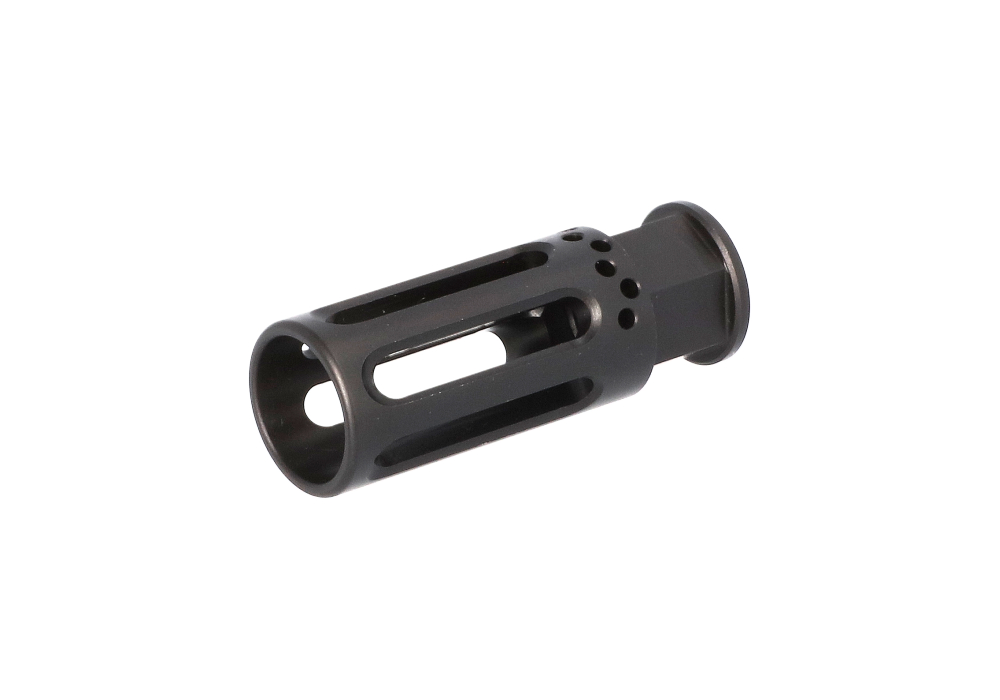
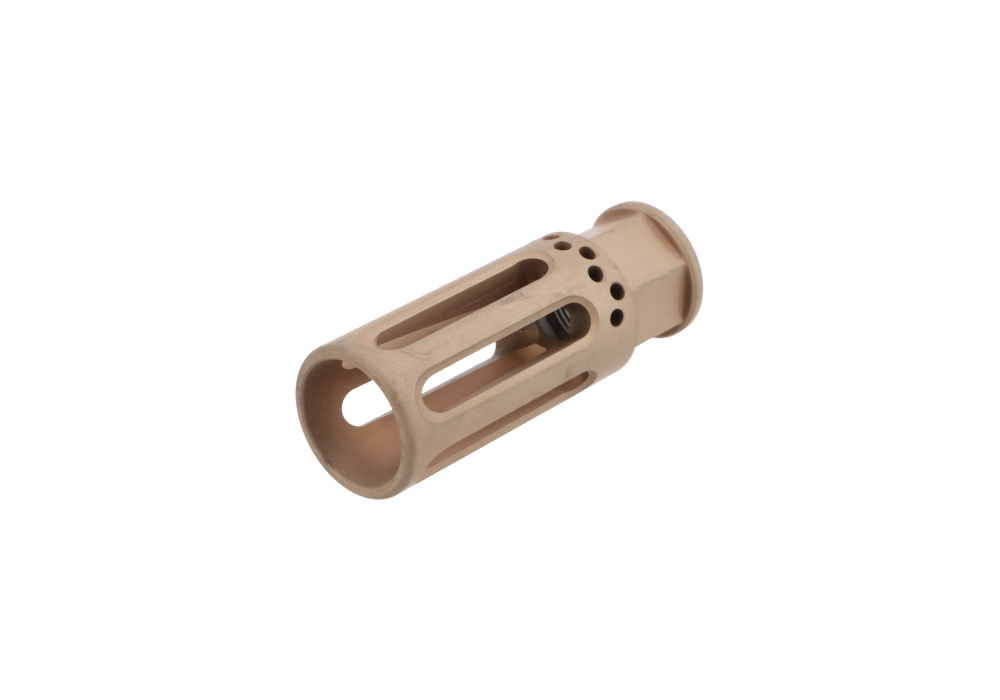
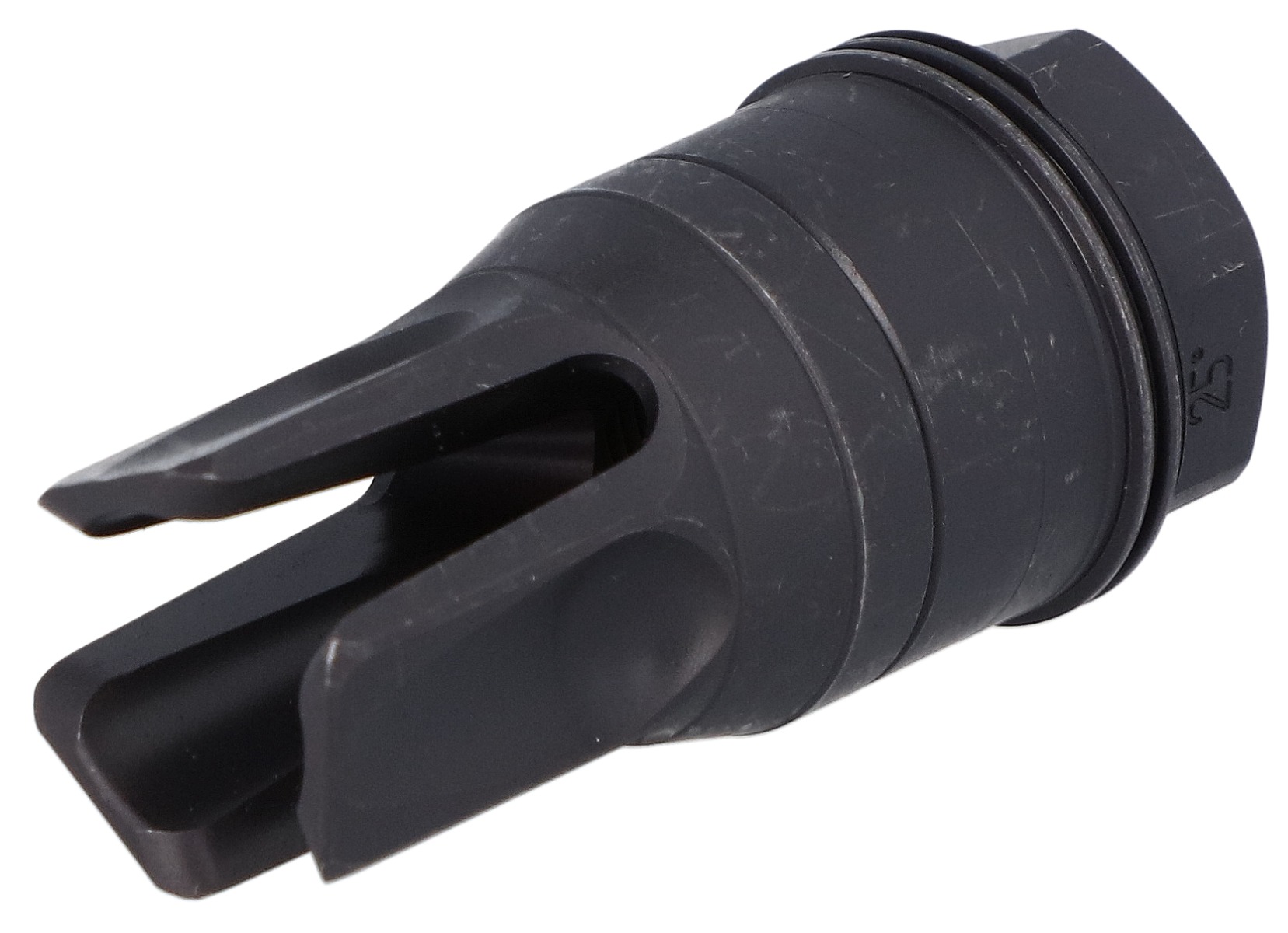
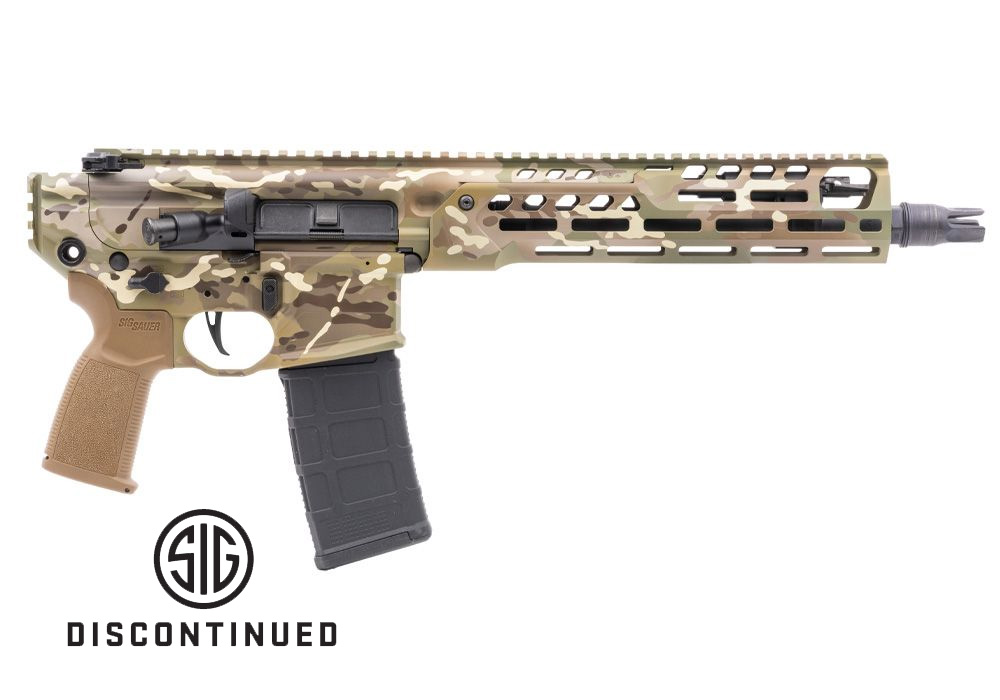
Barrel flash hiders, also called flash suppressors, are muzzle devices designed to reduce the visible burst of light that can appear when a firearm is fired. As a cartridge burns, expanding gases and unburned powder exit the barrel behind the projectile. In low-light conditions, those hot gases can create a bright muzzle flash that briefly affects the shooter’s vision and makes it more difficult to maintain a clear sight picture for a follow-up shot. A flash hider uses carefully shaped openings, prongs, slots, or vents to disperse and cool those gases as they leave the muzzle. The result is not complete flash elimination, but a less noticeable flash and a more comfortable shooting experience when working in dim conditions. This can be especially useful for recreational shooters practicing at dusk, hunters who may be active during the cooler months, and professionals or prepared citizens who train in changing light. A flash hider may also help reduce the visible signature of a shot, although it should never be treated as a device that makes a firearm hidden, silent, or undetectable. Its primary purpose is managing muzzle flash while preserving the normal handling characteristics of the firearm. Unlike a muzzle brake, which redirects gases to reduce felt recoil, a standard flash hider generally provides little recoil reduction. That distinction matters when comparing muzzle devices, since each design is built around a different priority. Shooters seeking a traditional, practical configuration often choose a closed-bottom design that helps limit dust and debris from being kicked up when firing from a prone or supported position. Others prefer open-prong or multi-port designs that provide effective gas dispersion and a distinctive appearance. The right choice depends on the firearm, ammunition, shooting environment, and the balance of flash reduction, sound, size, weight, and mounting flexibility that best suits the intended setup.
Fitment is one of the most important considerations when shopping for barrel flash hiders. Begin by confirming the firearm’s caliber and barrel thread specifications, then compare those measurements with the device manufacturer’s listed requirements. A flash hider must match the barrel’s thread pitch and be appropriate for the cartridge being fired; a device that looks compatible may still be unsuitable if the threads, bore clearance, or pressure rating do not align. Multi-caliber options can be useful for shooters who maintain several compatible firearms, but “multi-caliber” does not mean universal, and every application should be verified before installation. It is also worth checking the overall length, outside diameter, and shoulder requirements of the barrel, particularly when the firearm uses a handguard or other accessories that extend near the muzzle. Some flash hiders are designed to work with suppressor mounting systems, allowing a compatible sound suppressor to attach through a quick-detach interface. In that role, the flash hider becomes part of a broader muzzle system and must be selected with the suppressor, mounting method, and firearm configuration in mind. Thread protectors, shims, crush washers, locking compounds, and timing requirements vary by design, so installation should follow the manufacturer’s instructions rather than relying on appearance alone. Proper alignment is essential whenever a suppressor will be used, and professional installation by a qualified gunsmith is a sensible choice for anyone who is uncertain about thread engagement, timing, bore alignment, or torque. A clean, correctly installed muzzle device should sit securely against the barrel shoulder without interfering with projectile clearance. Before handling or installing any accessory, make sure the firearm is unloaded, remove all ammunition from the work area, and follow the firearm owner’s manual as well as applicable federal, state, and local laws. Shooters looking for broader compatibility can review Multi Caliber Firearm Flash Hiders while comparing thread patterns, mounting features, and intended applications.
Barrel flash hiders are commonly selected by rifle owners who want a balanced muzzle configuration for range practice, field use, training, or a dedicated low-light setup. They can be a practical addition to a new build, a replacement for a worn or damaged muzzle device, or a thoughtful gift for an experienced firearm enthusiast who enjoys refining a rifle’s fit and function. As a gift, compatibility is more important than appearance, so it is wise to confirm the recipient’s firearm model, caliber, barrel threads, and any plans for suppressor use before purchasing. A gift card or carefully verified accessory is often more useful than a visually appealing device that does not fit the intended firearm. For personal selection, consider how the rifle is actually used. A compact design may be preferable when keeping the overall firearm length and weight manageable, while a robust steel construction may appeal to users who spend long days training or working in demanding conditions. Open-prong designs can offer strong flash reduction, though some may produce a brief ringing sound after firing as the prongs vibrate. Closed-bottom designs may be a better fit for shooters who spend time firing from the ground or want to limit downward gas and debris movement. Finish and material also deserve attention, particularly for firearms exposed to moisture, dust, or repeated cleaning. Most importantly, a flash hider should complement the firearm rather than compromise its reliability. Use quality ammunition, inspect the device periodically for carbon buildup or damage, and check that it remains secure during routine maintenance. During the warmer months and into cooler-season range days, changing light can make muzzle flash more noticeable than it appears under bright midday conditions. Selecting the proper flash hider helps maintain a consistent sight picture and keeps the rifle’s muzzle configuration aligned with the shooter’s needs, whether the goal is comfortable practice, responsible field use, or a carefully assembled firearm setup.