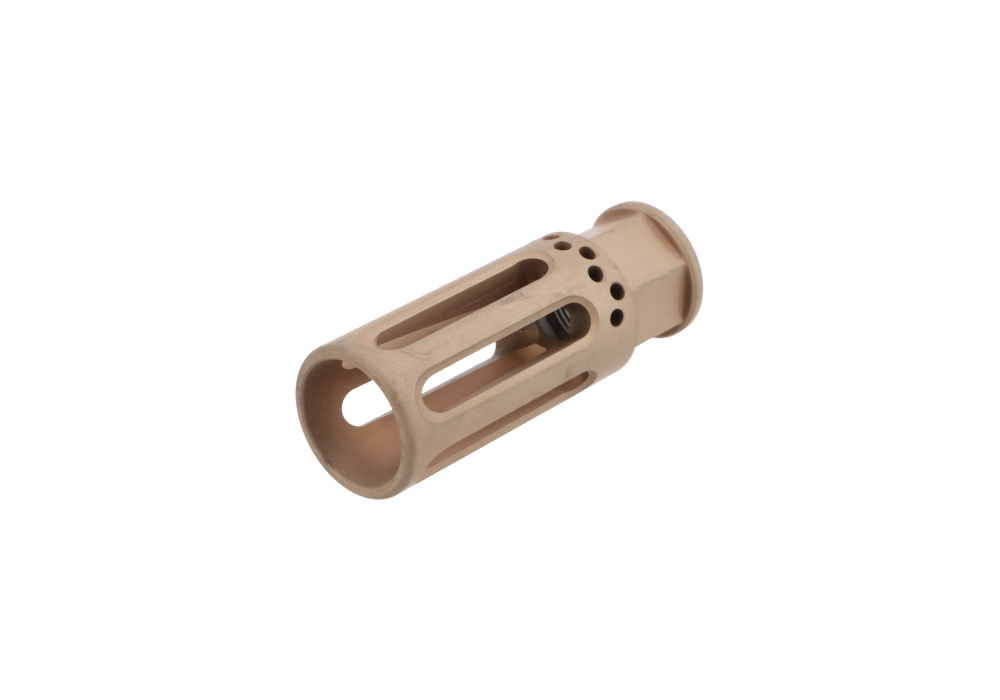
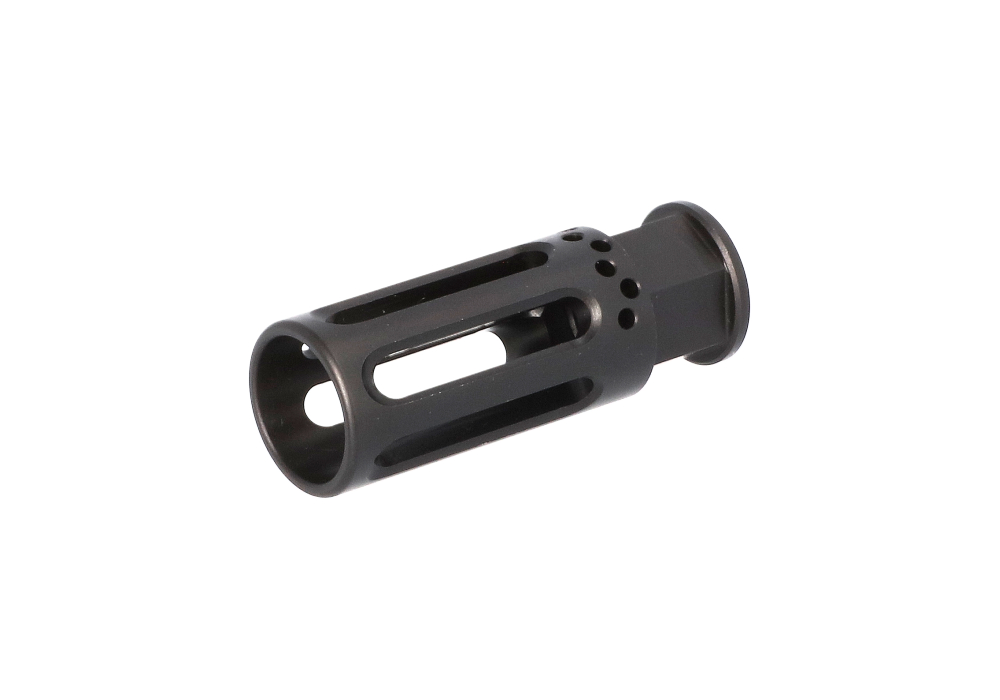
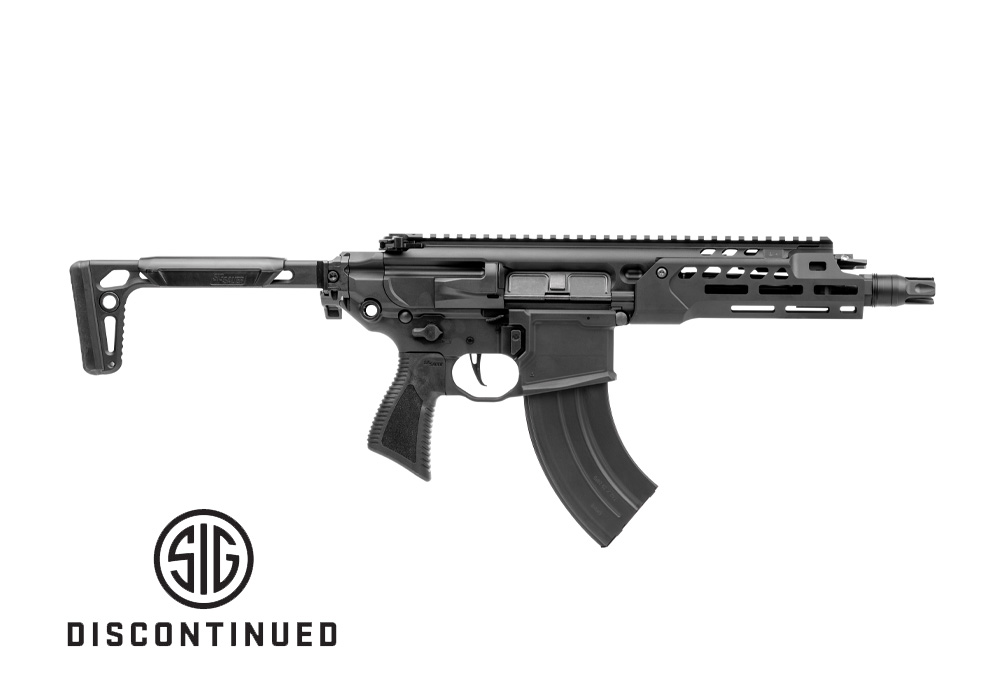
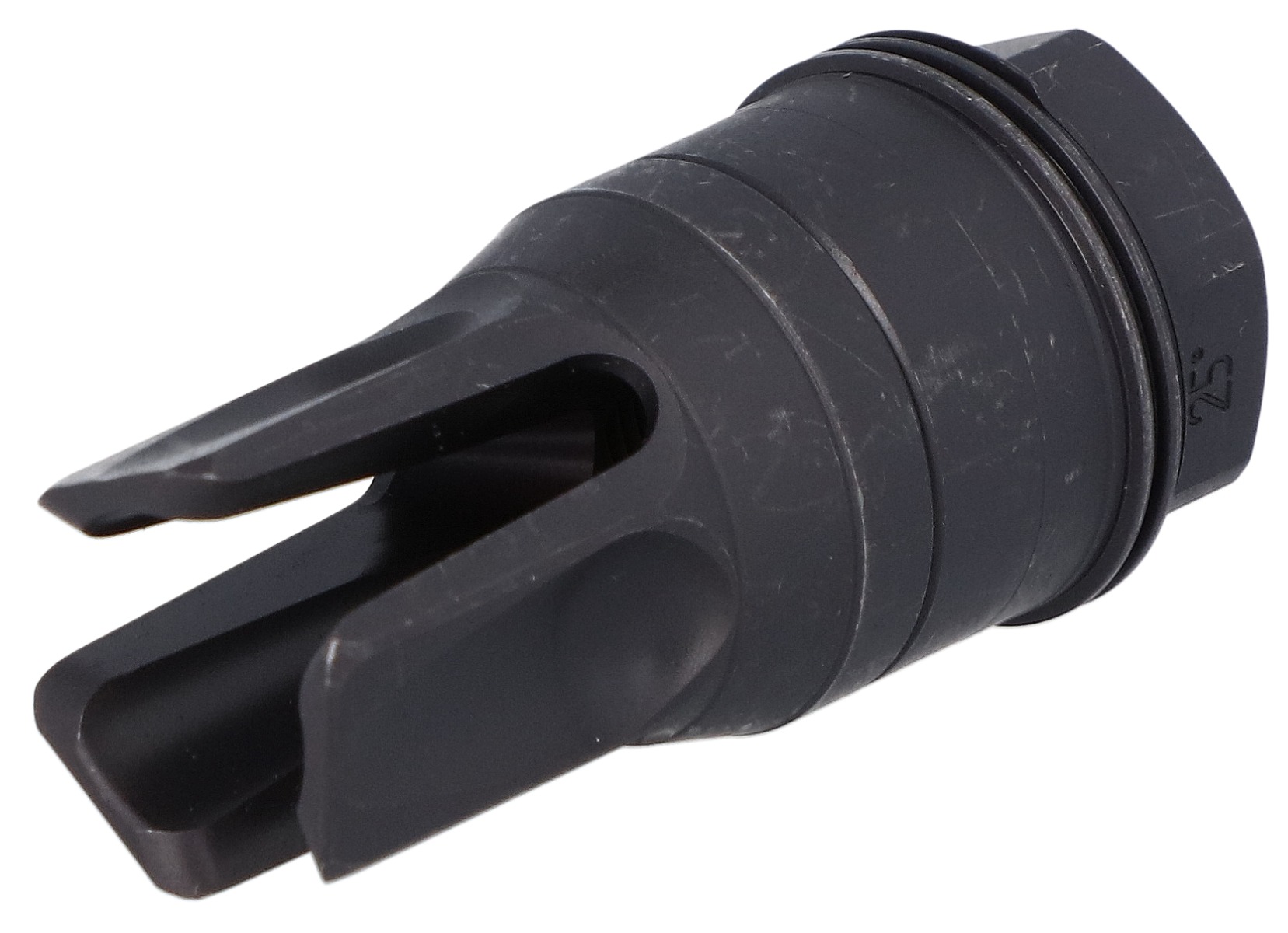
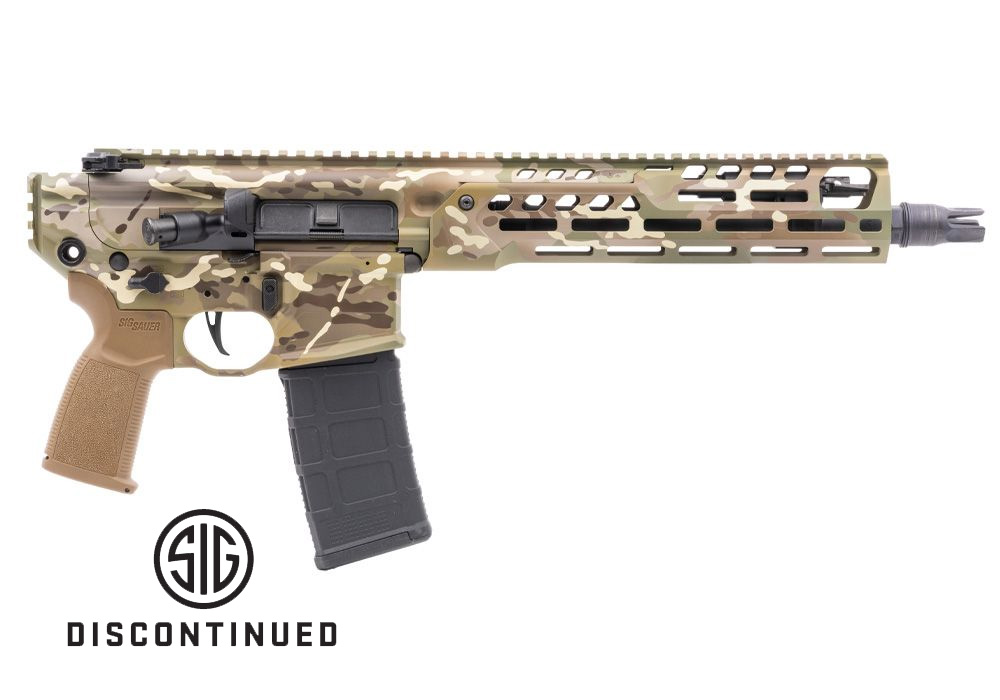
Engineered flash hiders are rifle muzzle devices designed to manage the bright flash produced when hot combustion gases and unburned powder leave the barrel. Rather than allowing those gases to exit as one concentrated plume, a flash hider uses carefully shaped prongs, slots, ports, or other openings to break the flow into smaller streams and mix it with surrounding air. That dispersal helps cool the gases and reduce the visible signature at the muzzle, especially in low-light conditions. For shooters who spend time on an outdoor range during the cooler months, participate in practical rifle disciplines, or train in changing light, this can make the shooting experience more comfortable and help preserve natural night vision between shots. Flash reduction can also be useful when a bright muzzle flare would make it harder to observe impacts or maintain a clear sight picture. The right device depends on the rifle, barrel, ammunition, and intended use, so shoppers should begin by confirming caliber compatibility, muzzle thread pattern, barrel diameter, and available clearance. Thread specifications must match precisely, and the device should seat squarely against the barrel shoulder or the mounting surface specified by the manufacturer. A model intended for a particular suppressor mounting system may offer additional utility, while a simpler standalone design may be the better fit for a rifle that will be used without a suppressor. Browse the complete selection of Barrel Flash Hiders to compare configurations and find a muzzle device suited to your setup.
Modern engineered flash hiders may also address details that matter after the first shot. Traditional multi-prong designs can sometimes produce a ringing or “tuning-fork” sound as the prongs vibrate after firing. Resonance-conscious designs use varied prong lengths, asymmetrical geometry, different wall dimensions, or other forms of acoustic detuning to reduce that unwanted note without giving up effective flash mitigation. The shape and number of openings influence how gases are redirected, and some configurations are intended to limit upward disturbance while keeping the front of the rifle relatively unobstructed. Construction is another important consideration. Strong steels and heat-resistant alloys are commonly selected for their ability to withstand repeated firing, while protective finishes can help resist corrosion, surface wear, and the effects of hot propellant gases. A durable finish is particularly helpful for rifles that move between a climate-controlled safe, a dusty outdoor range, and damp conditions during seasonal weather changes. Shoppers should also consider whether the flash hider will be installed on a standard rifle, a short-barreled configuration, or a barrel that may require permanent attachment to meet applicable requirements. Pin-and-weld work, timing, and any alteration involving the barrel should be handled by a qualified gunsmith. Proper alignment is essential, especially when a suppressor will be mounted, because even a small deviation can create a serious safety issue. Thread protectors, shims, crush washers, timing nuts, and other installation parts are not universally interchangeable, so verify the manufacturer’s instructions rather than assuming that hardware from one system will work with another. A careful fit protects the barrel, preserves accessory compatibility, and helps the muzzle device perform as designed.
An engineered flash hider can be a practical addition for a rifle owner who values a cleaner sight picture, reduced visible flash, and a well-integrated muzzle setup. It may also be a thoughtful gift for an experienced shooter who has already selected a rifle and wants to refine its configuration, although the recipient’s exact thread pattern and mounting preferences should be confirmed before purchase. For a new rifle owner, a properly matched device can be part of a broader setup that includes quality ammunition, secure storage, appropriate eye and hearing protection, and professional installation when needed. Flash hiders are not intended to eliminate recoil or replace a dedicated muzzle brake, and their performance can vary with barrel length, ammunition load, environmental conditions, and the amount of unburned powder present at the muzzle. They also do not make a firearm silent. A flash hider that includes a quick-detach interface may provide a convenient foundation for a compatible suppressor, but both components must use the same mounting standard and be installed with careful attention to alignment, torque, and manufacturer guidance. Before ordering, review the listed specifications, inspect the rifle’s existing muzzle threads, and check local, state, and federal laws governing muzzle devices, suppressors, barrel length, and permanent attachment. When comparing options, look for a clear description of the gas-dispersing geometry, material, finish, outside diameter, overall length, weight, thread pattern, and mounting interface. Those details help shoppers choose with confidence instead of relying on appearance alone. With the correct fit and responsible installation, an engineered flash hider can provide dependable flash management and a durable, purpose-built finish to a rifle used on the range, in training, or during low-light sessions as the seasons shift.