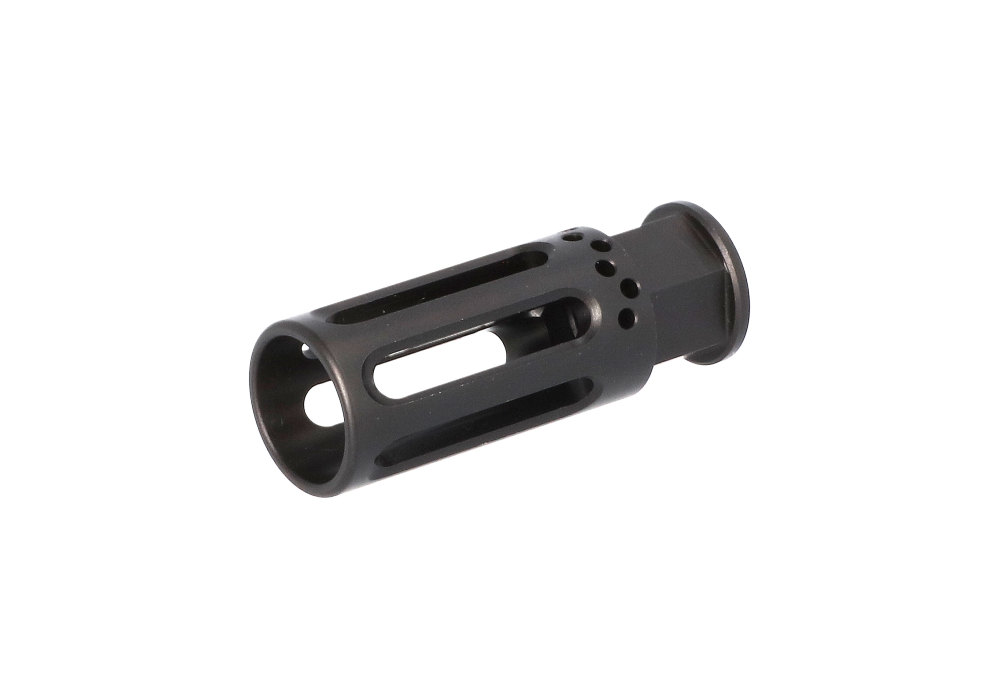
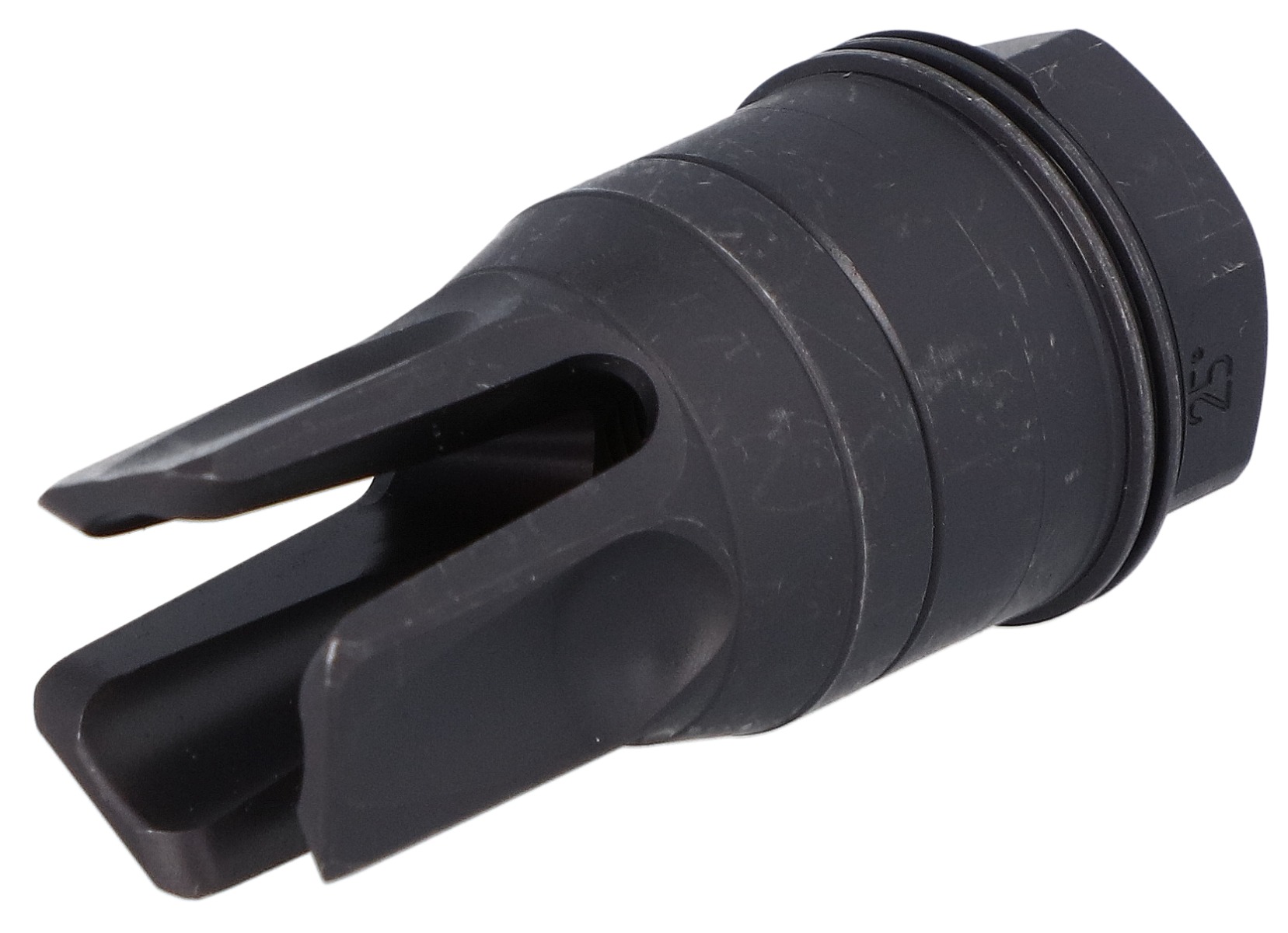
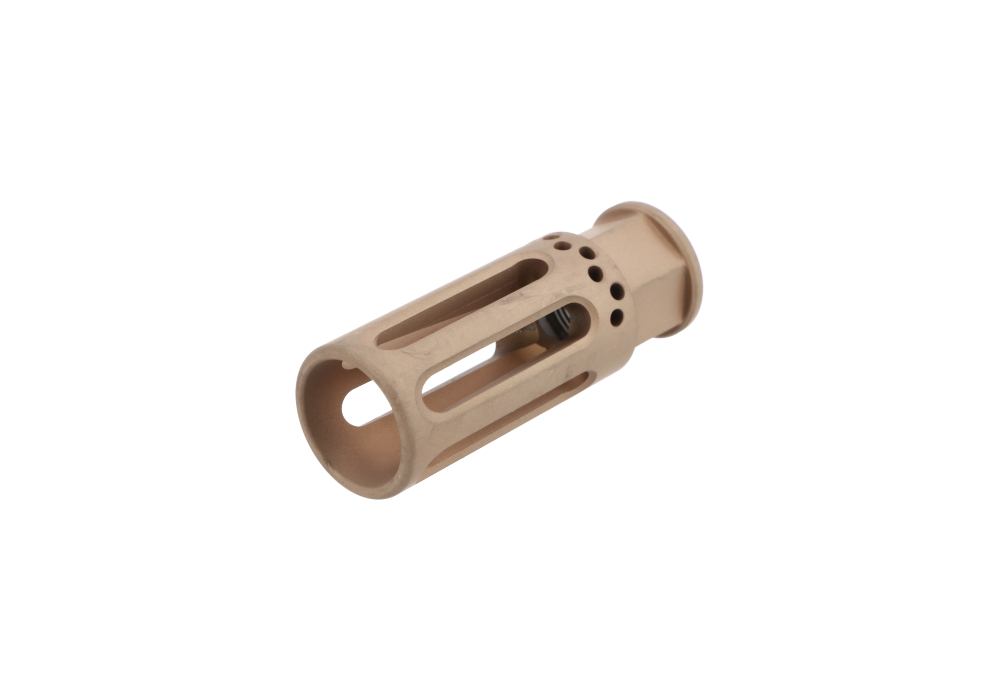
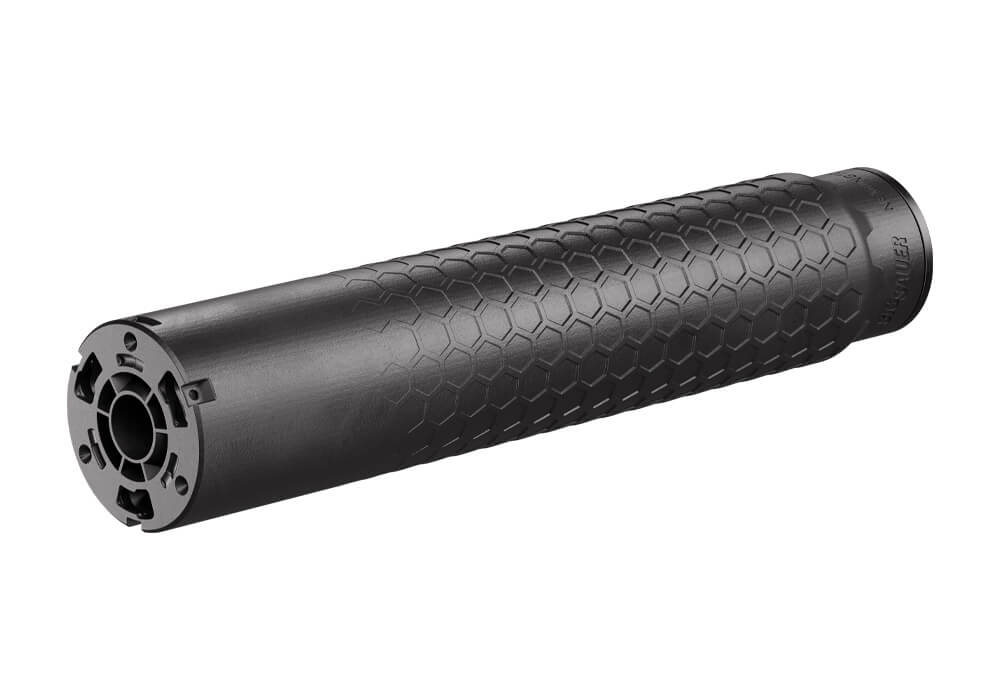
Black flash hiders are muzzle devices designed to reduce the visible flash produced when hot gases and burning propellant exit a firearm’s barrel. Attached at the muzzle on a compatible firearm, a flash hider uses its geometry to disperse those gases and limit the bright flare visible during firing. The black finish describes the device’s appearance and surface treatment, not a separate type of flash-reduction technology. Actual performance depends on the design, ammunition, barrel length, and other characteristics of the firearm. A flash hider cannot guarantee that every shot will produce no visible flash, and a dark exterior alone does not indicate how effectively a device will perform. For recreational shooters and participants in organized shooting sports, the appeal is a combination of appropriate function, durable construction, and a finish that complements the firearm. In lower-light settings, reduced muzzle flash may help limit the brief visual distraction associated with a bright flare. That role is different from the primary purpose of a muzzle brake, which redirects gases to manage recoil, or a compensator, which primarily addresses muzzle movement. Some muzzle devices combine features, so the stated purpose matters more than a similar-looking exterior. A flash hider is also not a sound suppressor and does not replace suitable hearing protection. Open-prong and slotted designs offer different profiles, while enclosed fronts and other variations can change the overall shape and handling characteristics. Those differences deserve attention beyond appearance: a compact profile may suit one compatible firearm, while another design may have dimensions or mounting requirements that better match a different setup. Black remains a versatile visual choice because it pairs naturally with many barrel finishes, handguards, and receivers without creating a contrasting accent at the muzzle. Whether the preferred appearance is understated or closely coordinated, the finish is only one part of a suitable match; construction, compatibility, and the manufacturer’s specifications remain central to the decision.
Materials and surface treatments influence how black flash hiders stand up to repeated firing, routine cleaning, and everyday handling. Steel is a common material because it offers strength and resistance to wear, while particular alloys and treatments vary by manufacturer and design. Stainless steel can also have a black surface treatment, so color alone does not identify the underlying metal. Depending on the device, a dark exterior may come from an oxide treatment, phosphate treatment, nitriding, or another specified finish. These processes do not all provide identical corrosion resistance, texture, or maintenance needs. A matte surface can present a subdued appearance, while a smoother finish may look different beside a barrel or handguard even when both are described as black. Minor differences in sheen are normal across different materials and treatments, and an exact visual match should not be assumed. Fit is more consequential than color matching. A suitable flash hider must correspond to the firearm’s caliber, barrel threading, and mounting requirements; similar dimensions or a familiar exterior are not enough to establish compatibility. Thread direction, the barrel’s mounting surfaces, and any required manufacturer-specified hardware can also affect whether a device is appropriate. Adequate clearance for the projectile is essential, and compatibility should be confirmed through reliable specifications rather than appearance or guesswork. A qualified gunsmith can assess questions about fit and installation without relying on trial and error. Overall length, outside diameter, and weight also contribute to how the firearm feels and whether the device clears surrounding components. These details can matter on a firearm with a handguard that extends close to the muzzle, where space is limited and a visual comparison provides only part of the picture. For additional category context, Engineered Flash Hiders offers a related point of reference. A sound comparison keeps the intended firearm at the center, with material, finish, dimensions, and mounting specifications considered together rather than treating every black muzzle device as interchangeable.
Care for a black flash hider centers on preserving its surfaces and recognizing normal wear without overlooking a potential problem. Exposure to combustion residue means the muzzle area can accumulate carbon and other fouling, and a dark finish can make that buildup less obvious at a glance. Cleaning products and methods should follow the device manufacturer’s recommendations, particularly where a surface treatment requires specific care. Aggressive abrasives or unsuitable chemicals may alter the finish rather than improve its condition. The device’s openings, edges, and mounting area deserve attention during the firearm’s regular maintenance, with inspection performed only after the firearm is unloaded and safe to handle. Unusual movement, visible damage, or a change in how the device sits warrants evaluation by a qualified professional before further use. Heat from firing is another practical consideration: the muzzle device can remain hot after a shooting session, even when its black surface offers no obvious visual warning. Allowing it to cool before handling or storage helps protect both the user and nearby equipment. Over time, contact marks and finish wear may develop on exposed edges, especially on firearms transported regularly to a range or used frequently in supervised training. A durable finish can help resist wear and corrosion, but no surface treatment eliminates the need for proper care. For someone selecting a flash hider as a gift for an experienced firearm owner, exact compatibility information is more useful than a preference for a particular silhouette or shade of black. The recipient’s firearm specifications and intended lawful use should guide that choice, along with applicable rules governing muzzle devices. For personal use, the same practical priorities apply: an appropriate fit, clearly documented construction, manageable maintenance requirements, and realistic expectations about flash reduction. A black flash hider earns its place through that combination of function and suitability, with its understated appearance complementing a device chosen for the firearm rather than appearance alone.