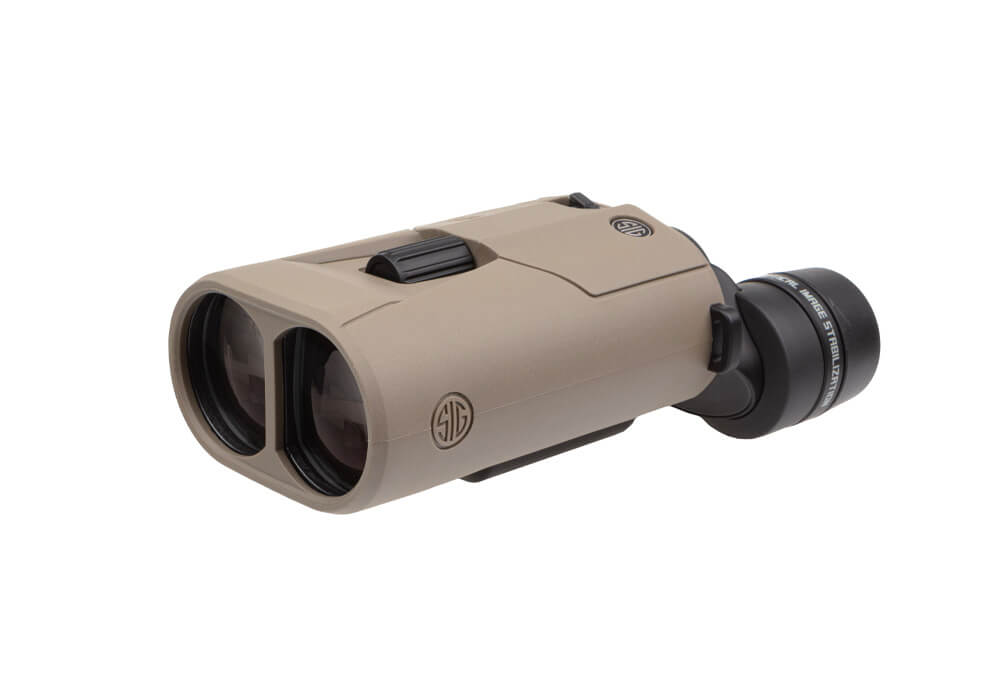
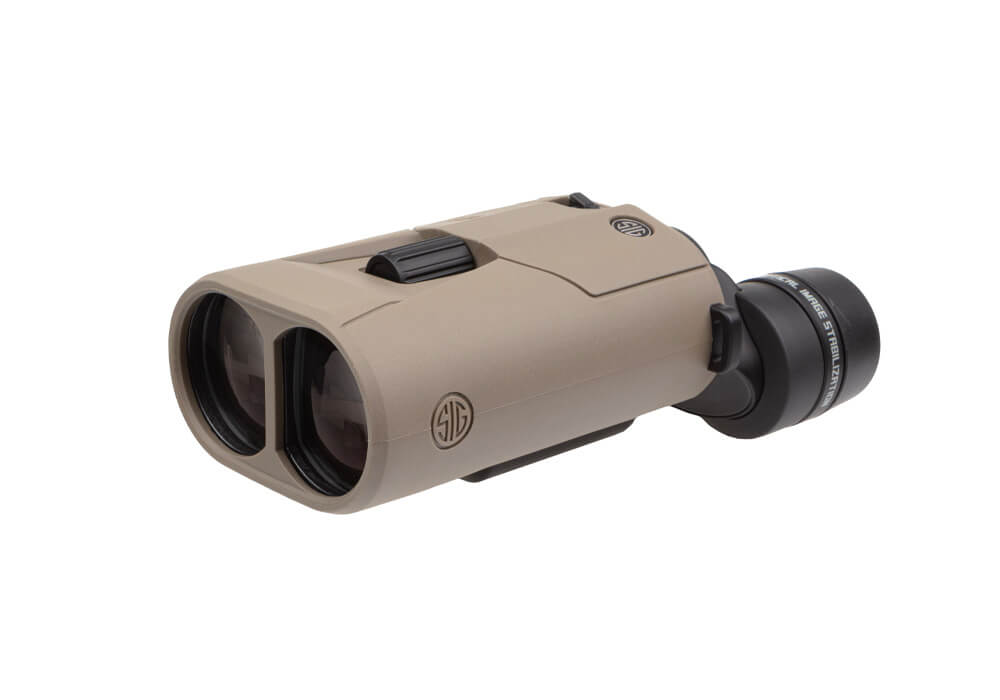
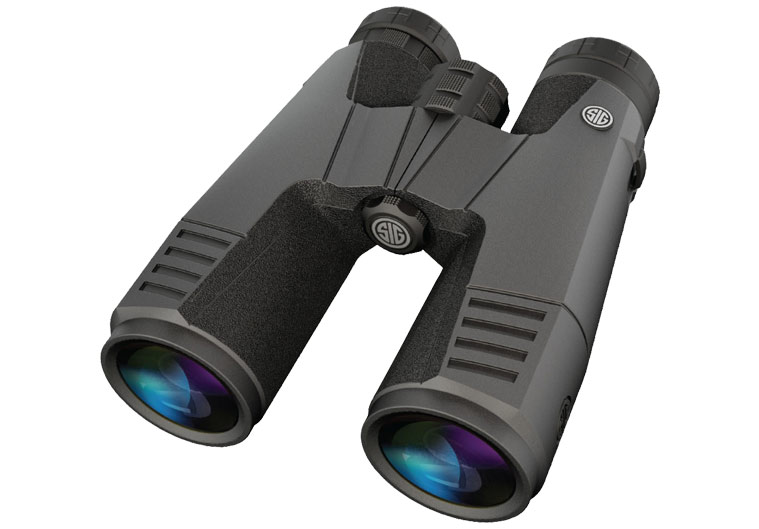
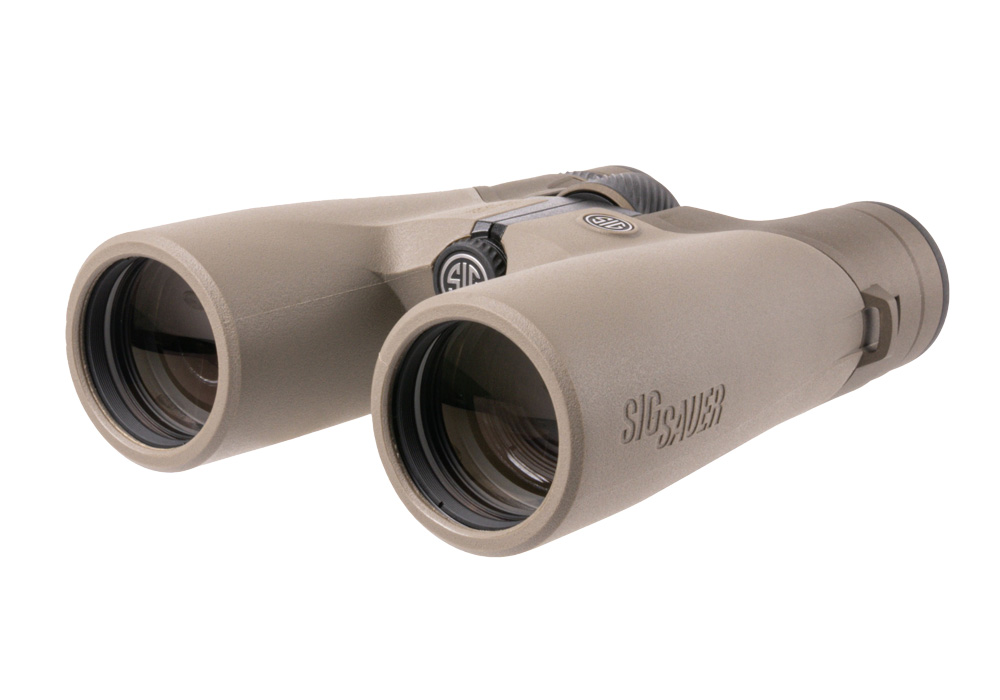
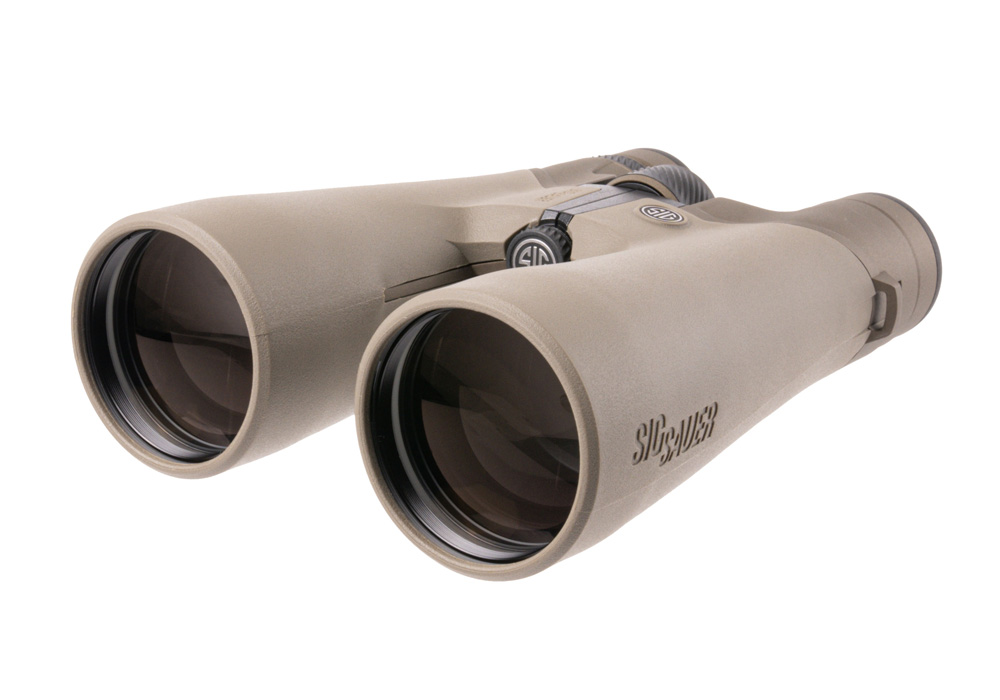
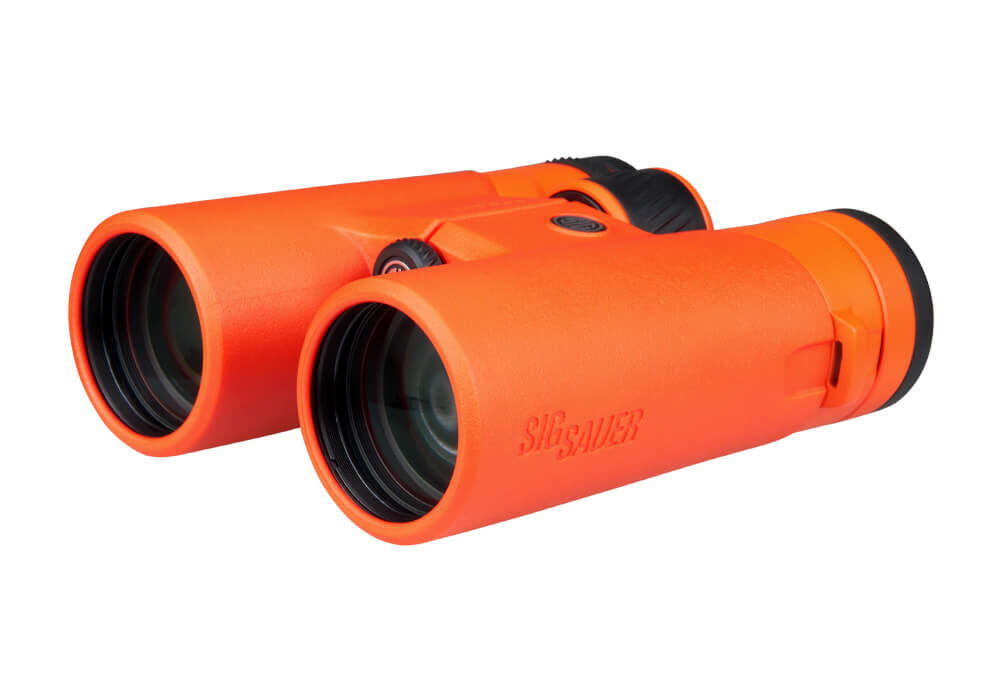
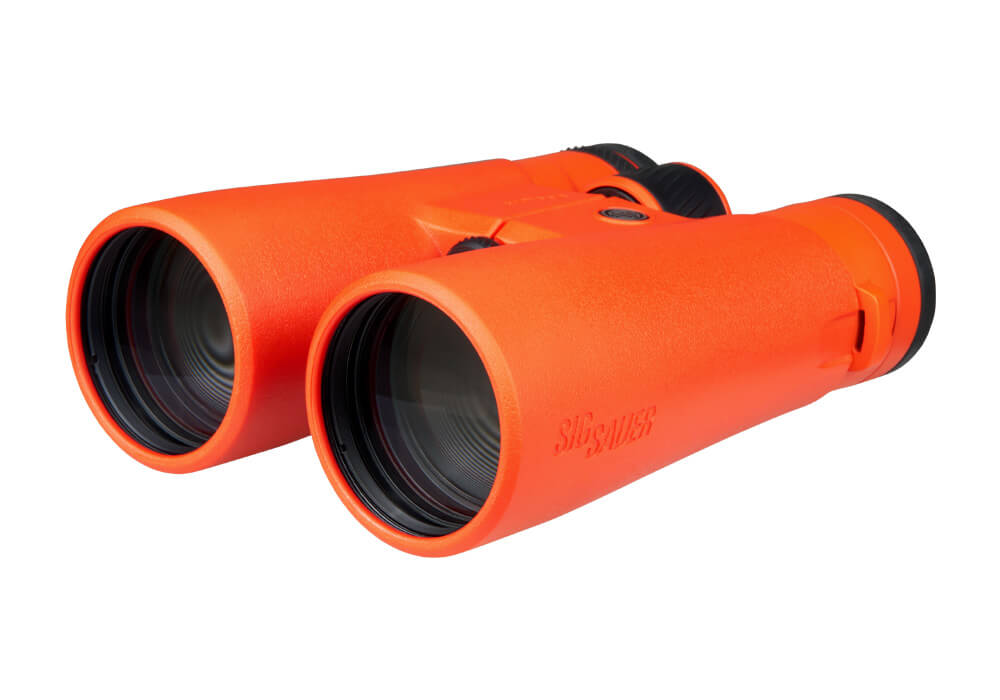
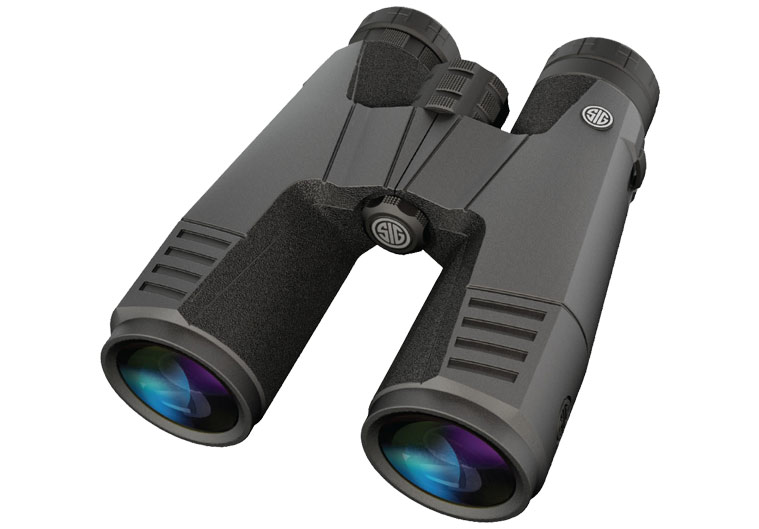
Binoculars make a thoughtful Father’s Day boating gift for a dad who enjoys being on the water, whether he spends long weekends sailing, takes the family out for relaxed sunset cruises, fishes quiet coves, or simply likes to keep an eye on the shoreline. A good pair turns distant details into part of the experience: a navigation marker appearing through the morning haze, a harbor entrance taking shape beyond the bow, seabirds working the surface, or a familiar lighthouse catching the last light of the day. Unlike many boating accessories, binoculars are useful on nearly every outing and easy to keep within reach in a console, cabin, or gear bag. When choosing binoculars for a boating dad, prioritize a durable, water-resistant design with a secure grip and controls that are easy to adjust while wearing gloves. A rubberized exterior can help protect the housing from bumps and provide confidence when hands are wet, while a neck strap or harness keeps the optics accessible without leaving them loose on deck. For additional gift ideas that suit fishing trips, camping weekends, and other outdoor interests, explore Gifts for Outdoorsy Dad.
Marine binoculars are often built around a 7x50 configuration because it offers a practical balance of magnification, steadiness, brightness, and field of view for use from a moving boat. Seven-power magnification brings distant objects closer without exaggerating every movement caused by waves, engine vibration, or an unsteady stance. Higher magnification can reveal more detail in a controlled setting, but it may also amplify hand movement and make it harder to hold a clear view while underway. The 50mm objective lenses traditionally associated with marine binoculars gather generous light, which can be helpful during dawn departures, overcast afternoons, and the cooler months when daylight fades earlier. Other compact configurations, such as 8x42, can be appealing for dads who move between boating, hiking, travel, and general outdoor use; they are usually easier to pack while still providing a bright, useful image in many conditions. Optical quality matters as much as the numbers printed on the housing. Look for fully multi-coated lenses that improve light transmission and contrast, along with a well-designed prism system that helps maintain sharpness across the view. A wide field of view can make it easier to locate a moving boat, buoy, or bird, while a smooth center focus and adjustable eyecups help each user find a comfortable, precise image. If Dad wears glasses, twist-up or fold-down eyecups can provide better eye relief and make extended viewing more comfortable. Diopter adjustment is also valuable because it allows the focus to be fine-tuned for differences between the left and right eye.
Water protection is especially important when binoculars are used around salt spray, rain, spray from a wake, or accidental splashes over the side. Look for a sealed, waterproof construction rated for serious exposure; an IPX7 rating indicates that the binoculars are designed to withstand temporary immersion under defined testing conditions, although they should still be treated as precision optics rather than deliberately dropped into the water. Nitrogen purging or another internal moisture-control process can help prevent fogging inside the optical tubes when the binoculars move between a cool cabin, a warm deck, and damp outdoor air. External lens fog is usually easier to manage, but internal condensation can interfere with viewing and may be difficult to remove without service. A floating design or brightly colored floating strap adds another practical layer of protection, particularly for boating gifts that may be used from an open deck, dock, kayak, or fishing boat. Bright yellow or orange accessories are easier to spot against dark water and can make recovery more likely if the binoculars go overboard. Stabilized binoculars are another consideration for dads who spend substantial time offshore or on boats with noticeable motion. Image stabilization can reduce the apparent movement caused by waves and hand shake, helping distant objects remain easier to inspect without bracing the binoculars against the vessel. This feature can be especially useful for reading channel markers, checking a distant shoreline, or observing wildlife, though it may add weight, cost, and battery requirements. For a casual cruiser, a rugged conventional pair may be the better fit; for a dedicated sailor or offshore observer, stabilization can make a meaningful difference.
A Father’s Day boating gift should match the way Dad actually spends time on the water. Someone who fishes may appreciate a bright, quick-focusing pair for scanning a shoreline or spotting activity near structure, while a sailor may place greater value on waterproofing, a wide field of view, and dependable performance in changing weather. A cruising enthusiast may prefer comfortable ergonomics and a design that can be passed around among family members, and a dad who combines boating with hiking or travel may favor a lighter, more compact format. Consider the size of his boat, how much storage space is available, whether he usually wears glasses, and whether he prefers a traditional optical design or the added convenience of image stabilization. Accessories can make the gift feel complete without distracting from the main purpose: a floating strap, protective case, lens cloth, tether, or compact dry bag can help keep the binoculars ready for the next trip. During warmer days on the water and throughout the cooler boating season, properly cared-for binoculars should be rinsed or wiped according to the manufacturer’s instructions after exposure to salt spray, stored dry, and protected from prolonged heat in a closed vehicle or cabin. With the right combination of optical clarity, steady magnification, water resistance, comfortable handling, and dependable protection, binoculars can become one of the most frequently used pieces of gear aboard, giving Dad a closer look at every shoreline, passage, and open-water view.