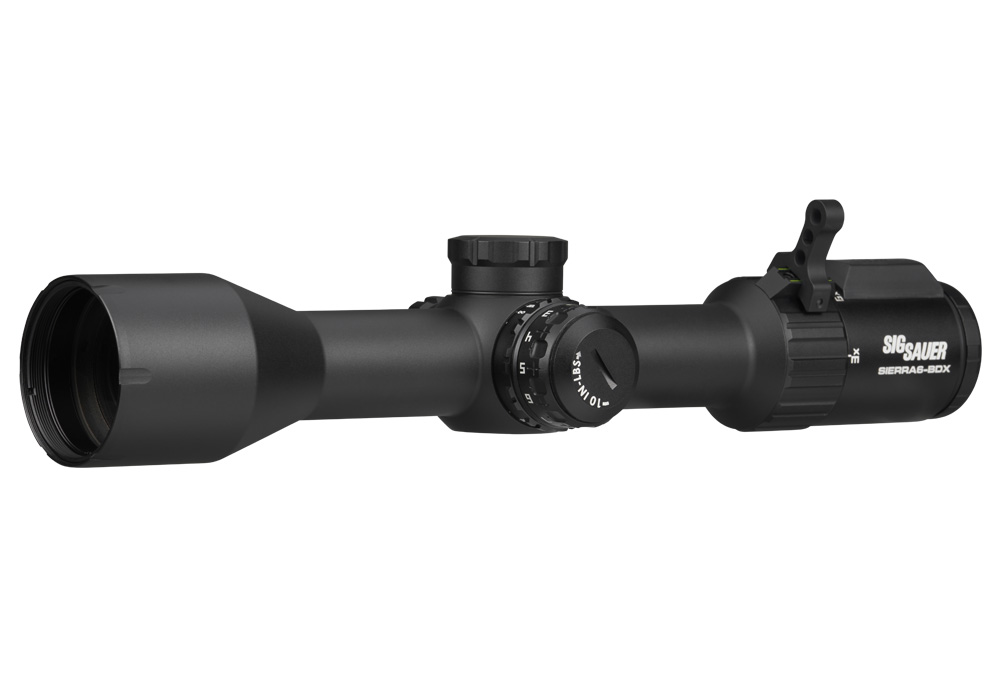
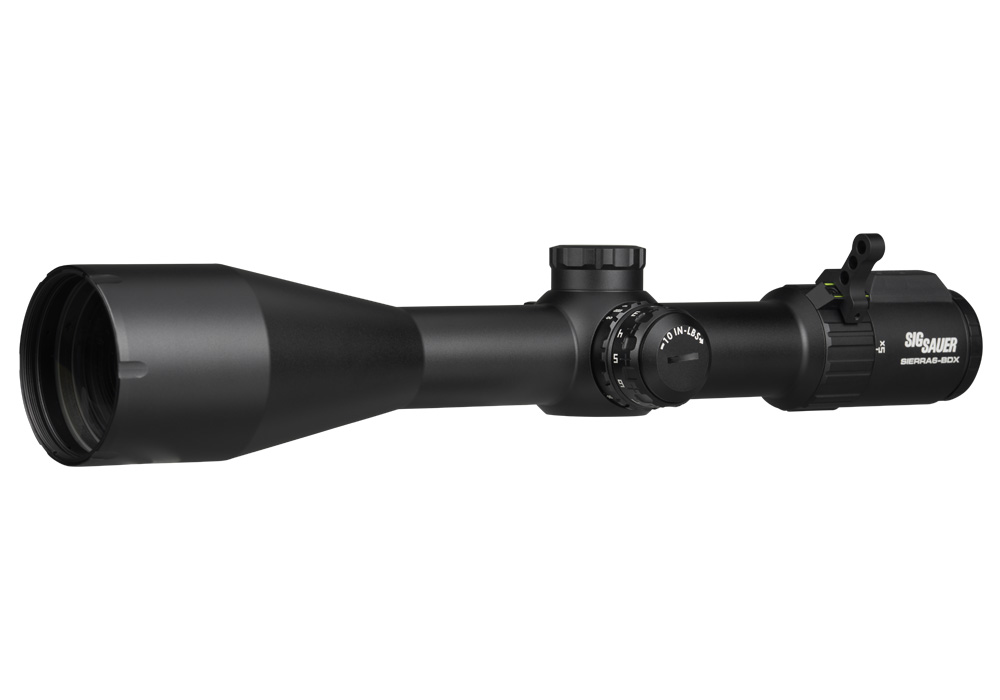
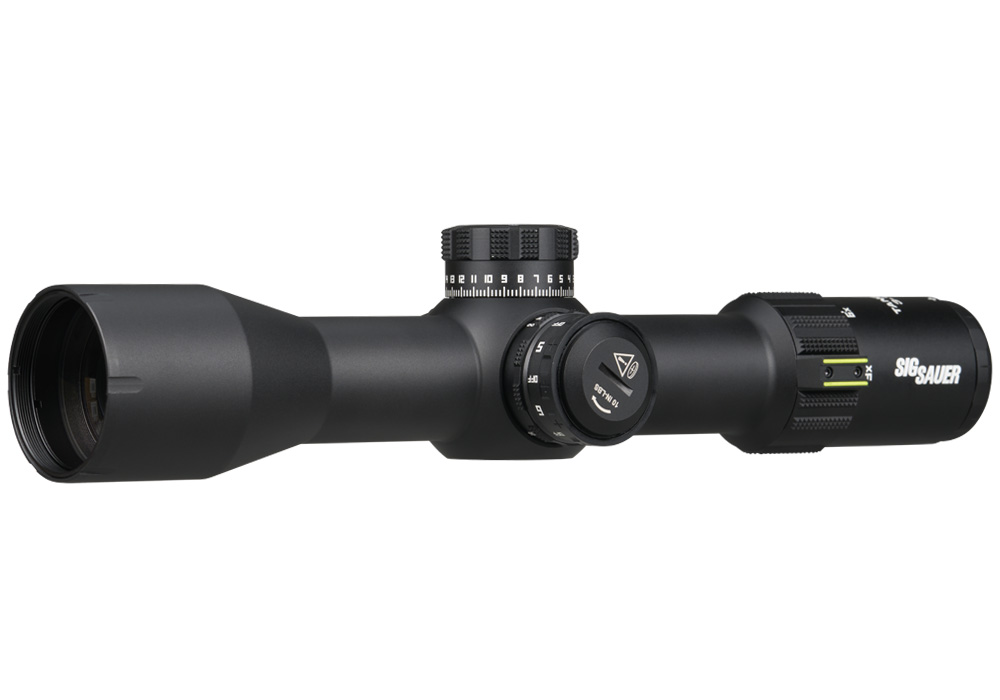
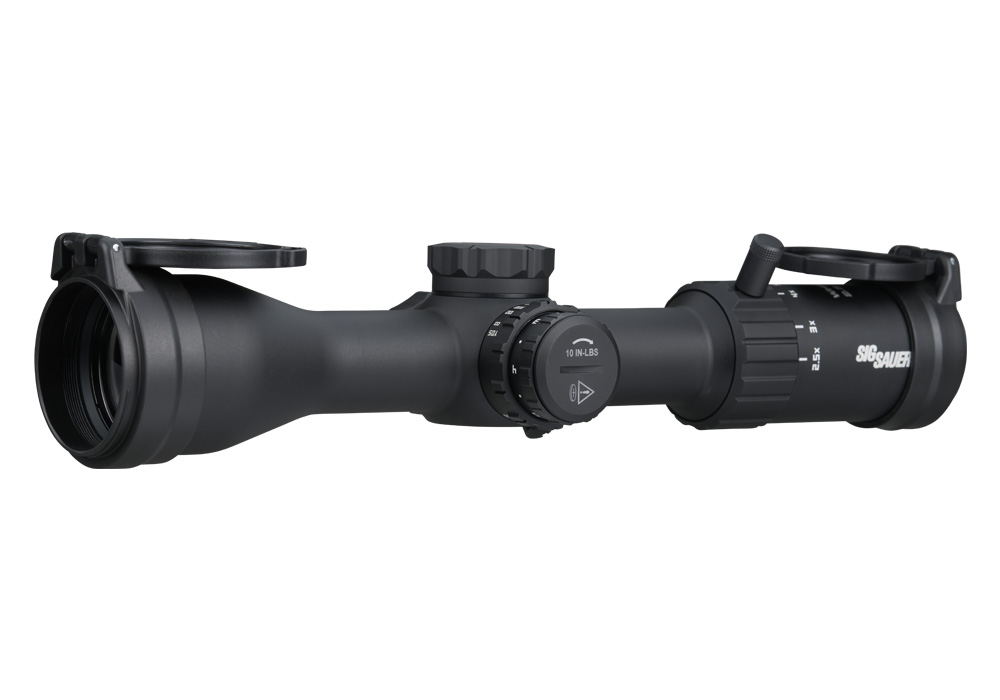
Black finish hunting riflescopes bring a practical, understated appearance to a well-prepared hunting setup while supporting clear aiming in changing field conditions. Matte and satin finishes help reduce unwanted reflections in bright woodland openings, across sunlit fields, and along exposed ridgelines, while durable exterior treatments help the optic stand up to routine handling, transport, and weather encountered during the cooler months. The black profile also pairs naturally with a wide range of hunting rifles, rings, and mounting systems, giving the complete setup a cohesive appearance without drawing attention away from the surrounding terrain. When comparing a black finish hunting riflescope, begin with the environment where it will see the most use. Dense timber, brushy draws, and close-range game often favor a lower magnification range such as 1-6x or 2-7x, allowing a broad field of view for quick target acquisition and easier tracking as an animal moves between cover. Open country, long clearings, and elevated glassing positions may call for a higher range such as 4-16x or beyond, giving the hunter more detail at distance while retaining flexibility for nearer opportunities. Magnification should complement the rifle, cartridge, expected engagement distance, and personal ability to hold the reticle steady rather than serving as a contest for the highest number on the specification sheet.
Optical clarity, light transmission, and reticle design deserve equal attention. A bright, sharp sight picture can help reveal antler detail, coat color, and body position during the soft light of dawn or late afternoon, when shadows stretch across the landscape and the best opportunities often occur. Look for fully coated lenses, clean edge-to-edge resolution, and controls that remain easy to operate while wearing gloves. A first focal plane reticle changes apparent size as magnification changes, keeping subtensions consistent across the zoom range and supporting precise holdovers when distance or trajectory requires correction. A second focal plane reticle remains visually consistent as magnification changes, which many hunters appreciate for a familiar aiming reference and a bold, uncluttered view at lower power. Reticle markings may support windage and trajectory compensation, but the most useful design is the one that can be read quickly without obscuring the target. Illuminated options can provide contrast against dark timber or a shaded animal, while a non-illuminated reticle may offer a simple, battery-free setup. Exposed turrets can support frequent field adjustments, whereas capped controls may be preferable for hunters who establish a zero before heading out and want added protection from brush, pack straps, or contact with a vehicle. A dependable zero-stop feature can also help the shooter return to a known baseline after making elevation changes at the range or in the field.
Mounting and setup have a direct effect on performance. Select rings or a one-piece mount that match the scope tube diameter and rifle’s mounting interface, then position the optic so the eye relief remains comfortable in the shooting positions used most often. A proper cheek weld should feel natural rather than forcing the head forward or back, and the reticle should appear centered without excessive movement when the rifle is shouldered. Confirm that the optic clears the barrel and action while remaining as low as practical, with enough room for lens covers and comfortable bolt operation. After installation, level the reticle, tighten fasteners according to the mount manufacturer’s guidance, and verify zero with the exact ammunition intended for the hunt. Temperature, elevation, wind, and ammunition differences can influence point of impact, so a short confirmation session before each trip is worthwhile. Keep notes on your zero, magnification preferences, and confirmed holds; a small card protected in a pack can be more useful than relying on memory after a long hike. During the hunt, use the lowest practical magnification while moving or scanning, then increase magnification only when the terrain and target distance call for additional detail. A steady rest, controlled breathing, and deliberate trigger technique remain just as important as the glass.
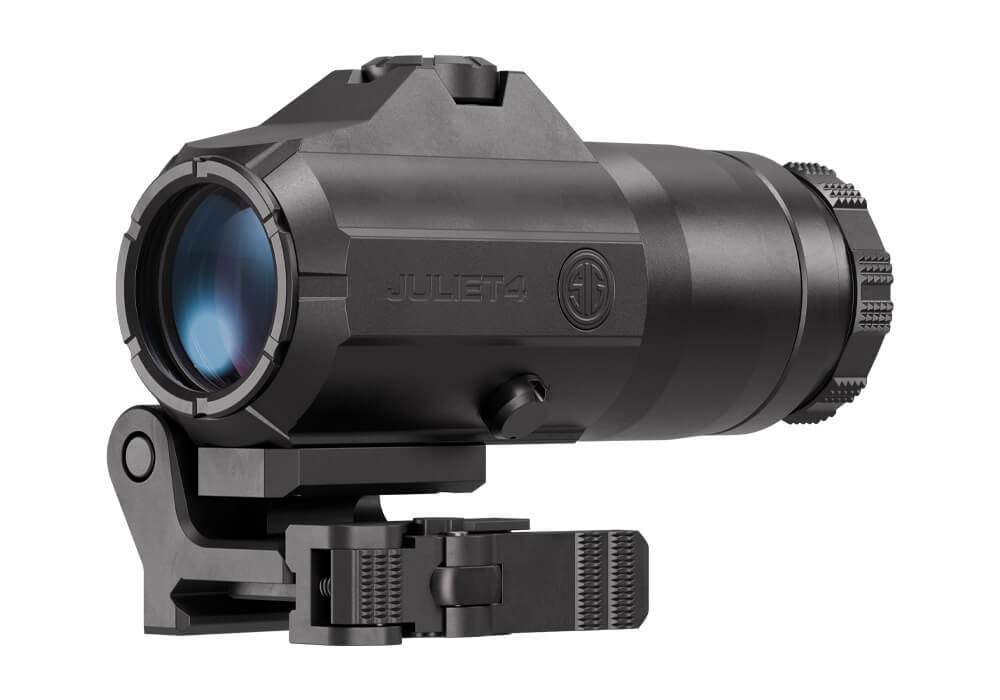
Black finish hunting riflescopes can suit a first-time hunter building a dependable rifle package, an experienced outdoorsperson refining a familiar setup, or a thoughtful gift for someone preparing for a fall or winter season in the field. They are especially practical gifts when the recipient already owns a compatible rifle but wants improved observation and aiming performance. If the optic is intended as a present, check the rifle’s mounting pattern, tube diameter, preferred hunting terrain, and typical distance before selecting a magnification range. A hunter who walks through thick woods may value a compact scope with a generous field of view, while someone who spends long hours overlooking open slopes may prefer additional magnification, refined adjustment controls, and a reticle designed for measured holds. A quality case, lens covers, mounting hardware, and a compact cleaning kit can complement the scope without adding unnecessary complexity. For hunters comparing related sighting solutions, the selection of Black Finish Magnifier Scopes offers another way to consider magnification and target visibility within a black-finish setup. Whichever configuration fits the rifle and terrain, practice should include realistic distances, supported and unsupported positions, low-light observation, and careful confirmation of the aiming point. With thoughtful selection and consistent preparation, a black finish hunting riflescope can provide a clear, durable sight picture from the first scouting trip through the final outing of the season.