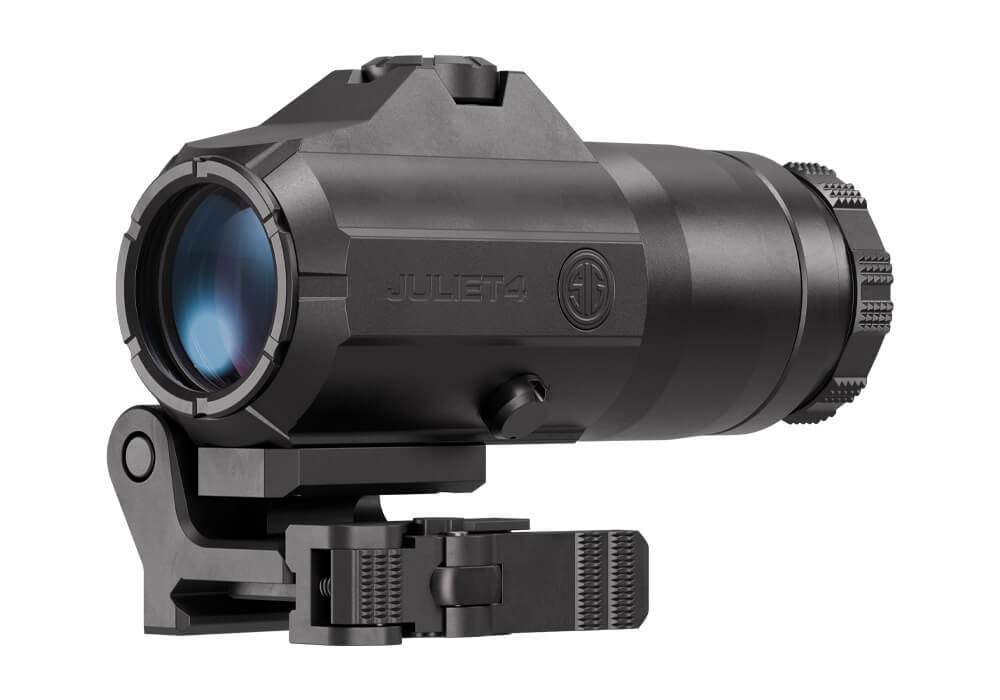
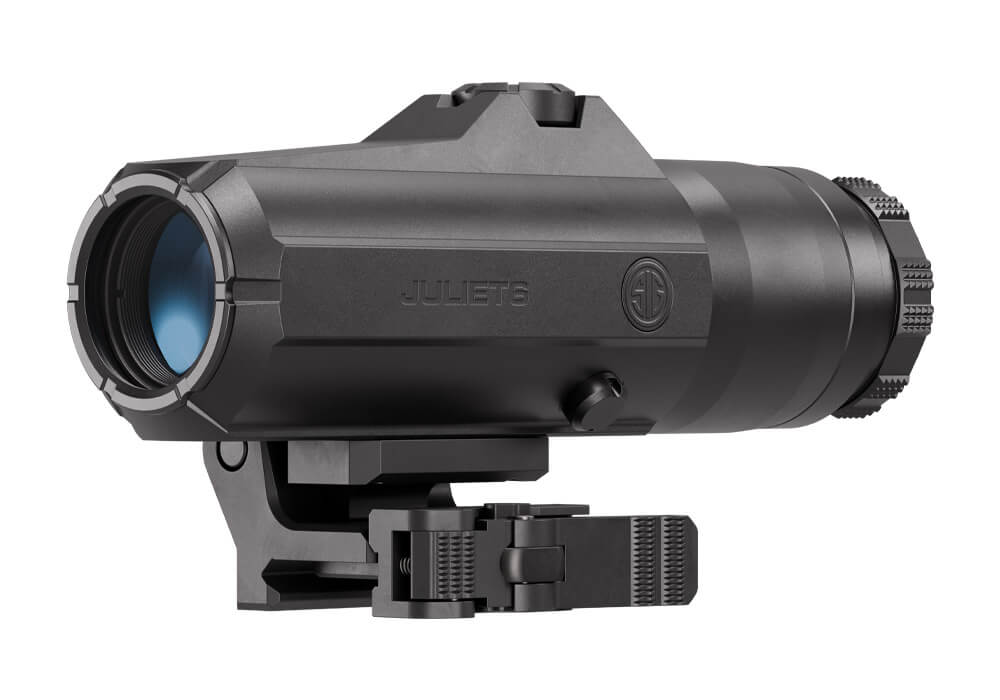
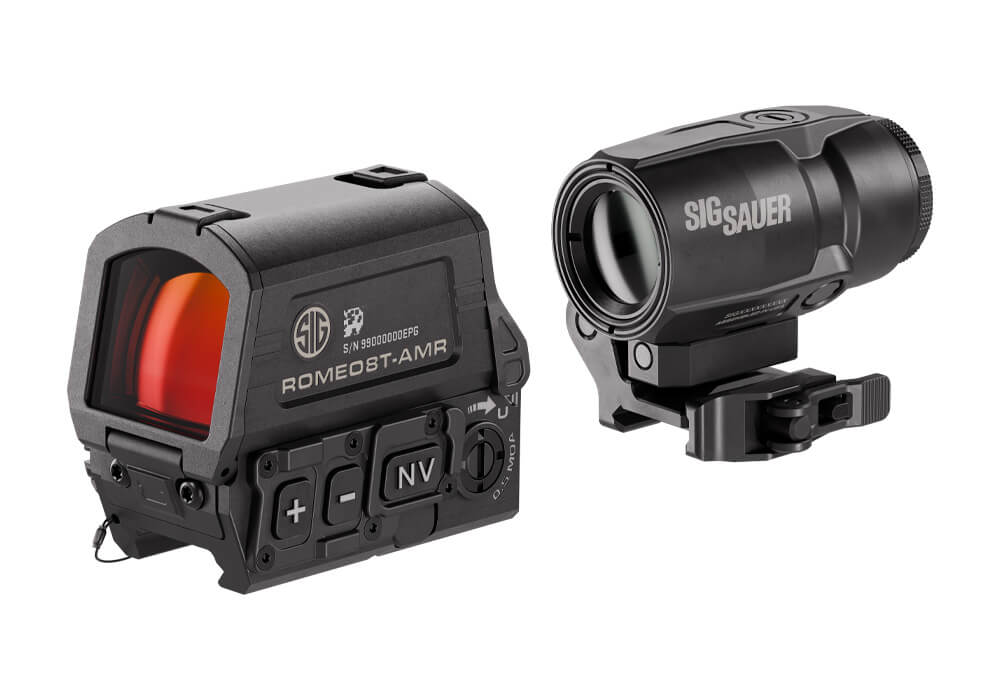
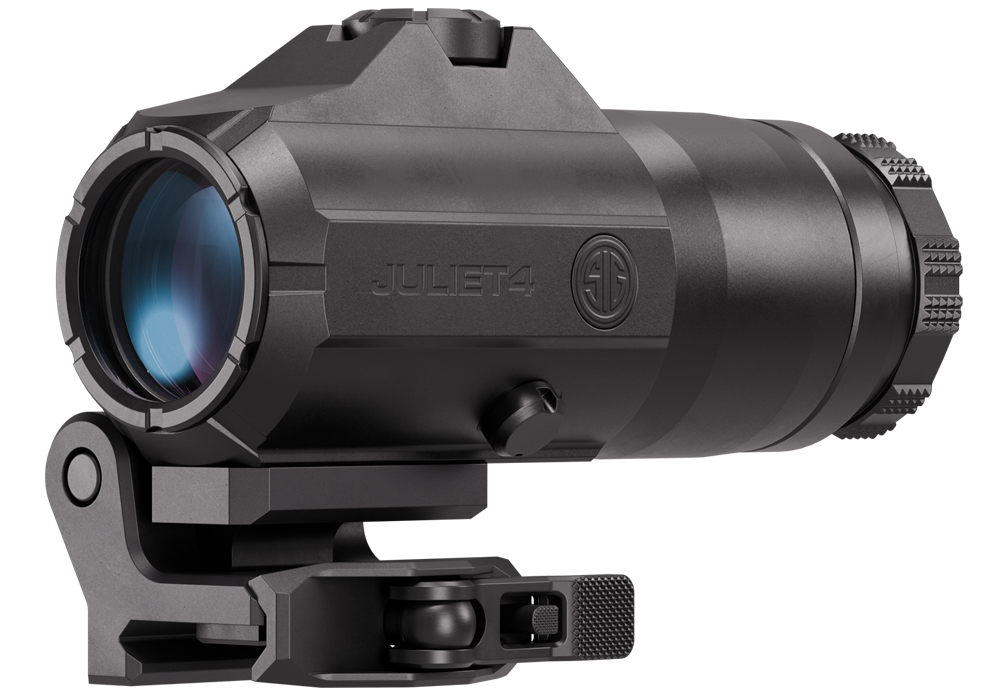
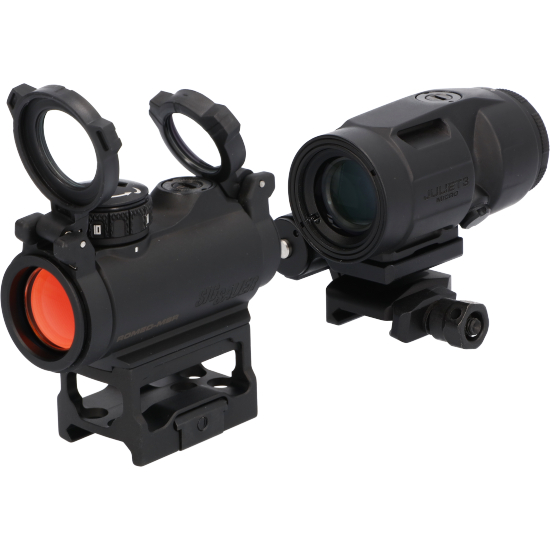
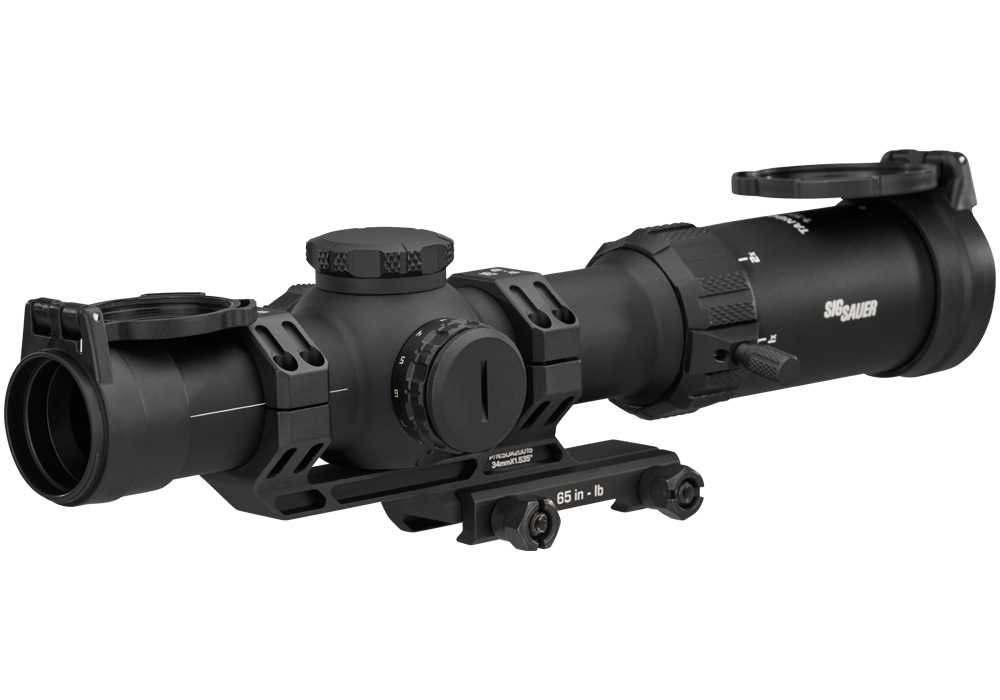
Black finish rifle magnifiers give a red dot or holographic sight added reach without requiring a complete change in shooting setup. Positioned behind the primary optic, a magnifier enlarges the sight picture to help with target identification, aiming reference, and more deliberate shot placement at moderate distances. When the magnifier is moved out of the optical path, the rifle can return to the fast, unobstructed view that makes a non-magnified sight useful at close range. This flexibility is why black finish rifle magnifiers are popular with recreational shooters, hunters who use modern sporting rifles, competitors, and prepared rifle owners who may encounter changing distances during a day outdoors. A black finish also offers a restrained appearance that blends naturally with most rifle receivers, handguards, mounts, and other accessories. For many setups, the most important choice is magnification. A 3x magnifier is a versatile starting point, offering noticeable enlargement while preserving a relatively broad field of view and a forgiving sight picture. A 5x or 6x option can provide more detail for distant targets, but it may add length, weight, and a narrower field of view behind the primary optic. The right level depends on the rifle’s intended use, the distances typically encountered, and how quickly the shooter needs to transition between near and far targets. Someone spending a morning on a familiar range may appreciate additional enlargement for precise groups, while a hunter moving through timber and open clearings may prefer a compact option that balances detail with speed.
Optical clarity deserves as much attention as magnification. Clear glass, effective light transmission, and useful contrast can make a meaningful difference when a target is partially shaded, viewed against brush, or encountered during the softer light of early morning and late afternoon. Look for a magnifier with a sharp image across as much of the viewing area as possible, along with an eye box that does not demand an overly exact head position. Generous eye relief is particularly helpful on a rifle that may be shouldered from different positions or used while wearing cold-weather layers. Adjustments for windage and elevation help align the magnifier with the red dot or holographic sight, while diopter adjustment allows the shooter to focus the reticle or sight picture to personal vision. Before purchasing, confirm that the magnifier’s optical centerline matches the height of the existing optic. A height mismatch can make alignment frustrating and may prevent the two sights from working together as intended. The mounting system is equally important. Flip-to-side mounts are convenient for users who want a rapid transition from magnified to unmagnified viewing, while quick-detach mounts can be useful when the rifle needs to change configuration between range sessions, transport, or different field applications. Check whether the mount locks securely in both positions, allows enough clearance for the rifle and charging handle, and is compatible with the rail system already installed. A sturdy housing protects the internal optics from the bumps that come with transport, vehicle use, and movement across uneven ground, but the complete assembly should still remain balanced on the rifle. It is worth considering the magnifier, mount, primary optic, sling, and any backup sights as one system rather than selecting each component in isolation.
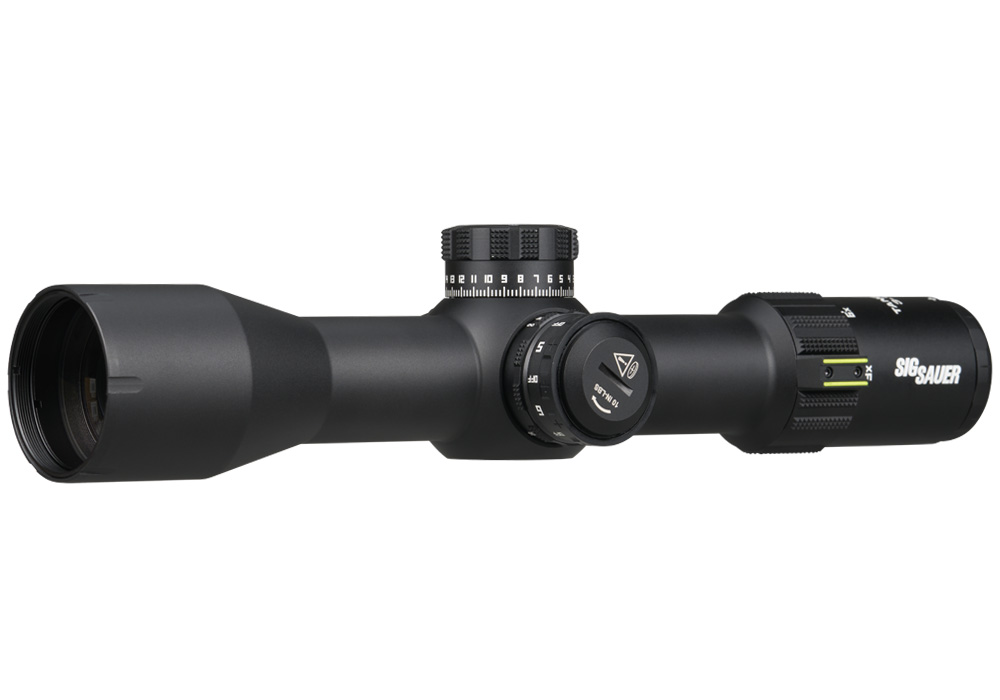
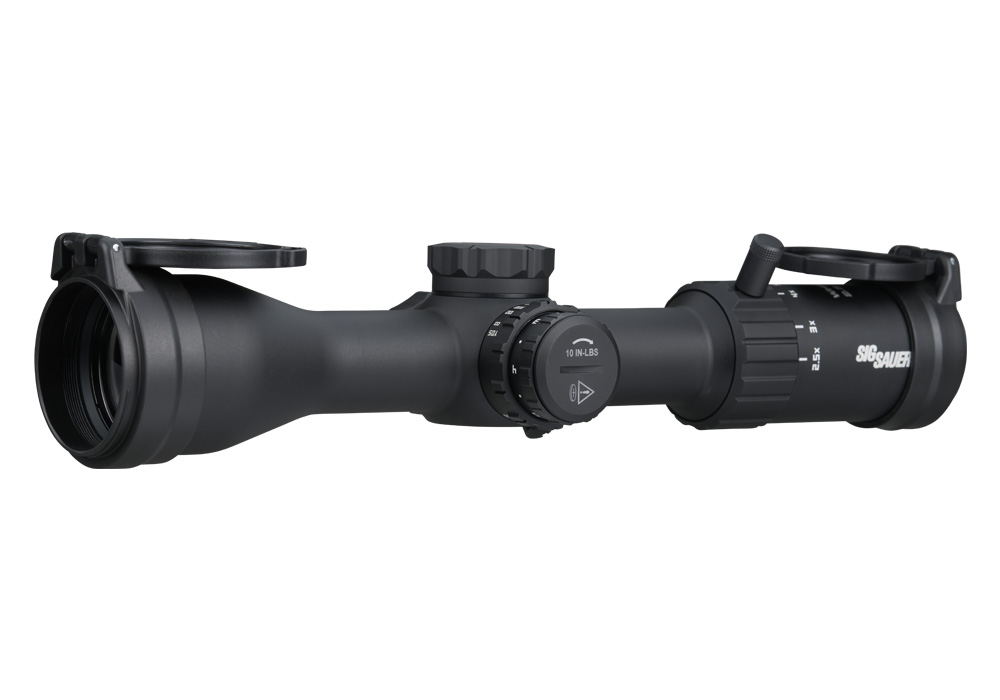
Black finish rifle magnifiers can also make thoughtful gifts for a shooter who already owns a compatible red dot or holographic sight. They are especially practical for someone who has recently moved from casual range use toward more structured practice, three-gun competition, varmint control, or hunting in terrain that alternates between short and extended sightlines. A magnifier is not a universal accessory, however, so gift shoppers should quietly confirm the recipient’s optic type, mounting height, rail space, and preferred shooting style before choosing one. A compact carbine with limited rail space may call for a shorter, lighter design, while a rifle configured for deliberate shooting may have room for a larger optic and a higher magnification level. The black finish makes coordination simple, but function should lead the decision. Shooters should also allow time to mount and zero the complete system together; a magnifier does not independently establish point of impact, and alignment should be checked at the range before field use. Start at a comfortable distance, verify that the unmagnified sight is properly zeroed, then adjust the magnifier so the reticle or aiming point appears centered and consistent through the enlarged view. Practice moving the magnifier into and out of position, acquiring the sight picture with both eyes open when appropriate, and confirming that the mount remains locked after repeated transitions. During the cooler months, gloves and heavier clothing can change how naturally a shooter operates the mount, so controls should be easy to reach without disturbing the rifle. Store the optic with its lenses capped, use a clean lens cloth rather than a shirt sleeve, and inspect screws and mount tension as part of routine maintenance. For hunters comparing magnified rifle optics for a different platform, the selection of Black Finish Hunting Riflescopes may provide another useful direction. With the right magnification, compatible mount, dependable adjustments, and clear glass, a black finish rifle magnifier can turn a familiar red dot setup into a more adaptable sighting system while preserving the quick handling that made the original configuration appealing.