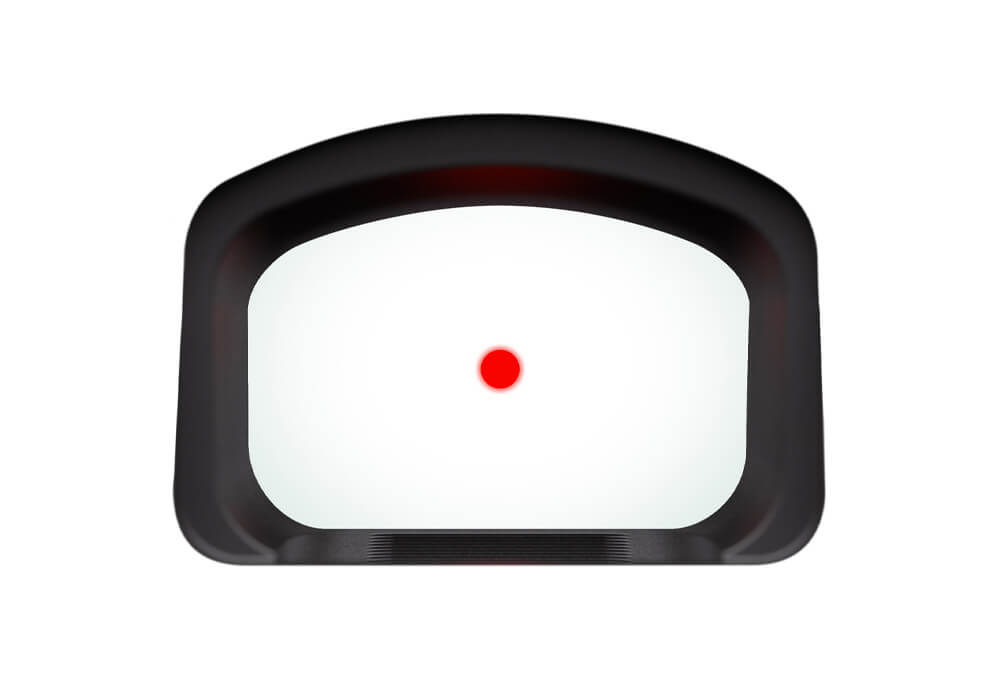
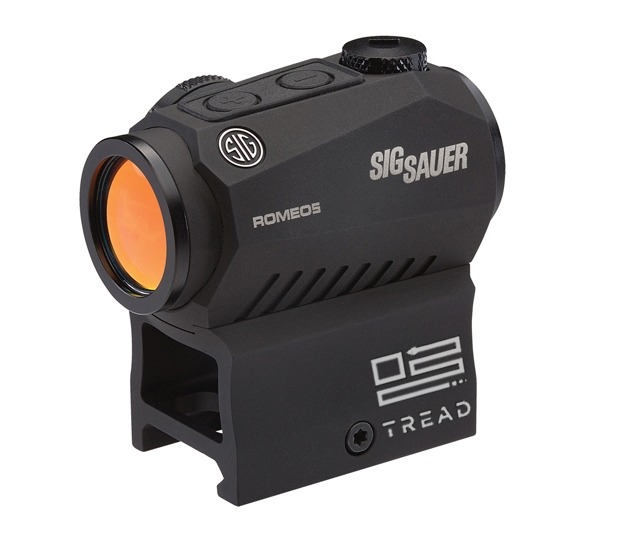
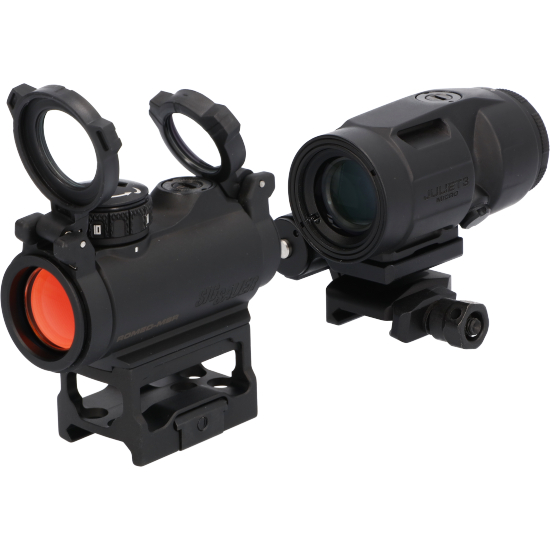
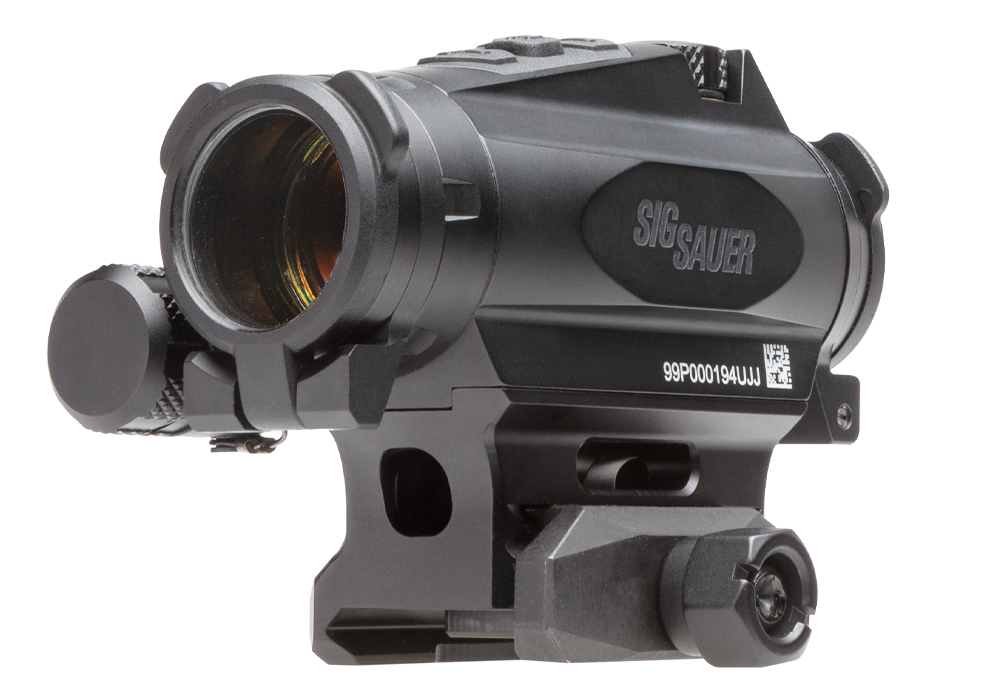
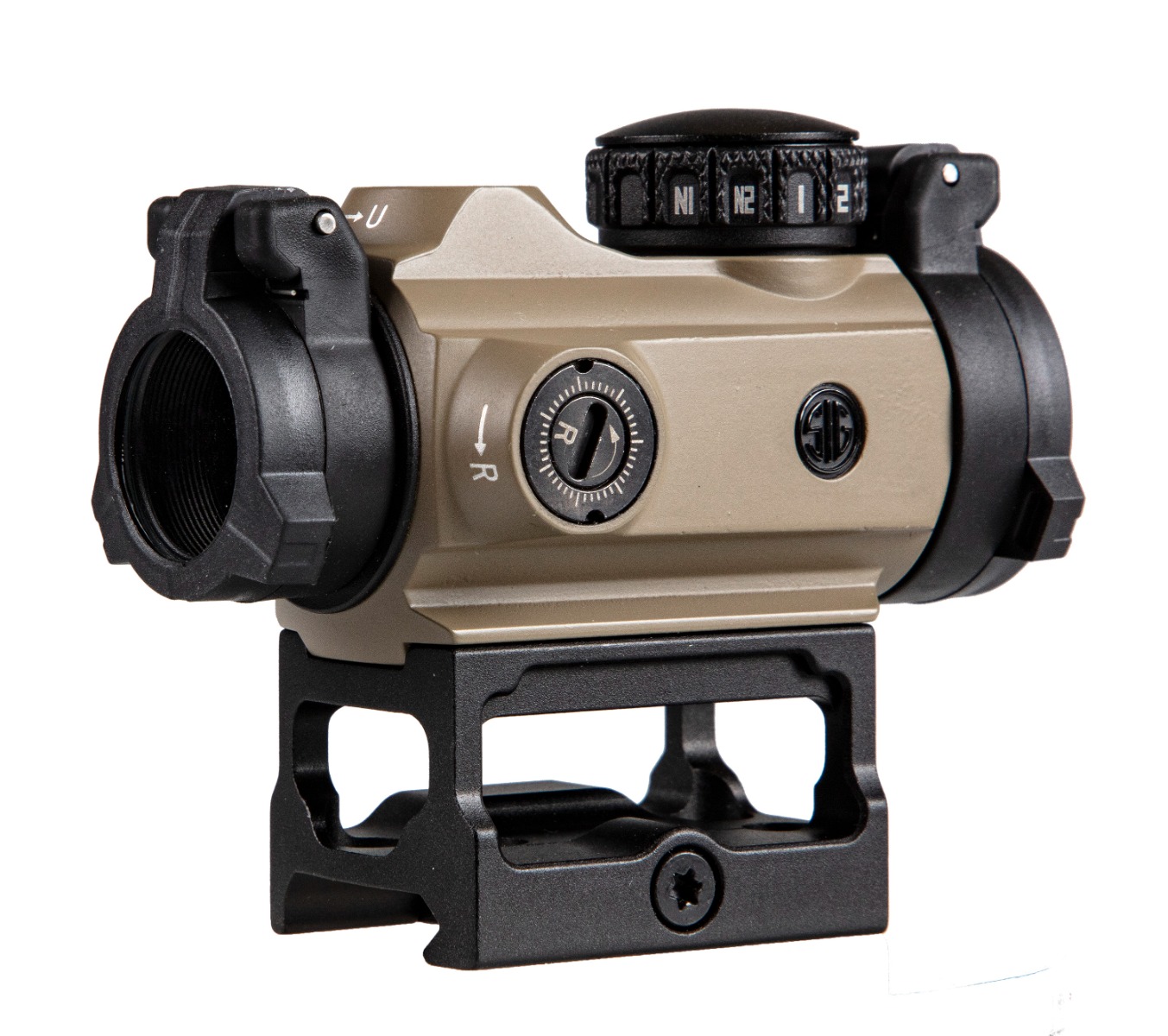
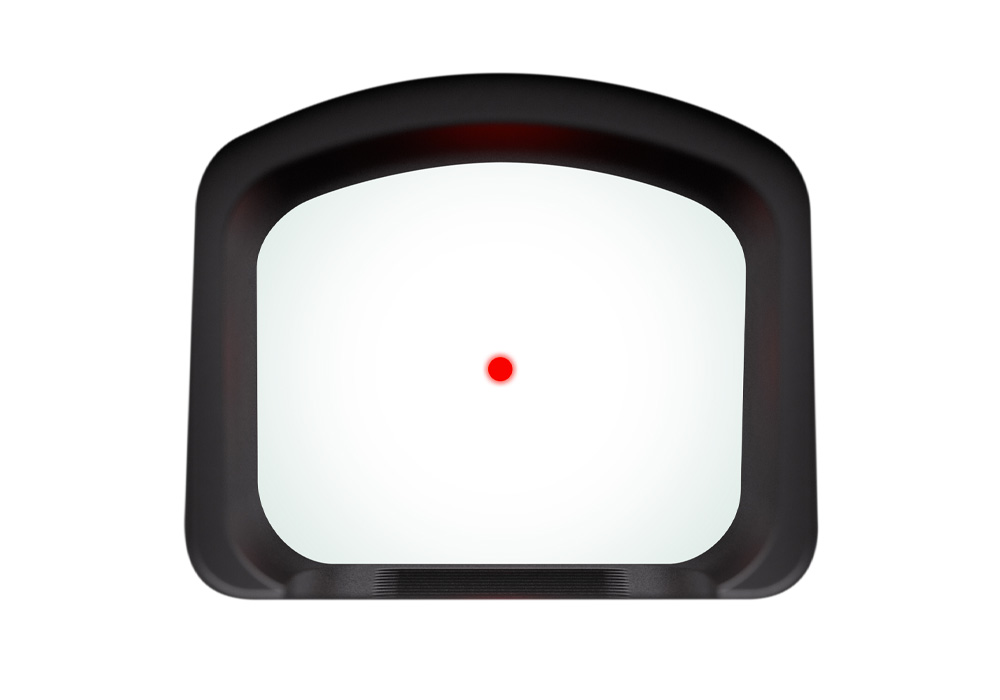
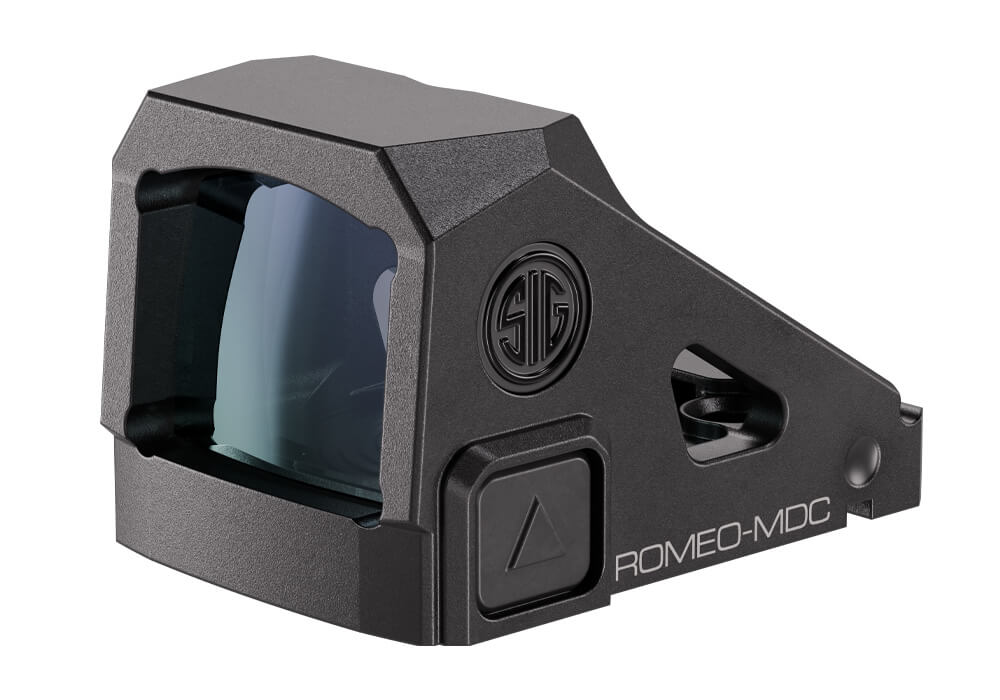
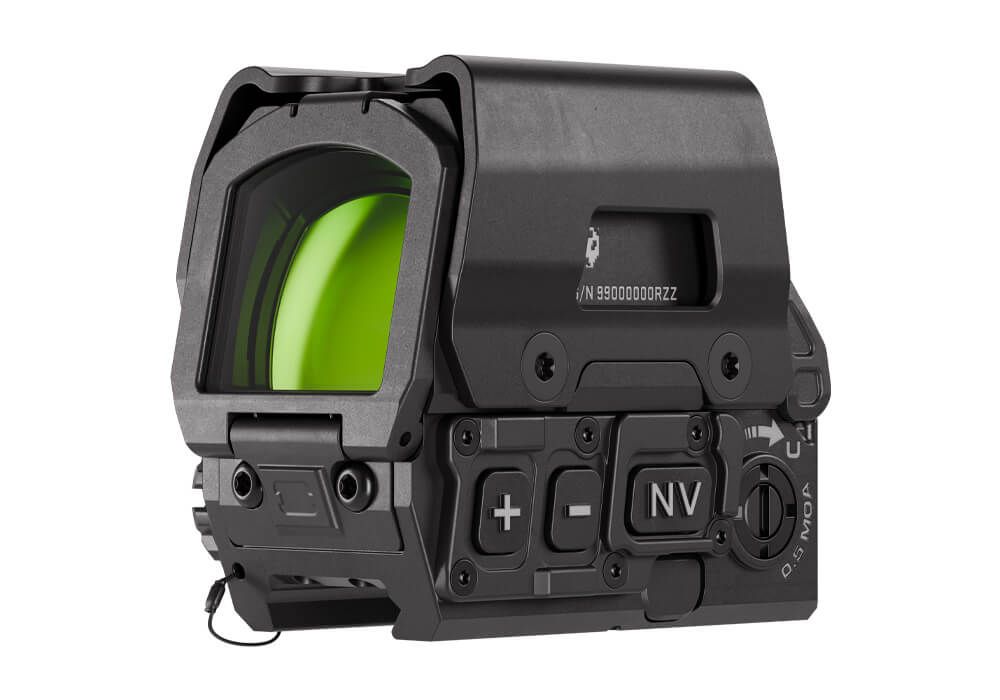
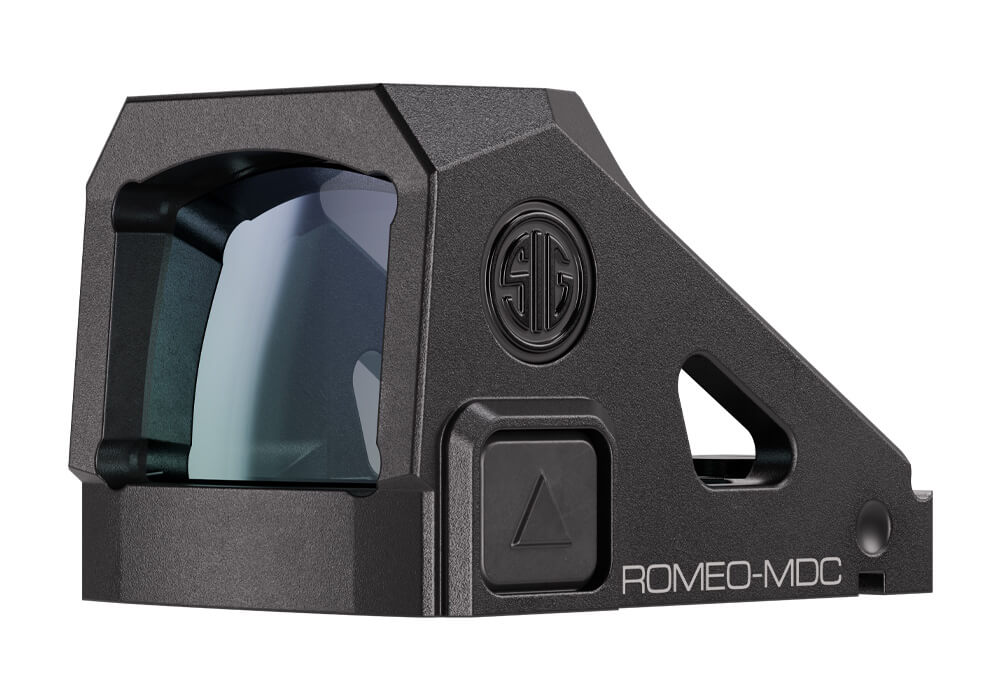
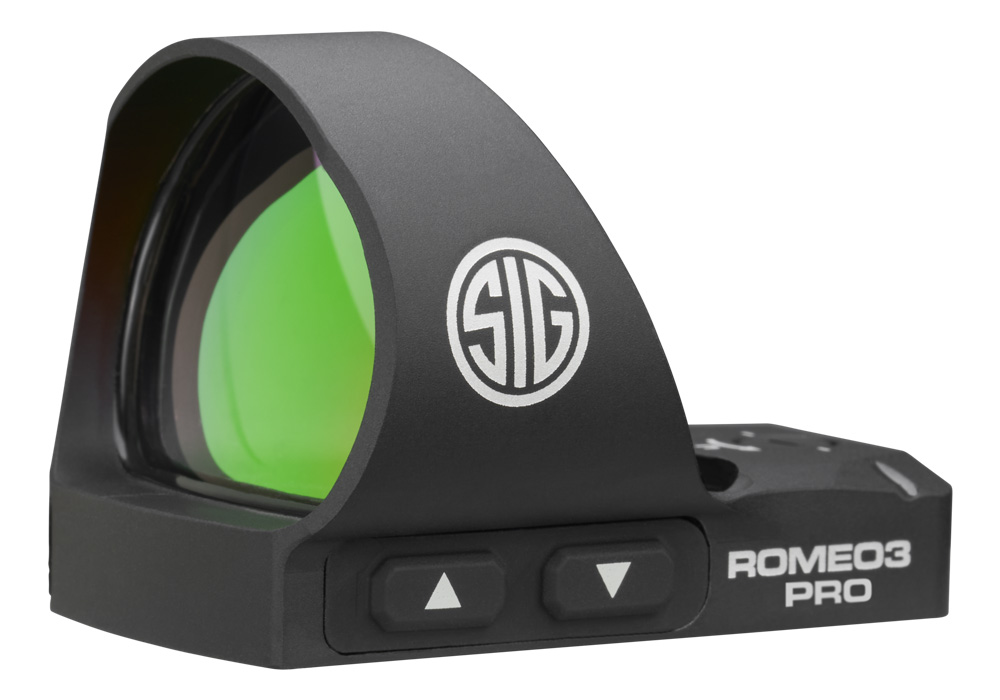
Black finish red dot optics offer a clean, practical way to improve target acquisition while maintaining a subdued appearance on a firearm. Their matte black exterior minimizes distracting reflections and blends naturally with most black slides, receivers, rails, and mounting systems, making them a popular choice for pistols, rifles, and shotguns. Instead of aligning a front sight, rear sight, and target in a single sight picture, the shooter looks through the optic and places the illuminated aiming point where the shot is intended to land. That simpler visual process can be especially helpful when working from a ready position, shooting at varied distances, or practicing in changing light. A black red dot sight may suit a new shooter learning the fundamentals of sight alignment, an experienced owner refining a defensive pistol setup, or a hunter and recreational shooter who values a fast, uncluttered aiming reference. The right optic should complement the firearm and the way it will be used rather than simply look appealing in a product photograph. Before choosing, confirm the firearm’s mounting footprint or rail interface, available clearance, and whether a compatible plate, riser, or adapter is required. Pistol-mounted optics typically need to withstand repeated slide movement, while rifle and shotgun optics may be exposed to different recoil patterns, handling conditions, and mounting positions. A compact sight can preserve a pistol’s streamlined profile, whereas a larger window may make it easier to find the dot during rapid presentation. These are practical differences that become apparent during dry practice, when a shooter notices how naturally the optic comes into view from a consistent grip.
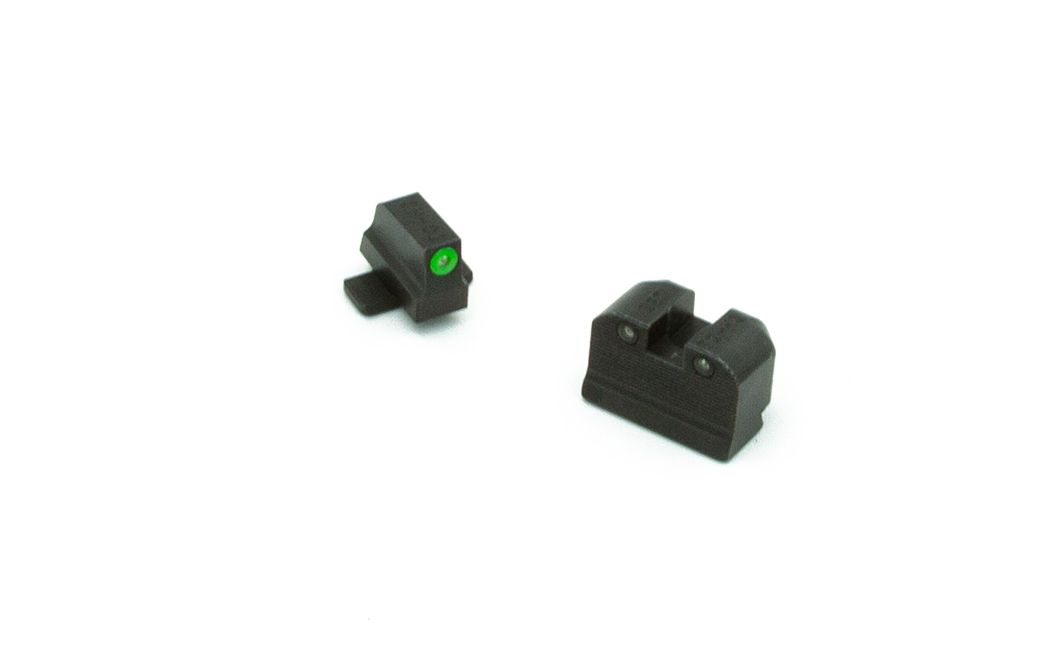
Construction and controls deserve close attention when comparing black finish red dot optics. A durable aluminum housing can help protect the emitter, lenses, and adjustment components from the bumps that come with transport, range use, and field handling, while a low-profile design may reduce the chance of snagging on clothing or equipment. The finish itself is more than a cosmetic detail: a non-reflective matte surface helps limit glare in bright surroundings and gives the optic a discreet, cohesive appearance. Lens quality, window size, and edge-to-edge clarity influence how easily the aiming point can be located, particularly when the firearm is brought up quickly or the shooter is wearing eye protection. Adjustable brightness is another important feature because the ideal dot intensity changes with the environment. In bright outdoor light, a stronger setting can keep the dot visible against a sunlit target; indoors or during the cooler months when daylight fades earlier, a lower setting may produce a more precise aiming point without excessive bloom. Some optics include automatic brightness adjustment, while others use clearly marked manual controls that allow the shooter to set the dot deliberately. Battery access, battery life, illumination settings, and the placement of buttons or dials are worth reviewing before purchase. Motion-activated illumination can help preserve battery life and make the optic ready after a period of rest, but every electronic sight should still be checked before use and supported by a regular battery replacement schedule. Co-witness compatibility with iron sights may provide a familiar reference if the dot is unavailable, and users should verify that the selected height and mounting hardware create a comfortable, usable sight picture. For shoppers comparing black reflex red dot sights, the available selection can be explored through Black Reflex Red Dot Sights, with attention to specifications rather than appearance alone.
These optics can be useful for a broad range of applications, from structured range practice and competition-style drills to lawful personal protection, property use, and hunting where permitted. A pistol optic can help a shooter maintain focus on the target while learning a consistent presentation, though it still requires practice to locate the dot reliably. On a rifle or shotgun, a red dot can provide a quick aiming reference for close and moderate distances without the visual complexity of magnified glass. The best results come from pairing the optic with a secure installation, a confirmed zero, and repeated practice from realistic positions. After mounting, inspect the screws and hardware according to the manufacturer’s instructions, apply the recommended torque, and confirm that the optic remains firmly seated. Begin zeroing from a stable position at a suitable distance, then verify the point of impact at other distances and with the ammunition intended for regular use. Shooters should also practice presenting the firearm safely, managing brightness, and recognizing the dot against both light and dark backgrounds. A black finish red dot optic can make a thoughtful gift for a new firearm owner, a seasoned range partner, or someone upgrading an existing setup, especially when the recipient’s firearm and mounting requirements are known. A gift card or carefully selected optic may be more practical than guessing at compatibility, since footprints, plates, co-witness heights, and intended applications vary. As with any firearm accessory, safe storage, muzzle awareness, eye and ear protection, and compliance with applicable laws remain essential. A well-matched optic will not replace fundamentals, but it can support a more consistent sight picture and make practice sessions feel more focused, whether the range is bright under open skies or the shooter is preparing gear for the changing conditions of early fall through winter.