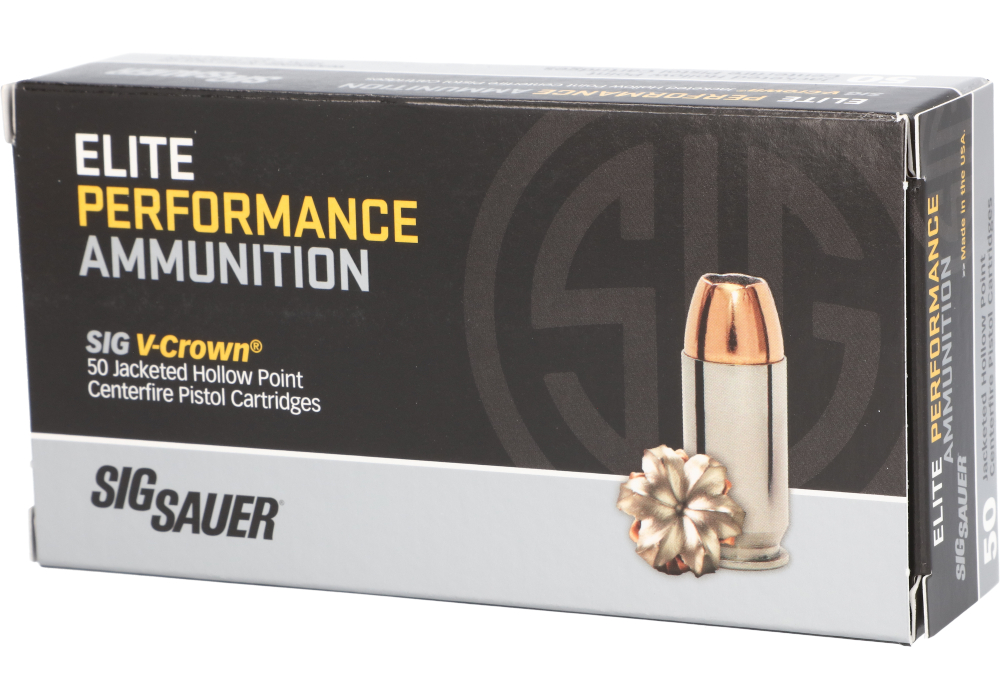
Black Friday ammunition shopping brings a familiar range of needs into focus: rounds for regular target practice, ammunition suited to an upcoming hunting season, and dependable options for organized shooting sports. Across those uses, the most important distinction is not the size of the box but the relationship between the ammunition, the firearm, and the activity. Rimfire ammunition is often associated with recreational shooting and introductory range sessions, while centerfire ammunition spans a broad range of handgun and rifle applications. Shotshells serve different sporting purposes, with their own requirements for gauge, shell length, and firearm compatibility. These categories are not interchangeable, and similar-looking cartridges can have very different specifications. The exact chambering marked on the firearm and the ammunition requirements in its owner’s manual provide the starting point for a suitable match. Within the correct chambering, bullet construction, bullet weight, and published specifications help distinguish ammunition intended for different sporting uses. Bullet weight is commonly expressed in grains, a unit of weight rather than a description of the amount of propellant inside the cartridge. Full metal jacket ammunition is commonly associated with target practice, while other projectile designs serve different purposes and may be subject to range rules or hunting regulations. For someone who spends Saturday mornings working through paper targets, a familiar ammunition type can keep preparation straightforward and make range notes easier to compare between visits. For a hunter heading out during cooler weather, the relevant considerations include lawful ammunition requirements and suitability for the intended sporting application. Recreational shooters, club members, and experienced competitors may all approach ammunition with different priorities, but clear labeling and compatibility matter to every group. This makes ammunition a category where careful attention to specifications has lasting value, well beyond the holiday itself. A box that matches an established activity and the firearm manufacturer’s requirements has a clear role in the range bag, rather than becoming something set aside because its purpose or compatibility is uncertain.
The construction of a cartridge helps explain why ammunition deserves the same attention as the equipment used alongside it. A typical metallic cartridge combines a case, primer, propellant, and projectile, with each component serving a distinct function. Brass is a common case material, valued for its corrosion resistance and its behavior during normal firing, while some ammunition uses steel or aluminum cases. Case material alone does not establish suitability; firearm instructions and shooting facility policies remain important, particularly where certain ammunition constructions are restricted. Projectile jackets and core materials can also affect whether ammunition is permitted at a particular range. Indoor facilities may have rules that differ from those at an outdoor club, so a familiar-looking round should not be assumed acceptable everywhere. Shotshell construction differs from metallic cartridges and commonly includes a hull, primer, propellant, wad, and shot or another projectile configuration. Those differences reinforce why gauge and shell-length markings deserve close attention. Fit is a matter of exact specifications, not appearance, and ammunition should never be forced into a chamber or altered to seem compatible. Published velocity figures also need context: they reflect particular test conditions and do not promise identical results from every firearm. For ordinary range use, consistency, appropriate function, and a manageable shooting experience are more useful considerations than an isolated number on a label. A supervised beginner session may call for ammunition that follows an instructor’s requirements, while a club event may specify an allowable construction or classification. Someone returning to a familiar target lane after several weeks away will usually benefit from having the original packaging and its specifications close at hand. Shoppers also considering a handgun can explore Black Friday Pistol Deals, with ammunition compatibility remaining a separate requirement for any firearm under consideration. Across these settings, intended use gives the technical details meaning. Materials, labeling, and manufacturer guidance are practical points of comparison because they connect the ammunition on the shelf to the conditions and rules of its eventual use.
Care and storage help preserve ammunition’s condition between outings, whether the next trip is a brief indoor session or a full day at an outdoor range. Ammunition is generally durable under appropriate storage conditions, but it is not immune to moisture, corrosion, contamination, or physical damage. A cool, dry, secure location with reasonably stable temperatures is preferable to a damp basement corner or a vehicle exposed to repeated temperature extremes. Original packaging keeps important information together, including the cartridge designation, bullet weight where applicable, and lot identification. Retaining those details makes it easier to distinguish similar ammunition and check manufacturer notices without relying on memory. A protective storage container can help organize boxes and shield them from the surrounding environment, but it should not conceal moisture already present inside. After an outing in wet weather, the condition of exterior packaging deserves attention before it returns to storage. Ammunition should be kept away from cleaning solvents, oils, and other chemicals, and it should not be polished, soaked, or treated like a firearm component. Visible corrosion, a split case, a deformed projectile, or other damage is a reason to set ammunition aside and seek guidance from the manufacturer or an appropriate local authority about safe handling and disposal. Uncertain rounds do not belong loose in the bottom of a range bag alongside tools and cleaning supplies. Secure storage should prevent access by children and unauthorized people, with ammunition stored separately from firearms and in accordance with applicable laws. For adults considering ammunition as a holiday gift, the recipient’s exact firearm requirements, established sporting interests, and eligibility matter more than a guess based on appearance. Purchasing and transfer requirements can vary by jurisdiction, and a gift should never substitute for confirming those details. Throughout the cooler months, thoughtful organization keeps preparation simple: clearly identified boxes, sound packaging, and the right ammunition for the planned activity. These practical habits support responsible ownership and help keep the focus where it belongs—on a well-prepared, rules-conscious day at the range or in the field.