Black Friday Shooting Accessories & Optics Offers

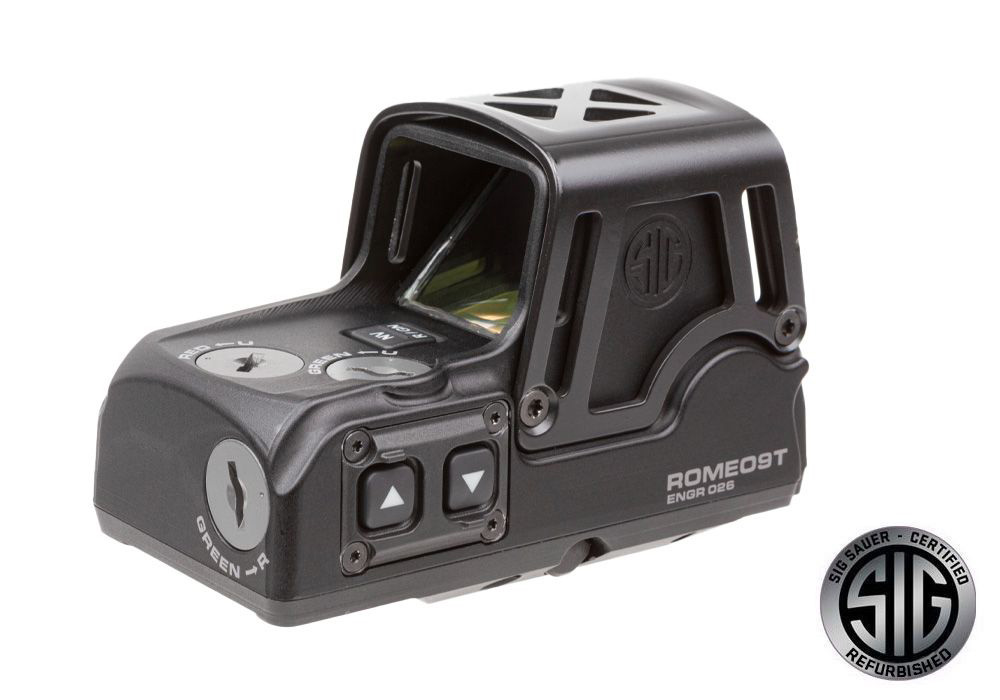
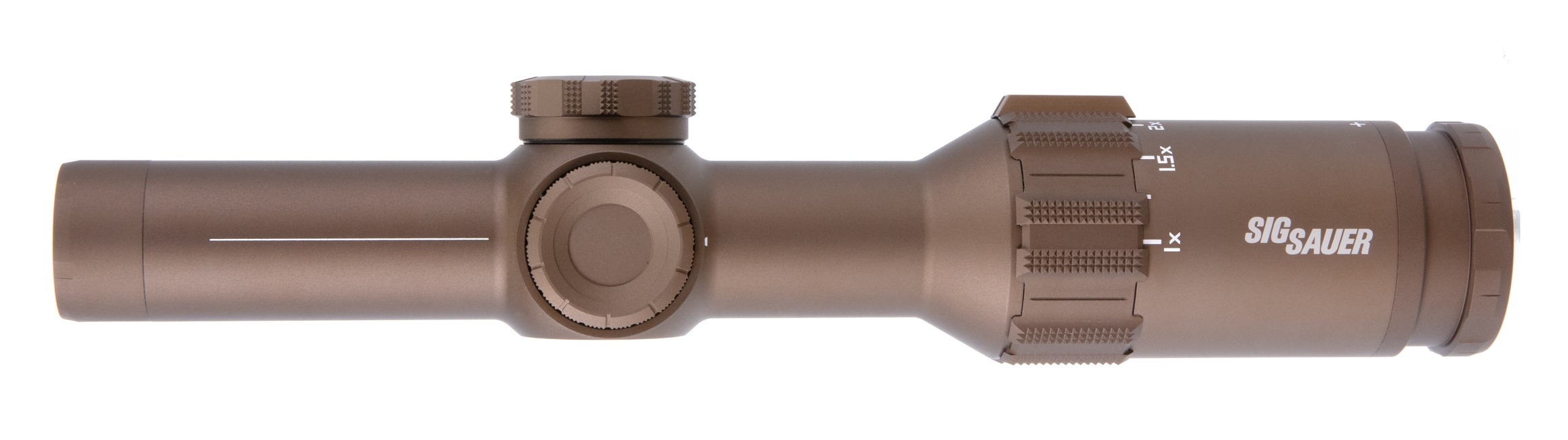
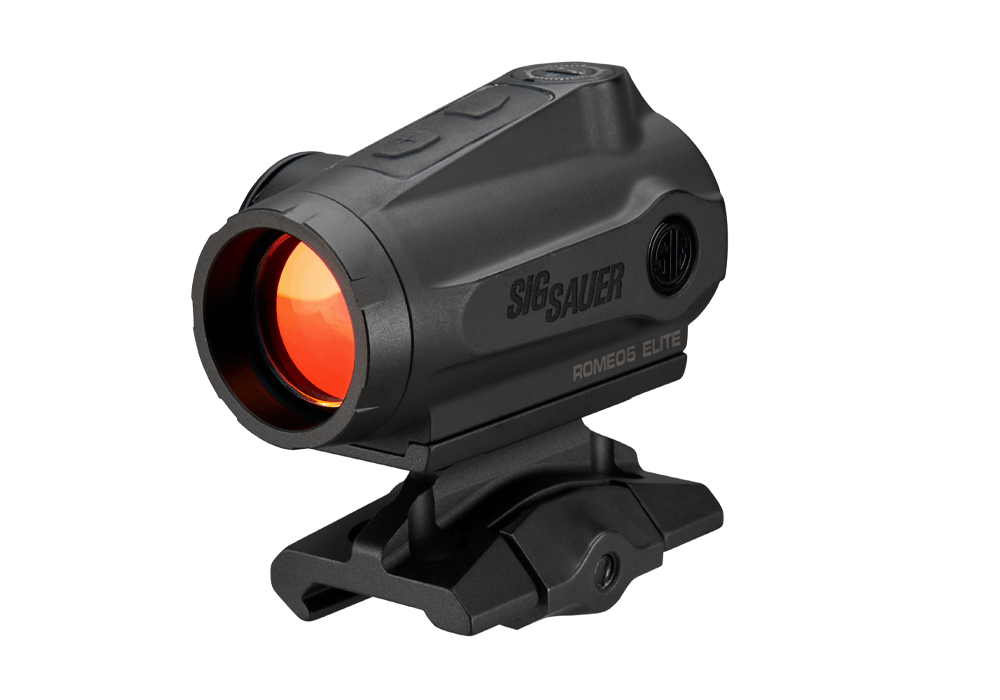
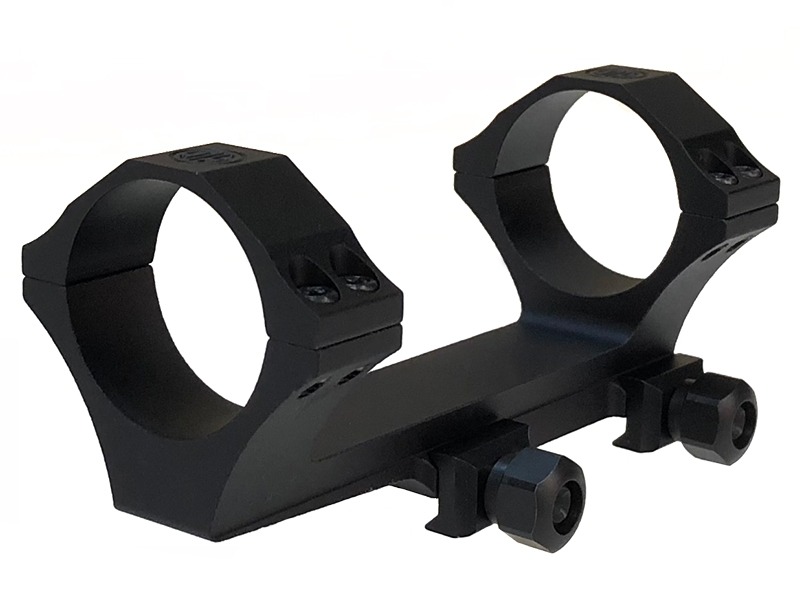
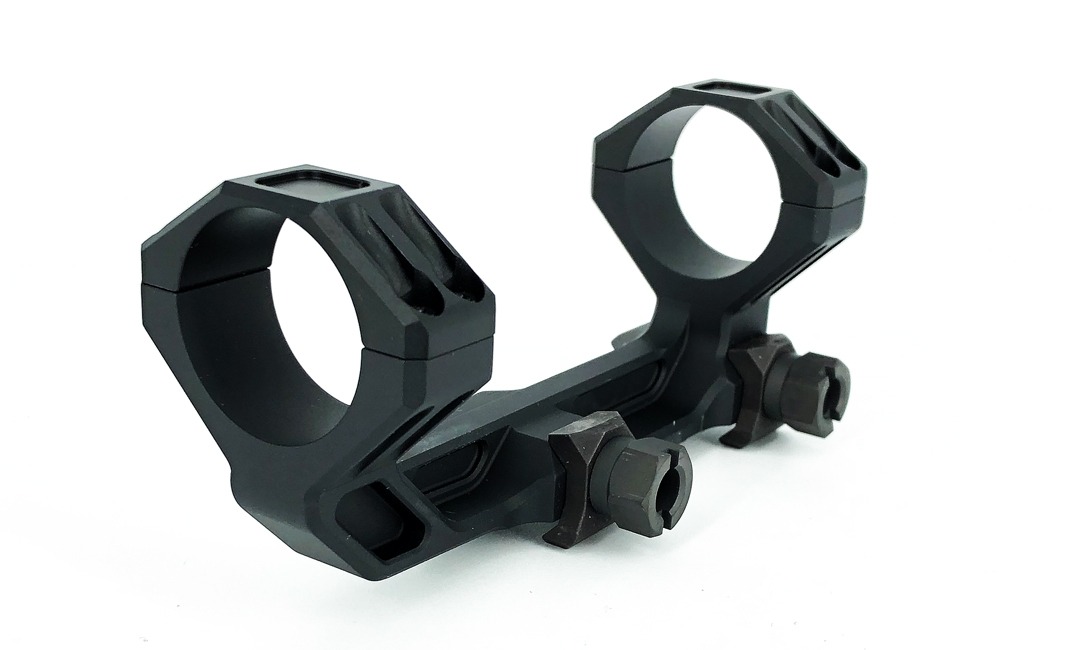
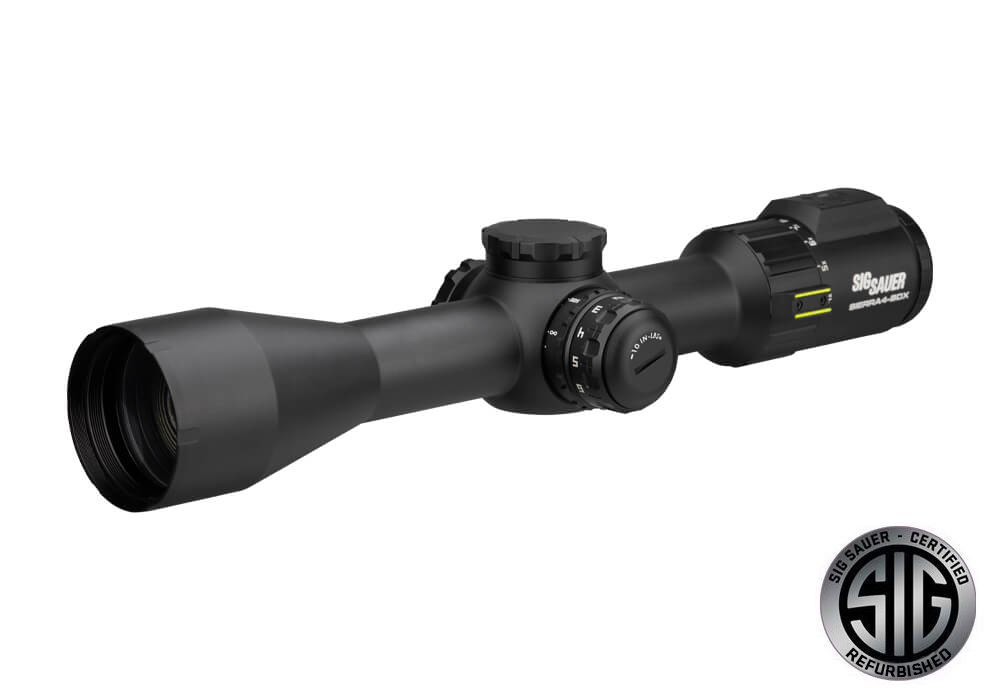
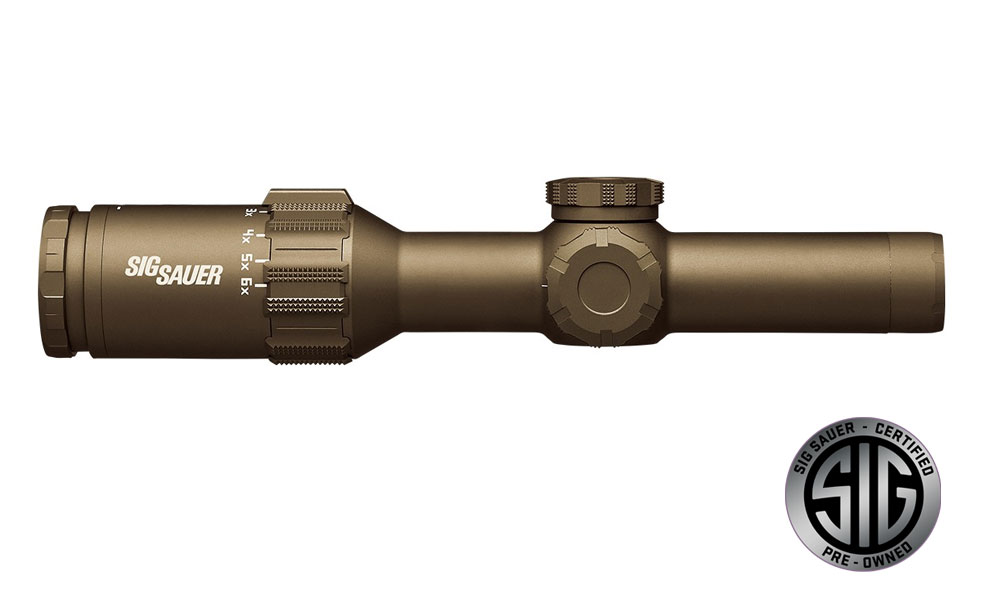
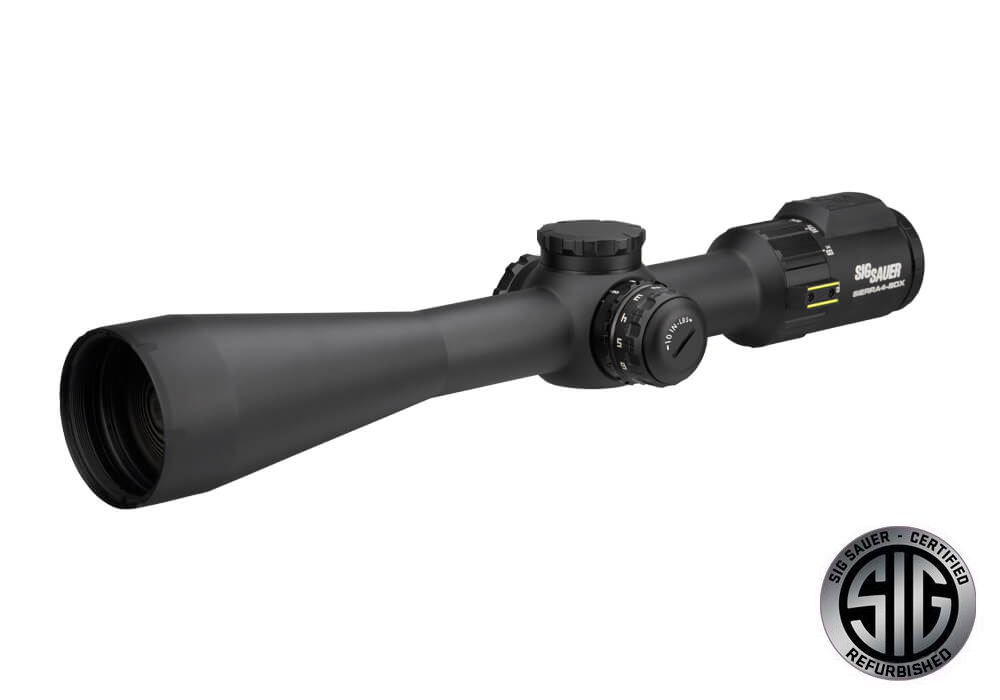
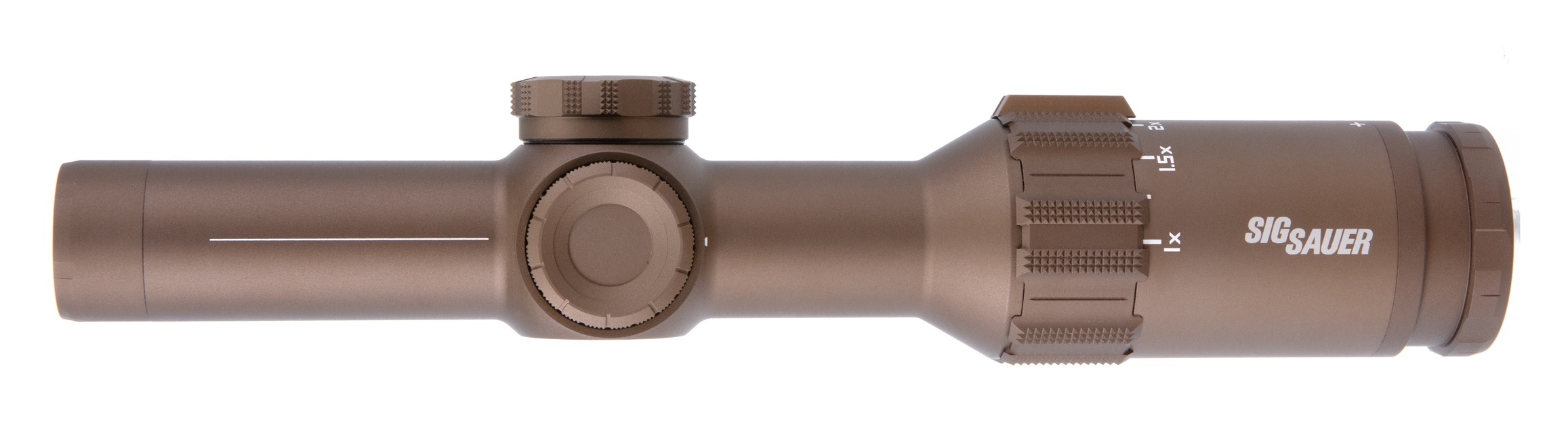
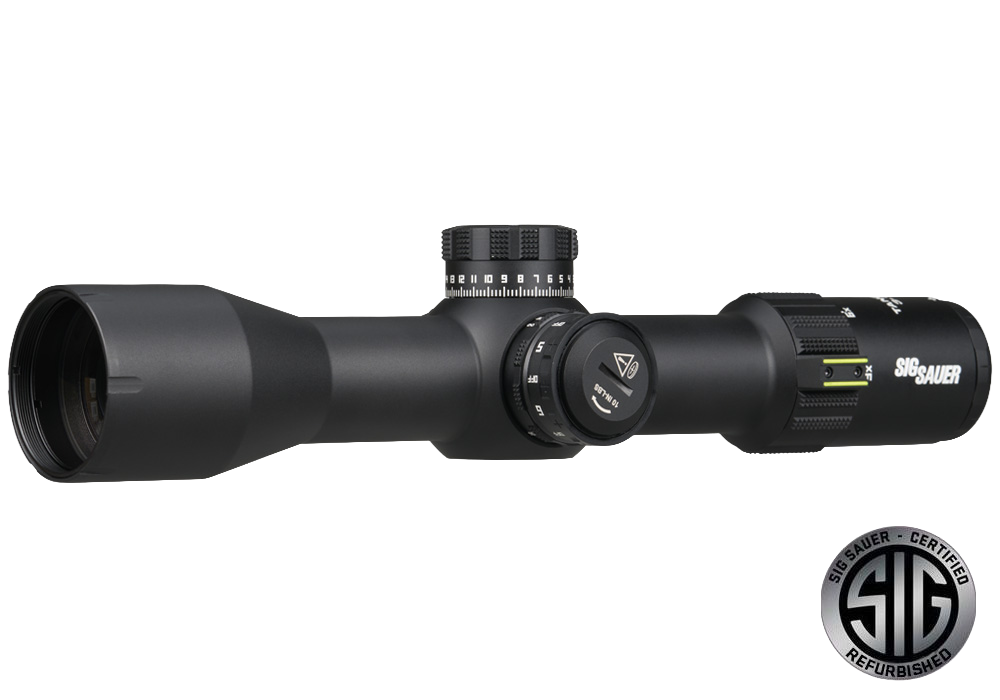
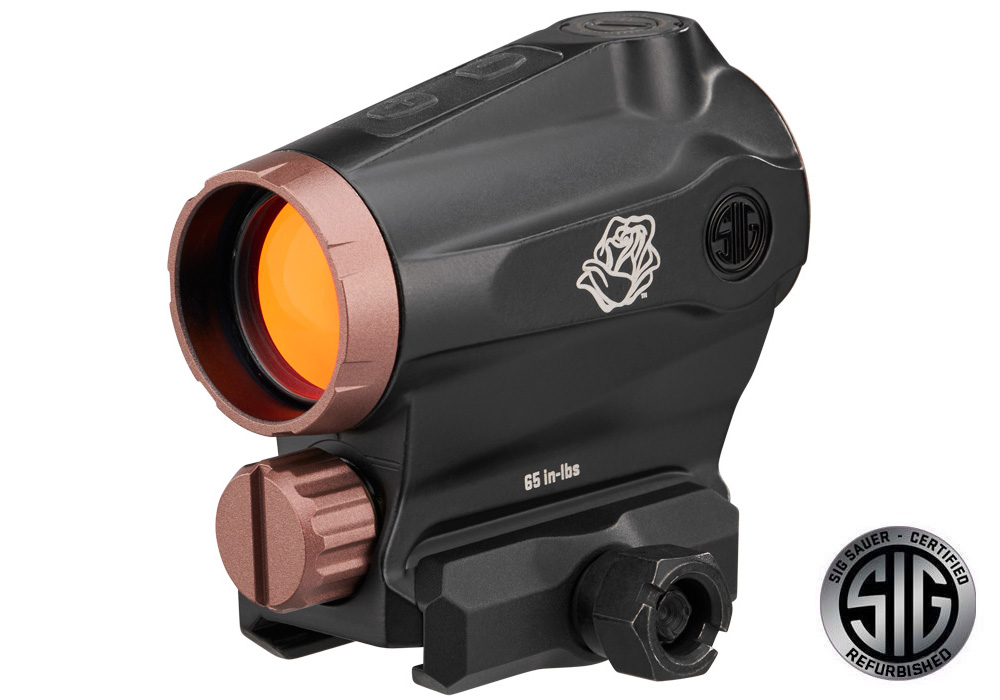
Clarity. Durability. Confidence. Prepare for Black Friday with SIG SAUER optics engineered for demanding days at the range and in the field. Explore red dot sights, variable-power riflescopes, and optic combo kits, then check each product’s included accessories to plan your purchase.

Read More
per page
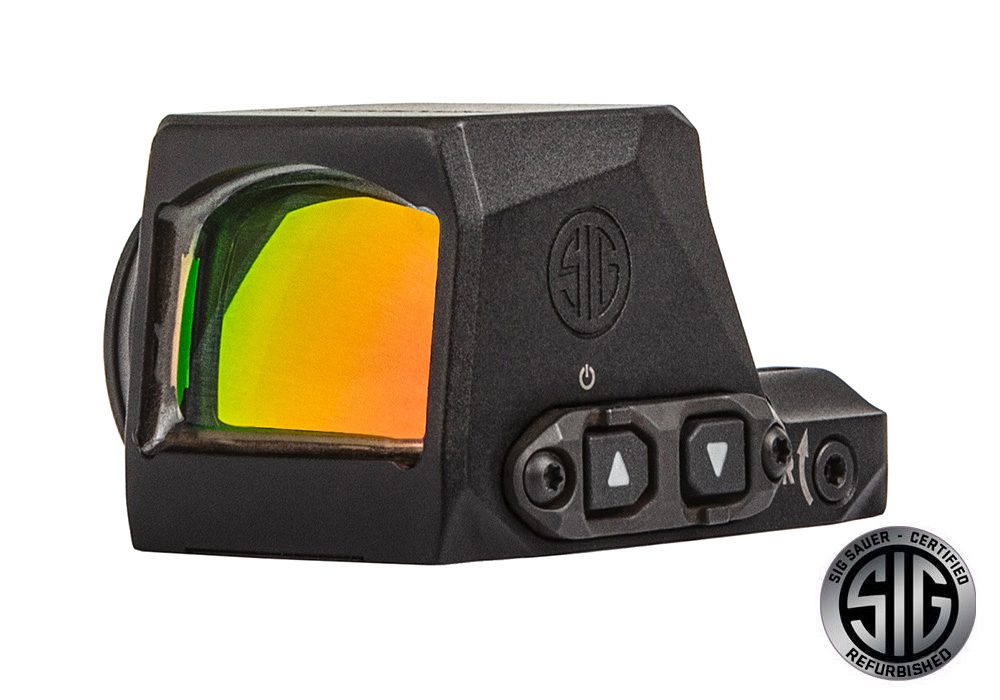
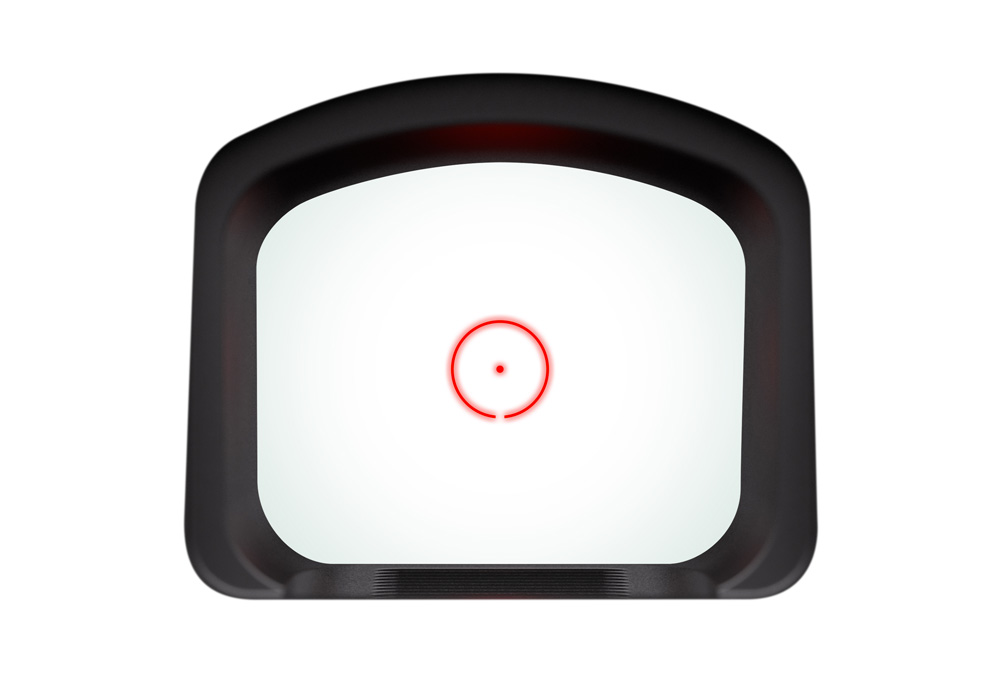
Black Friday shooting accessories and optics bring together the supporting equipment that helps keep recreational shooting organized, comfortable, and focused on responsible use. The category spans sighting equipment, protective gear, storage solutions, and care essentials, with different priorities for occasional range visitors, regular target shooters, and outdoor enthusiasts. A well-considered setup starts with the activity it supports: an afternoon at an indoor range calls for dependable eye and hearing protection, while transporting equipment between home and a shooting facility puts greater emphasis on secure closures, protective padding, and manageable carrying weight. Optics deserve the same practical approach. Red dot sights provide an illuminated aiming reference without a traditional magnified sight picture, while riflescopes offer magnification for viewing targets in greater detail. Neither category is interchangeable across every platform or purpose, and compatibility matters as much as the features visible on a specification sheet. Shoppers exploring that narrower optics category can also browse Black Friday Red Dot Sight Offers. Across shooting accessories, useful distinctions often appear in everyday handling rather than elaborate feature lists: whether a closure can be operated comfortably, whether a case keeps its contents from rubbing together, or whether protective eyewear remains comfortable beneath hearing protection. These details become especially noticeable over a full range session, when a poorly positioned seam or an awkward compartment can turn a small inconvenience into a recurring frustration. For Black Friday browsing, a clear sense of intended use helps keep attention on equipment that belongs in an established routine. Someone who practices regularly may appreciate durable materials and simple maintenance, while a newer participant may place greater value on straightforward controls and clearly documented compatibility. The most useful accessories solve a recognizable problem without adding unnecessary complexity, whether that means protecting glass during transport, keeping small essentials organized, or making required safety equipment more comfortable to wear consistently.

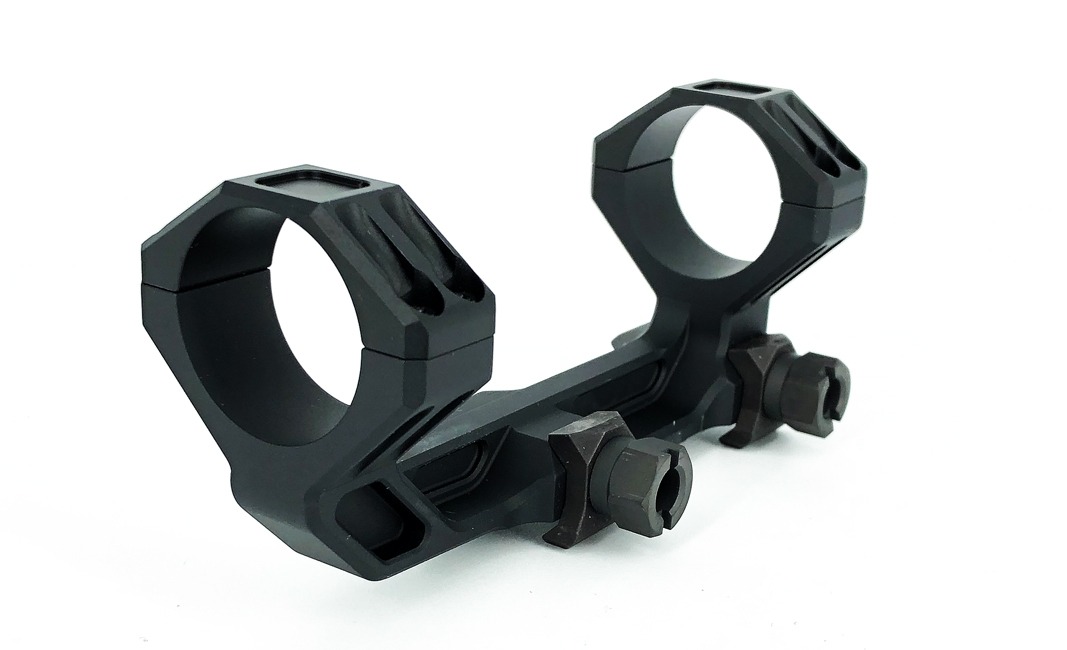
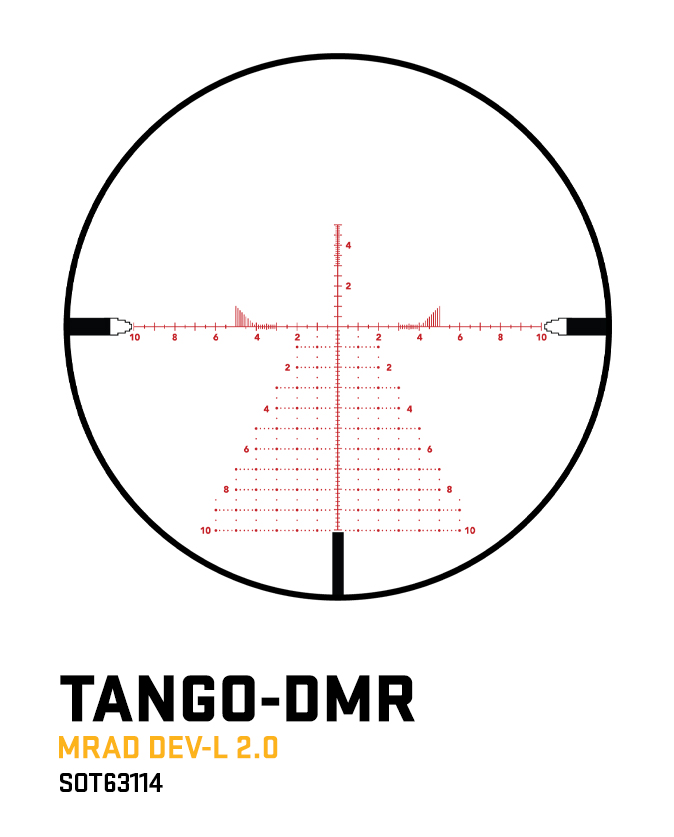
Optical quality involves more than magnification alone. Image clarity, viewing comfort, lens coatings, and the visibility of the aiming reference all influence the experience of looking through an optic. Depending on the design, coatings can help manage reflections and light transmission, but broad claims about glass quality are less informative than clearly stated specifications and a comfortable view. A magnified optic also has a defined eye relief and a viewing position in which the full image is visible; those characteristics deserve attention alongside overall size and weight. For an illuminated optic, accessible controls, documented battery requirements, and understandable brightness settings are practical ownership considerations. Battery life claims should be read with their stated conditions in mind, since operating settings can affect the expected interval between replacements. Fit is equally important. Compatibility can depend on the mounting interface, physical dimensions, and the requirements of both the optic and the equipment supporting it. Similar appearances do not establish a correct match, and manufacturer documentation is the appropriate reference for confirming suitability. When professional installation is recommended, a qualified service provider can address fit without guesswork. Housing materials and construction also help distinguish equipment intended for different levels of use. Aluminum housings are common in optics, while protective accessories may combine rigid shells, resilient polymers, woven fabrics, and cushioned interiors. Material names alone do not tell the full story: hinge construction, edge finishing, stitching, and the way a latch engages can be just as important to everyday durability. Water-resistance and impact-resistance ratings should be understood within the limits stated by the manufacturer rather than treated as promises of unlimited protection. A durable optic still benefits from careful handling, and a protective case works best when its interior suits the shape and dimensions of its contents. For someone carrying equipment through a busy parking area or storing it between range visits, dependable protection and an uncomplicated layout can matter more than features that rarely see use.

Care and organization give shooting accessories much of their long-term value. Dust on a lens, grit caught in a zipper, or moisture trapped inside a closed case can gradually affect equipment that otherwise receives careful treatment. Optical surfaces call for cleaning materials approved for coated lenses and the care sequence specified by the manufacturer; ordinary household cleaners and abrasive fabrics may not be suitable. Fabric and rigid-shell accessories have their own cleaning requirements, particularly around padding, seals, and interior linings. Allowing cleaned equipment to dry as directed before storage helps preserve those materials, while periodic checks of closures, straps, and worn stitching can reveal when an accessory needs attention. Organization should support safe handling rather than merely create more compartments. A clearly arranged range bag makes protective equipment easy to find before entering the shooting area and keeps cleaning supplies separated from surfaces they could stain or damage. Secure firearm storage is a separate responsibility from convenient transport, so carrying equipment should not be assumed to provide the safeguards of a dedicated locking storage solution. Eye and hearing protection also deserve more than a quick check for appearance. Documented protective ratings, suitable sizing, and compatibility between the two help determine whether they will serve their intended purpose. Eyewear that interferes with the seal of earmuffs, for example, can undermine an otherwise comfortable combination; facility requirements and manufacturer guidance remain important references. For holiday gifts associated with Black Friday, shooting accessories can be thoughtful choices when the recipient’s preferences and equipment are known. Someone who already has a familiar range routine may welcome an organizational or protective accessory that fits that routine, while an optic requires more exact knowledge of compatibility and intended use. Guessing at a mounting interface or a preferred sighting system is less useful than understanding what the recipient actually needs. Clear care instructions, accessible warranty terms, and practical construction details all contribute to ownership beyond the occasion itself. From the first unpacking to repeated trips to the range, well-chosen accessories earn their place through reliable fit, manageable upkeep, and a purpose that remains useful over time.
Read More

FAQ

Related Pages

Compare Products
Items
Launch Compare

Zip Code Verification

Some localities have legal restrictions on products which requires the validation of your ZIP code

Age Verification

Some localities have legal restrictions on products which requires the validation of your age