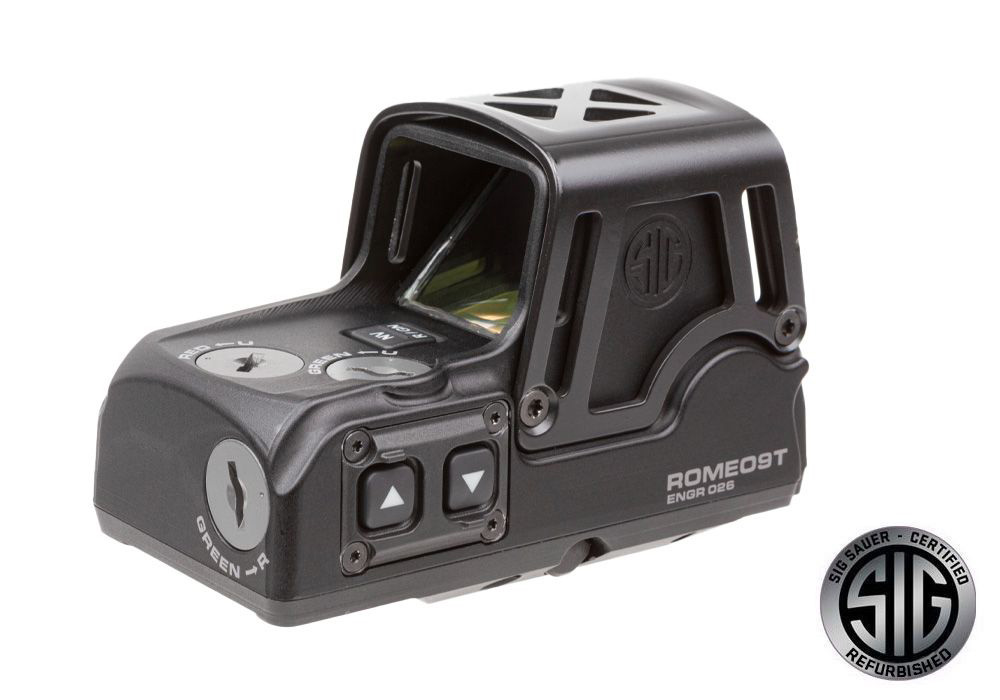
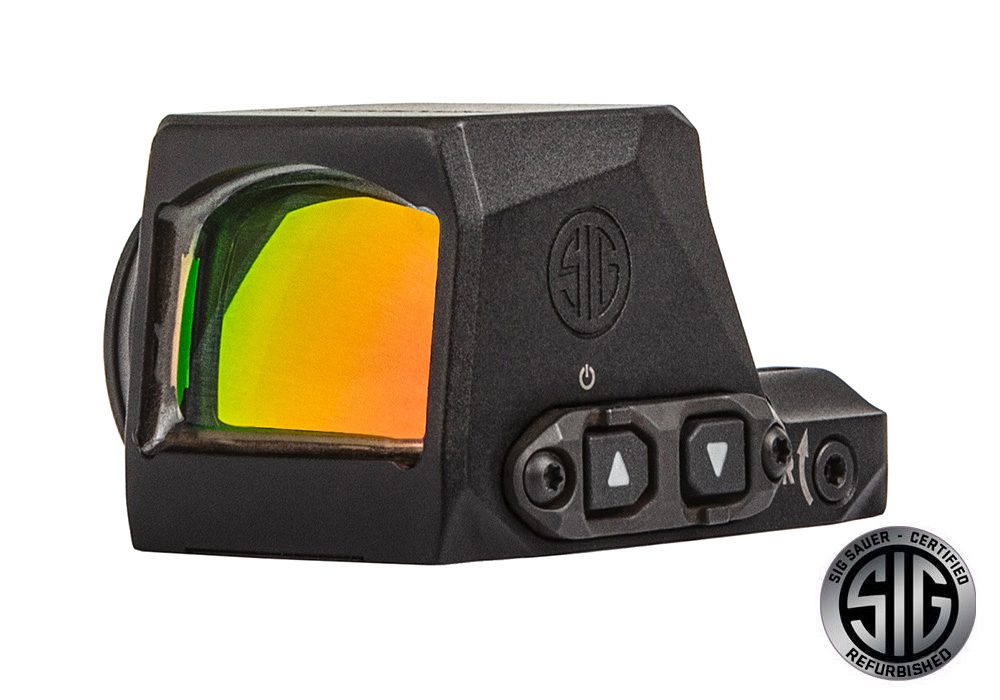
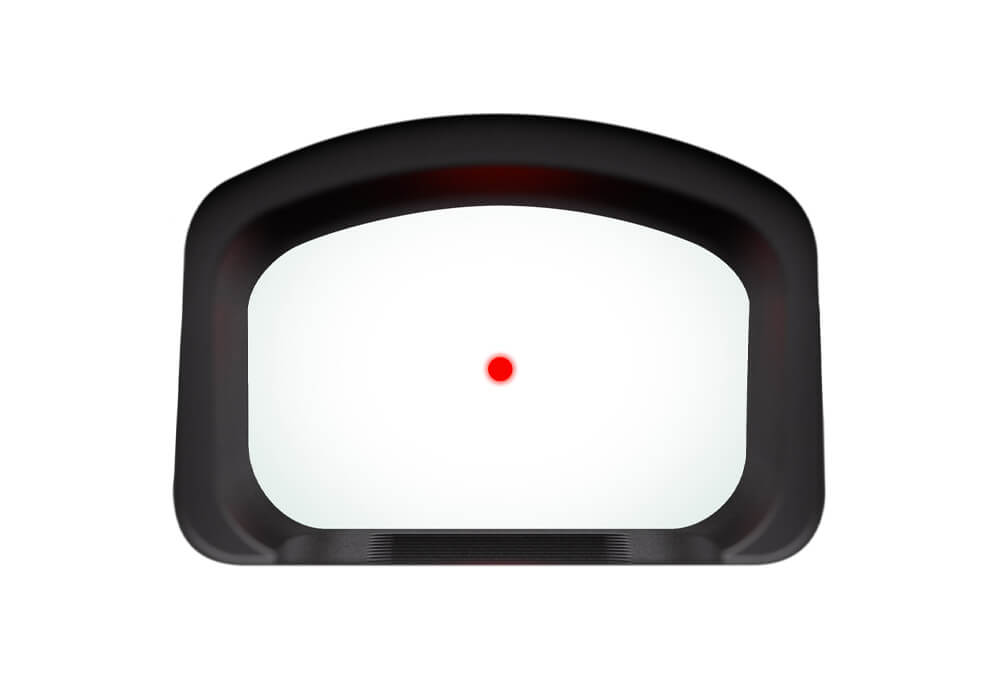
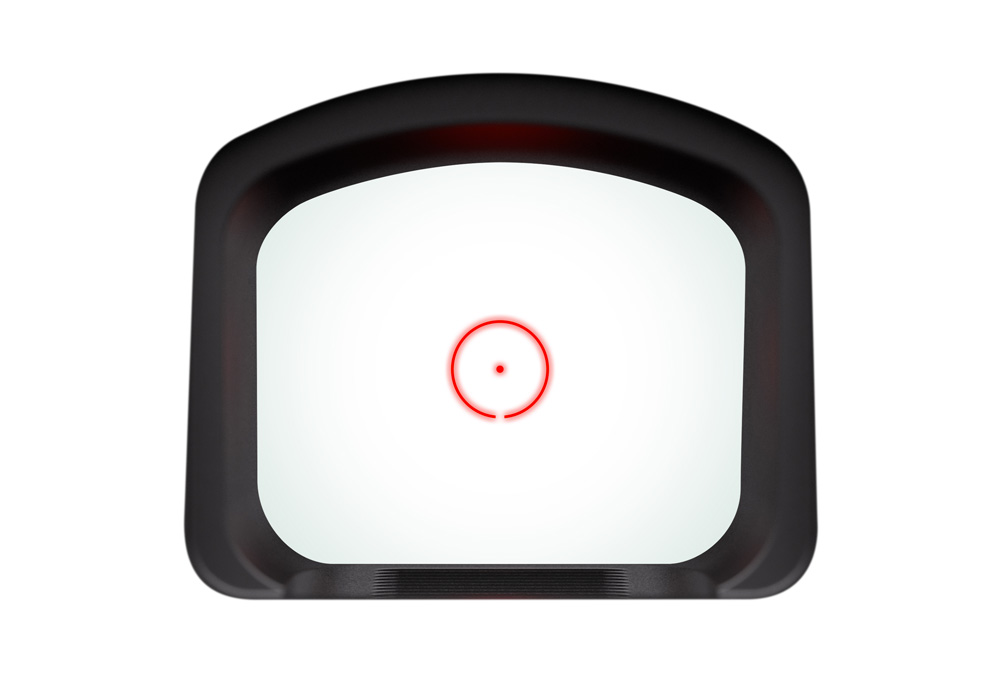
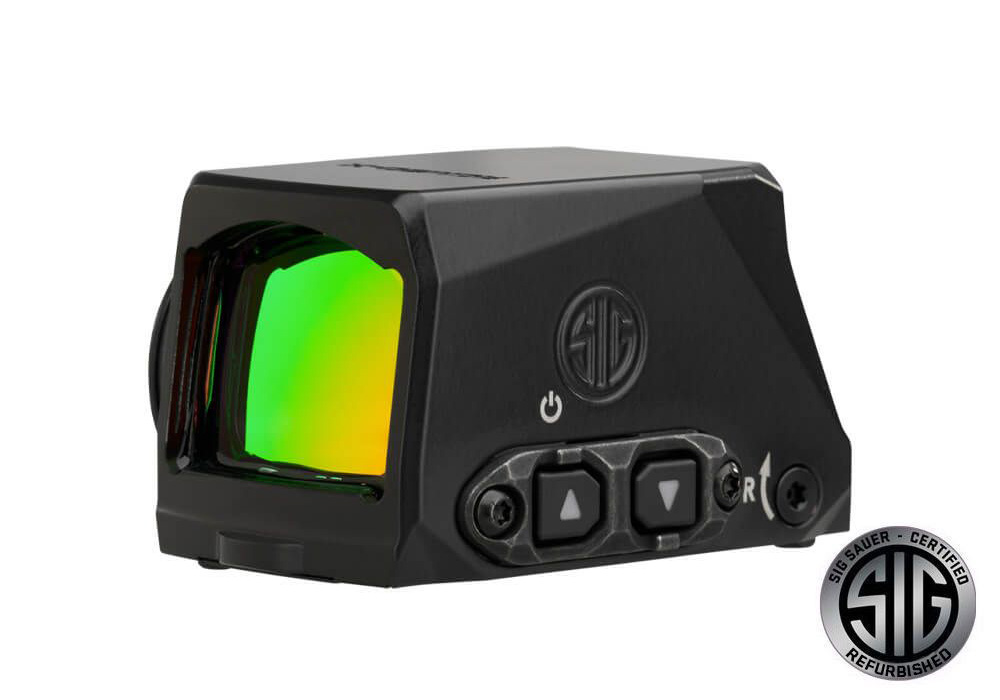
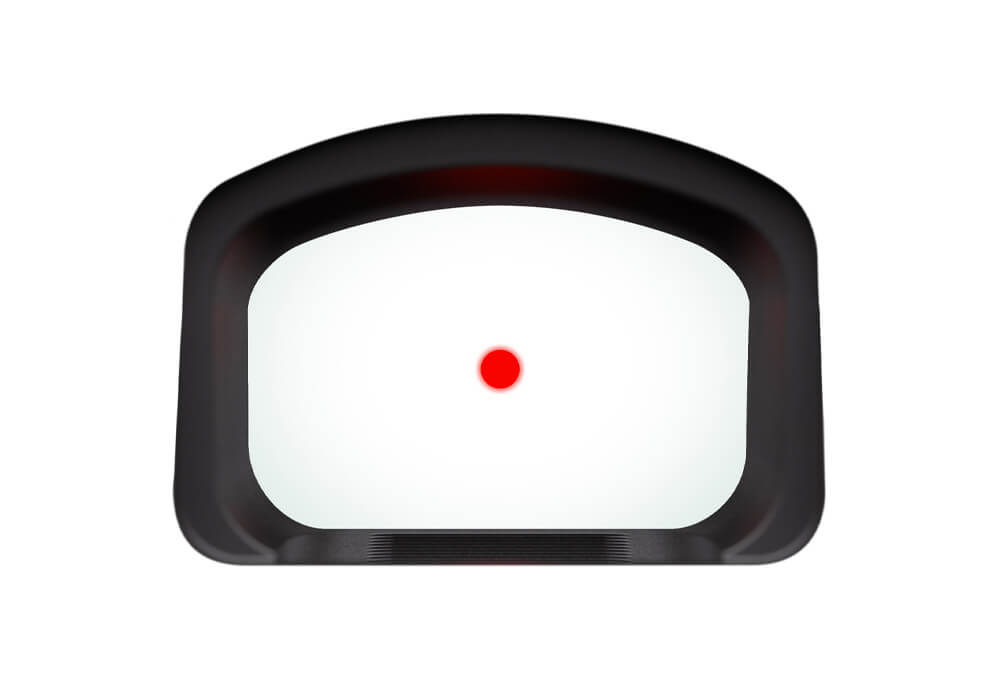
Black Friday red dot sight offers bring together a wide range of compact aiming optics for shooters who want a faster, clearer sight picture without adding unnecessary complexity to their setup. A red dot sight uses an illuminated aiming point rather than traditional front and rear sights, allowing the shooter to focus on the target while keeping the optic’s reticle visible against a variety of backgrounds. Depending on the design, these sights may be used with handguns, rifles, shotguns, or other compatible platforms, provided the optic, mounting system, and firearm are properly matched. As you compare options, begin with the intended application. A compact optic suited to a concealed-carry handgun may have different dimensions, controls, and mounting requirements than one selected for a carbine or shotgun. Check the manufacturer’s specifications for footprint compatibility, mounting hardware, adjustment range, battery type, illumination settings, and resistance to water, dust, and recoil. A bright aiming point can be useful in daylight, while lower settings may be preferable in dimmer conditions so the reticle does not overpower the target. Window size also affects the experience: a larger viewing area can make it easier to locate the dot during presentation, while a smaller, enclosed design may offer a streamlined profile. Black Friday pricing can be a helpful opportunity to compare these details alongside cost, but value comes from choosing an optic that fits the firearm, the shooter, and the way it will be used.
For many shooters, a red dot sight becomes most useful after a thoughtful period of setup and practice. Mounting should be completed with the correct parts and torque specifications, and the sight should be zeroed from a stable position before it is relied upon for any serious purpose. A trip to the range during the warmer part of the season can provide a good setting for learning the optic’s controls, confirming the zero, and practicing a consistent presentation. As cooler weather arrives, the same setup may be used for target shooting, training sessions, competition, or hunting where local laws and regulations permit. Shooters often notice that the most important adjustment is not the brightness setting but their own technique: bringing the firearm to the same position each time, keeping both eyes open when appropriate, and maintaining safe trigger discipline throughout the process. A red dot does not replace fundamentals, and it should never be treated as a shortcut around safe handling, proper identification of a target, or responsible storage. For anyone planning to use an optic for a seasonal range outing or organized event, the collection of Red Dot Sights for Labor Day Shooting Events can provide a useful starting point for comparing compatible options. Always verify range rules, transport requirements, and applicable firearm regulations before heading out, and allow time to confirm that the mount remains secure after installation and live-fire testing.
A red dot sight can also be a practical gift for an experienced shooter, a new firearm owner building a range setup, or a family member preparing for a structured training course. It is especially well suited to someone who appreciates equipment that can be adjusted to personal preferences and used across repeated practice sessions. Gift shoppers should avoid guessing when compatibility is uncertain; the firearm model, optic-ready slide or rail system, mounting footprint, and preferred reticle style all matter. A gift card or a conversation about the intended platform may be more useful than selecting an optic that cannot be installed without additional parts. When comparing Black Friday red dot sight offers, look beyond the displayed price and review what is included, such as a mount, adapter plate, protective cover, battery, adjustment tool, or warranty support. Consider whether the optic has controls that are easy to operate with the firearm secured, whether the battery compartment can be accessed without disturbing the zero, and whether the sight’s profile works with existing holsters, cases, or backup sights. Some users value a crisp, unobtrusive dot for precise range work, while others prefer a more forgiving window and straightforward controls for general practice. The best choice is the one that complements the shooter’s habits and equipment rather than adding complication. During late-fall range days and the cooler months that follow, a properly selected and carefully zeroed red dot can make practice more engaging, help build consistent presentation skills, and give a well-planned firearm setup a clean, functional finishing touch.