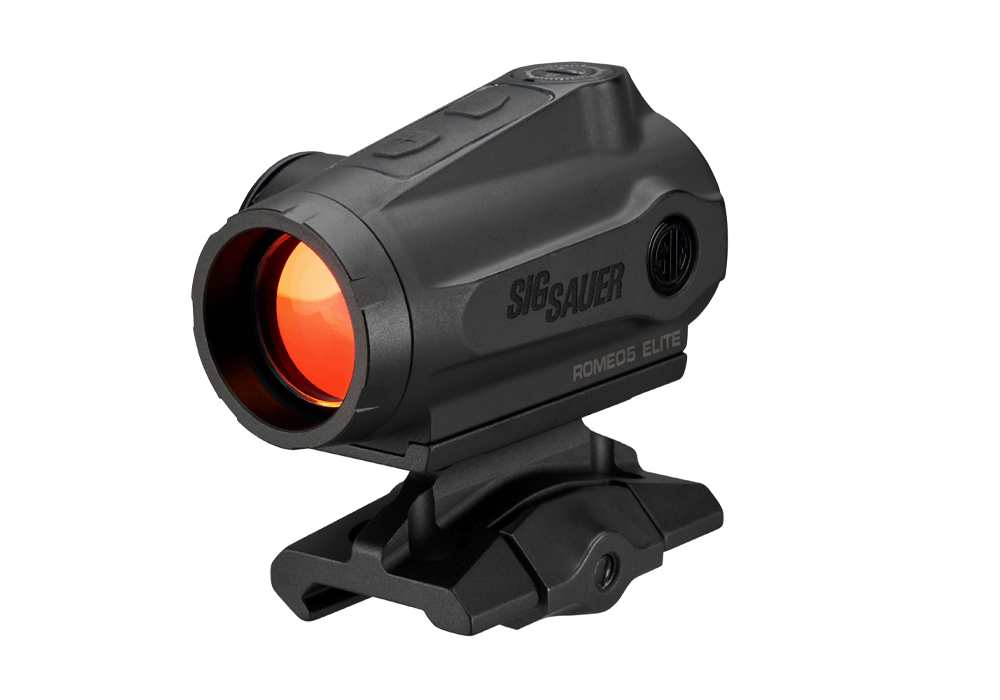
Outdoor optics accessories bring practical protection, comfortable carrying, and better organization to equipment used for wildlife observation, hunting, and range visits. Black Friday is a familiar occasion for choosing these supporting essentials, whether the goal is to replace a worn carrying strap, protect exposed glass, or find a useful gift for someone who spends hours behind an optic. The right accessory often earns its place through small conveniences: a cover that stays attached when opened, a case that keeps adjustment controls from rubbing against other equipment, or a cleaning cloth stored where grit cannot reach it. These details matter when binoculars come out repeatedly along a trail or a spotting scope travels between a vehicle and an observation point. Materials help determine how an accessory feels and functions over time. Aluminum components can provide rigidity without unnecessary bulk, while reinforced polymers can offer a practical balance of light weight and resistance to everyday scuffs. Padded textiles cushion equipment during transport, and tightly woven exterior fabrics can help limit abrasion from neighboring gear. Stitching, edge binding, zipper construction, and attachment points deserve as much attention as the main material, since these are often the areas that receive repeated handling. Lens protection has its own requirements: a useful cover shields the glass without pressing against it, while a protective pouch keeps delicate surfaces separate from keys, tools, and loose debris. For someone walking a long trail, low weight and quiet handling may matter most. For someone transporting several pieces of observation equipment, internal separation and an orderly layout can be more useful than an especially compact profile. Outdoor optics accessories work best when they support the way equipment is actually carried, accessed, and put away, rather than adding features that rarely serve a purpose. A simple accessory that fits correctly and stays easy to use can become a dependable part of nearly every outing, especially when its usefulness is apparent without rearranging the rest of the kit.
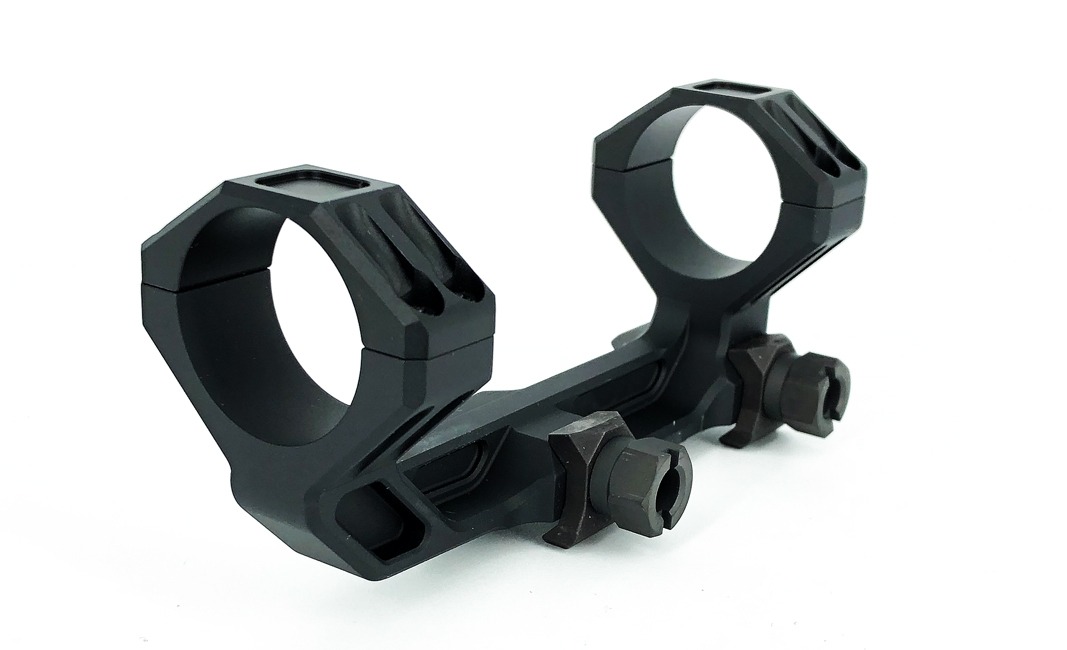
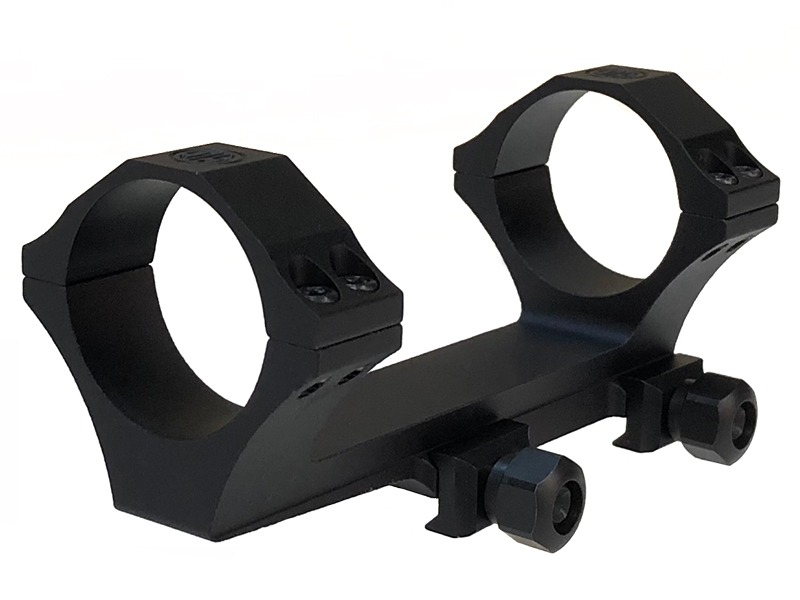
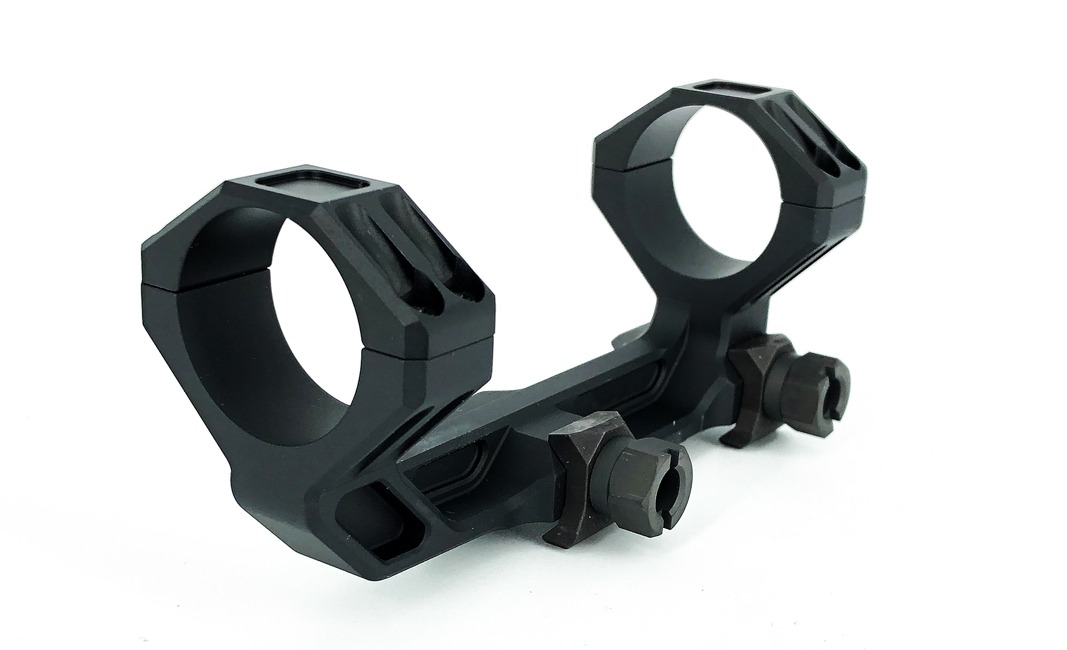
Fit is central to that usefulness, and optical accessories are not universally interchangeable. A lens cover may need to match the exterior dimensions of an optic rather than the lens measurement printed in its name. A fitted cover also needs enough clearance around adjustment rings, buttons, and other controls to remain convenient in use. Carrying accessories require similar attention to attachment style, strap width, adjustment range, and the weight of the equipment they will support. A broad strap can distribute pressure across the shoulder, but bulky padding may feel awkward beneath a backpack strap. A compact harness can keep binoculars close to the body on uneven ground, provided its attachment system suits the optic and its adjustment range suits the wearer. Cases introduce another set of considerations. Interior dimensions should account for protruding controls, attached protective covers, and any accessories that normally remain connected during transport. A snug fit can reduce movement, but excessive pressure against a control or eyecup is not a substitute for proper support. For mounting accessories, compatibility includes the optic, the mounting interface, and the intended application; manufacturer specifications and installation requirements take priority over visual similarity. Appropriate professional assistance can be worthwhile when fit or installation is uncertain. These distinctions are especially relevant for gifts, where knowing the recipient enjoys the outdoors is only the starting point. Someone who watches birds from established trails may value comfortable carrying and quick access, while a hunter may prioritize quiet closures and secure retention. A range visitor may appreciate a protective arrangement that keeps equipment organized between sessions. The related Black Friday Shooting Accessories & Optics Offers collection brings together a broader range of shooting accessories and optics for those whose interests extend beyond outdoor observation. Across these uses, matching an accessory to existing equipment and familiar routines is more meaningful than choosing by appearance alone. Even a modest addition can solve a persistent annoyance when its dimensions, attachment method, and handling characteristics are right for the person using it.
Care and durability are closely connected, particularly for accessories that spend time beside sensitive optical surfaces. A protective case cannot do its job well if loose grit collects inside, and a cleaning cloth needs clean storage to remain suitable for coated lenses. Dust and loose particles should be addressed according to the optic manufacturer’s care directions before any wiping takes place, since rubbing debris across glass can leave permanent marks. Cleaning fluids also need to be appropriate for the surface involved; household cleaners and harsh solvents are not interchangeable with products intended for optical care. Fabric components benefit from routine inspection for embedded debris, worn stitching, or damage around attachment points. Covers, straps, and cases should be clean and dry before extended storage, with enough space to avoid crushing padding or bending flexible parts out of shape. These habits help preserve the usefulness of the accessory as well as the equipment it protects. Durability is not simply a matter of choosing the heaviest construction. A lighter accessory that stays properly secured and receives regular care may be better suited to frequent walking than a bulkier alternative that is routinely left behind. Ease of handling matters, too: closures that are straightforward to operate, straps that hold their adjustment, and compartments that keep small essentials separate can reduce distractions during an outing. For Black Friday gift giving, these practical qualities offer a thoughtful connection to the recipient’s interests without assuming that every outdoor enthusiast uses the same setup. Confirming the optic’s dimensions, the preferred carrying style, and the way equipment travels can help narrow the choice. The most useful outdoor optics accessories tend to fade into the routine, keeping glass protected during the drive, equipment comfortable along the path, and necessary supplies within reach when a distant subject finally comes into view.