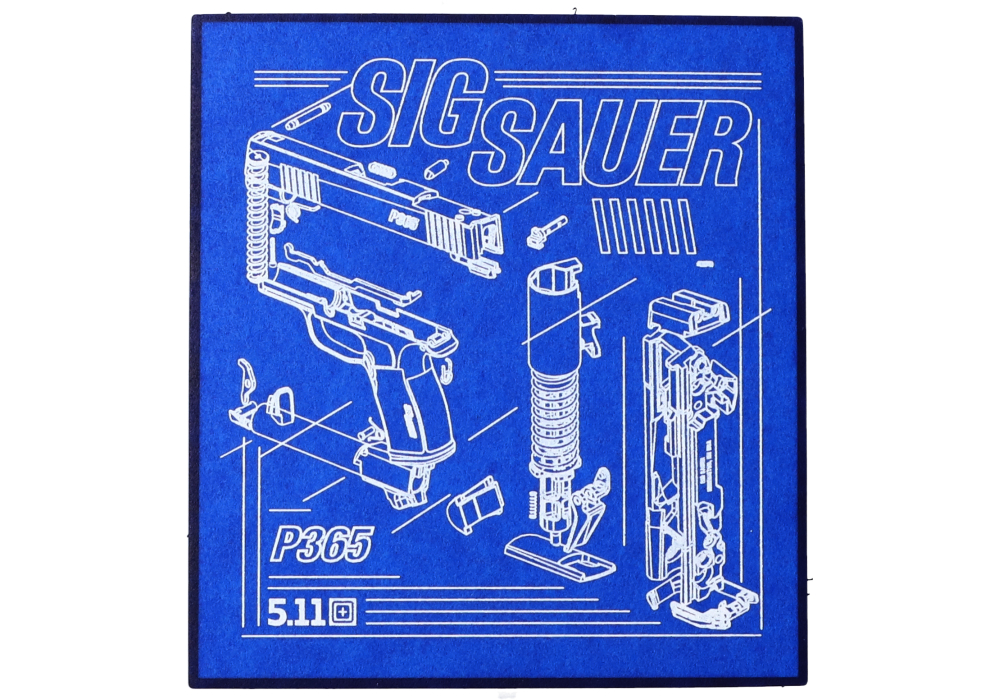
Blue shooting accessories bring a recognizable color theme to equipment used for range visits, organized practice, and other shooting activities. The category is defined by blue coloring rather than a single function: the shade may appear throughout a material, across a finished surface, or as a smaller accent against neutral fabric or hardware. That distinction matters because color alone does not establish compatibility, protective performance, or suitability for a particular environment. A useful accessory still needs to fit its purpose, hold up to regular handling, and work comfortably with the rest of a shooter’s equipment. For someone sorting gear on a crowded range bench, a blue accent can help distinguish personal belongings from similar equipment nearby. For another shooter, the appeal may simply be a coordinated setup that looks intentional without requiring every piece to match. Navy, royal blue, and brighter blue tones can look noticeably different under indoor lighting and open daylight, while matte and glossy surfaces reflect light differently even when their base colors are similar. Textile weave, surface texture, and the underlying material also influence how a shade appears. A close color match across different materials is therefore less predictable than a photograph might suggest. Coordinating blue with black, gray, or other neutral tones often creates a consistent appearance without depending on identical finishes. Beyond appearance, the most relevant considerations are intended use, dimensions, material construction, compatibility, and maintenance requirements. Those details separate an accessory that merely suits a color preference from one that earns a regular place in a range routine. The broader Shooters Accessories category provides context for considering blue accents alongside other equipment needs. Whether the goal is easier identification or a more cohesive collection, color works best as an additional preference after the practical requirements have been established. A distinctive appearance can be satisfying, but reliable function and appropriate protection remain the priorities.
Materials and construction determine much of how blue shooting accessories feel in use and how they age. Woven synthetic fabrics can offer a practical balance of flexibility, low weight, and resistance to everyday abrasion, although performance depends on the fiber, weave, backing, and seam construction. Reinforced stitching at stress points deserves attention wherever equipment is carried, pulled, or repeatedly adjusted. A neatly finished edge is not just a visual detail; loose threads and exposed fabric edges can become wear points during repeated use. Molded polymers provide a different feel, with rigidity, texture, and flexibility varying by formulation and design. Metal surfaces may feature an anodized or coated finish, and the treatment affects both appearance and maintenance needs. Neither blue coloring nor a smooth finish establishes corrosion resistance on its own, so documented material and finish specifications matter more than assumptions based on appearance. Durability also depends on the conditions an accessory encounters. Dust on an outdoor bench, contact with rough concrete, damp grass, and repeated movement inside a packed compartment can each leave different signs of wear. A finish that develops light cosmetic scuffing may still function properly, while damaged stitching, cracked material, or loose hardware deserves closer attention. Fit is equally important. Dimensions should suit the equipment involved, and any stated compatibility should be checked against the exact model or interface rather than estimated from a photograph. Where an accessory connects to other equipment, the attachment method and manufacturer’s requirements should agree. For anything worn on the body, adjustment range, contact surfaces, and freedom of movement can matter as much as overall size. During the cooler months, an extra clothing layer may change how comfortably equipment sits or how easily an adjustment can be reached. Protective equipment requires particular care in selection: blue styling should never substitute for the appropriate safety rating, secure fit, or compatibility with other protection. A comfortable setup should remain stable during ordinary movement without pinching, slipping, or creating distracting pressure.
Everyday care helps preserve both the appearance and usefulness of blue shooting accessories. Manufacturer instructions should guide cleaning because a method suitable for one fabric, polymer, or surface treatment may be unsuitable for another. Loose grit is worth addressing before it is rubbed across a finished surface, and moisture should not remain trapped against equipment during storage. Where permitted, gentle cleaning with a soft cloth is often preferable to aggressive scrubbing, especially around printed markings and decorative finishes. Strong solvents, abrasive cleaners, and prolonged heat exposure can affect some materials, so compatibility with a cleaning product should be confirmed rather than assumed. After a damp outing, allowing equipment to dry as directed before putting it away helps prevent lingering moisture and odors. Routine inspection can be brief but useful: check seams, closures, attachment points, and adjustment areas for changes that could affect performance. Keeping personal equipment organized also reduces unnecessary friction between hard surfaces and helps small belongings remain easy to locate. Blue can support that organization, particularly when multiple people bring similar-looking gear to the same bench, but color should supplement clear identification rather than replace it. It should never be treated as proof of an object’s purpose or safety status. For frequent range visitors, the strongest choices are usually accessories that address a familiar inconvenience, such as an awkward fit, difficult handling, or unnecessary bulk. Newer participants may appreciate uncomplicated designs with clear care instructions, while experienced shooters often have precise preferences shaped by repeated use. As a gift, a blue accessory can feel personal when the recipient already favors the color, provided its function and fit are understood. Model-dependent equipment and protective gear deserve especially careful selection because appearance cannot resolve a compatibility issue. For shared outings, personal practice, or time spent at an indoor range when the weather turns cooler, the lasting appeal comes from a balance of recognizable styling and practical usefulness. The best color-coordinated setup is one that remains comfortable, organized, and appropriate for its intended purpose long after the novelty of a matching finish has passed.