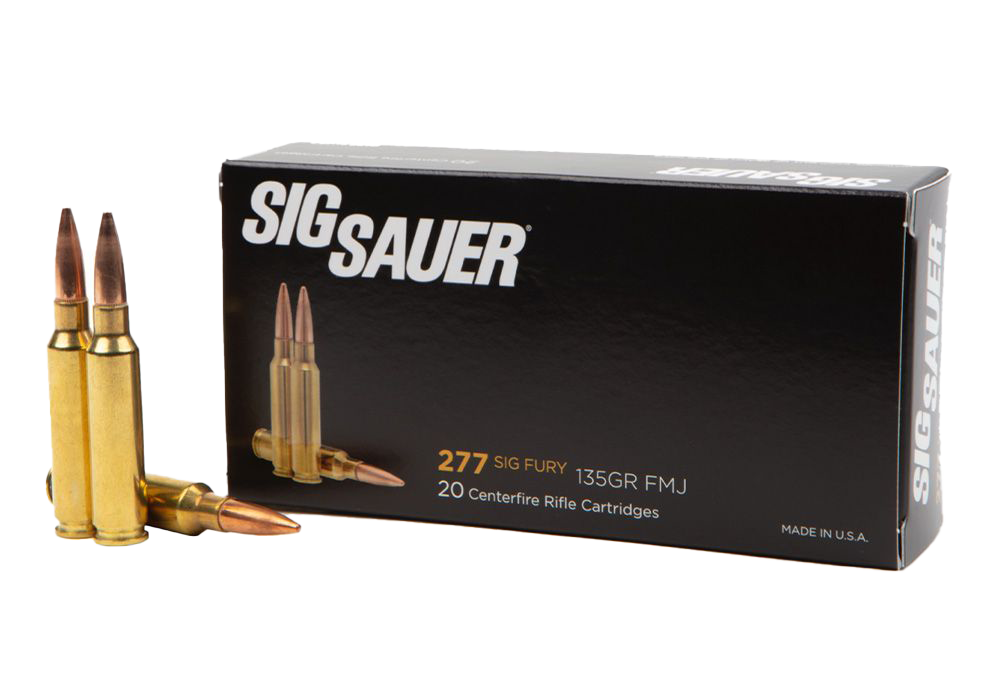
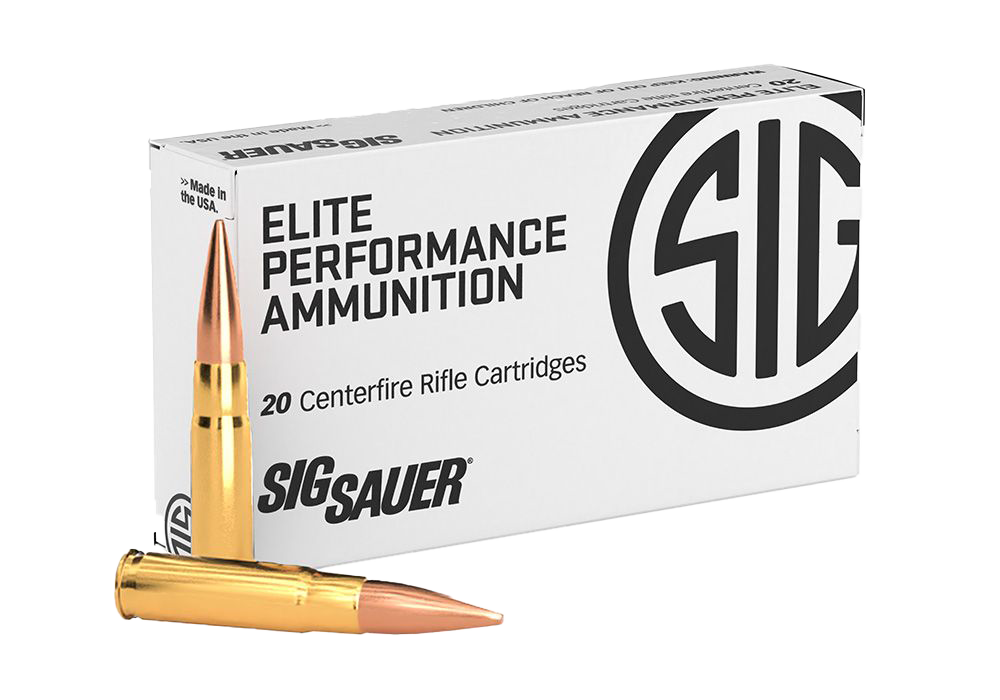
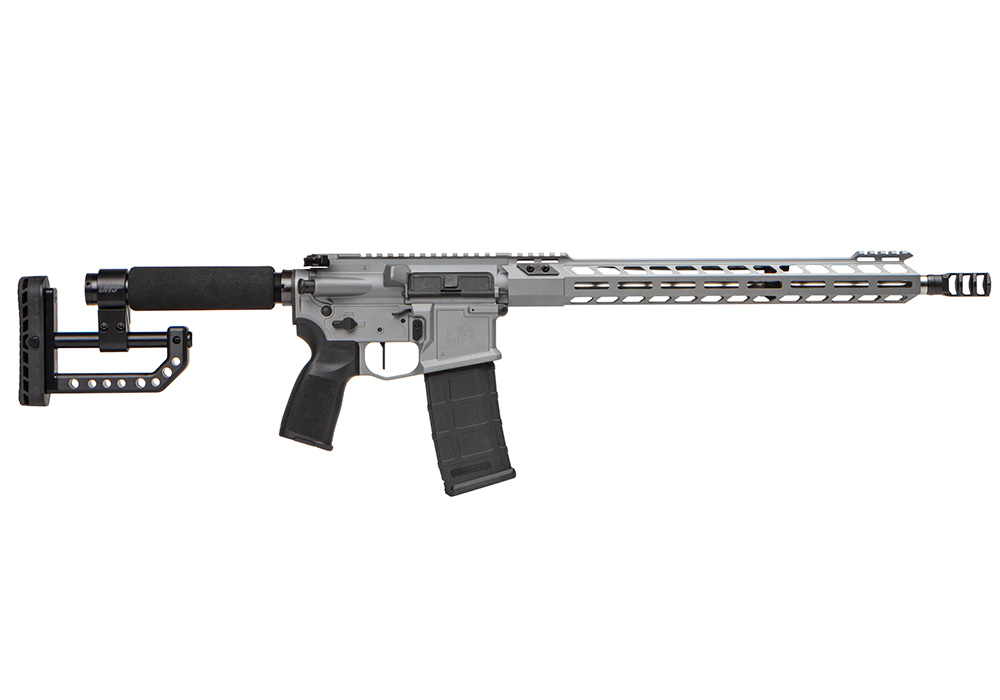
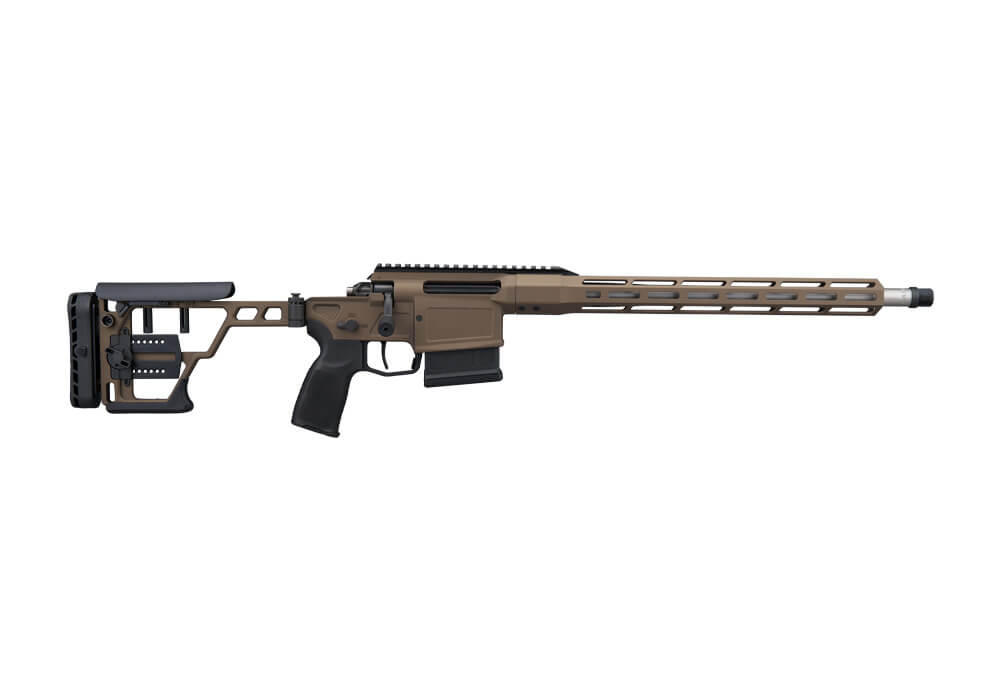
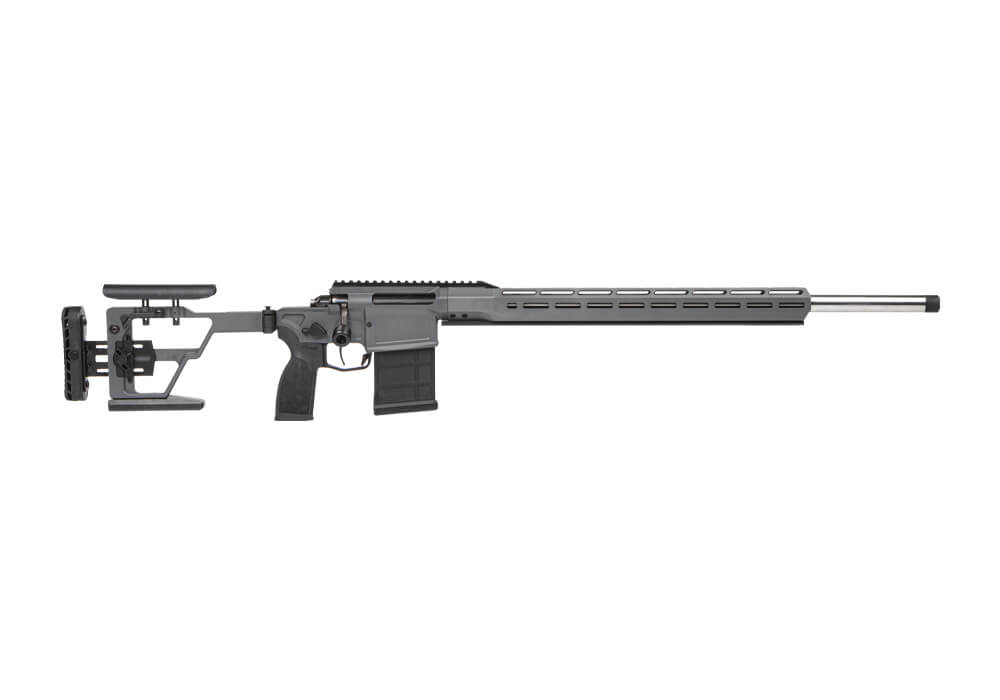
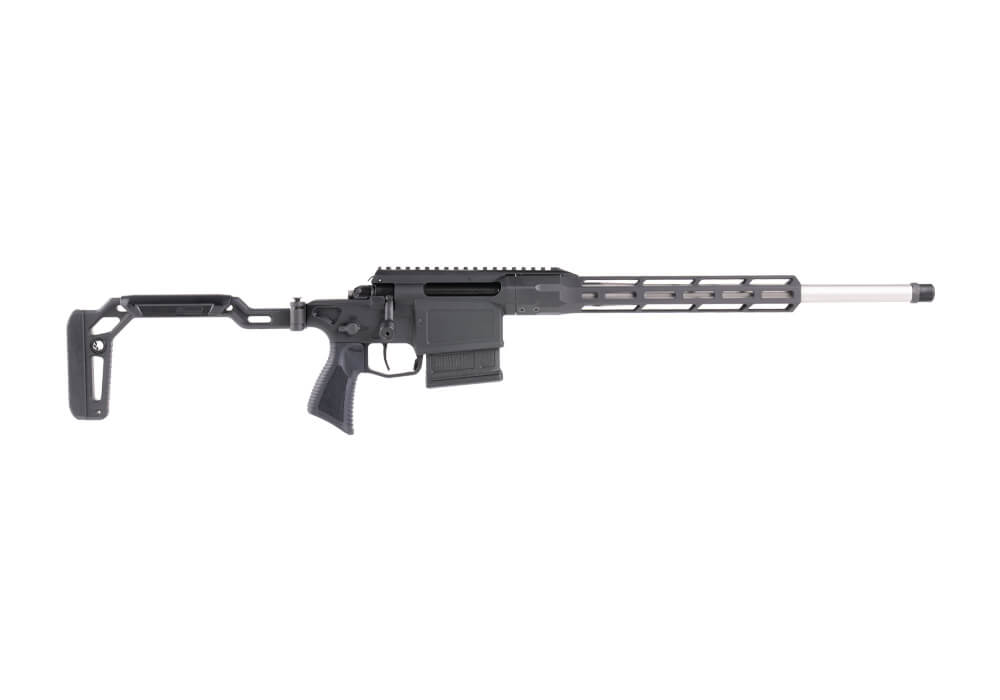
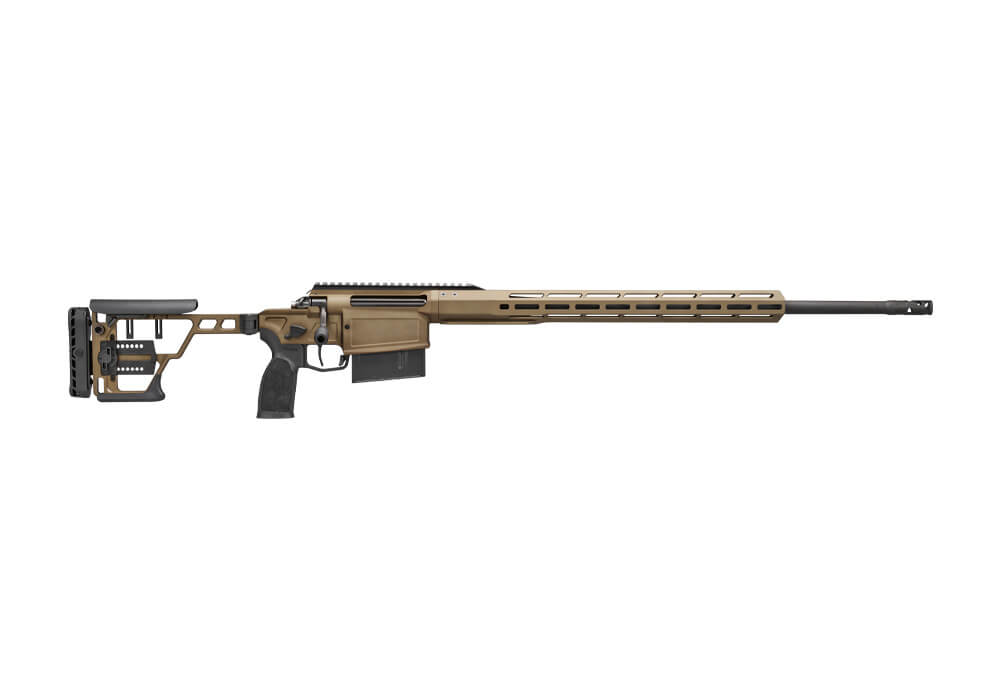
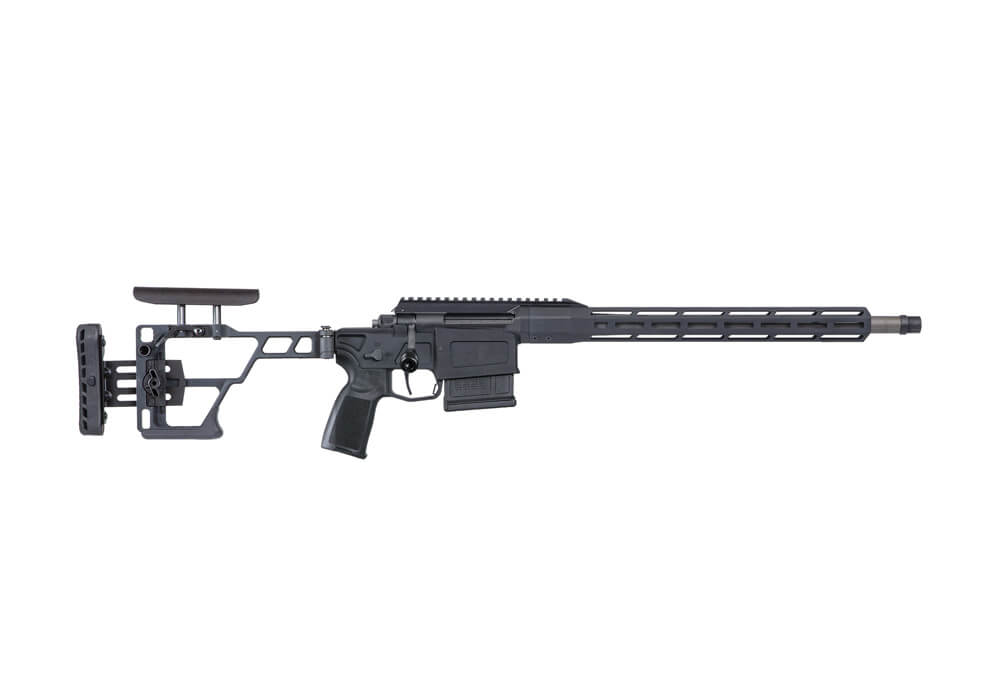
Ammunition for bolt-action rifles serves a broad range of sporting purposes, from measured practice at the range to competitive target shooting and lawful hunting. The right category depends first on the rifle’s chambering, then on the intended use and the ammunition manufacturer’s specifications. Familiar cartridge designations include 6.5 Creedmoor, .308 Winchester, .30-06 Springfield, and .300 Winchester Magnum, with smaller centerfire cartridges such as .223 Remington and .243 Winchester serving additional target and hunting applications where appropriate and legal. These names identify distinct cartridges, not interchangeable options. The chamber marking and the firearm manufacturer’s instructions establish compatibility; similar-looking cartridges or shared bullet diameters do not establish a safe match. Within a compatible chambering, bullet weight and construction help distinguish ammunition intended for routine practice, precision competition, or particular hunting applications. Bullet weight is expressed in grains, a unit of mass rather than a description of the propellant. Common examples include 120- to 143-grain bullets in 6.5 Creedmoor and 150- to 180-grain bullets in .308 Winchester, although other weights exist and suitability depends on the individual rifle and load. Weight alone does not determine accuracy, recoil, or hunting performance. Rifle weight, stock fit, cartridge specifications, and projectile design all contribute to the shooting experience. A lighter sporting rifle carried over uneven ground can feel quite different from a heavier target rifle used from a supported position, even when both share a chambering. Ammunition for Modern Bolt Action Rifles belongs within that larger relationship between firearm fit, mechanical compatibility, and intended purpose. For a recreational shooter, the emphasis may be dependable function and a manageable practice experience. For a competitor, consistency and suitability for the event matter. For a hunter, lawful cartridge selection and a projectile designed for the intended game take priority over an appealing label or a familiar caliber name. Those differences explain why a single chambering can support several ammunition categories without every loading serving the same role.
Bullet construction is one of the clearest distinctions between hunting ammunition and target ammunition. Many conventional bullets combine a lead core with a copper-alloy jacket, while other designs use solid copper or another lead-free construction. Materials influence how a projectile behaves, but the complete design matters more than any single component. Hunting bullets may feature an exposed soft point, a polymer tip, a bonded core, or another construction intended to balance expansion and penetration within the manufacturer’s stated application. A polymer tip by itself does not establish whether a bullet is appropriate for hunting, and a hollow point is not automatically a hunting design. Some hollow-point match bullets are engineered primarily for consistency in flight rather than dependable expansion in game. Target ammunition, meanwhile, typically emphasizes uniform bullet dimensions, consistent loading, and repeatable performance on paper or steel targets at approved facilities. Match labeling describes an intended level of precision and consistency, not a guarantee of a particular group size in every rifle. Barrel characteristics, firearm condition, and the shooter’s technique also influence results. For someone comparing ammunition for regular range sessions, useful distinctions include the stated purpose, bullet weight, case material, and manufacturer-provided performance information. For hunting, the relevant considerations extend to the game animal, applicable regulations, and the projectile manufacturer’s recommendations. Larger game does not simply call for the heaviest bullet listed, just as a higher advertised velocity does not automatically mean a better fit for every purpose. Brass cases are common in centerfire rifle ammunition and provide a durable cartridge body, but case material alone does not establish overall quality or suitability. Primers, propellant, bullets, and cases function together as a complete factory-loaded cartridge. Consistency across those components helps support reliable ignition and repeatable performance. External shape and cartridge dimensions also matter to compatibility with the rifle’s chamber and magazine. Ammunition should remain within the firearm manufacturer’s specifications rather than being selected on appearance, reputation, or assumptions about what another rifle accepts. Clear labeling gives shoppers a more useful foundation than broad performance claims.
Care and handling help preserve ammunition’s condition from the original box to the range or field. Factory packaging protects cartridges from unnecessary contact and keeps the chambering, bullet description, and lot identification together. Those details are especially useful when several similar-looking cartridge types share a storage area. A clearly labeled container also prevents loose rounds from becoming separated from the information needed to identify them confidently. Storage should protect ammunition from moisture, dirt, oils, and cleaning solvents, with access restricted to authorized adults and arrangements consistent with applicable law. Ammunition belongs in secure storage separate from firearms. Cartridges showing corrosion, cracks, substantial dents, loose components, or other visible damage should not be treated as suitable for use; the manufacturer can provide appropriate handling and disposal guidance. Durability here is about maintaining intact components and legible identification, not assuming that a cartridge can tolerate unlimited handling or years of unknown storage. At the range, keeping ammunition organized by its original description and lot can make records more meaningful without confusing one loading with another. Changing ammunition can change where shots land, so familiar packaging and clear notes help distinguish equipment differences from assumptions about performance. For hunters, regulations may govern cartridge suitability, projectile materials, or other ammunition characteristics, and those requirements deserve attention before selection. Lead-free requirements can apply in particular locations, while individual ranges may set their own restrictions on projectile construction. Eye and hearing protection, safe firearm handling, and compliance with range rules remain essential regardless of cartridge type. After handling ammunition, handwashing helps limit exposure to residue. Taken together, these practical considerations keep the focus on ammunition that suits the firearm, the setting, and the sporting purpose. A dependable choice rests on confirmed compatibility, appropriate bullet construction, intact condition, and clear manufacturer information—not on treating every cartridge in a familiar caliber as equivalent.