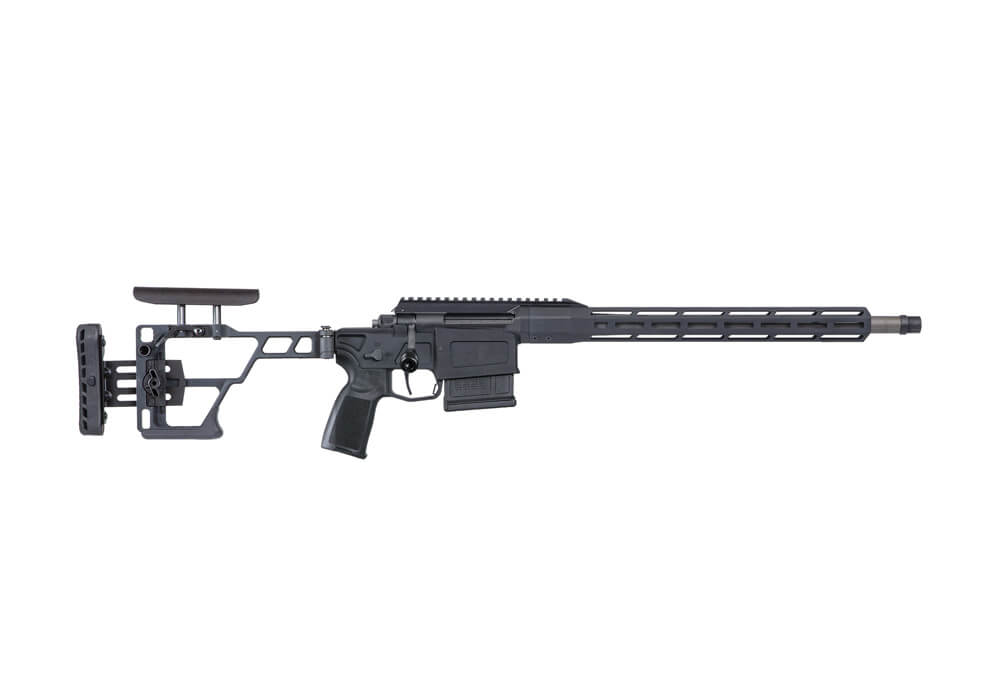
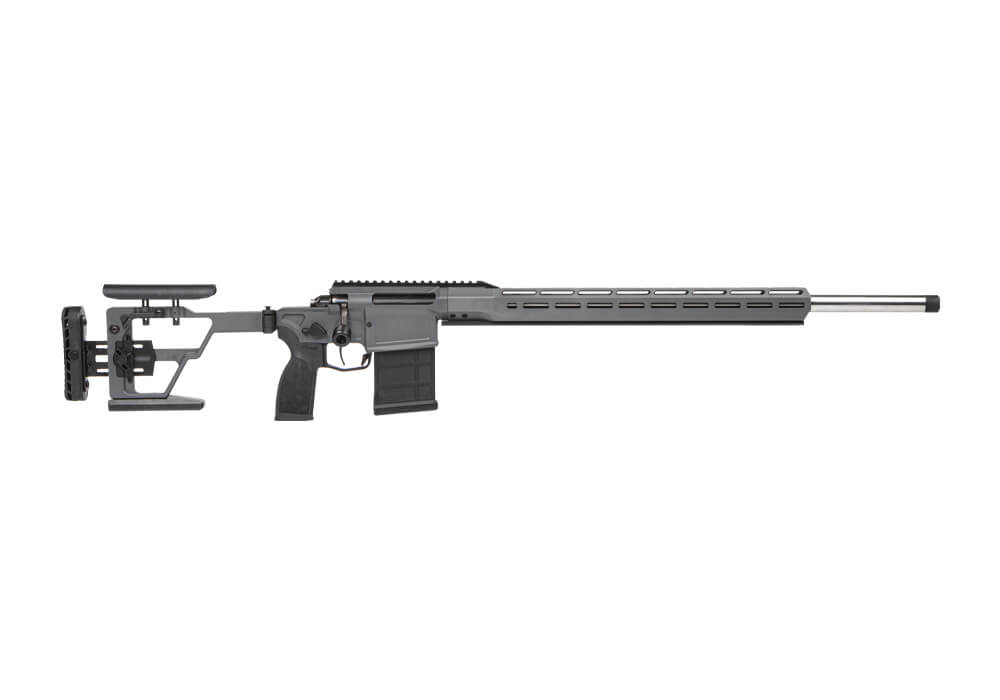
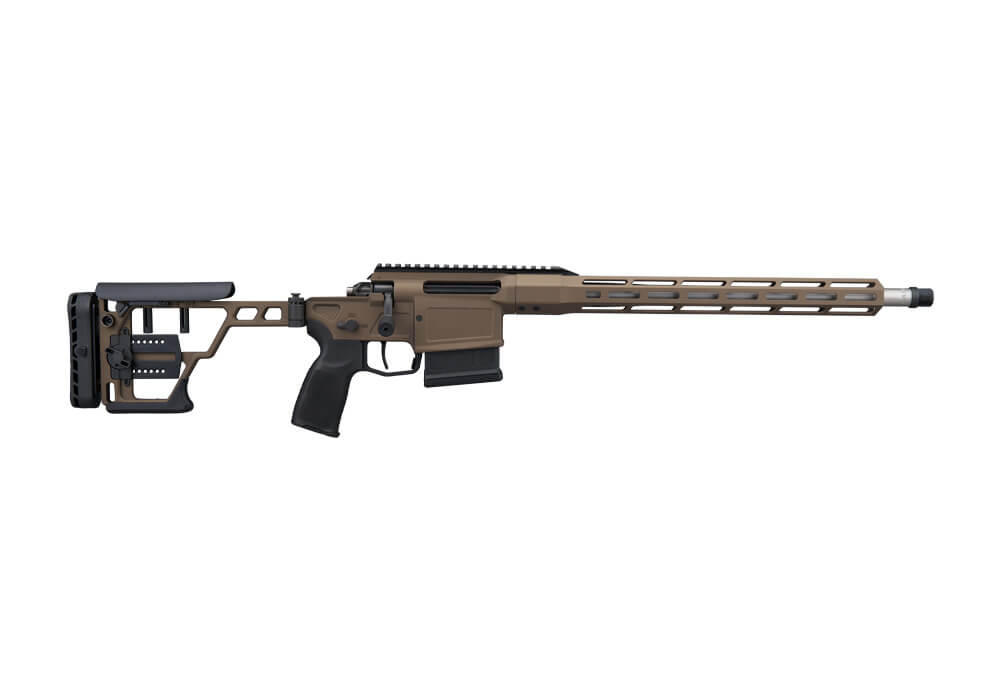
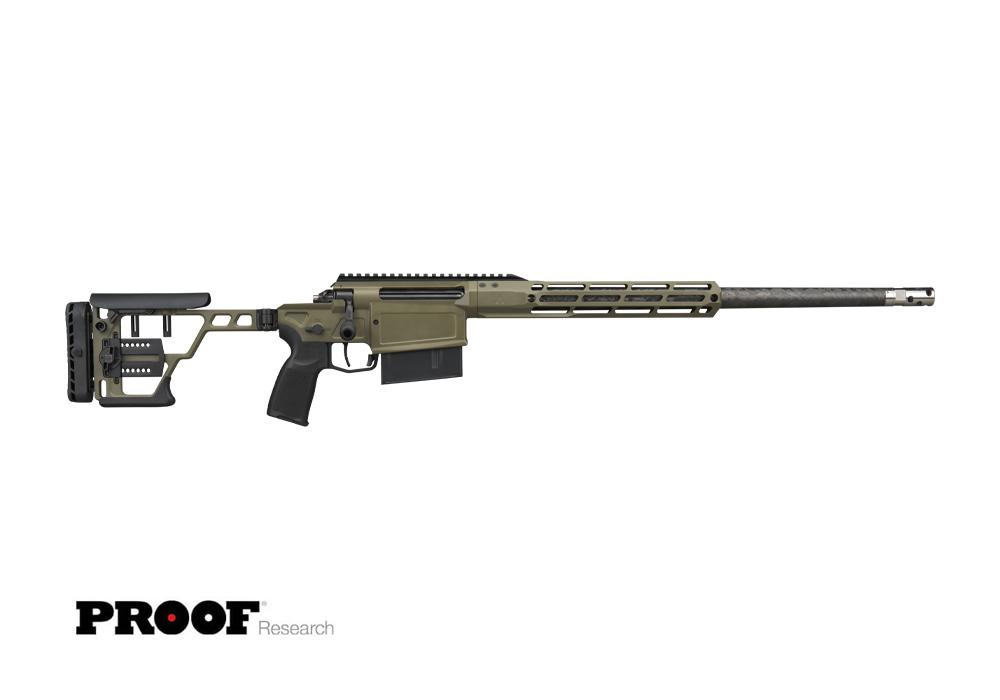
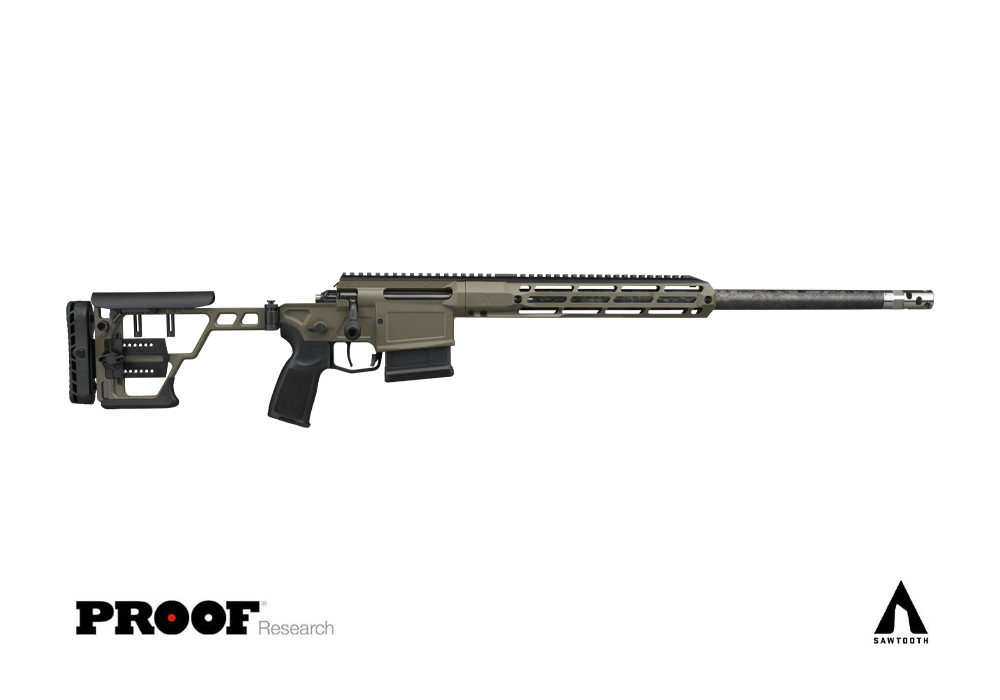
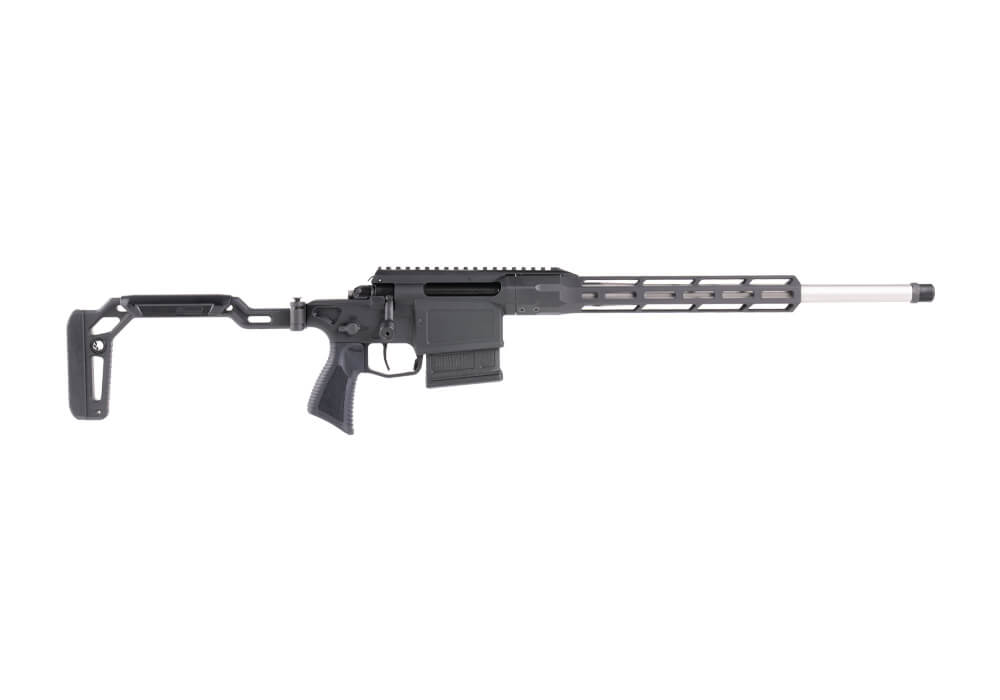
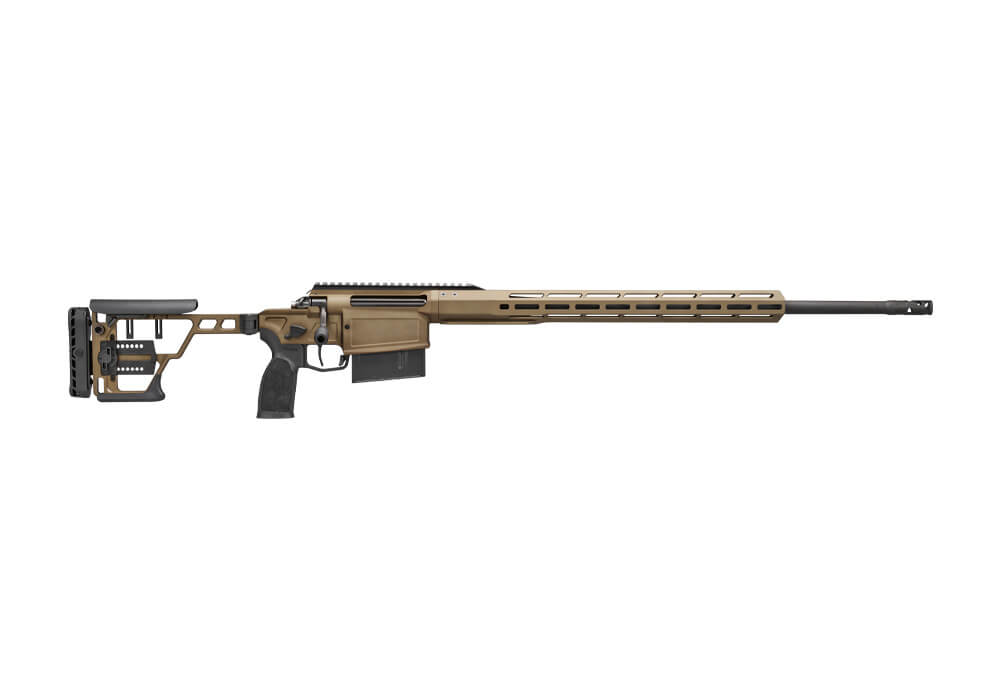
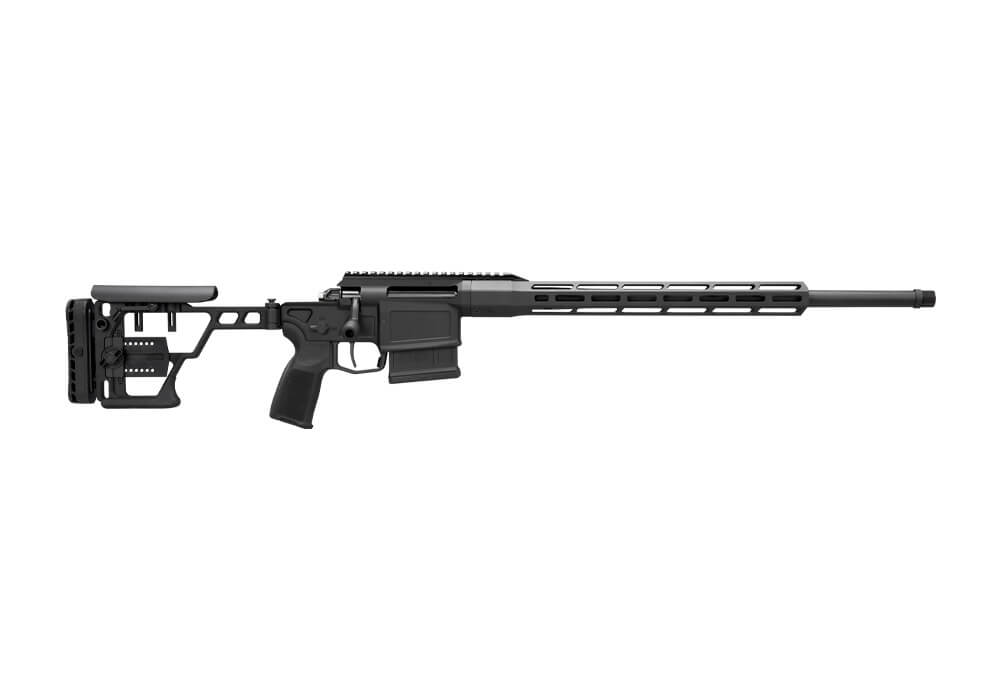
Bolt-action rifles for fall hunting combine straightforward operation with the fit, durability, and accuracy expected of a dependable field rifle. The most relevant features include weather-resistant materials, manageable weight, a comfortable stock, and suitability for the intended game and terrain. Fall hunting can mean crossing rain-darkened timber, waiting beside a frosted field, or covering open country where a long walk separates the trailhead from a hunting area. Those settings place different demands on a rifle, so there is no single configuration that suits every hunter. A lighter rifle may feel more comfortable over uneven ground, while a heavier model can feel steadier during supervised range practice and more settled when supported in a lawful hunting setting. Barrel length also affects overall dimensions and balance, especially when moving through brush or settling into a compact blind. Materials deserve equal attention. Stainless steel components and protective metal finishes can help resist corrosion, although neither eliminates the need for care after exposure to moisture. Synthetic stocks generally tolerate wet conditions well, while traditional wood stocks offer a familiar feel and distinctive grain that some hunters prefer. Laminated wood and composite construction provide additional approaches to balancing appearance, rigidity, and weight. The quality of the finish, the feel of the stock surface, and the way the rifle balances matter more in everyday use than a material name alone. A textured gripping area may feel reassuring with damp hands or gloves, while a smooth, carefully shaped stock can remain comfortable through a long walk. Bolt-action hunting rifles also appeal to people who value a deliberate shooting pace and a mechanically straightforward platform for sporting use. Their seasonal relevance comes from practical field demands rather than appearance: carrying comfortably, tolerating ordinary exposure, and fitting the person who will use them. A rifle intended for short walks to a sheltered blind can reasonably have different priorities from one carried across miles of steep, exposed terrain.
Fit becomes especially noticeable when hunting clothing changes the way a rifle meets the shoulder. A stock that feels comfortable over a light shirt may feel crowded against an insulated jacket, and gloves can change the feel of gripping surfaces and controls. Length of pull, stock shape, and cheek support all contribute to a natural, repeatable position without forcing the neck or shoulders into an uncomfortable angle. An adjustable stock may accommodate different clothing layers or body proportions, while a fixed stock can offer simplicity when its dimensions already suit the hunter. Neither approach is automatically better; the useful distinction is whether the rifle remains comfortable in the conditions in which it will be carried and used. Recoil tolerance belongs in that assessment as well. A suitable hunting rifle should match the intended game and applicable regulations without asking the shooter to manage more recoil than can be handled comfortably and consistently. Stock geometry, overall weight, and recoil-pad design influence that experience alongside ammunition choice. Familiarity gained through qualified instruction and regular range practice matters more than choosing a rifle solely for a performance claim. Sight compatibility is another practical consideration, particularly where fall landscapes alternate between shaded woods and open fields. An appropriate hunting optic should suit the environment, provide a comfortable viewing position, and remain compatible with the rifle’s mounting provisions. More magnification is not inherently more useful in every setting, and clear viewing never replaces positive identification of the target and what lies beyond it. Small details also shape daily comfort. A sling suited to the rifle’s weight can make extended carry less tiring, and a stock profile that feels balanced in the hands may be preferable to one selected only for its appearance. For hunters who divide their time between field use and recreational target shooting, these everyday points of contact often determine whether a rifle remains enjoyable over years of ownership. The strongest match is usually a combination of sensible dimensions, comfortable handling, and features relevant to an actual hunting routine.
Durability is best understood as long-term service supported by appropriate care, not immunity to rain, mud, or wear. A wet sling, damp case lining, or condensation after a cold outing can leave moisture against surfaces that otherwise appear dry. Manufacturer-recommended inspection, cleaning, and storage practices help protect metal, stock materials, and attached accessories without relying on a finish to do all the work. Wood stocks benefit from attention to their protective finish, while synthetic and composite stocks still need inspection for damage and secure attachment. A padded case protects against ordinary handling marks during transport, but long-term storage calls for a secure, suitable environment rather than leaving a rifle enclosed with lingering moisture. Care requirements are worth considering alongside weight and appearance, particularly for hunters who expect repeated exposure to wet vegetation or who spend several days away from home. Across the broader range of Fall Hunting Rifles, bolt-action designs remain a familiar choice for people who appreciate straightforward mechanics and a comfortable stock. They can suit an experienced deer hunter returning to familiar ground, a newcomer developing responsible habits under qualified supervision, or a recreational shooter seeking a hunting-oriented rifle for both field use and range practice. Each brings different needs, from ease of carrying to manageable recoil and straightforward upkeep. Shared use also makes individual fit important; a rifle that suits one family member may not suit another simply because both pursue the same game. Responsible ownership includes secure storage that prevents unauthorized access, lawful transport, and compliance with hunting regulations wherever the rifle is used. Hunter education and practice support those responsibilities throughout the year. With those foundations in place, the lasting appeal of a fall bolt-action rifle is practical: a comfortable, durable sporting firearm whose materials, dimensions, and care requirements align with the hunter’s experience and intended use.