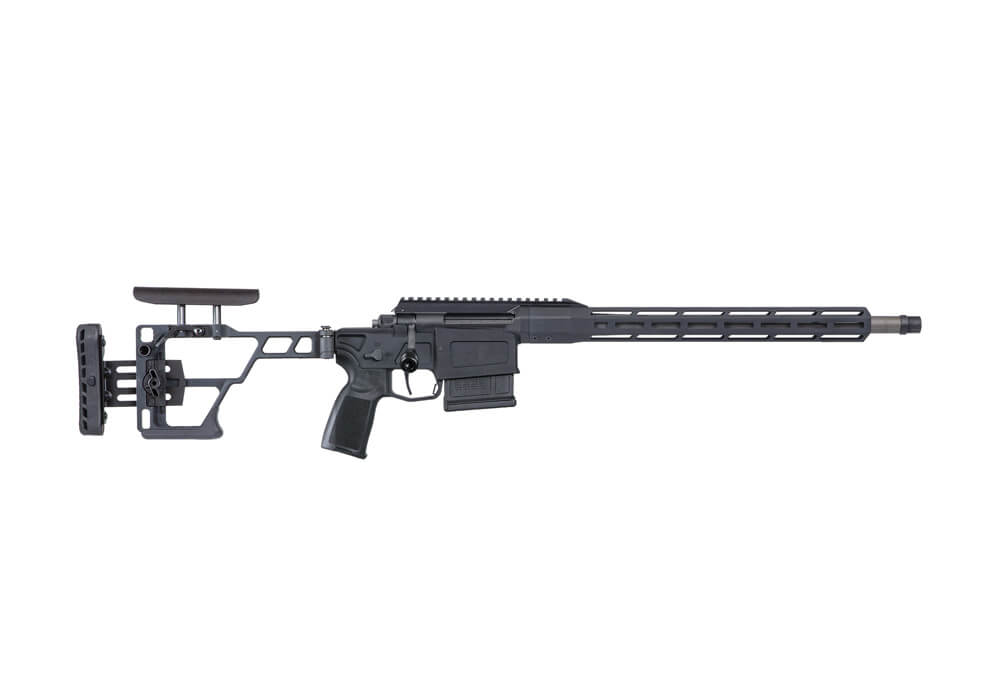
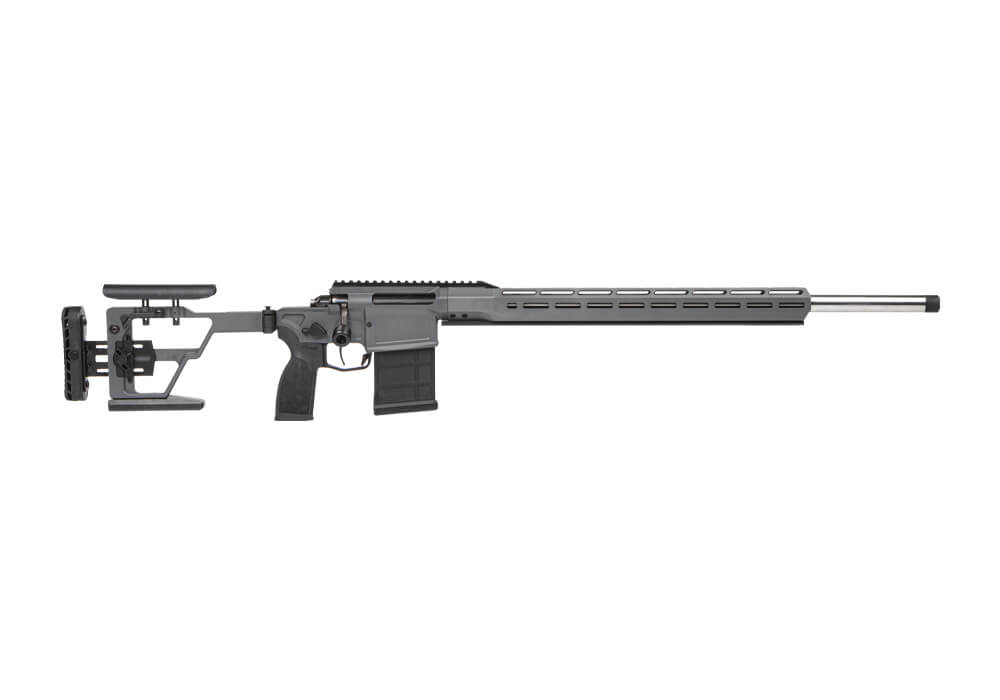
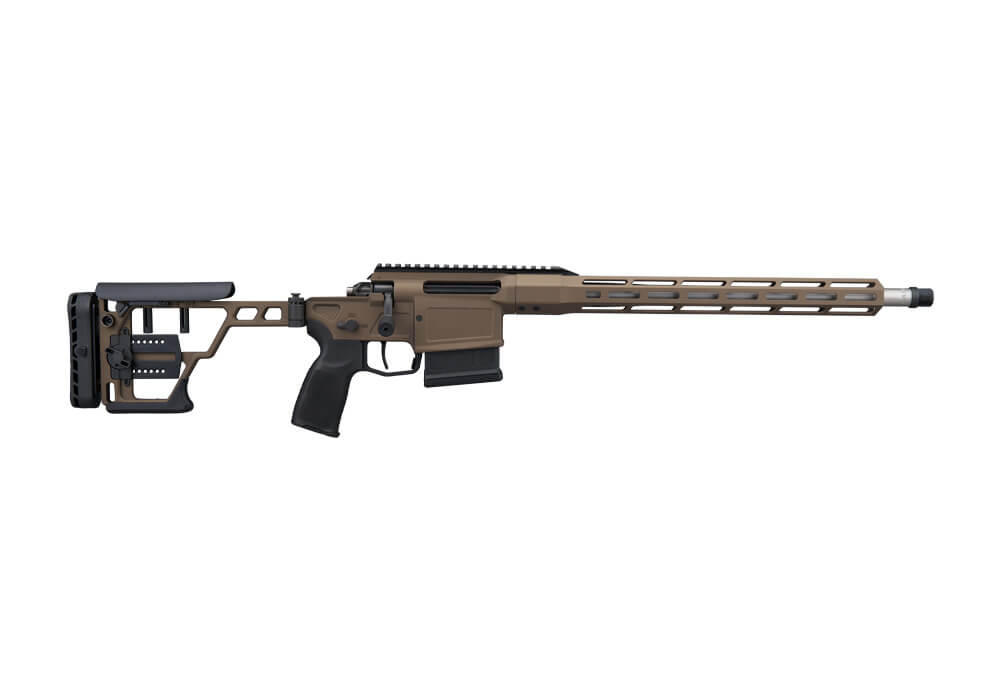
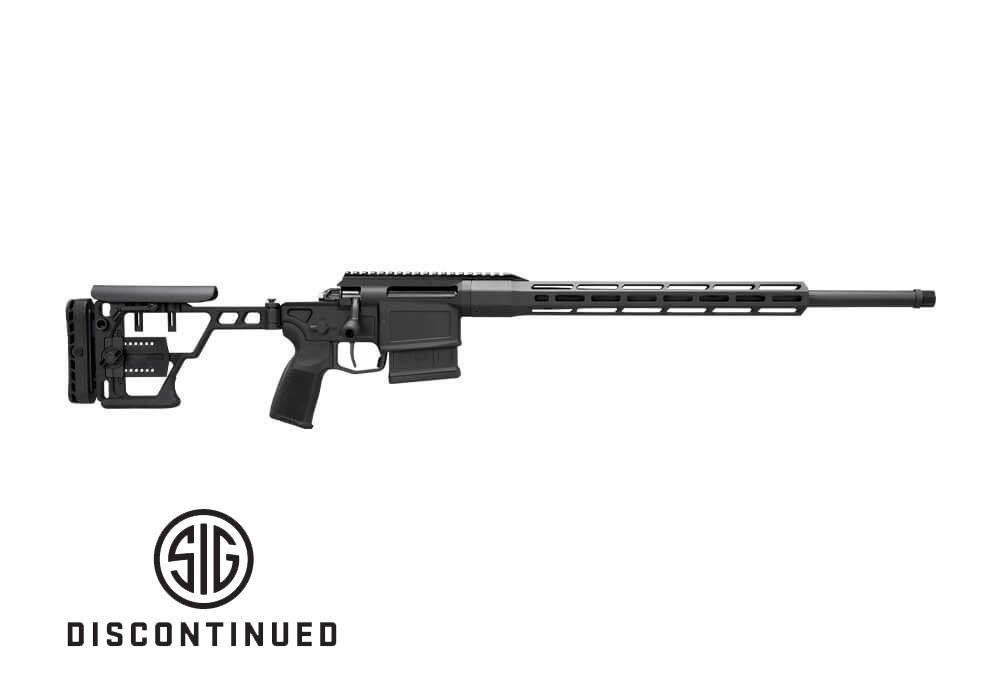
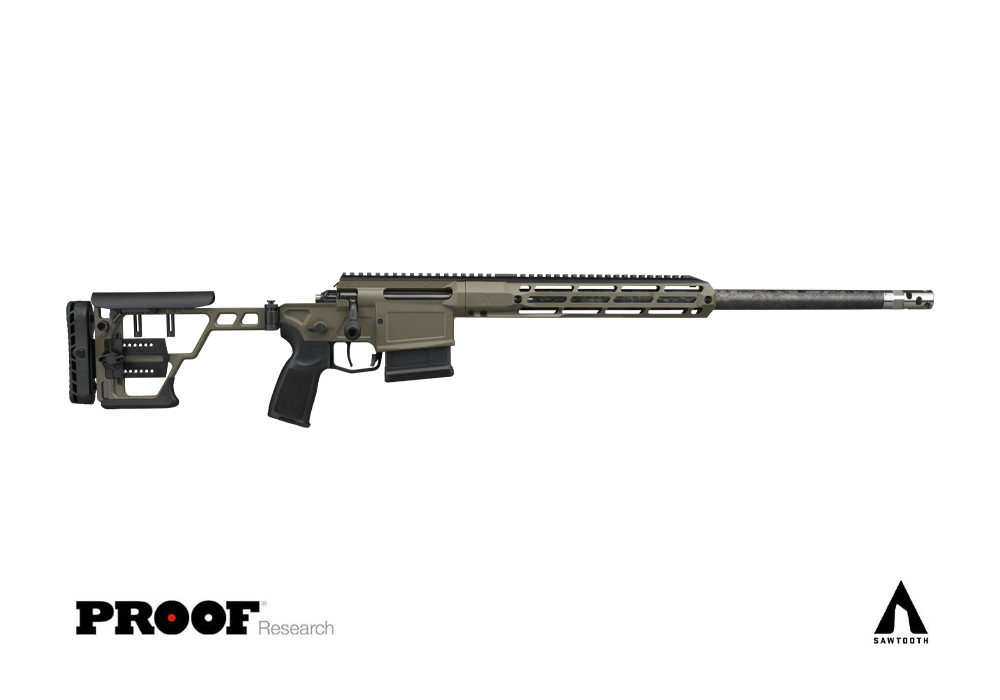
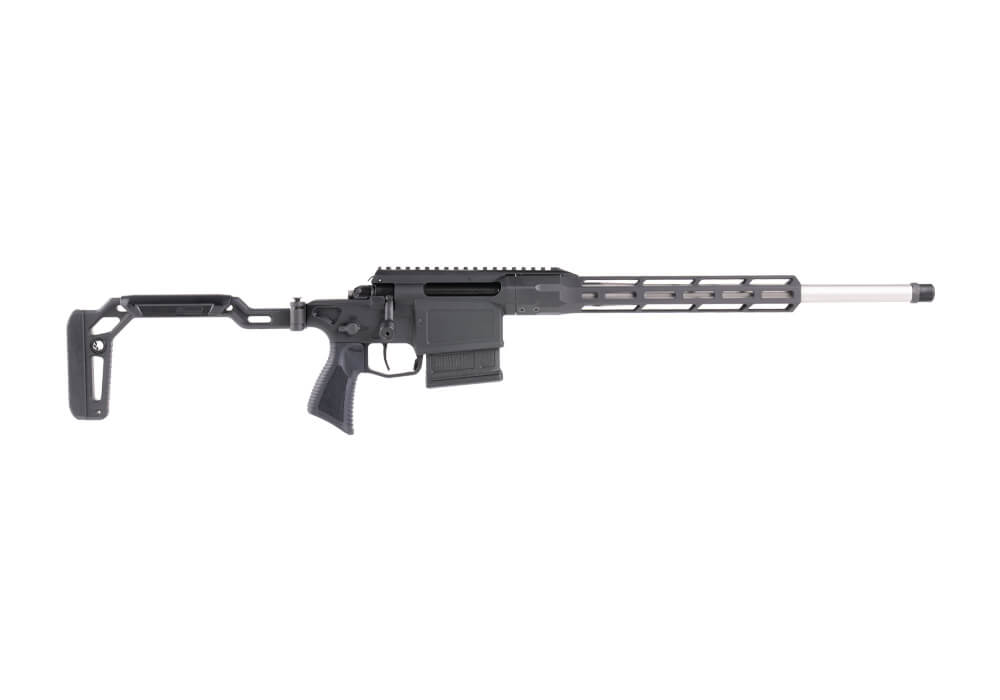
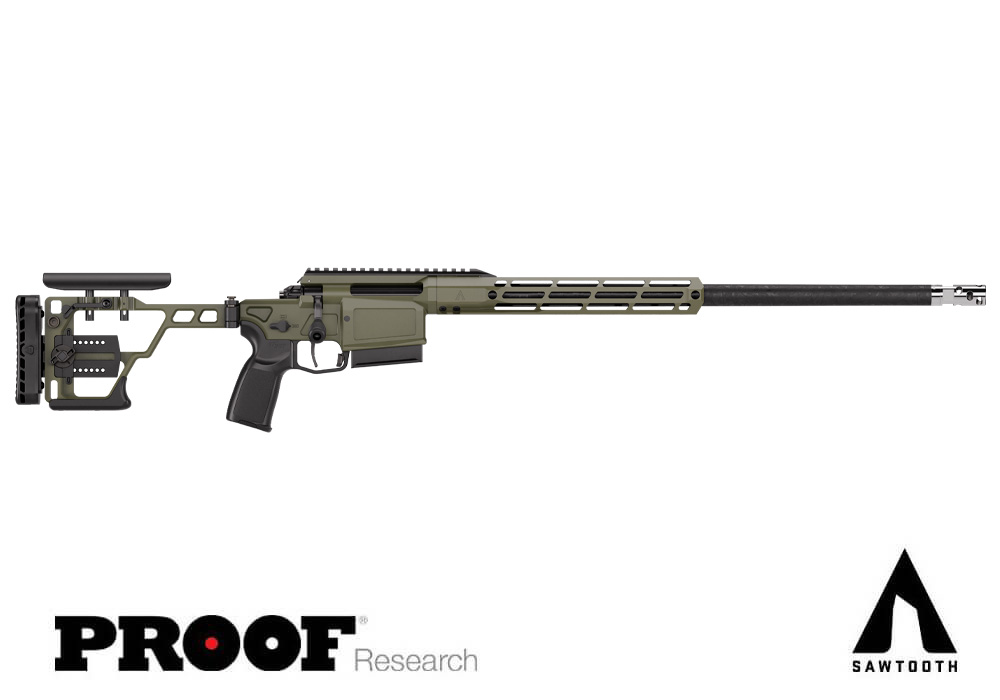
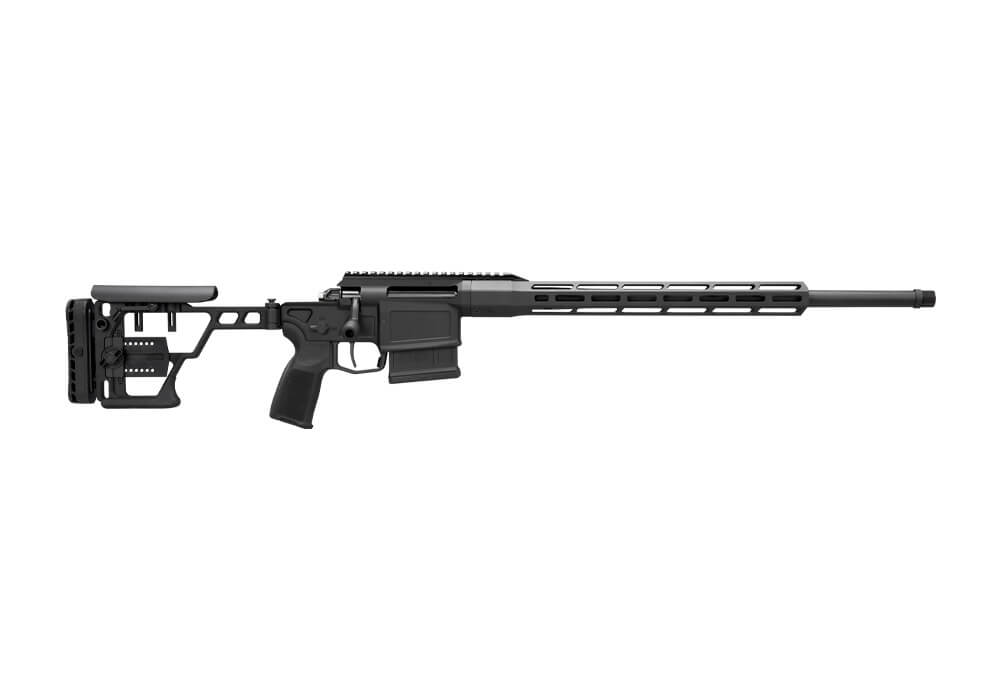
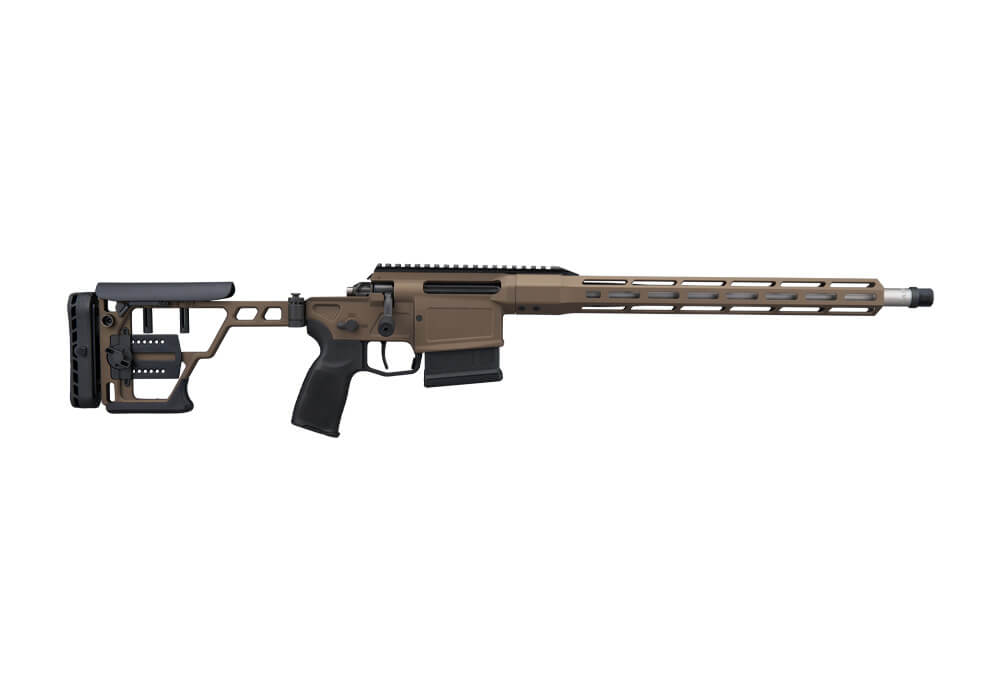
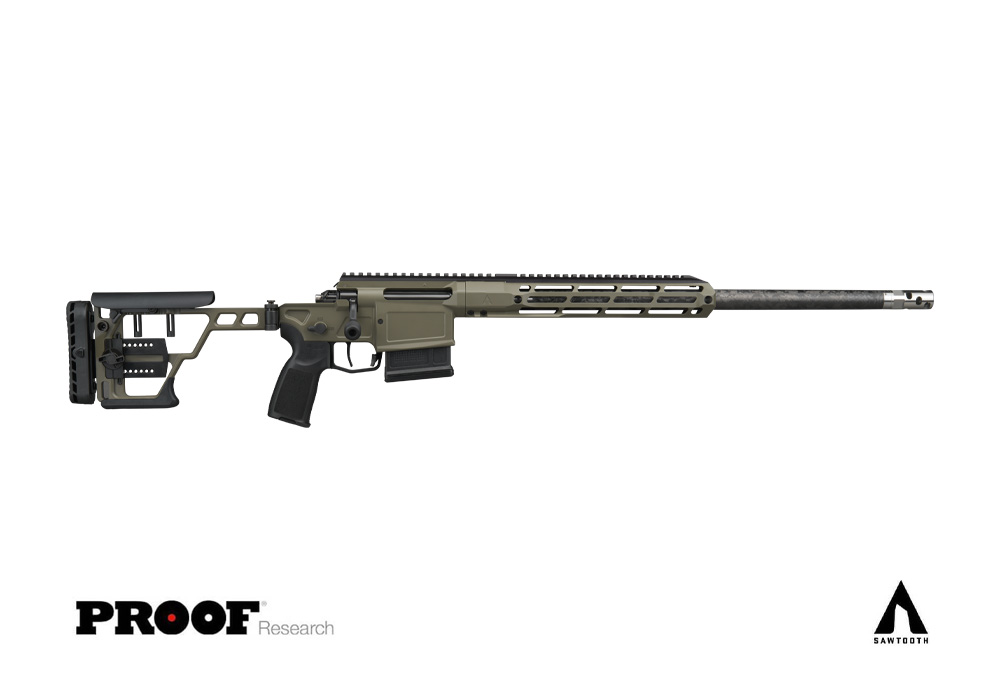
Bolt-action rifles remain a trusted choice for winter hunting because their straightforward operation, secure lockup, and consistent accuracy suit the deliberate pace of cold-weather field work. A well-selected rifle can serve hunters pursuing whitetail, mule deer, elk, black bear, and other game during the cooler months, whether the day involves a short walk from a cabin or a long trek through snow-covered timber. When comparing rifles for this setting, look for an all-weather corrosion-resistant finish, a stock that remains stable through freezing temperatures and changing humidity, and controls that are easy to operate while wearing insulated gloves. Oversized bolt handles, textured grip surfaces, and a smooth, positive bolt throw can be especially helpful when fingers are stiff or layered beneath wool and synthetic fabric. Weight also deserves close attention. A lighter rifle is easier to carry across steep ground and deep snow, while a slightly heavier configuration may feel steadier from a rest and help manage recoil with powerful hunting cartridges. Balance matters just as much as the number on a scale; a rifle that carries naturally at the shoulder and settles quickly on target can reduce fatigue over a full day outdoors. Hunters should also consider stock length, comb height, recoil pad design, and the position of the safety, since these details influence comfort when wearing bulky layers. For additional browsing, explore Modern Hunting Bolt Action Rifles to compare modern configurations suited to a range of hunting preferences and field conditions.
Winter conditions place unusual demands on every part of a rifle system. Stainless or similarly protective metal finishes can help resist surface corrosion when snow melts against the action, barrel, or sling hardware, but any rifle still benefits from careful drying and storage after a hunt. Synthetic stocks are often favored for seasonal use because they are less sensitive to moisture and temperature changes than traditional wood, while textured panels can provide a more secure hold when rain, sleet, or snow covers the rifle. The bolt should cycle smoothly without excessive drag, and the extractor and ejector should receive attention during routine cleaning. Thick oil or grease can become sluggish in sub-freezing weather, so hunters commonly clean the bolt assembly thoroughly and use only a very small amount of lubricant selected for low temperatures; some prefer a nearly dry setup after confirming reliable function. A rifle should be checked before heading into the field, including the action, trigger, safety, magazine, sling attachments, and stock fasteners. Optics deserve equal consideration. A scope with clear glass, dependable adjustments, and firm protective covers can help maintain a usable sight picture when snow, sleet, or freezing condensation appears. Breath can fog lenses during a slow stalk, so keeping lens cloths protected from moisture and using covers when the rifle is not in use can preserve visibility. Hunters who travel between heated vehicles, cabins, and open terrain should allow equipment to adjust gradually when practical, reducing the chance of condensation forming inside or around sensitive components.
The right bolt-action rifle ultimately depends on the game pursued, terrain covered, preferred cartridge, shooting distance, and personal comfort. A compact, lightweight setup may appeal to someone who spends long hours climbing ridges, while a heavier rifle with a more substantial stock can suit a hunter who works from a blind, ground setup, or established rest. Recoil should be considered honestly, especially when winter clothing changes the way the rifle contacts the shoulder. A comfortable rifle encourages careful practice and steady field positions, while an overly forceful setup can lead to flinching and reduced confidence. Hunters should confirm that the rifle, optic, sling, and ammunition work together before the season, then practice from realistic positions such as sitting, kneeling, supported standing, or a pack rest. Gloves, layered clothing, and cold hands can alter reach and feel, so testing the complete setup in appropriate outdoor conditions is useful. These rifles can also be thoughtful gifts for an experienced hunter, a family member preparing for a first big-game season, or a sportsman upgrading an older field rifle. Gift buyers should pay attention to cartridge preference, fit, intended game, and local purchasing requirements rather than choosing by appearance alone. Whether selected for a seasoned backcountry hunter or a careful weekend woodsman, a dependable bolt-action rifle offers a practical combination of control, accuracy, and field simplicity. With suitable storage, regular inspection, and cold-weather preparation, it can remain a reliable part of a hunting setup through frosty mornings, snowy trails, and the changing conditions that define the cooler months.