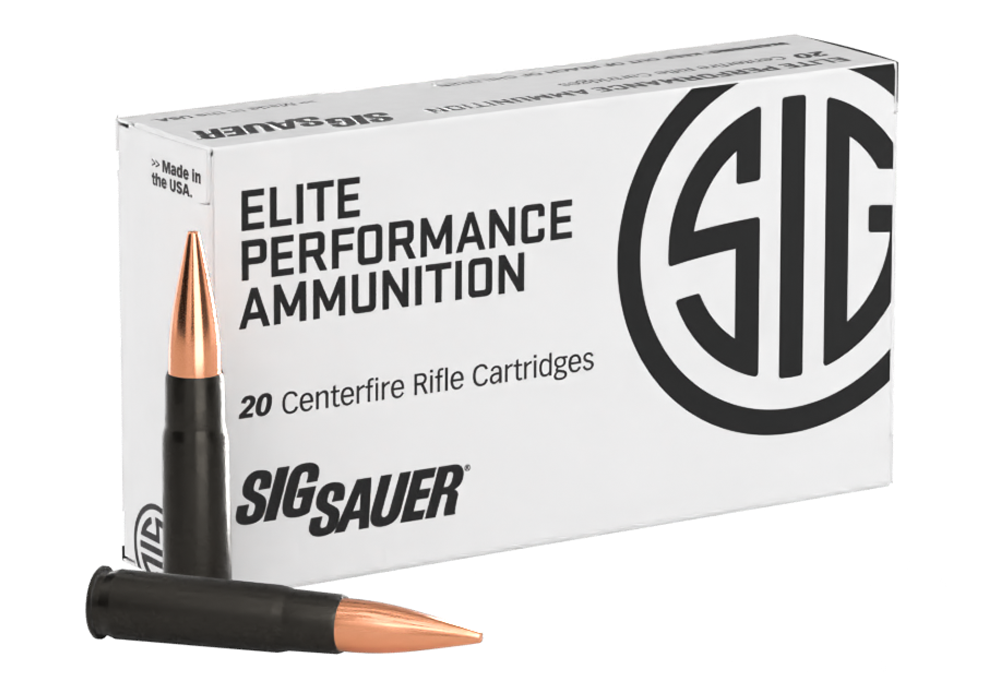
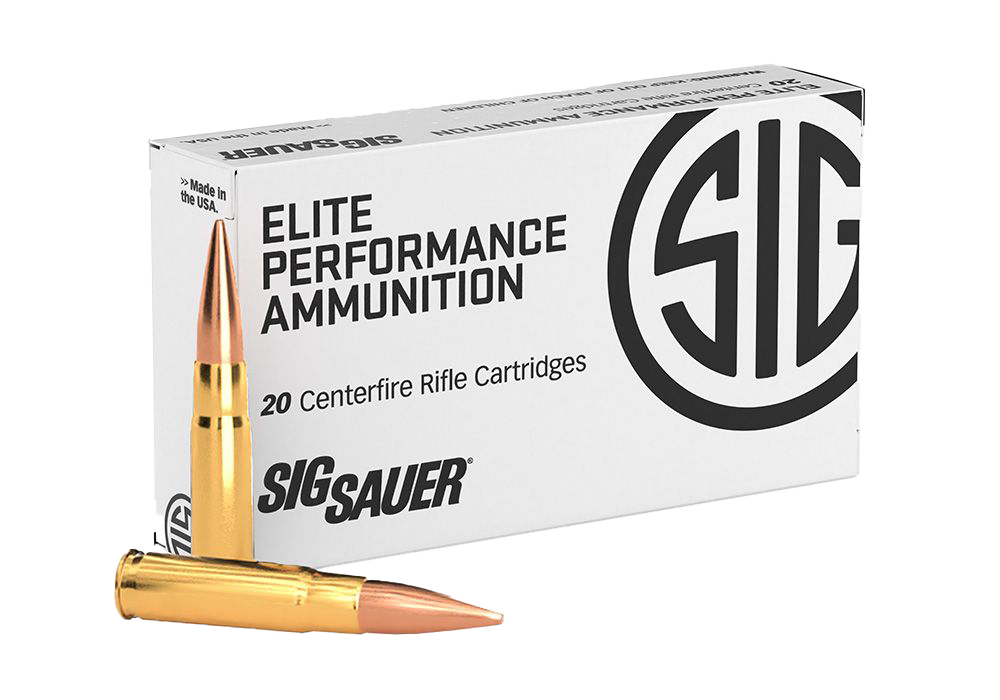
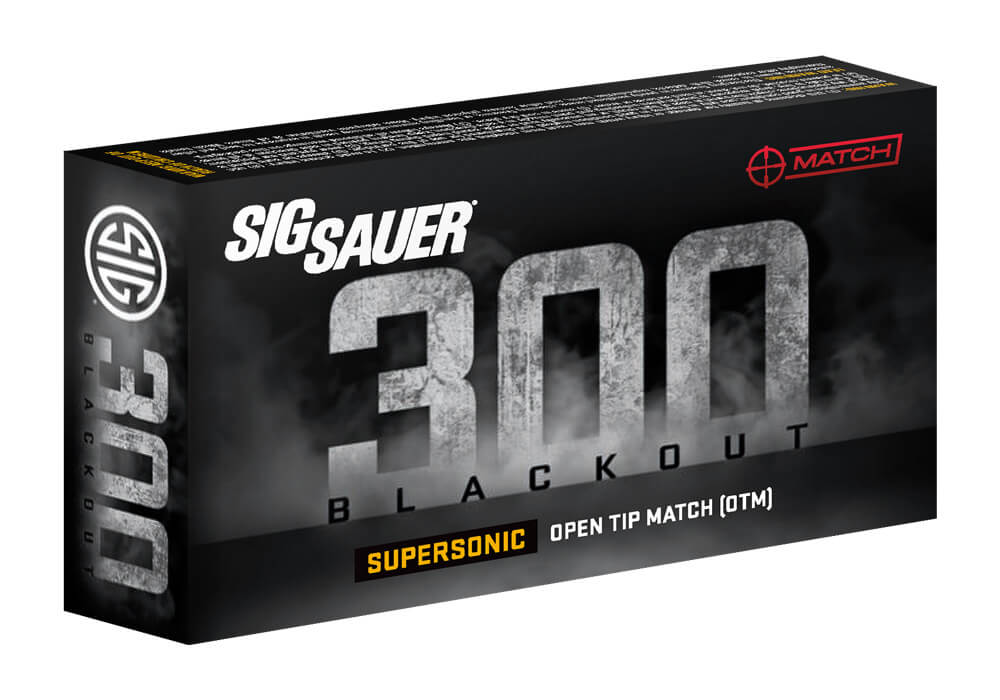
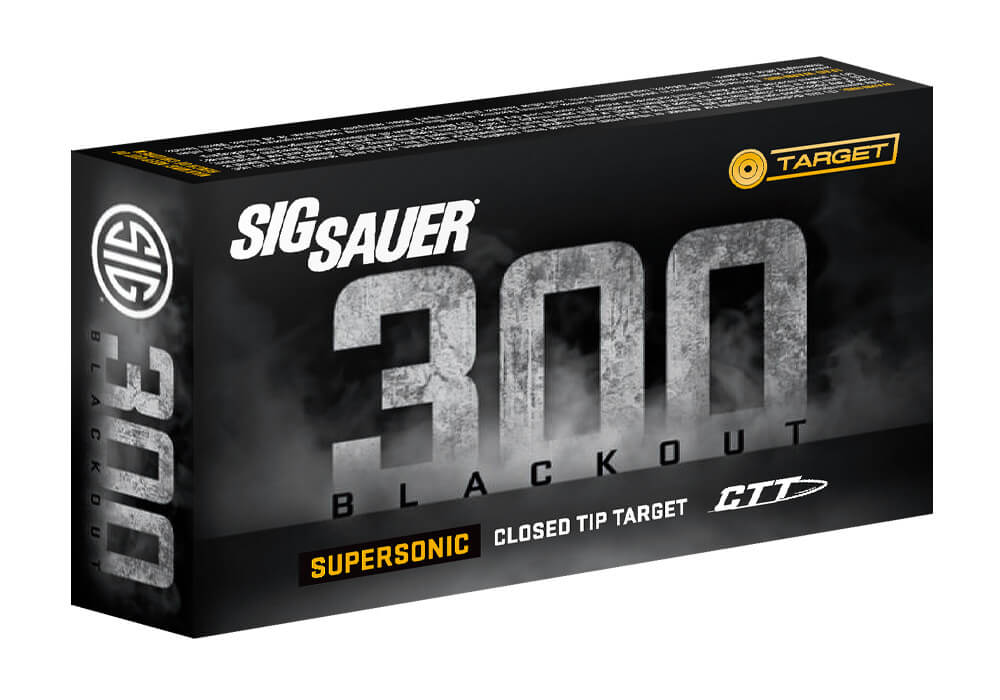
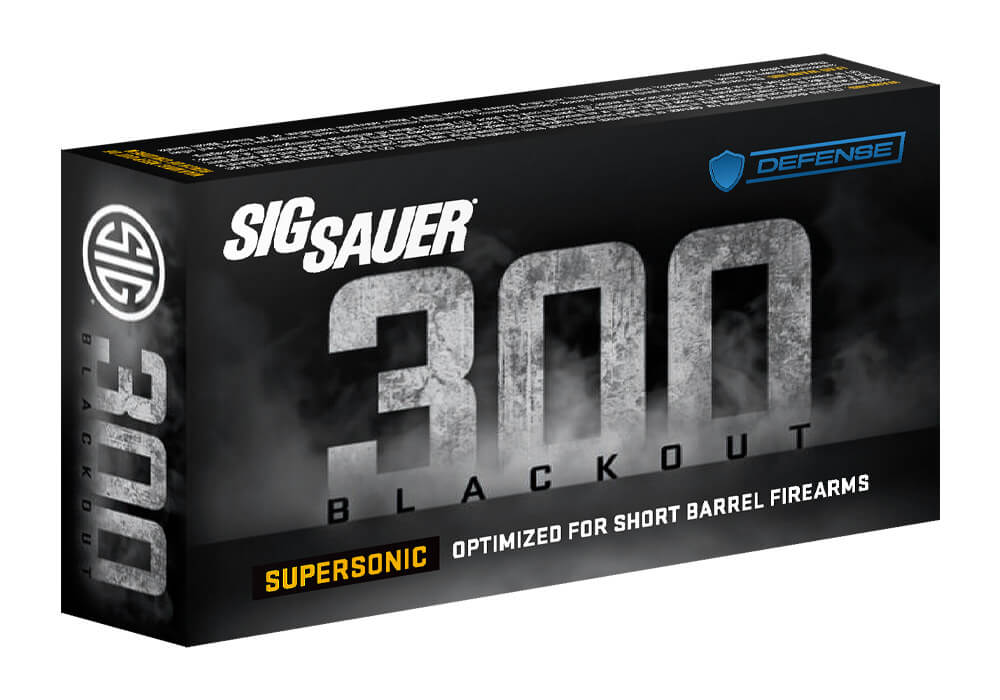
Brass cased 300 Blackout rounds are a practical choice for shooters who want dependable, versatile ammunition for modern sporting rifles and other firearms chambered for .300 AAC Blackout. The cartridge was designed to perform well in compact platforms, making it popular for range practice, personal collections, hunting applications where lawful, and suppressed shooting when paired with compatible equipment. Brass cases are valued for their consistent dimensions, dependable feeding, and corrosion resistance, while Boxer-primed cases may also be suitable for reloading when the shooter has the correct tools, components, and experience. For shoppers comparing ammunition, the first step is confirming that the firearm is specifically chambered for .300 AAC Blackout. Although the cartridge can share magazines and certain platform components with other rifle calibers, it should never be confused with a different chambering. Check the barrel marking, owner’s manual, and ammunition packaging before loading. A clean brass case catching the light on a loading bench may look much like another rifle cartridge, but small differences in dimensions and pressure specifications matter. Factory-loaded ammunition is often the most convenient choice for practice or field use because it arrives assembled, inspected, and ready for use, while empty brass cases are intended for knowledgeable handloaders who understand case preparation, primer selection, powder charges, bullet seating, and load data. Shoppers looking for a broad selection of compatible options can explore 300BLK Rounds and compare the details that best match their firearm and intended use.
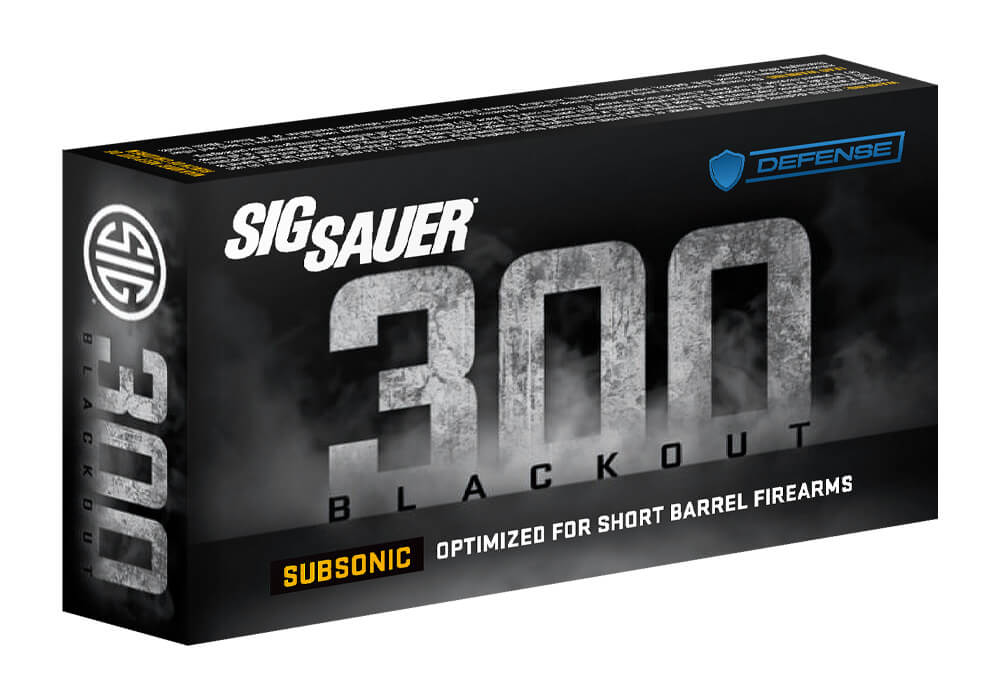
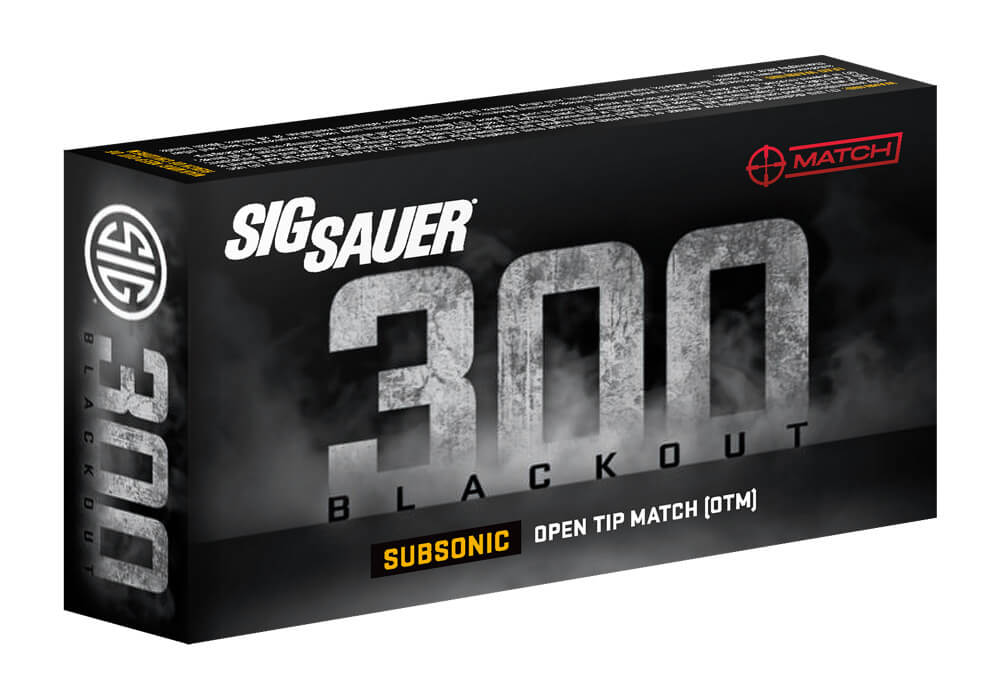
One of the most important purchase considerations is whether a load is supersonic or subsonic. Supersonic ammunition generally produces a flatter trajectory and may be preferred for many general-purpose range sessions or lawful hunting applications, depending on bullet construction, local regulations, and the firearm’s setup. Subsonic ammunition is designed to remain below the speed of sound, which can make it appealing for suppressed shooting when used with a properly mounted and compatible suppressor. A suppressor does not make every load quiet, and subsonic ammunition does not eliminate the need for hearing protection or safe range practices. Performance also depends on barrel length, twist rate, bullet weight, temperature, elevation, and the individual firearm. A compact rifle may handle differently from a pistol-style configuration, and a load that cycles one firearm reliably may not produce the same result in another. Before purchasing a large quantity, many shooters choose a small selection of ammunition and test it under controlled conditions, watching for reliable chambering, extraction, accuracy, and point of impact. This is especially useful when changing between bullet weights or moving from unsuppressed to suppressed shooting. Brass cased ammunition can be a good fit for shooters who collect spent cases for future reloading, although cases should be inspected for damage and reloading should follow established manuals and the component manufacturer’s instructions. Brass is also accepted at many shooting facilities, but range policies vary, particularly regarding steel-core projectiles, magnetic bullets, and outdoor cleanup requirements. Reviewing the range rules before heading out prevents a pleasant afternoon from ending with an unexpected restriction at the firing line.
These rounds may appeal to an experienced rifle owner refining a particular setup, a new shooter building a training supply, or a thoughtful gift-giver shopping for someone who already owns a properly chambered firearm. Ammunition is not a universal gift, however; the recipient’s exact caliber, preferred bullet type, firearm configuration, and local purchasing requirements should be known before making a selection. During the cooler months, brass cased ammunition can be especially convenient for range days when organized storage and reliable function matter more than carrying an assortment of loose components. Keep cartridges in their original packaging or another clearly labeled container, protected from moisture, excessive heat, and rough handling. Store ammunition separately from firearms and follow all applicable laws governing purchase, possession, transport, and use. When preparing for a session, inspect cartridges for damaged cases, loose bullets, corrosion, or other irregularities, and set aside anything questionable rather than attempting to fire it. Use the bullet profile and purpose described on the packaging as a starting point, then confirm that the load is appropriate for the firearm, magazine, barrel, and any attached suppressor. Brass cased .300 Blackout ammunition combines convenient factory-ready performance with the added value of reusable cases for qualified reloaders, giving shooters a flexible option for practice, training, and lawful field use. With careful caliber verification, sensible load selection, secure storage, and attention to range requirements, it can serve as a dependable part of a well-organized ammunition supply.