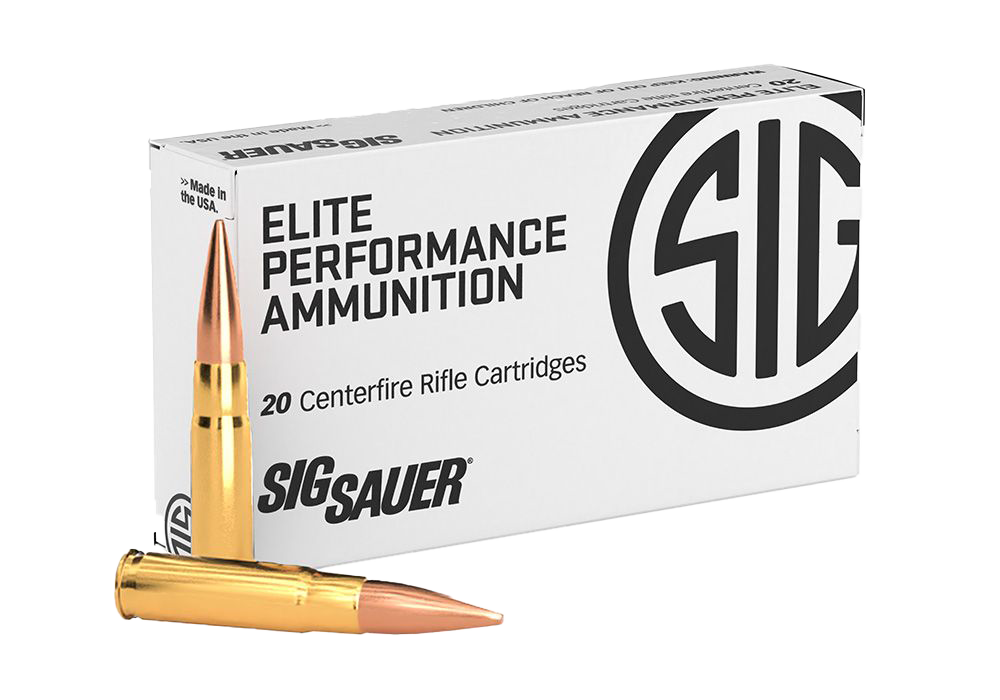
Brass-cased .380 Auto rounds pair a familiar handgun cartridge with a case material valued for its balance of strength, flexibility, and corrosion resistance. Also known as .380 ACP, this cartridge is commonly associated with compact semiautomatic pistols, including firearms used for recreational shooting, range training, and lawful personal protection. The brass case holds the primer, propellant, and projectile together as a complete cartridge; it is not the same component as the bullet that travels through the barrel. During firing, the case expands against the chamber walls to help seal combustion gases, then relaxes as pressure subsides, supporting extraction in a properly functioning firearm. Its smooth exterior and dimensional consistency can contribute to dependable cycling, although ammunition performance also depends on the pistol’s design, condition, magazines, and compatibility with the particular load. Brass itself is nonmagnetic, but that does not mean every cartridge with a brass case meets every range’s rules: projectile construction can still affect whether ammunition passes a magnetic check. The caliber designation matters just as much as the case material. A pistol chambered for .380 Auto requires ammunition specified for that chambering, not another cartridge with a similar name or bullet diameter. The firearm’s markings and owner’s manual provide the controlling reference for compatibility. Within the caliber, differences in bullet weight, projectile shape, and loading influence how a round feels and performs. A 95-grain bullet is a common reference point for .380 Auto target ammunition, though other weights are also used. Grain weight describes the bullet’s mass, not the amount of propellant inside the case. Full metal jacket projectiles are common for range practice, while hollow point designs are generally associated with personal protection. Neither the brass exterior nor a familiar bullet weight tells the whole story; the cartridge’s complete specifications provide the meaningful basis for comparison. Case material is an important characteristic, but intended use, projectile construction, and firearm fit determine whether a particular type of ammunition suits the task.
For target shooting, brass-cased .380 Auto ammunition suits the practical work of becoming familiar with a compact pistol: maintaining a consistent sight picture, developing sound trigger control, and understanding the firearm’s handling under qualified supervision when needed. A small handgun may be convenient to carry, but its light weight and short grip can make recoil feel sharper than a new shooter expects. The cartridge name alone does not establish how comfortable a range session will be. Firearm weight, grip shape, ammunition characteristics, and individual experience all contribute to the overall feel. Consistent ammunition can help a shooter recognize patterns without introducing unnecessary variables, whether the session involves slow practice on paper targets or a supervised introductory class. Full metal jacket ammunition typically has a jacket surrounding a lead core and is widely used for these routine practice applications. A brass case should not be confused with a copper-colored bullet jacket, and a jacketed projectile should not automatically be treated as suitable for every facility. Some ranges restrict certain projectile materials or require particular ammunition types, so their published rules remain relevant even when the case is brass. Personal-protection ammunition serves a different purpose from routine target loads. Hollow point designs are generally engineered to expand under specified conditions, but results depend on the projectile design, impact conditions, and the firearm used. Published manufacturer testing can offer useful context, especially when barrel length is disclosed, because compact .380 Auto pistols can differ from the equipment used to establish a listed velocity. No case material or projectile profile guarantees flawless function in every handgun. Appropriate ammunition selection includes confirming compatibility and assessing reliable operation at a lawful shooting facility while following the firearm manufacturer’s recommendations. Shooters who practice with one ammunition type and rely on another also benefit from understanding differences in recoil feel and point of impact. These considerations matter to experienced handgun owners as well as newer shooters building familiarity with their equipment. The value of brass-cased rounds lies in their suitability for the firearm and purpose, rather than in the assumption that every load within a caliber behaves identically.
The durability of brass helps explain its longstanding role in cartridge construction, but careful storage and handling still matter. Ammunition belongs in secure storage protected from moisture, contamination, and access by children or unauthorized people. Original packaging keeps the caliber, bullet weight, and other identifying details together, making it easier to distinguish ammunition types that may look similar at a glance. Loose cartridges mixed in a range bag can create confusion, particularly when several firearms or calibers are involved. Brass can develop surface tarnish over time, and a change in color alone does not necessarily indicate a defective round. Significant corrosion, cracks, damaged primers, distorted cases, or bullets that appear displaced deserve attention rather than an attempt to force the cartridge into service. Ammunition should not be soaked in cleaning solvents or treated with firearm lubricants; keeping cartridges clean and dry is different from cleaning the pistol itself. Fired brass also has a practical advantage after a range session: many .380 Auto cases with Boxer primers may be suitable for reloading by knowledgeable reloaders, depending on their condition and construction. Brass casing alone does not establish reloadability, and no universal number of reuse cycles applies to every case. Range rules determine whether shooters may collect fired cases, while local recycling requirements govern disposal of spent brass. Unfired or damaged ammunition requires appropriate handling through a qualified facility or local guidance rather than ordinary household recycling. Beyond handgun ammunition, Brass Case Hunting Ammo represents a separate category centered on hunting applications, where cartridge choice must match the firearm, applicable regulations, and intended game. That distinction reinforces a useful principle across ammunition categories: brass describes the case material, not a universal purpose or performance level. For .380 Auto rounds, the most relevant qualities remain correct chambering, appropriate projectile design, dependable function in the individual pistol, and responsible care before and after each range visit. Together, those details give this ammunition category its practical place in routine handgun practice and lawful personal-protection use.