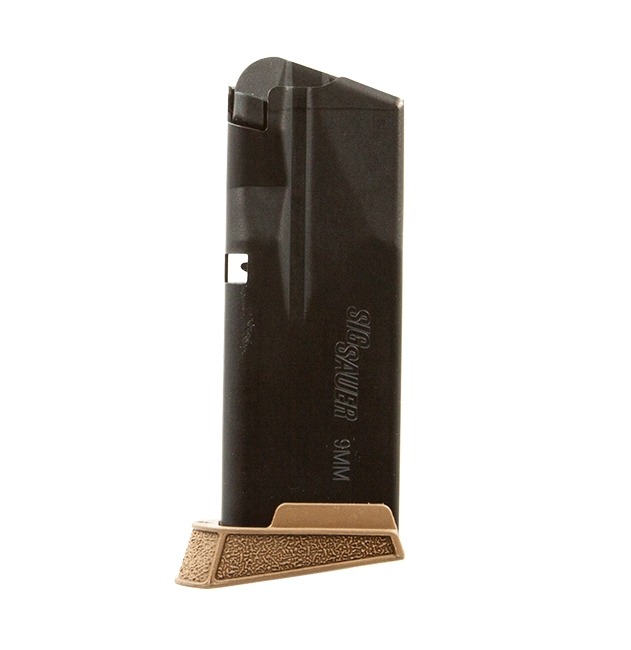
Brown baseplate magazines are firearm magazines distinguished by a brown plate at the bottom of the magazine body. That plate closes the lower end of the assembly and helps retain the internal spring and related components, while its exposed surface contributes to the magazine’s appearance and handling feel. The brown color is a visual characteristic, not a specification for ammunition type, firearm compatibility, or the number of rounds the magazine holds. For shoppers coordinating a firearm with earth-tone furniture or accessories, a brown baseplate can provide a subtle finishing detail without requiring every visible surface to share the same color. Shades can range from lighter tan-brown to deeper earth tones, and differences in material, finish, texture, and lighting can affect how closely separate components appear to match. The magazine body and baseplate also serve different purposes, so their construction deserves separate attention. A metal magazine body may be paired with a polymer baseplate, while other designs use different material combinations. Polymer can offer a textured contact surface and color throughout the component, depending on its construction; metal baseplates may use an applied finish and a different edge profile. Neither material alone determines overall quality. Fit, retention, finish consistency, and compatibility with the complete magazine assembly matter more than color by itself. A low-profile plate may sit close to the grip, while a more pronounced profile can leave additional surface exposed beneath it. That distinction is useful when comparing magazines for a range bag, a competition setup, or a firearm used for lawful personal protection. The best match balances the desired brown accent with the dimensions and construction appropriate to the firearm, rather than treating appearance as a substitute for mechanical suitability.
Compatibility is the most important consideration when choosing magazines with brown baseplates. A shared color, similar outline, or familiar-looking magazine body does not establish that two magazines are interchangeable. The intended firearm model, chambering, magazine design, and relevant generation or frame configuration should agree with the manufacturer’s specifications. Grip length is especially important because the same general firearm family can include frames with different dimensions. A baseplate that sits neatly beneath one grip may leave a different amount of magazine body exposed beneath another, and some combinations require a specifically approved sleeve or other matching component. Added magazine wells can introduce another fit consideration: the plate needs the correct shape and clearance for the surrounding opening. A broad edge or raised section that looks useful in a photograph may not suit every grip or magazine well. Product dimensions and compatibility information are therefore more useful than visual similarity alone. It also helps to distinguish a complete magazine with a brown baseplate from a separate replacement baseplate. A complete magazine includes the body and internal feeding components; a replacement plate is only one part of that assembly and must match its intended magazine. Shoppers comparing separate components can explore Aftermarket Magazine Baseplates while keeping those distinctions in mind. Baseplate shape can affect how the bottom of the grip feels against the hand, particularly when a shorter grip leaves less room for the little finger. However, a larger-looking plate does not necessarily provide finger support or change the round count. For range practice, consistency across several compatible magazines can make equipment easier to recognize and organize. For organized competition, equipment rules may also govern magazine dimensions or configuration. Any fit check should follow the firearm and magazine manufacturers’ instructions, with the firearm unloaded and ammunition kept separate from the inspection area.
Durability becomes easier to evaluate when attention shifts from the brown finish to the surfaces that receive regular contact. The bottom plate may touch a shooting bench, rub against a magazine pouch, or sit against other equipment inside a range bag. Rounded edges, an even finish, and a secure connection to the magazine body are practical details to examine. Cosmetic scuffs do not always indicate a functional problem, but cracks, distortion, looseness, or damage around retaining features deserve attention before further use. A brown finish can show wear differently depending on whether its color runs through the material or sits on the surface, so appearance alone is not a reliable measure of remaining service life. Routine care should follow the manufacturer’s directions for the complete magazine, not assumptions based on the baseplate material. Keep grit and debris from collecting around the lower seam, use cleaning products approved for the relevant materials, and avoid unnecessary lubricant that could attract residue. If internal cleaning or part replacement is needed, follow the documented procedure rather than forcing components or substituting a plate that merely looks close. Storage matters as well: a dedicated pouch or compartment helps keep magazines from rubbing against loose tools and keeps compatible equipment together. A consistent brown accent can help an owner recognize a personal set at a shared range bench, although a separate, unobtrusive identifier is more dependable when several people use similar equipment. These magazines can also be a thoughtful gift for an experienced firearm owner when the recipient’s exact compatibility requirements are known. Matching the firearm and intended use is more valuable than guessing from a favorite color, and any purchase should comply with applicable laws. Whether the priority is a coordinated appearance, a familiar grip interface, or a clearly organized range setup, brown baseplate magazines reward careful attention to the complete assembly. Color provides the visual connection; correct fit, sound construction, and regular inspection provide the practical foundation.