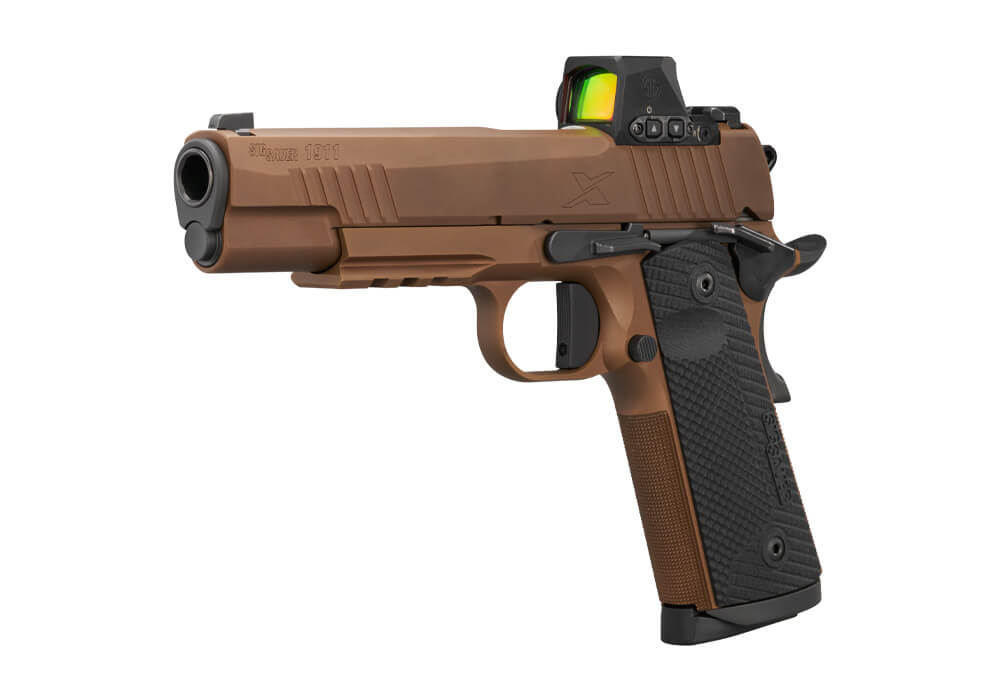
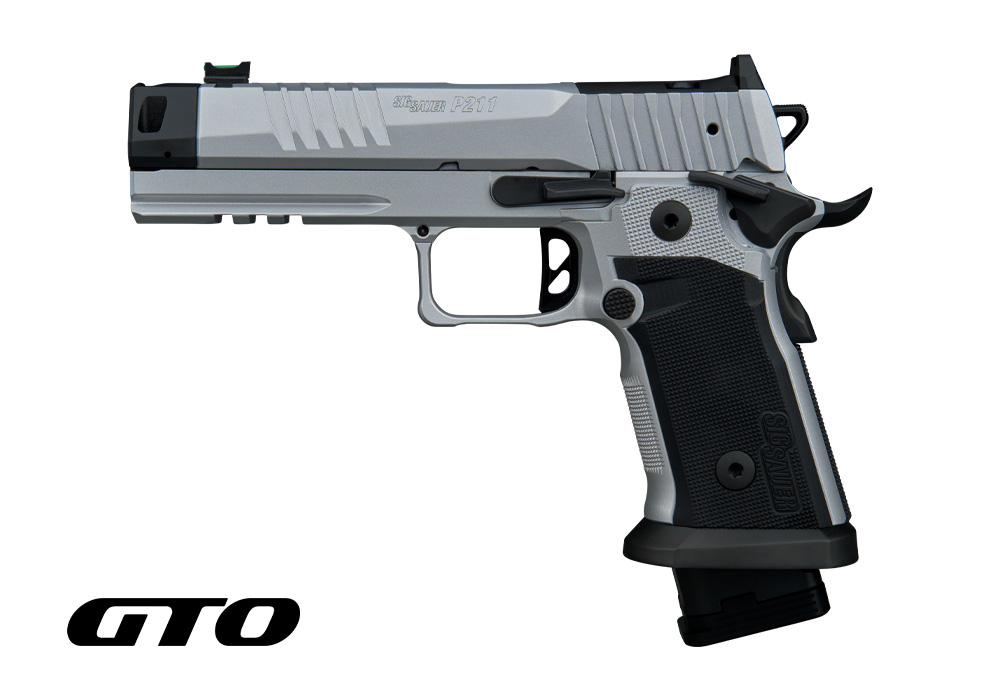
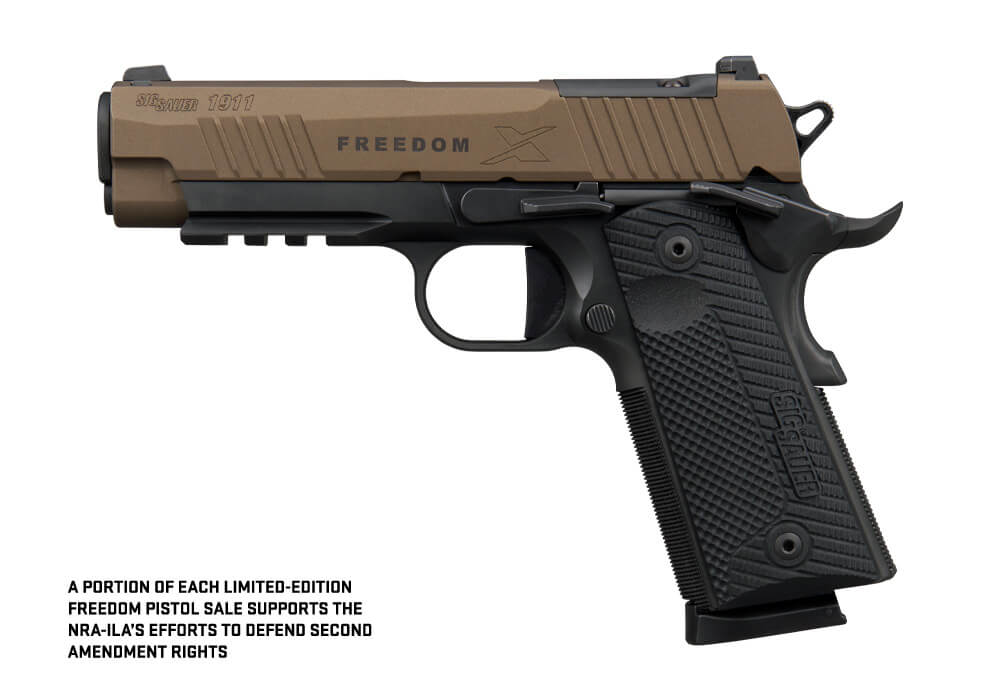
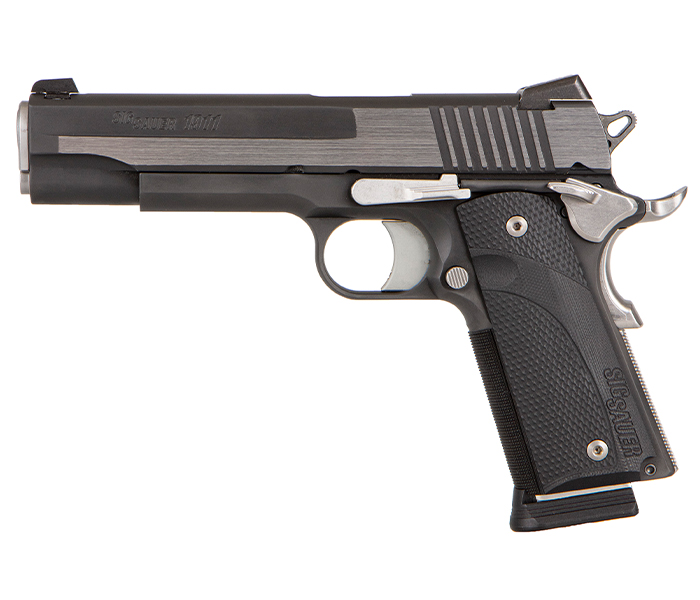
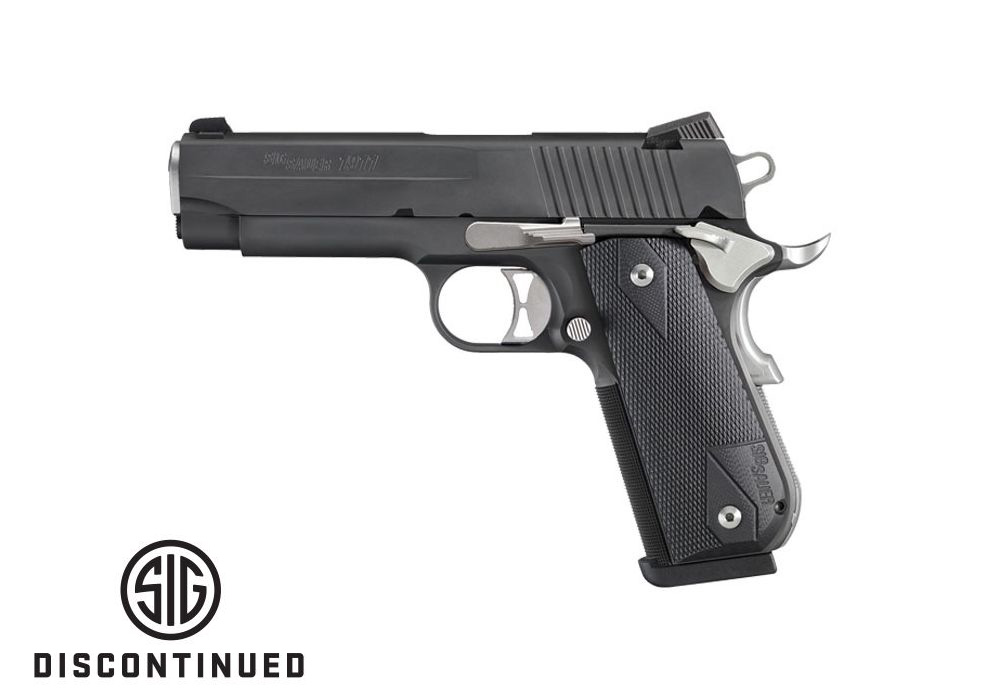
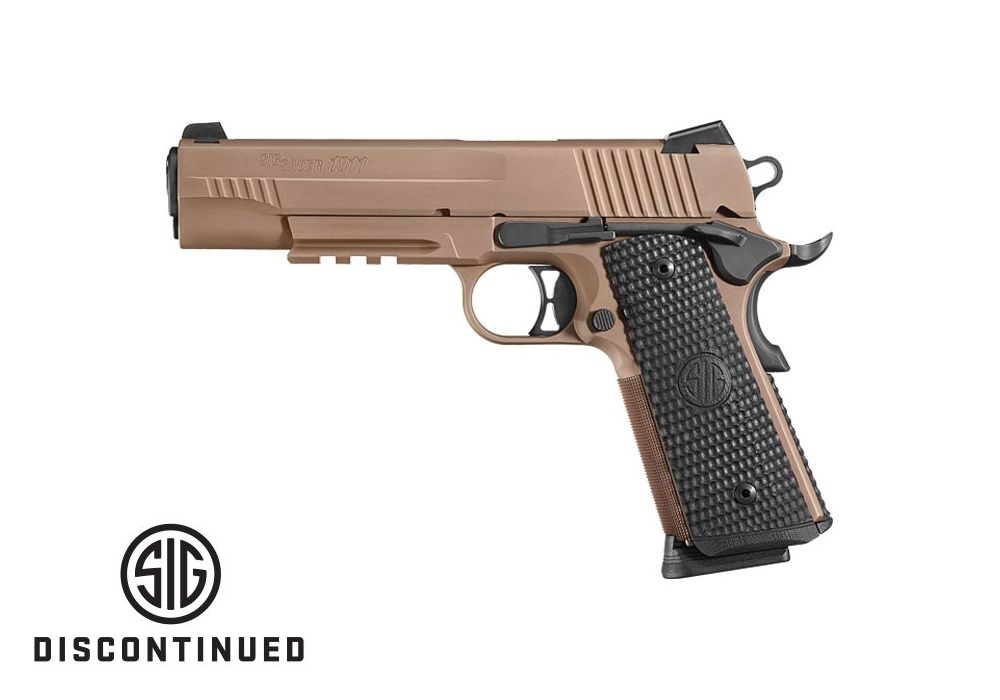
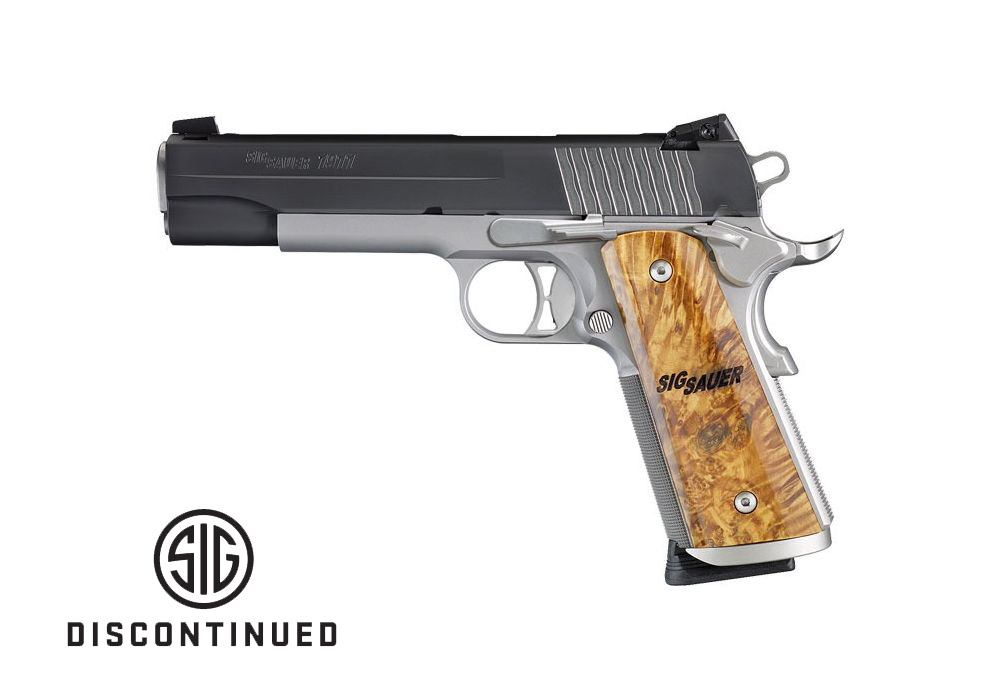
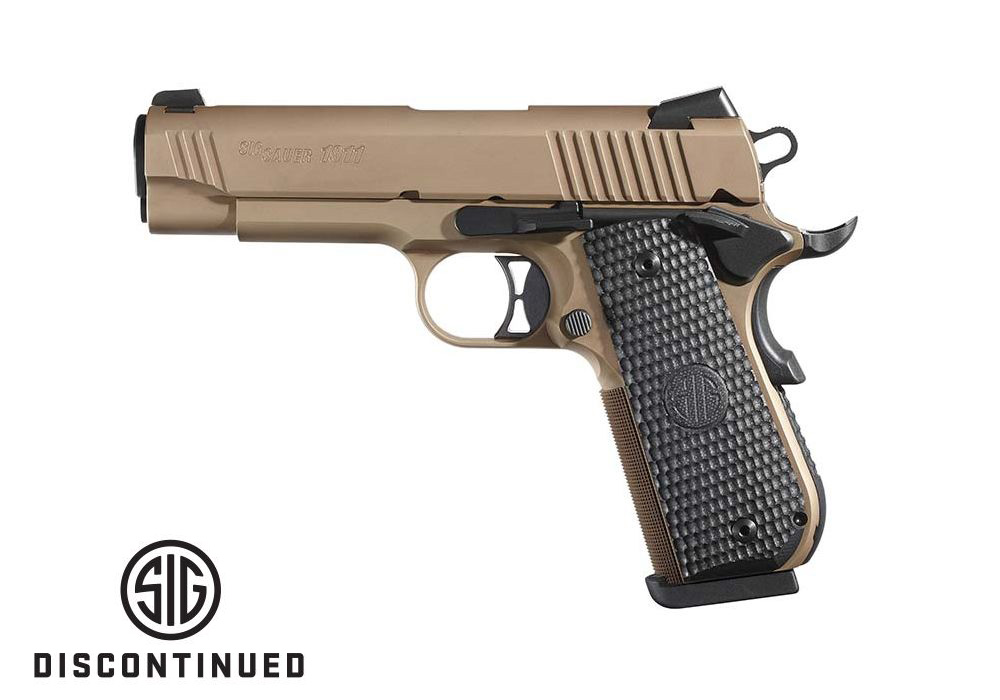
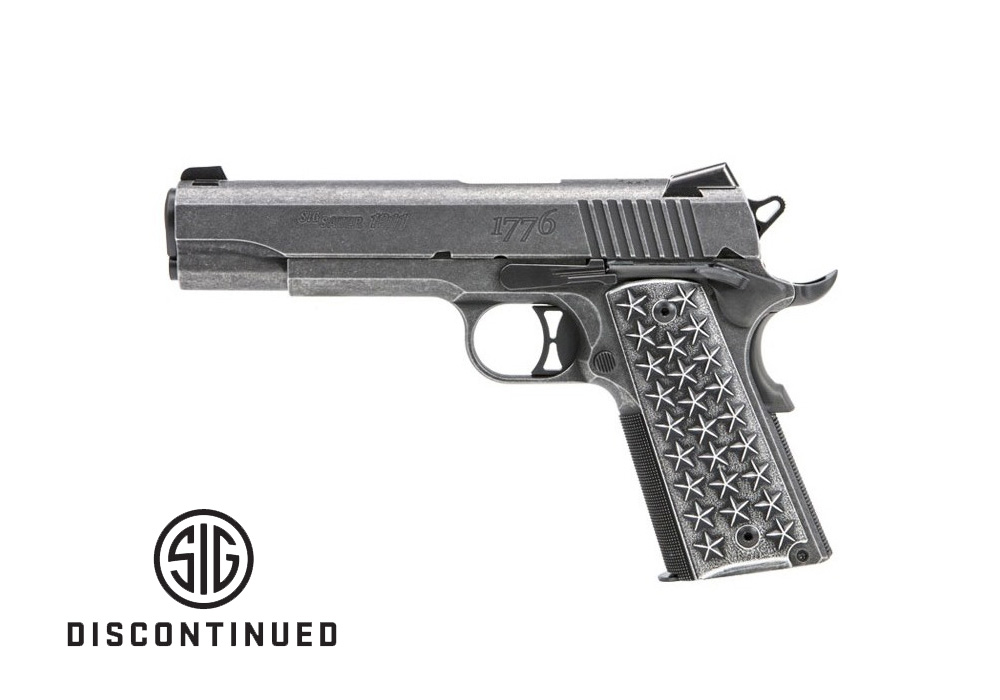
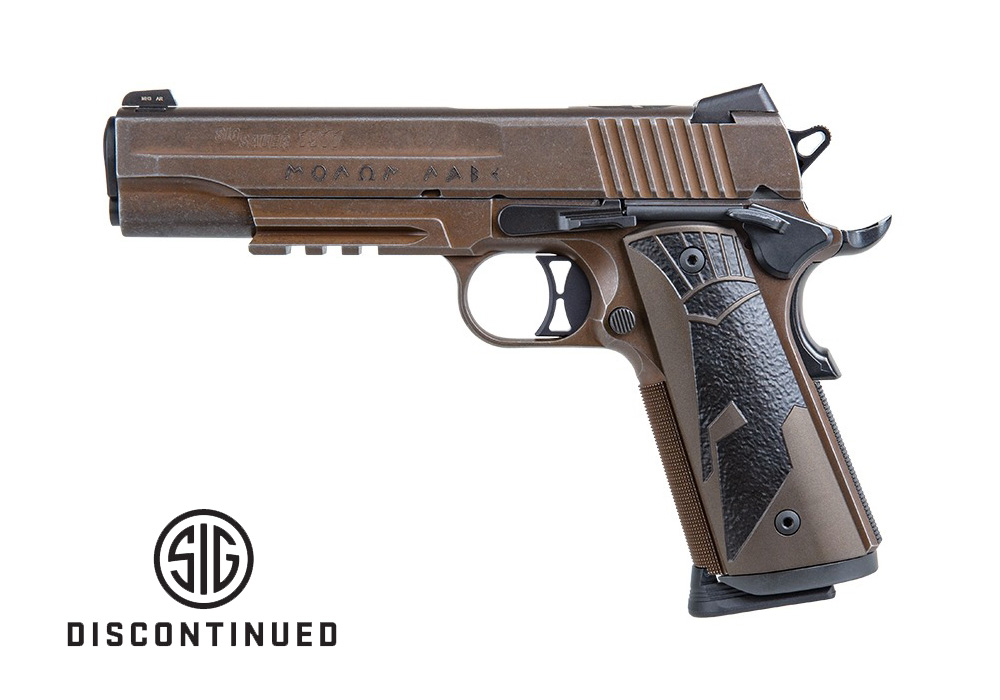
Classic contour 1911 pistols bring together the familiar lines of the 1911 platform and a practical frame modification designed for everyday comfort. The defining feature is a rounded or “bobtailed” mainspring housing that removes the sharp lower corner of the grip frame. This softened heel helps the pistol sit more naturally against the hand and can reduce the tendency of the grip to print or catch on clothing when carried in a suitable holster. It also preserves the traditional 1911 profile while giving the frame a slightly smoother, more refined appearance. For many shooters, the difference is noticeable when wearing a cover garment during the warmer part of the year or adding a jacket and heavier layers during cooler months. The rounded contour can slide past a shirt, coat, or holster edge with less interference, while the familiar grip angle, frame-mounted controls, and single-action operating character remain central to the experience. These pistols appeal to experienced 1911 owners who appreciate thoughtful refinements, as well as to new buyers drawn to the platform’s balance of classic styling and deliberate handling. A classic contour model may also suit someone who wants a traditional-looking handgun with details selected for practical carry, range use, or personal collection. The change at the base of the grip is subtle, but it can influence how the pistol feels in the palm, how it rests against the body, and how confidently it can be handled through repeated practice.
When comparing classic contour 1911 pistols, start with the fundamentals: chambering, barrel length, overall dimensions, weight, grip shape, controls, and intended role. A full-size configuration generally offers a longer sight radius, a generous grip area, and a steady feel in the hands, making it a natural choice for range sessions, training, competition-minded practice, or home-defense preparation where lawful and appropriate. A shorter commander-style or compact configuration may be easier to carry and maneuver, particularly for someone who values a reduced overall footprint without giving up the familiar 1911 format. Chambering is another important consideration. A 9mm option is often selected for its manageable recoil and broad availability, while .45 ACP remains closely associated with the traditional 1911 experience and may appeal to shooters who prefer its heavier projectile and established history. Whichever chambering fits best, buyers should consider ammunition cost, local availability, recoil tolerance, and the amount of practice they expect to do. Grip circumference and texture deserve close attention as well. Checkering or other traction surfaces can provide a secure purchase during rapid strings or when hands are damp, but an overly aggressive texture may be uncomfortable against bare skin during extended carry. Sight style, magazine release placement, thumb safety shape, trigger characteristics, and finish all contribute to the overall fit. It is worth handling comparable configurations at a licensed retailer, checking that the controls are easy to operate without shifting the shooting grip, and confirming that the chosen holster and spare magazines are compatible with the exact frame and barrel dimensions.
Classic contour 1911 pistols can serve a range of responsible purposes, from structured practice at an indoor or outdoor range to lawful concealed carry with the proper training, equipment, and permits. Their substantial metal-frame feel can make them especially appealing to shooters who enjoy a balanced pistol that settles naturally between shots. At the range, owners may use them to work on sight alignment, trigger control, draw mechanics, and consistent grip pressure under the supervision of a qualified instructor. For concealed carry, the rounded mainspring housing can be one part of a complete setup that includes a well-fitted holster, a sturdy belt, appropriate clothing, and a safe method of carrying. Firearm selection should always be matched to the individual’s hand size, strength, experience, and ability to operate the controls reliably. Safe storage is equally important: a secure locked container or other approved storage solution protects against unauthorized access, especially in homes with children or visitors. A classic contour 1911 may be a thoughtful gift for an experienced adult shooter, a collector who values traditional styling, or a family member beginning a carefully planned training journey, but firearms should be given only in compliance with applicable laws and transfer requirements. New owners should pair the purchase with professional instruction, regular practice, and a clear understanding of the four fundamental rules of firearm safety. Buyers who enjoy the heritage and handling qualities of the platform may also want to explore the broader selection of 1911 Handguns With Classic Design to compare traditional lines with modern refinements. Whether selected for practice, lawful carry, or a collection, the best choice is one that feels secure in the hand, fits the intended holster and storage system, and encourages disciplined, confident ownership.






![[["1911, 45 ACP, 4.2IN, X-SERIES, COYOTE, SAO, X-RAY 3, G10 GRIP, (2) 8RD STEEL MAG",", ROMEO X COMPACT"]]](http://www.sigsauer.com/media/catalog/product/1/9/1911xca-cxr-rxx-hero-left.jpg)