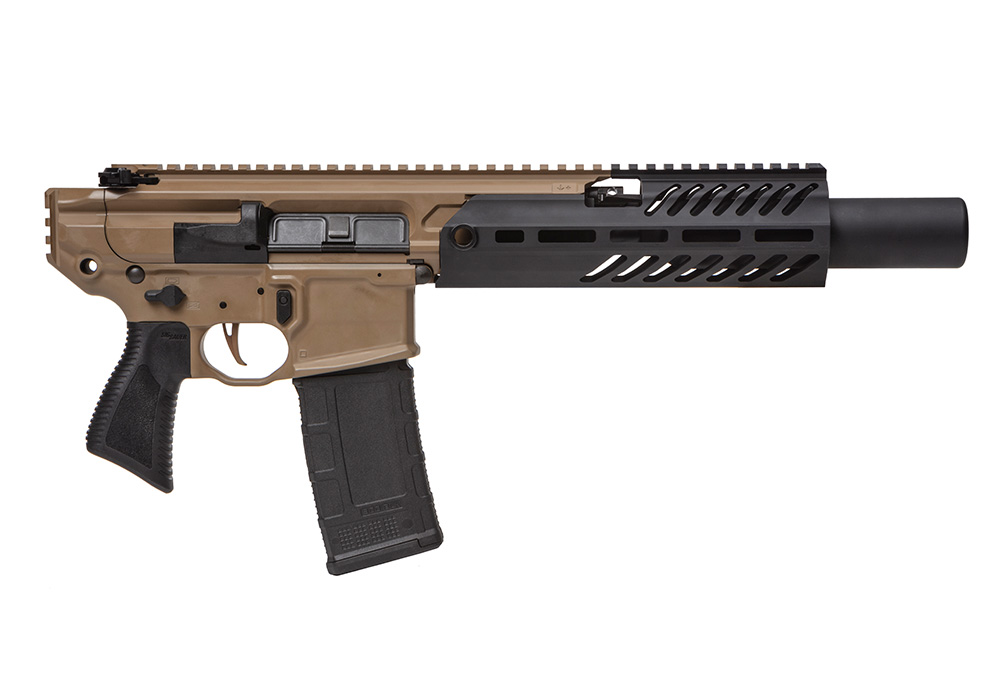
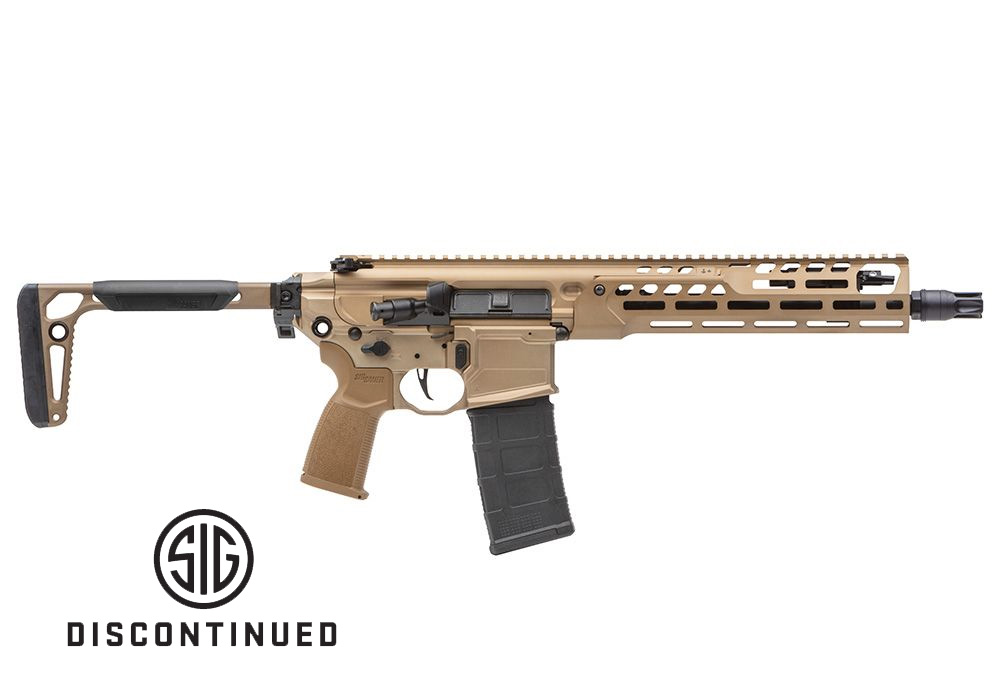
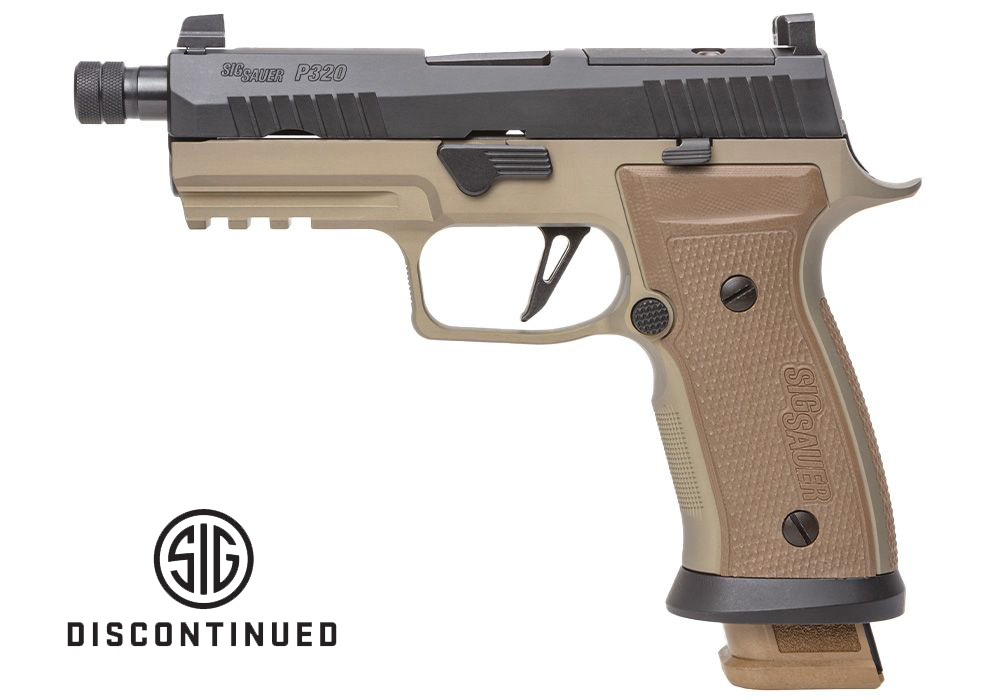
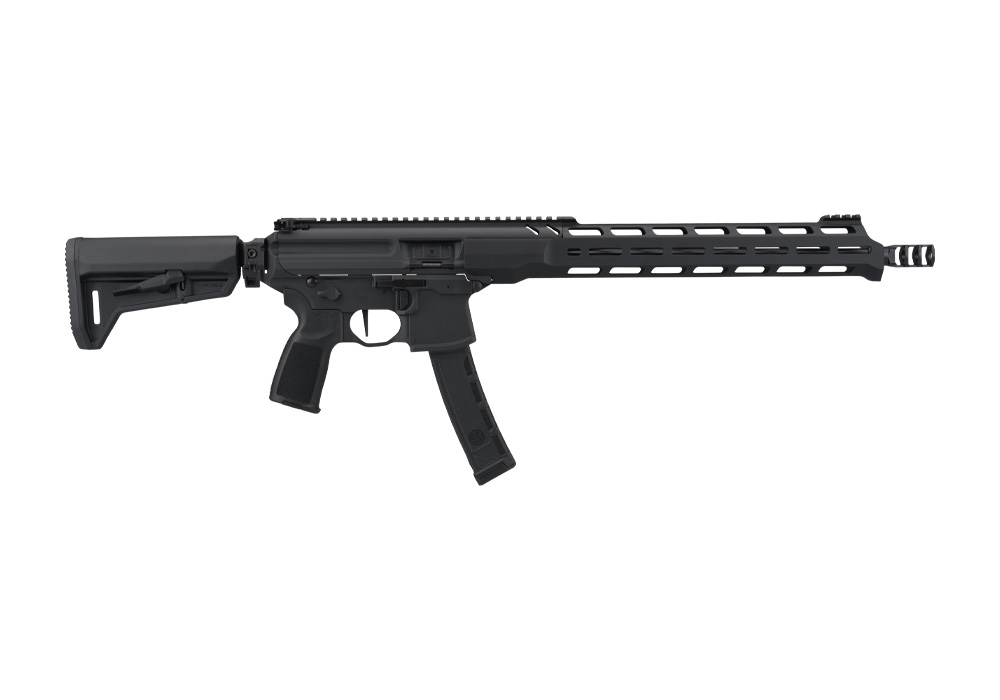
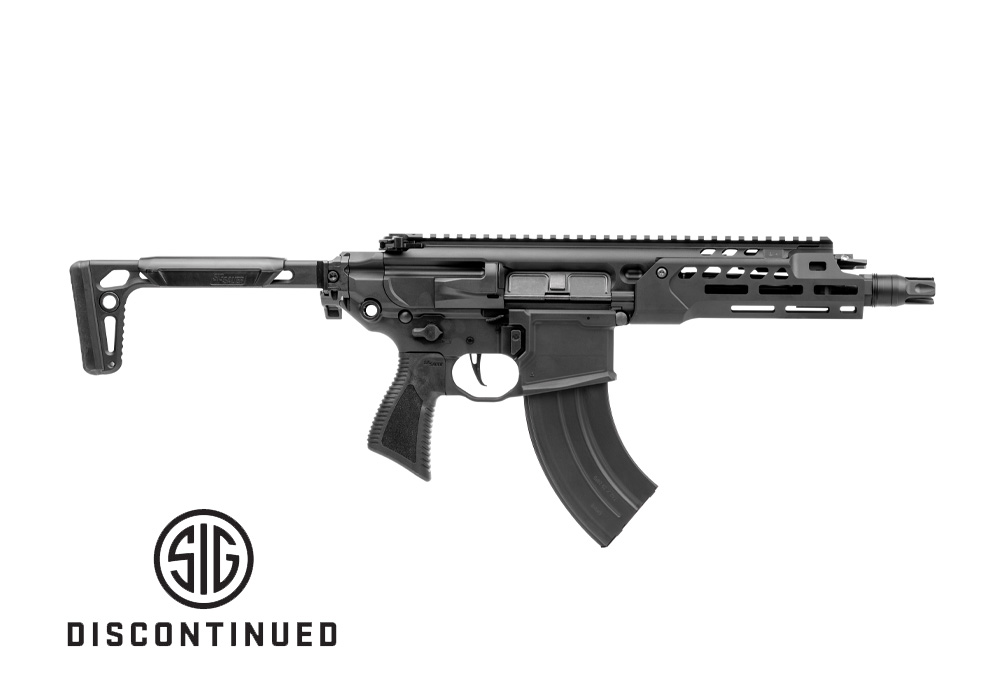
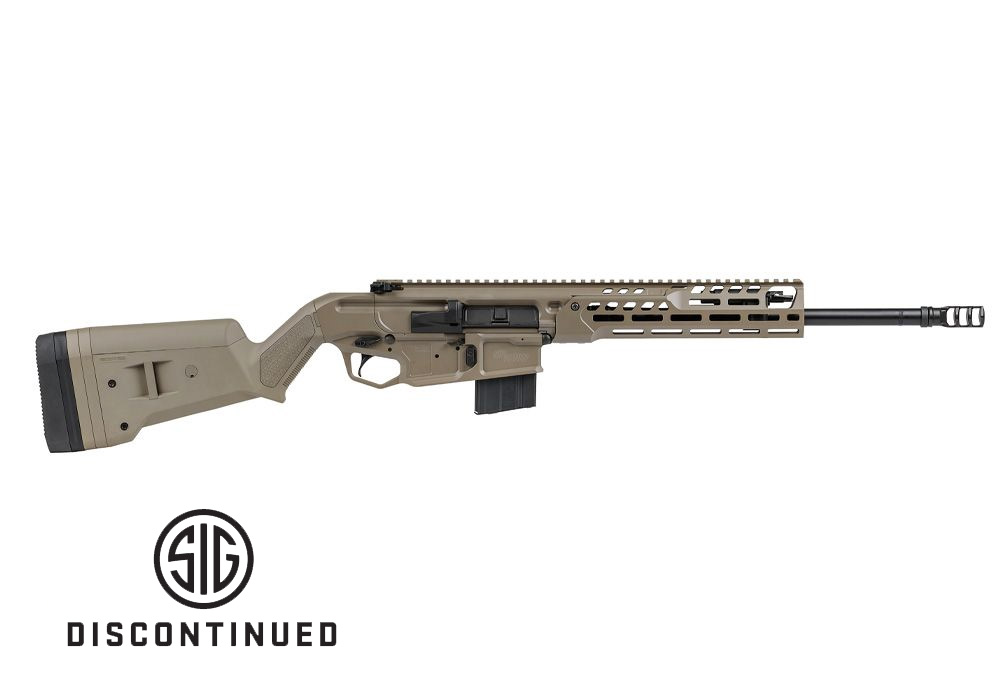
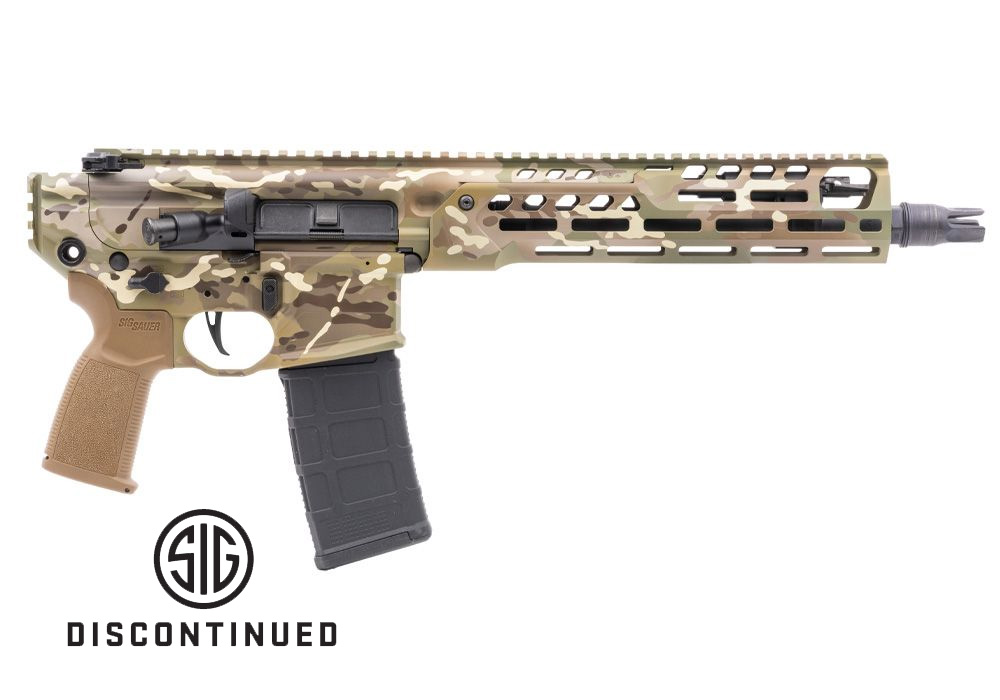
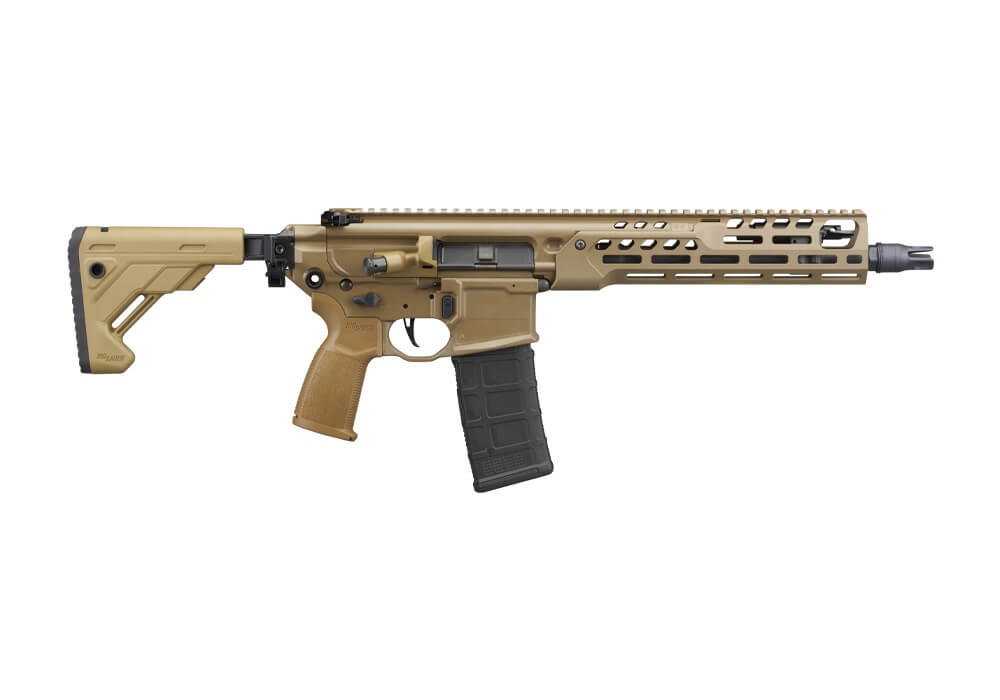
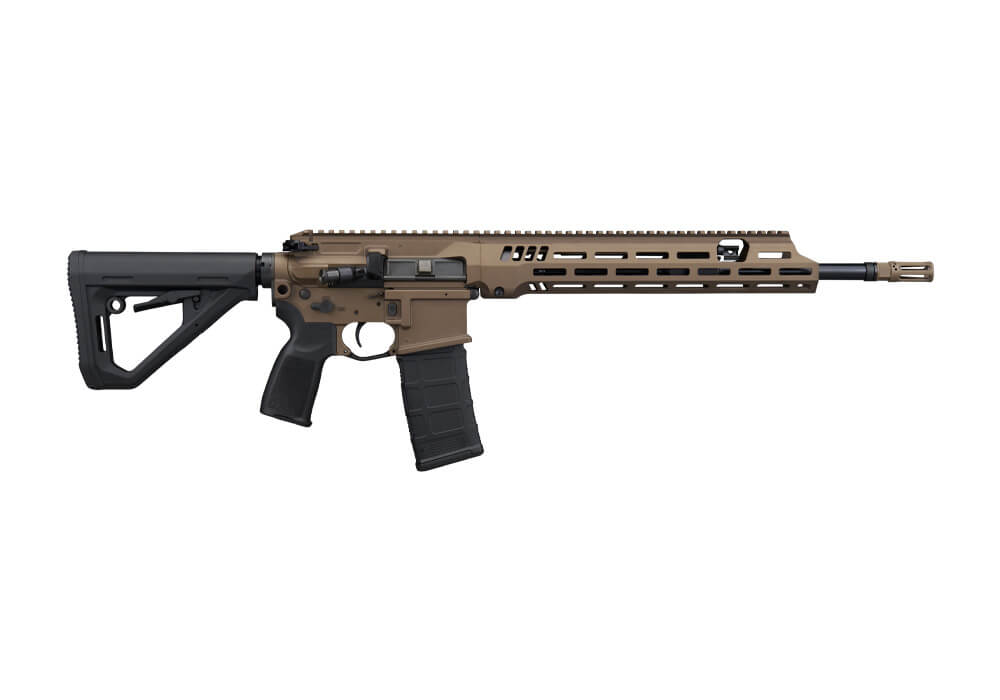
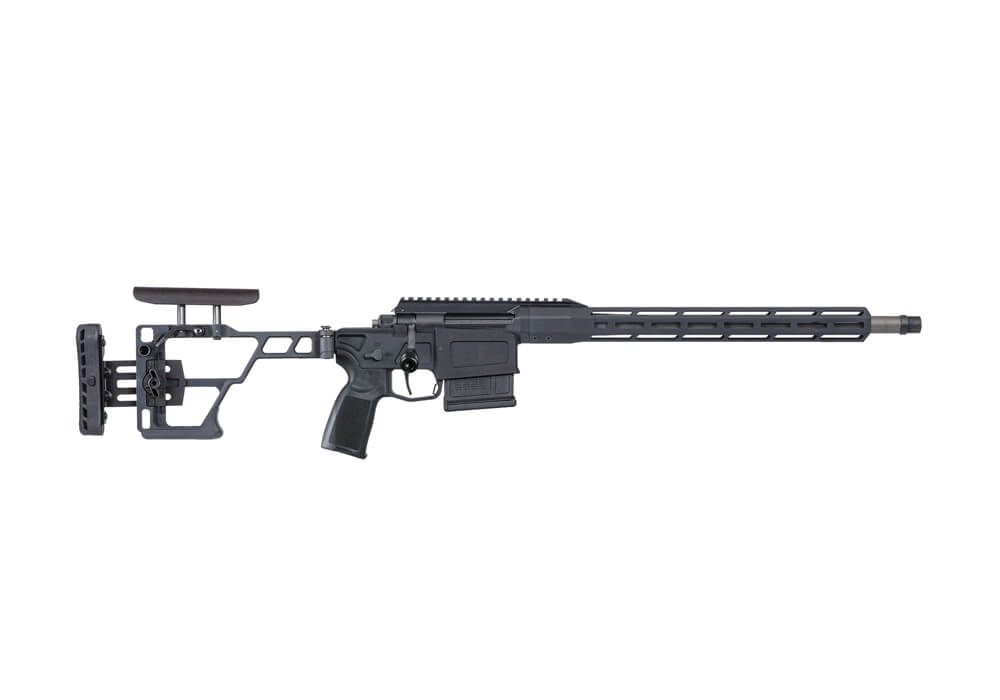
Close quarters combat rifles are compact, maneuverable long guns intended for use where space is limited and a full-length rifle may be difficult to handle. Their shorter overall dimensions can make them easier to transport, store, and move with in confined environments such as a home, vehicle, range bay, or training facility. While the term is often associated with military and law-enforcement applications, this category also includes firearms selected by responsible civilian owners for defensive readiness, recreational shooting, competition, and collection. Common configurations may include short-barreled rifles, braced pistol platforms where legally applicable, folding or collapsible stocks, ambidextrous controls, and free-floating handguards that provide a secure grip without adding unnecessary bulk. Barrel lengths are often shorter than those found on traditional service rifles, with many compact configurations ranging from approximately 9 to 12.5 inches. A shorter barrel can improve maneuverability around doorways, inside vehicles, and along narrow lanes, but it may also affect velocity, sound, flash, and balance. Those tradeoffs make it important to evaluate the complete setup rather than focusing on dimensions alone. A compact rifle should feel controlled and natural in the hands, with controls that are easy to reach, a stock or brace that fits the shooter, and a sighting system that supports quick, repeatable alignment without creating excessive weight. As with any firearm, safe storage, reliable handling, and consistent training should guide the purchase from the beginning.
Caliber is another central consideration when comparing close quarters combat rifles. The familiar 5.56x45mm NATO cartridge offers broad availability, a wide selection of loads, and a flat trajectory that can be useful for range practice and general-purpose applications. The .300 AAC Blackout cartridge is commonly chosen for compact platforms because it can be optimized for shorter barrels and is available in both supersonic and subsonic loads, although ammunition selection and sight settings require careful attention. Pistol-caliber carbines chambered in 9mm may offer controls and recoil characteristics that feel familiar to handgun owners, along with convenient ammunition options for practice. Each caliber brings a different balance of recoil, report, terminal performance, ammunition cost, and intended range, so shoppers should select a platform that fits their actual use rather than simply choosing the smallest or most powerful option. Magazine compatibility, whether the firearm uses standard or extended capacity magazines, and the availability of replacement magazines and parts can also influence long-term ownership. Optics and iron sights deserve equal consideration. A durable red dot can provide a clear aiming reference in a compact package, while a low-power variable optic may be better suited to owners who want additional flexibility at longer distances. A weapon light can be useful for identifying a target in low-light conditions, but it should be selected and installed with attention to secure mounting, activation, battery life, and safe handling. Slings, hand stops, and compact suppressor-compatible configurations may further support a streamlined setup, though suppressor ownership involves separate legal requirements, registration, and responsible use. Buyers should also confirm state and federal regulations before purchasing a short-barreled rifle, folding configuration, suppressor, or any other regulated component, and should understand the difference between a rifle, pistol, and short-barreled rifle under applicable law. For collectors building a focused display or assembling a historically inspired selection of compact platforms, Compact Tactical Rifles for Collectors offers a useful direction for continued research.
The best close quarters combat rifle is ultimately one that can be handled safely, maintained consistently, and practiced with regularly. A new owner may begin with a basic configuration and gradually add an optic, sling, light, or upgraded furniture after learning what genuinely improves comfort and control. Visiting a properly supervised range can help reveal whether the rifle’s length, stock position, trigger reach, and recoil characteristics suit the shooter, particularly when wearing colder-weather layers or gloves during the cooler months. A compact firearm can also be a thoughtful gift for an experienced, safety-conscious shooter, collector, or enthusiast, but firearms should never be given casually or without confirming the recipient’s eligibility, preferences, storage plan, and local transfer requirements. When the recipient is not known to be ready for firearm ownership, a training course, secure storage solution, optic, range bag, or gift card may be a more responsible choice. For home storage, a locked safe or secure container should prevent unauthorized access while allowing the owner to follow a practiced, lawful storage routine. Ammunition should be stored separately when appropriate, and every person in the household should understand basic firearm safety. A sound purchase also includes a realistic budget for magazines, ammunition, maintenance supplies, protective equipment, professional instruction, and secure storage. These rifles are compact by design, but compact does not mean simple; the shortened profile, caliber, controls, accessories, and legal classification all deserve careful review. With thoughtful selection and responsible ownership, a close quarters combat rifle can serve as a practical range firearm, a purposeful addition to a collection, or a carefully configured platform for users who value maneuverability in confined spaces.