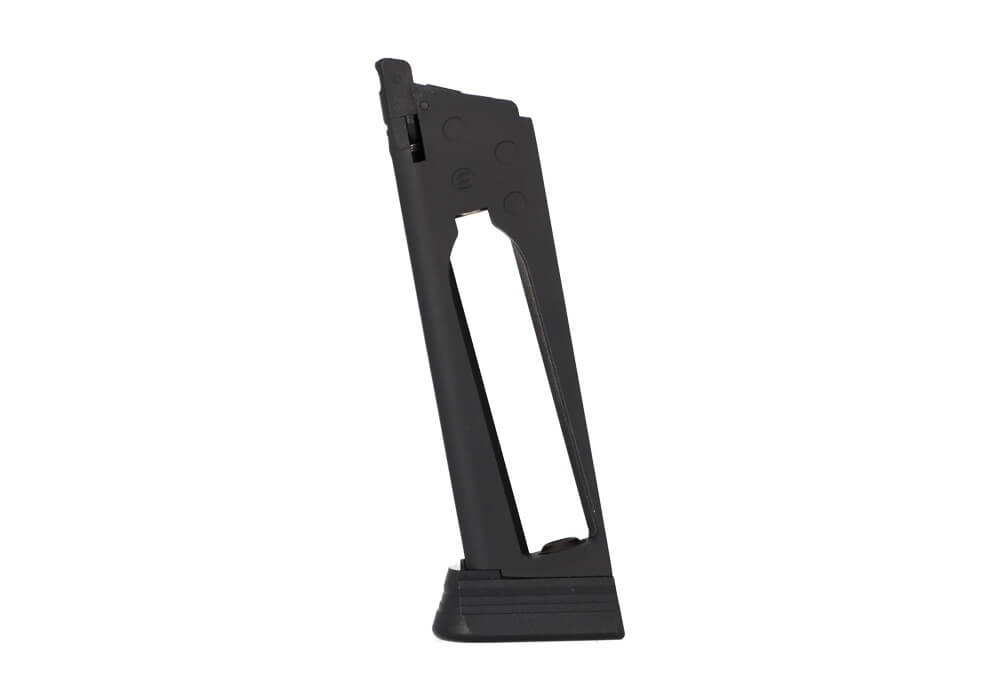
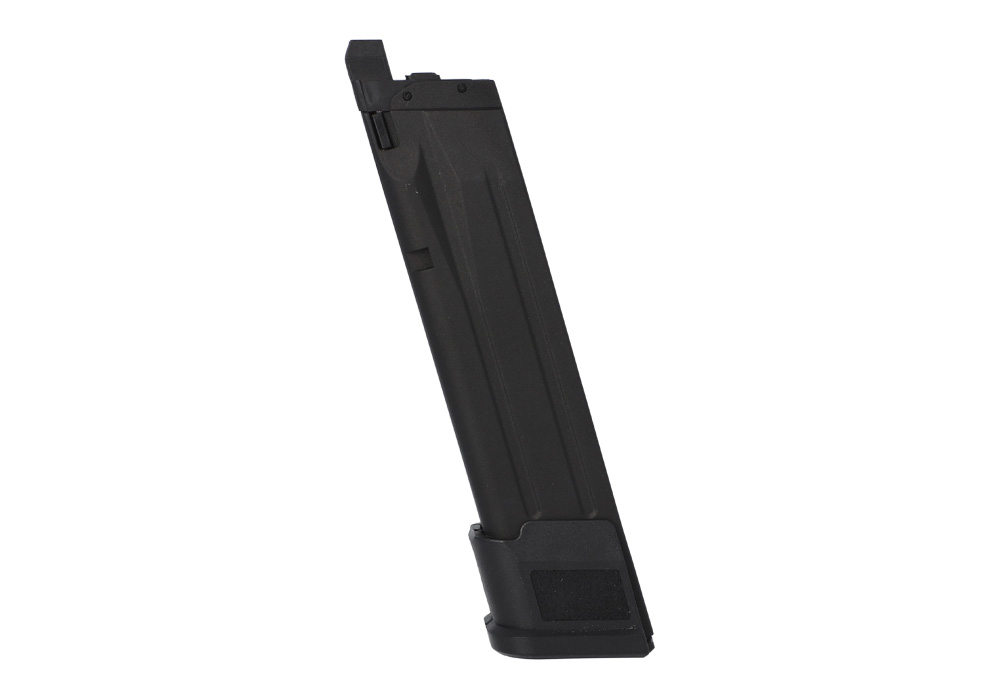
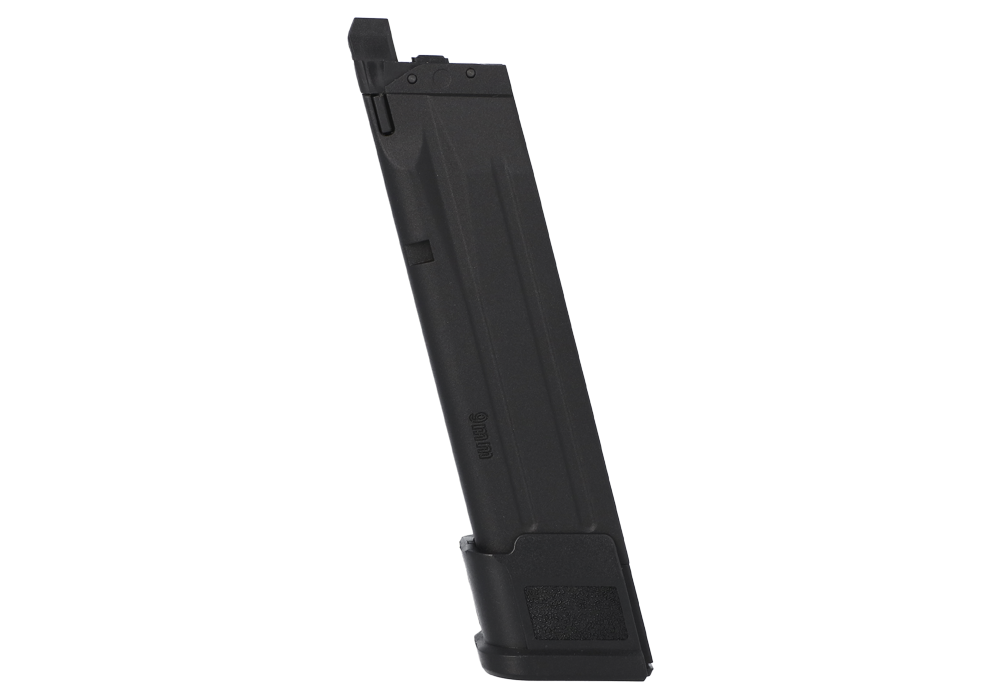
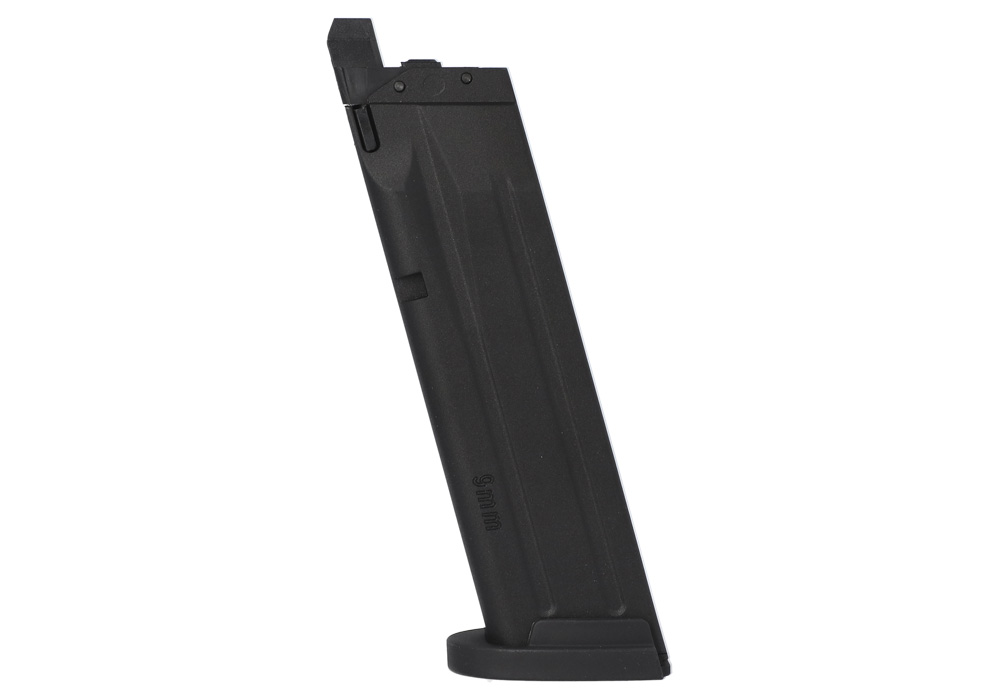
CO2 airgun parts are replacement components used to maintain compatible CO2-powered air pistols and air rifles, including seals, O-rings, valves, magazines, and hardware associated with the gas system. Each component has a distinct role: seals help contain the gas, valves regulate its release during normal operation, and compatible magazines position the specified ammunition for feeding. Some designs hold the CO2 cartridge within the magazine, while others house it separately in the frame or another assembly. That difference matters when identifying a replacement, because components that look similar can have different dimensions, attachment points, or internal arrangements. A reliable match starts with the airgun’s exact model designation, its operating instructions, and any applicable parts diagram or reference number. The ammunition type also matters; a magazine intended for one pellet or BB platform should not be assumed suitable for another, even when the external shape appears nearly identical. CO2-specific components belong within the broader Airgun Replacement Parts category, but a shared power source alone does not establish compatibility. Differences between model generations can be just as important as differences between platforms, particularly around magazine catches, cartridge seating arrangements, and sealing surfaces. Clear model markings and documented specifications are more useful than visual resemblance when comparing replacements. For an owner returning a familiar airgun to regular use, the goal is a component that matches the original design and supports its intended operation—not a part that needs improvised fitting or changes to the pressure system. Small details deserve attention here: the profile of a seal, the position of a fastener, or the shape of a magazine interface can determine whether a replacement fits correctly. Complete assemblies and individual service components also serve different needs, so the scope of the replacement should agree with the manufacturer’s documentation and the condition of the airgun. A replacement should address an identified need rather than become a trial-and-error substitute for professional evaluation.
Material choice is especially important in CO2 airgun parts because rigid housings, flexible seals, threaded hardware, and moving contact surfaces perform different jobs. Depending on the original design, components may use steel, aluminum, engineered polymers, or specialized elastomers. Metal can provide strength and wear resistance at particular contact points, while polymer can offer useful resilience and reduced weight in housings or supporting structures. Neither material is automatically better for every application; the correct specification is the one appropriate to the platform and the component’s function. Seals require particular care because their dimensions, profile, and material compatibility affect how they interact with adjoining surfaces and approved maintenance products. A general-purpose O-ring with a similar diameter is not necessarily an appropriate substitute for a specified airgun seal. Likewise, a lubricant suitable for one mechanism may not be suitable for another. Manufacturer-approved care products and documented maintenance practices help protect surfaces without introducing substances that could affect seals or interfere with operation. Durability also depends on the condition of the surrounding assembly. A fresh seal cannot compensate for damaged threads, a distorted housing, or a worn mating surface, and a replacement magazine may not resolve a separate issue within the airgun. Persistent gas leakage, visible damage, or uncertain mechanical operation calls for evaluation by a qualified service provider rather than repeated attempts with unrelated parts. Routine ownership is less complicated when components remain clean, dry, and protected from grit during storage and transport. A dedicated compartment for a spare magazine or packaged seal helps prevent contact with loose tools, debris, and other objects that could mark a sealing surface. Any inspection or maintenance should follow the manufacturer’s unloading and depressurization directions, with eye protection and safe handling throughout. Pressure-containing assemblies deserve particular respect; replacement parts support proper maintenance, not improvised alterations to the airgun’s operating system. Keeping packaging and part references with unused components also makes later identification more dependable, especially when several similar-looking replacements share the same storage case.
For recreational target shooters and owners who value familiar handling, correctly matched CO2 airgun parts help keep attention on the target session rather than on uncertain equipment. At an appropriate airgun range or another lawful shooting area with a suitable backstop, a compatible magazine can support an orderly practice routine, while service components help address normal maintenance needs over the life of the platform. Some owners enjoy deliberate paper-target practice; others use an airgun to reinforce sight alignment, trigger control, and consistent handling within the limits of its design. Those activities do not make an airgun a substitute for instruction with another firearm platform, and differences in controls, recoil, and operating behavior still matter. Parts selection should reflect what the airgun actually is and how its manufacturer intends it to be used. For someone who keeps more than one model, a clearly labeled storage system can be particularly useful: magazines, seals, and small hardware may look alike on a workbench but belong to entirely different assemblies. Retaining the original packaging and matching each component to its documented application helps prevent that confusion. A compatible replacement can also be a thoughtful, practical gift for an adult enthusiast who already owns the corresponding airgun, provided the exact model and needed component are confirmed beforehand. Guessing from a photograph or a general description is less dependable than using a verified part reference. Over time, the value of a replacement comes from proper fit, dependable function, and care appropriate to its materials—not from appearance alone. Smooth engagement, intact surfaces, and agreement with the original specifications matter more than cosmetic similarity. Whether the need involves a worn seal, a damaged magazine housing, or another documented service requirement, a focused replacement keeps the purpose straightforward: maintaining the airgun in its intended configuration for responsible recreational use. Careful identification, suitable storage, and qualified service when needed help preserve a familiar platform without treating every maintenance concern as a reason to replace the entire airgun.