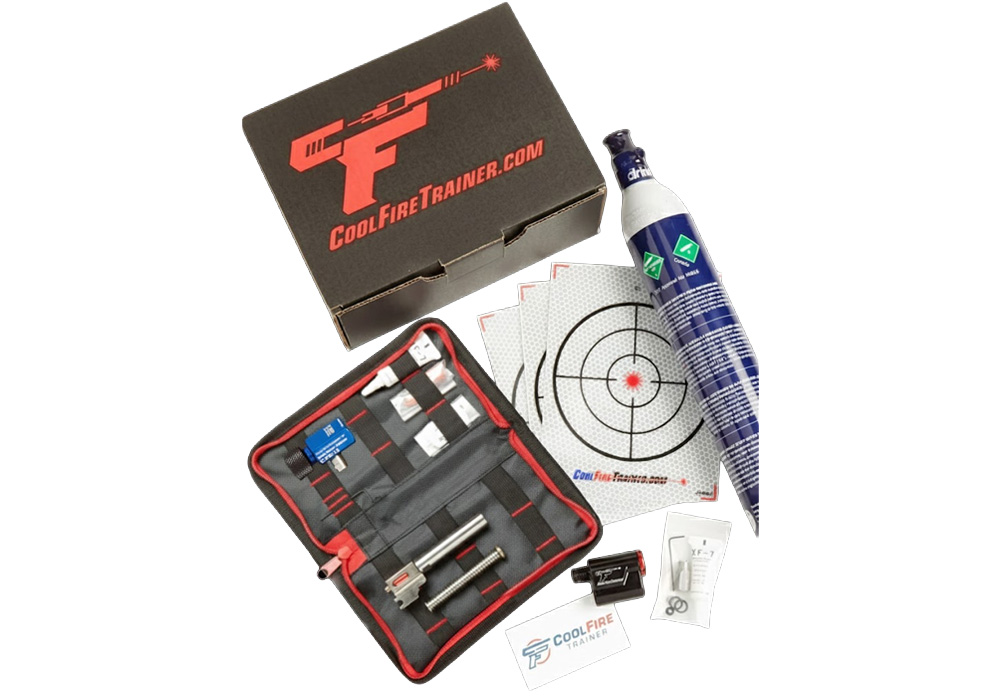
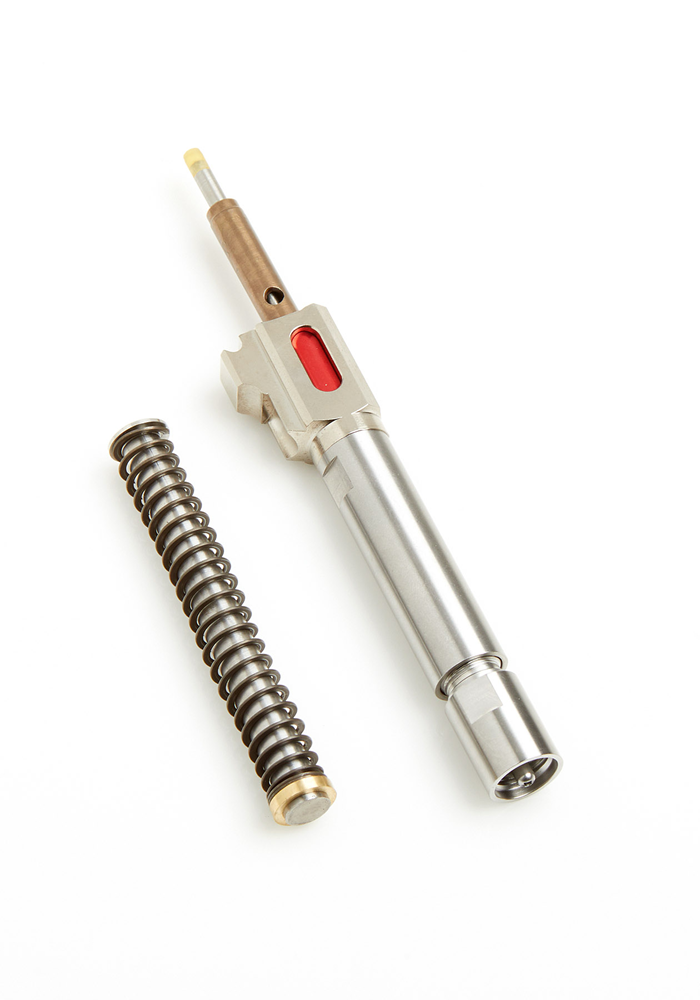
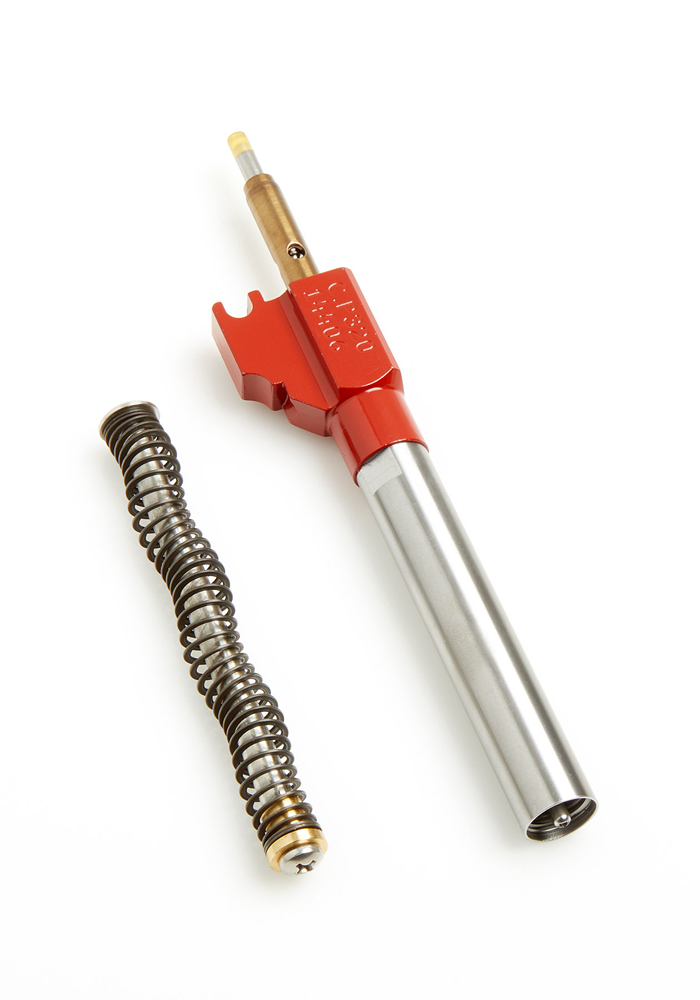
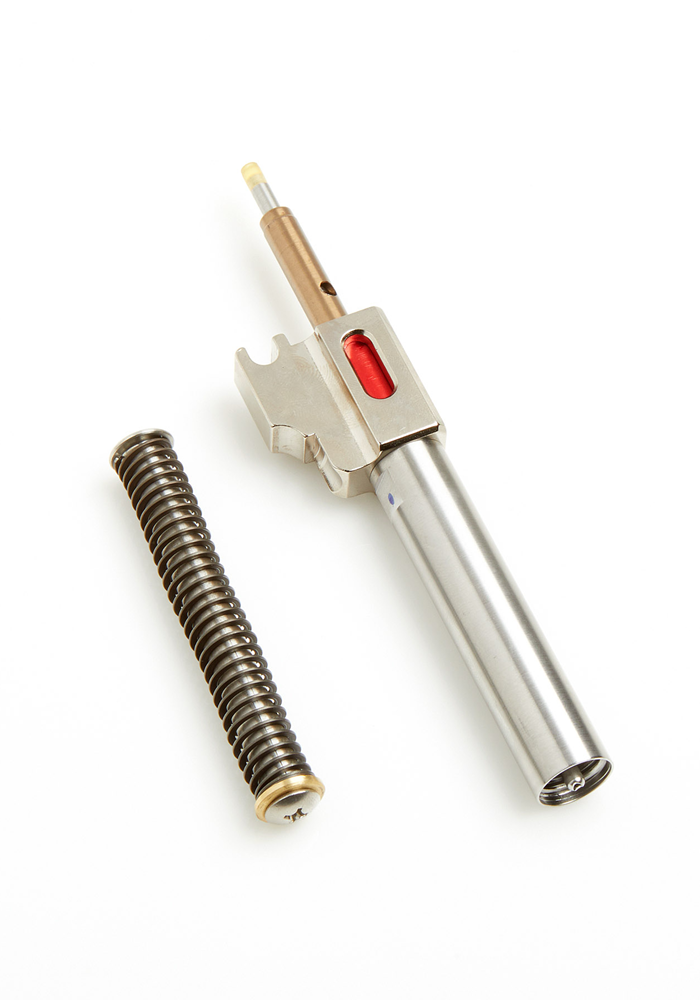
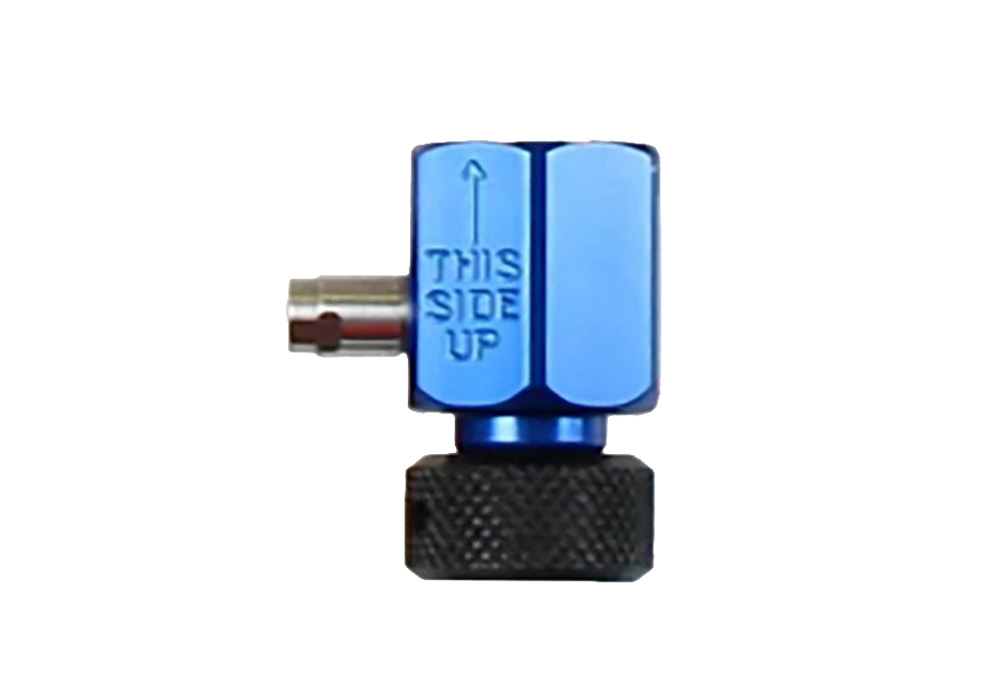
CO2 gun accessories help make an airgun setup more practical, organized, and enjoyable, whether it is used for informal target practice, backyard plinking where permitted, training routines, or recreational shooting at an approved range. The most important consideration is compatibility with the specific CO2 gun. Before selecting replacement parts or supplies, confirm the airgun’s caliber, ammunition type, magazine design, cartridge format, and mounting system. Some models use standard 12-gram CO2 cartridges, while others are designed for extended 88-gram cartridges; these formats are not interchangeable, and the owner’s manual should always be the final reference. Ammunition also needs to match the barrel: steel BBs are intended for smoothbore or BB-specific designs, while .177 or .22 pellets require a pellet-rated barrel and the correct magazine or loading system. Choosing the right fit helps prevent feeding problems, inconsistent performance, and unnecessary wear. Spare magazines or rotary clips are useful for anyone who prefers longer practice sessions with fewer interruptions, especially when shooting from a bench or working through a series of paper targets. A dedicated supply of properly matched BBs or pellets keeps an outing simple, while a protective case makes it easier to carry the airgun, magazines, cartridges, and eye protection together. For shoppers comparing options, the broader selection of Co2 Airgun Parts can provide a convenient starting point for finding compatible components and maintenance supplies. A compact case, extra magazine, or carefully selected ammunition pack can also be a thoughtful gift for a new airgun owner, a recreational target shooter, or someone building a more organized range kit. The best gift choices are based on the recipient’s exact model and caliber rather than appearance alone, since a beautifully made accessory is only useful when it fits securely and functions as intended.
Several accessory categories support different parts of the shooting experience. CO2 cartridges are the essential consumable for many airguns, and keeping a few compatible spares on hand can prevent a planned session from ending early. Cartridges should be stored in a cool, dry place and handled according to the manufacturer’s instructions; they should never be punctured, heated, or left where they may be exposed to damaging temperatures. Seal-maintenance products, particularly non-petroleum silicone chamber oil or purpose-designed seal drops, can help preserve flexible O-rings and reduce the risk of leaks when applied in the recommended amount and location. Petroleum-based lubricants may damage seals, so using the correct maintenance product matters. Cleaning supplies are equally practical. A pull-through cable, soft patches, and airgun-safe cleaning tools can help remove residue and debris without scratching the bore, while a soft cloth is useful for wiping down exterior surfaces after handling. The cleaning method should follow the airgun’s instructions, and CO2 should be removed before maintenance begins. For sighting and aiming, compatible red dot sights, scopes, or other optics can make target acquisition easier, particularly in changing outdoor light, but shoppers should verify rail dimensions, mounting hardware, eye relief, and the intended use of the airgun before purchasing. Some shooters prefer a simple open sight setup for close paper targets, while others appreciate an optic for more deliberate practice at longer distances. Storage and carry accessories also deserve attention. A soft sleeve may be convenient for short trips, whereas a structured or hard-sided case offers more protection for transport and helps keep dust away from the action. A holster should be selected only when it is made for the exact airgun profile and provides secure retention without obstructing the trigger or controls. Even when a CO2 gun is used casually, it should be treated as a serious projectile device: keep the muzzle pointed in a safe direction, keep the airgun unloaded until ready to use, use appropriate eye protection, and make sure the target and backstop are suitable for the ammunition being fired.
The right accessory combination often reflects where and how the airgun will be used. A new owner practicing indoors, where permitted and with an appropriate backstop, may value paper targets, a reliable target trap, safety glasses, spare magazines, and a small cleaning kit. Someone shooting in a garage or outdoor range may prefer a sturdier case, additional CO2 cartridges, a compact bench setup, and a sighting accessory matched to the mounting rail. Resetting metal targets can add convenience during informal practice, while paper targets make it easier to observe grouping and track progress over time; either should be placed against a backstop capable of safely stopping the projectile. During the warmer part of the year, a portable case and organized cartridge pouch can make a trip to an approved shooting area easier, while cooler months are a good reminder to inspect seals, wipe down metal surfaces, and keep ammunition and CO2 supplies protected from moisture. Temperature can affect CO2 pressure and consistency, so allowing the airgun and cartridges to reach the conditions recommended by the manufacturer before use may support more predictable operation. Accessories are also useful for building a thoughtful gift set: protective eyewear, a case, compatible ammunition, and maintenance supplies are practical additions that do not require guessing at personal preferences, provided caliber and model details are confirmed first. Whether the goal is occasional plinking, structured target practice, or keeping an airgun ready for the next safe outing, a well-matched accessory setup reduces interruptions and supports responsible ownership. Check fit, caliber, cartridge size, materials, and care instructions before adding anything to the kit, and keep all equipment secured away from children and unauthorized users when it is not in use.