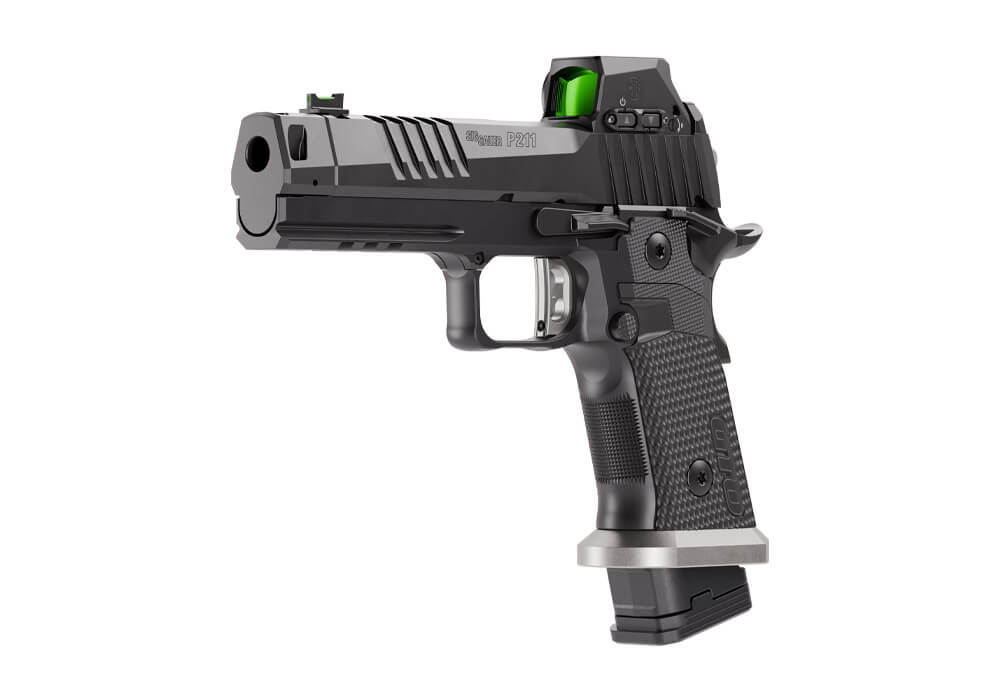
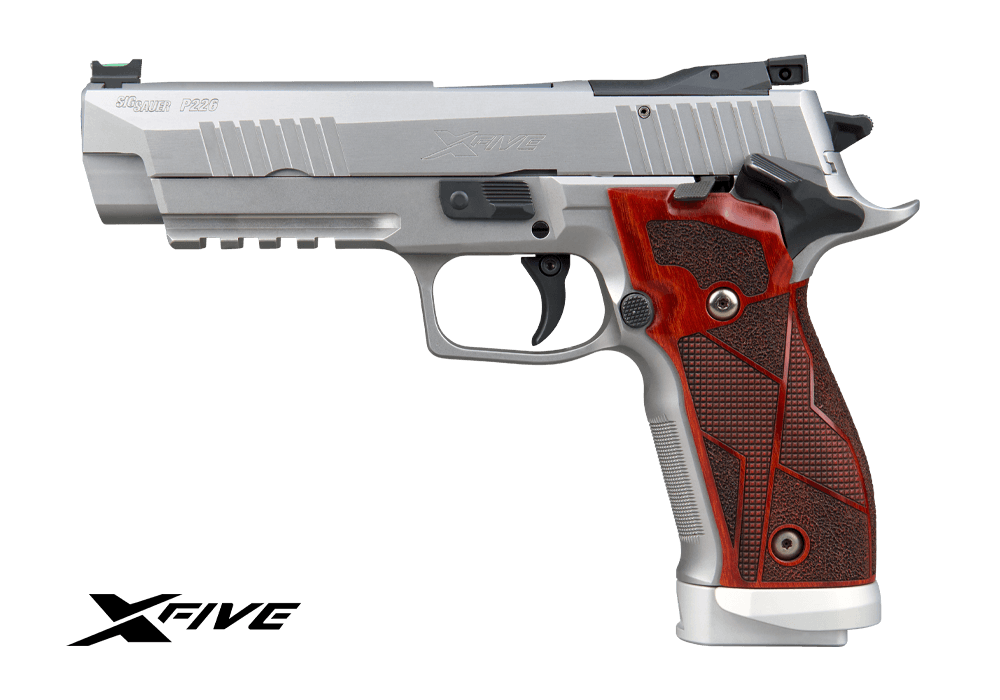
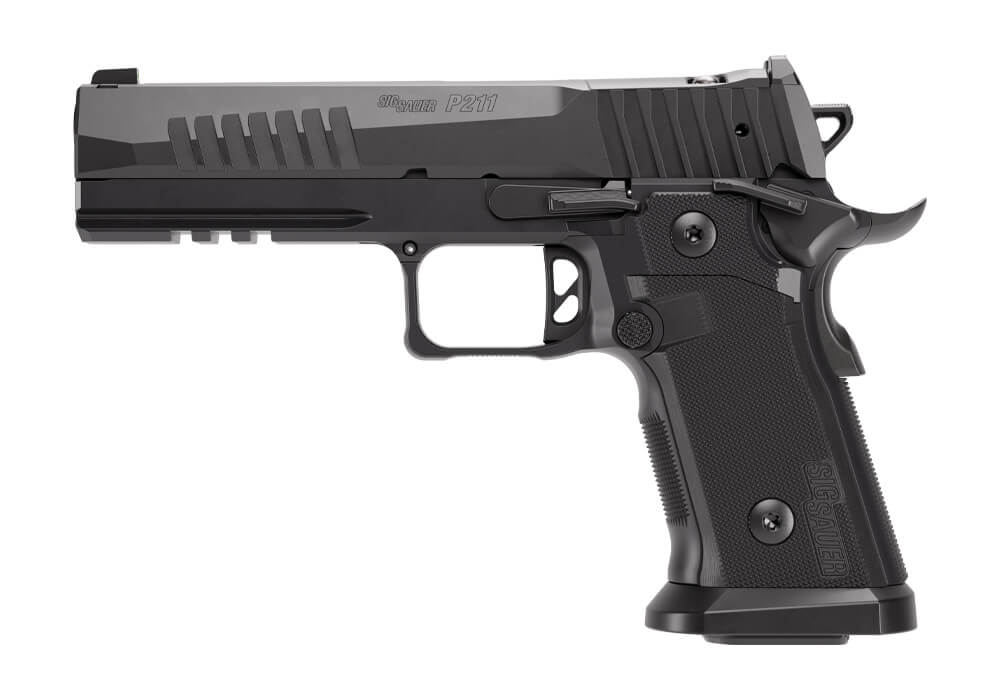
Collectible 9mm firearms bring together history, engineering, craftsmanship, and personal connection in a format that remains approachable to both experienced collectors and thoughtful newcomers. Some examples are valued for their place in military or law-enforcement history, while others stand out because of a limited production run, unusual operating system, refined finish, or exceptional attention to detail. A historic service pistol can preserve the character of a particular era through its markings, proof stamps, controls, and original configuration. A contemporary collector piece may appeal through its innovative slide design, precision-machined components, distinctive grip profile, or carefully fitted trigger. Together, these firearms offer more than a way to visit the range; they provide a tangible link to the designers, armorers, service members, competitors, and enthusiasts who shaped the evolution of the 9mm platform. Many collectors begin with a single firearm tied to a personal interest—a period of history, a mechanical concept, or an admired style—and gradually build a collection around that theme. Others look for a refined range companion that can also serve as a centerpiece in a display. For a broader look at historically significant and highly sought-after firearms, explore Best Firearms for Collectors.
When evaluating a collectible 9mm firearm, start with provenance and condition. Original documentation, factory records, matching serial numbers, period-correct components, and a clear ownership history can add meaningful context and help establish long-term value. Condition deserves close attention, but originality is often just as important as surface appearance. Signs of careful storage, honest finish wear, or professional restoration should be distinguished from corrosion, pitting, altered markings, replacement parts, or modifications that change the firearm’s historical character. Collectors should also consider the operating system and what it reveals about the design. Toggle-lock actions, gas-delayed systems, short-recoil mechanisms, fixed-barrel layouts, and other engineering approaches each tell a different story about the priorities of their era. A precision-oriented pistol may be selected for its crisp trigger and consistent accuracy, while a military-pattern example may be prized for its field history and recognizable handling qualities. Limited-run firearms, presentation-grade pieces, and custom configurations can attract attention as display items or heirlooms, but rarity alone does not guarantee lasting desirability. Researching production numbers, official specifications, known variations, service history, and reputable auction records can help shoppers set realistic expectations. It is also wise to factor in the cost of secure storage, insurance, professional inspection, replacement magazines, suitable 9mm ammunition, and periodic maintenance. A trusted gunsmith can assess mechanical condition before a purchase, especially when considering older firearms or examples with significant restoration work. For buyers who plan to use a collectible at the range, selecting an example with readily available service parts and a documented maintenance history may provide a more practical ownership experience than choosing solely on appearance.
These firearms can suit several kinds of owners, provided every purchase, transfer, and use follows applicable federal, state, and local law. A seasoned collector may appreciate a rare historical example as the foundation of a focused collection, while a newer enthusiast may prefer a modern piece that offers a clear introduction to collectible design without requiring extensive restoration knowledge. A 9mm firearm can also be a meaningful gift for a qualified adult collector, provided the recipient’s eligibility is confirmed and the transfer is completed through the appropriate legal process. Gift-givers should avoid treating the purchase as a surprise when the recipient’s preferences, licensing requirements, storage arrangements, or local regulations are unknown. Before bringing any firearm home, plan for a locked container, controlled access, and storage separate from ammunition when appropriate. Keep a written record of serial numbers, receipts, appraisals, photographs, and service work; these details can simplify insurance claims and help preserve the collection’s history for the next owner. During the cooler months, a careful inspection for moisture and condensation is especially worthwhile when firearms move between a warm vehicle, an indoor safe, and an outdoor range. A light protective treatment suited to the finish, a dry storage environment, and routine checks can help preserve metal, wood, polymer, and markings alike. Owners who take a collectible to the range should follow the manufacturer’s instructions, verify the firearm’s condition, use eye and ear protection, maintain a safe direction, and keep the trigger untouched until ready to fire at a clearly identified target. Whether displayed behind glass, documented as part of a family collection, or enjoyed during occasional range sessions, a collectible 9mm firearm rewards patience, responsible care, and a genuine appreciation for the details that give each example its character.