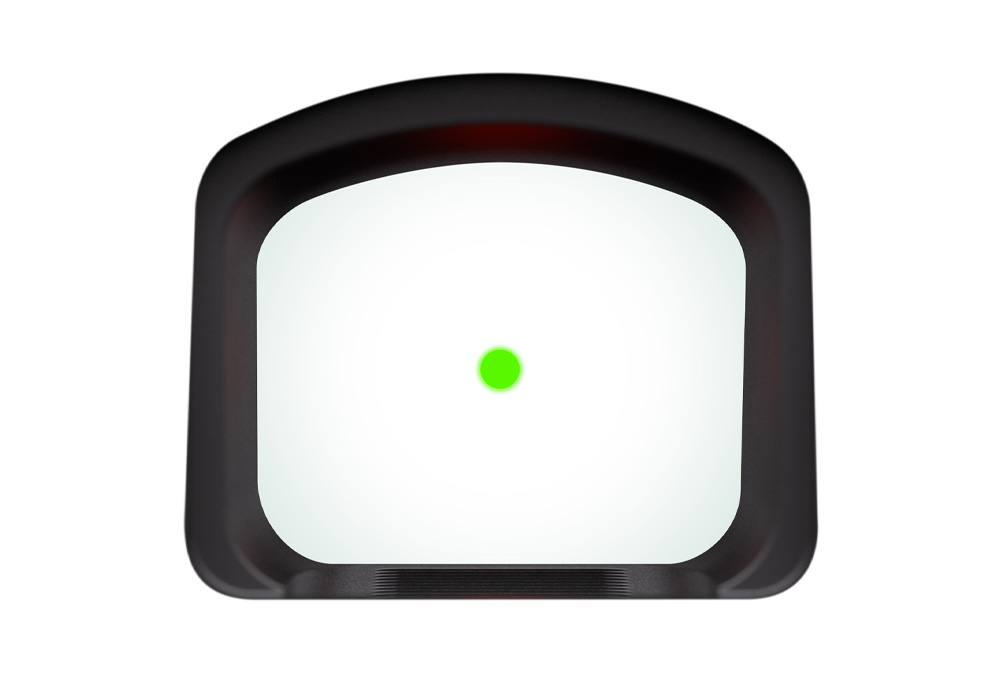
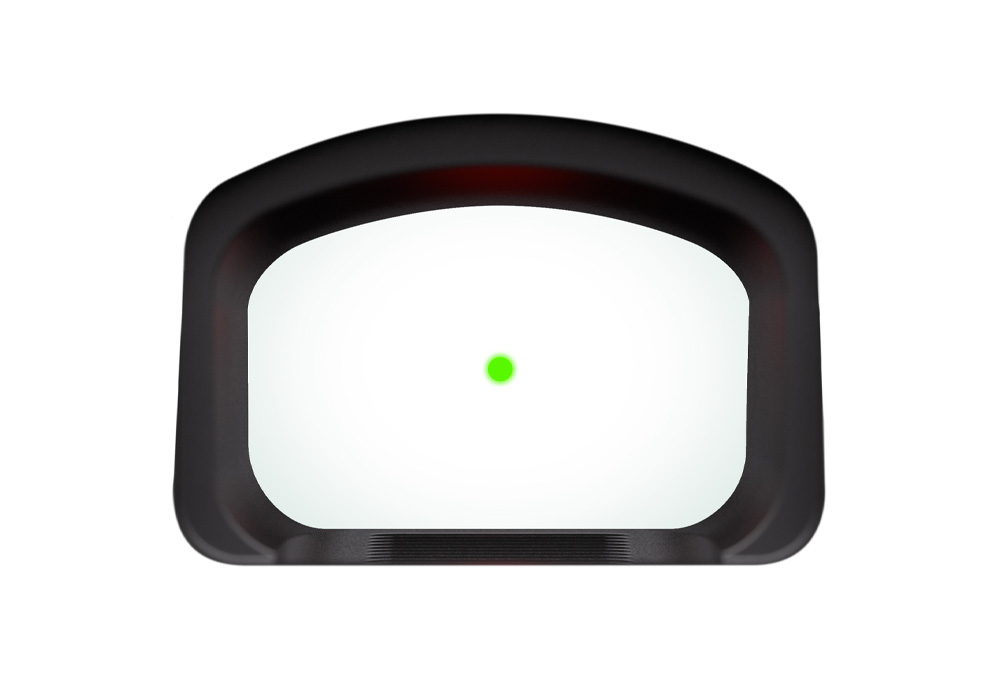
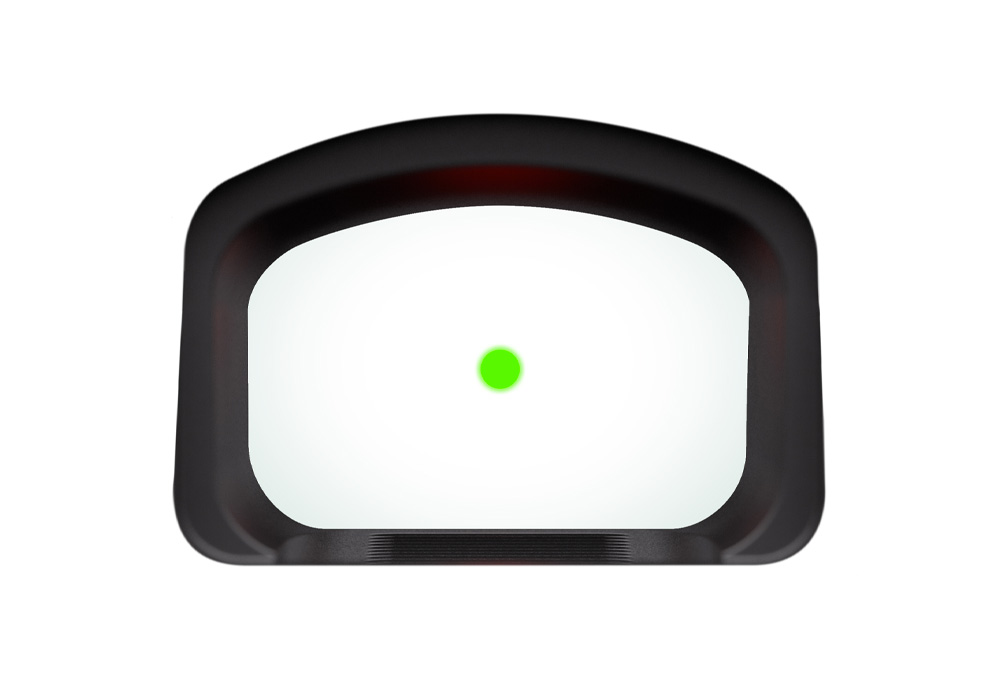
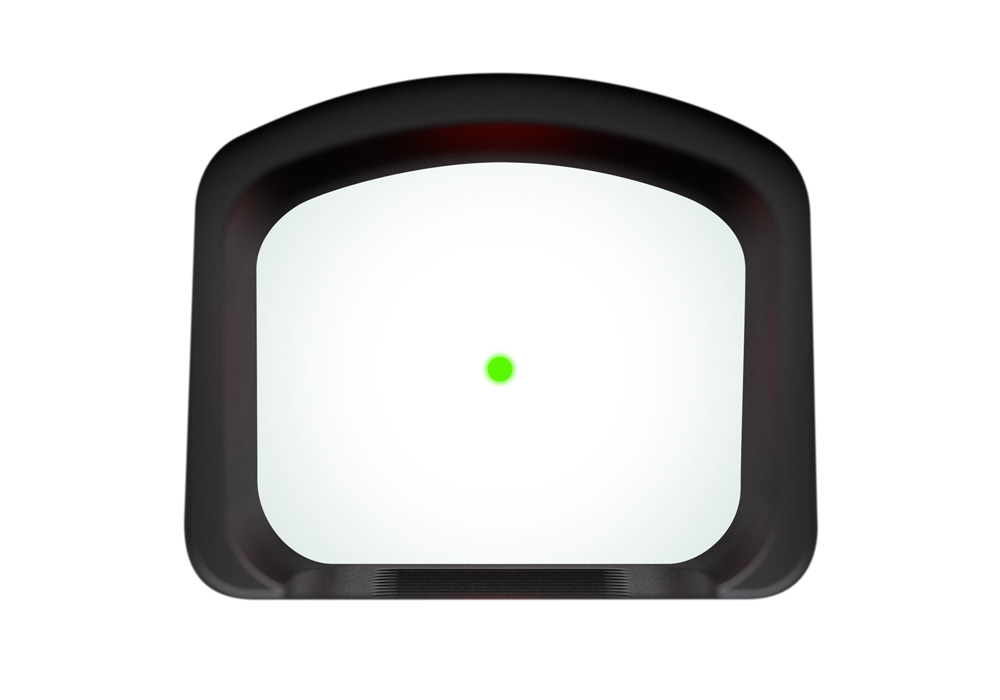
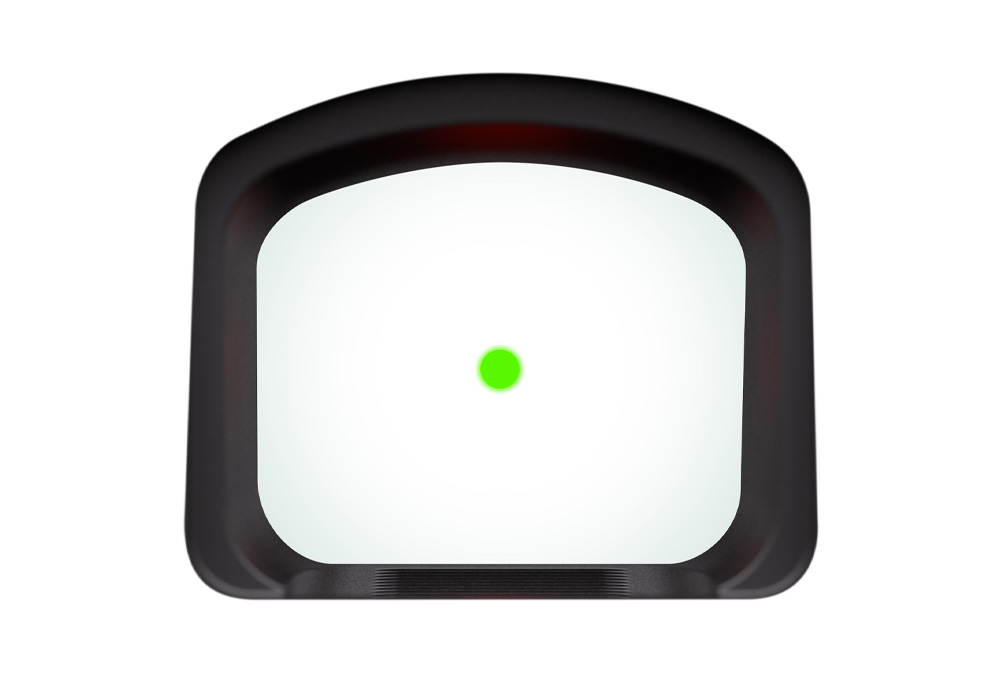
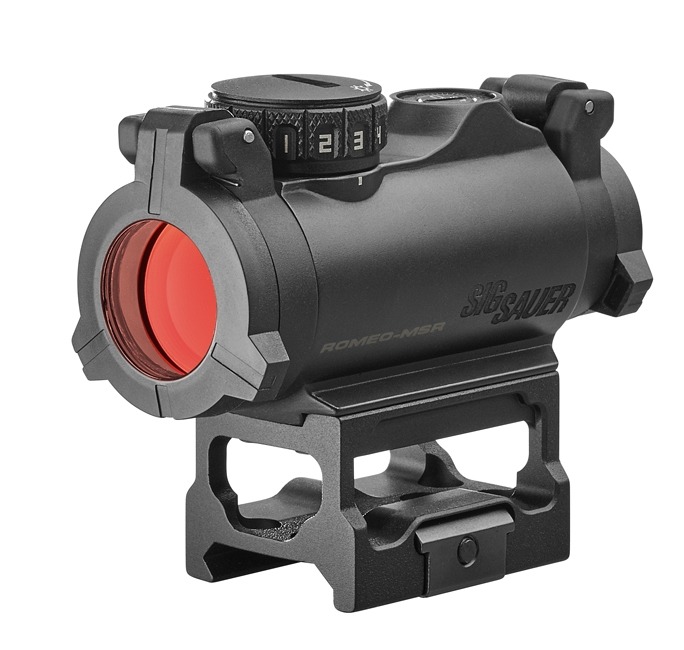
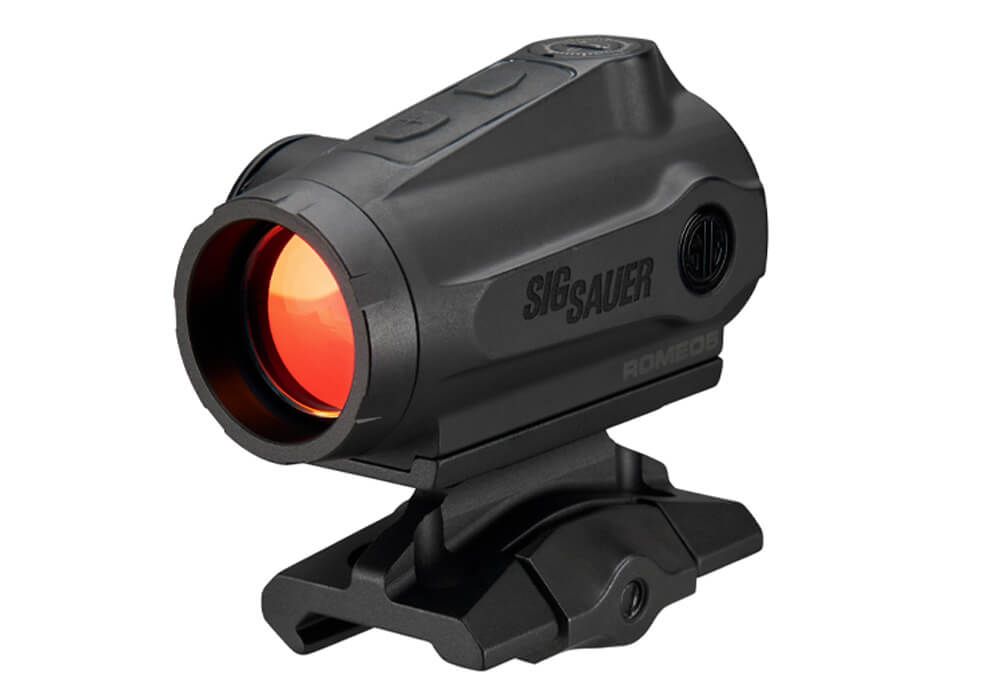
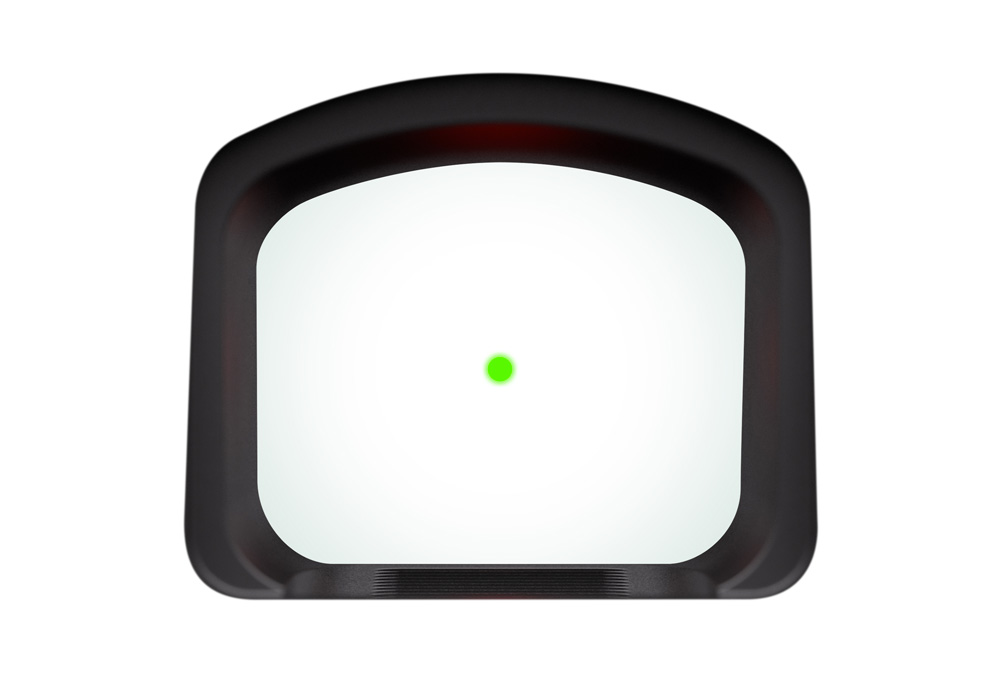
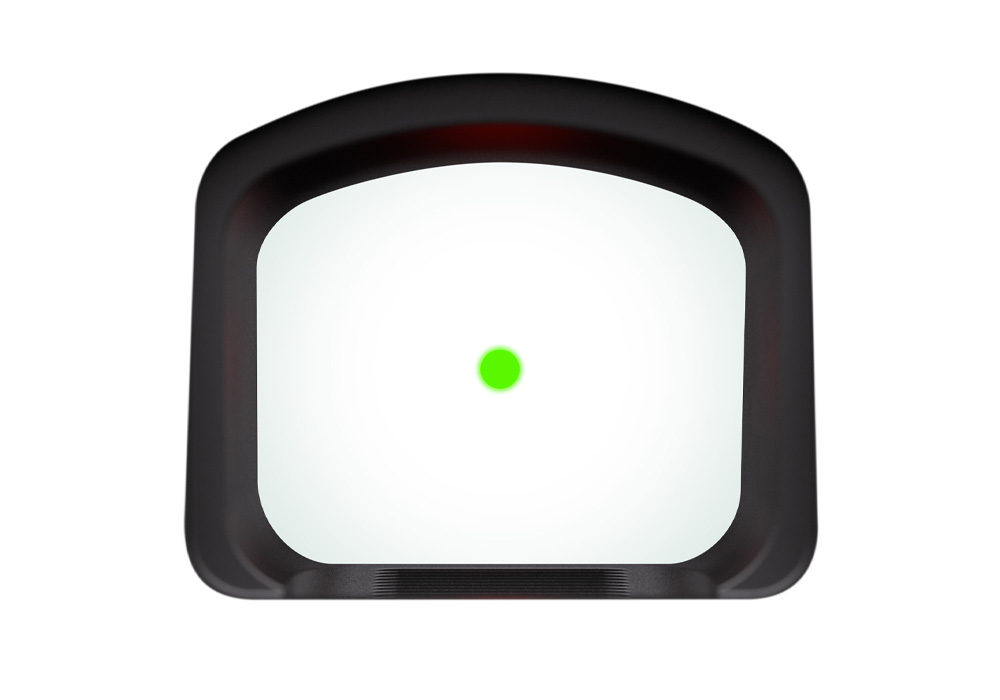
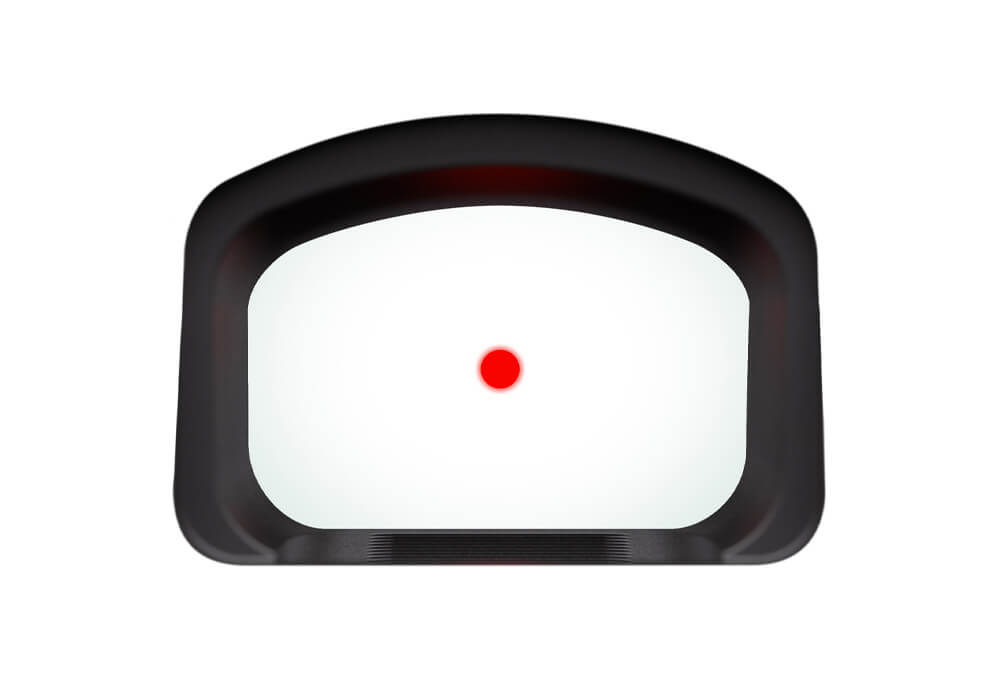
Compact green dot sights for pistols are designed to provide a bright, easy-to-see aiming point without adding the bulk associated with larger optic systems. Their compact dimensions make them a natural match for slim concealed-carry pistols, subcompact handguns, and other platforms with limited slide space. Compared with traditional iron sights, a pistol optic can make it easier to focus on the target while keeping the illuminated dot in view, supporting faster target acquisition during practice, competition, personal protection, or general range use. Green illumination is often especially noticeable in bright daylight, although the best color remains a matter of individual vision, lighting conditions, and personal preference. A shooter who finds a red dot difficult to distinguish against a sunlit berm or a pale target background may appreciate the contrast of a green dot, while another may prefer the familiar appearance of red illumination. The compact format also suits everyday carry because a low-profile optic is less likely to interfere with a holster, clothing, or the clean lines of a small pistol. As with any firearm accessory, the sight should be used only on a compatible, properly maintained firearm by someone who understands safe handling, local regulations, and the fundamentals of marksmanship. Many shooters choose a compact green dot as an upgrade for a pistol they already know well, while others select one when assembling a new carry setup or outfitting a range handgun. It can also be a thoughtful gift for a knowledgeable firearm owner, provided the recipient’s pistol model, slide configuration, and mounting requirements are confirmed before purchase.
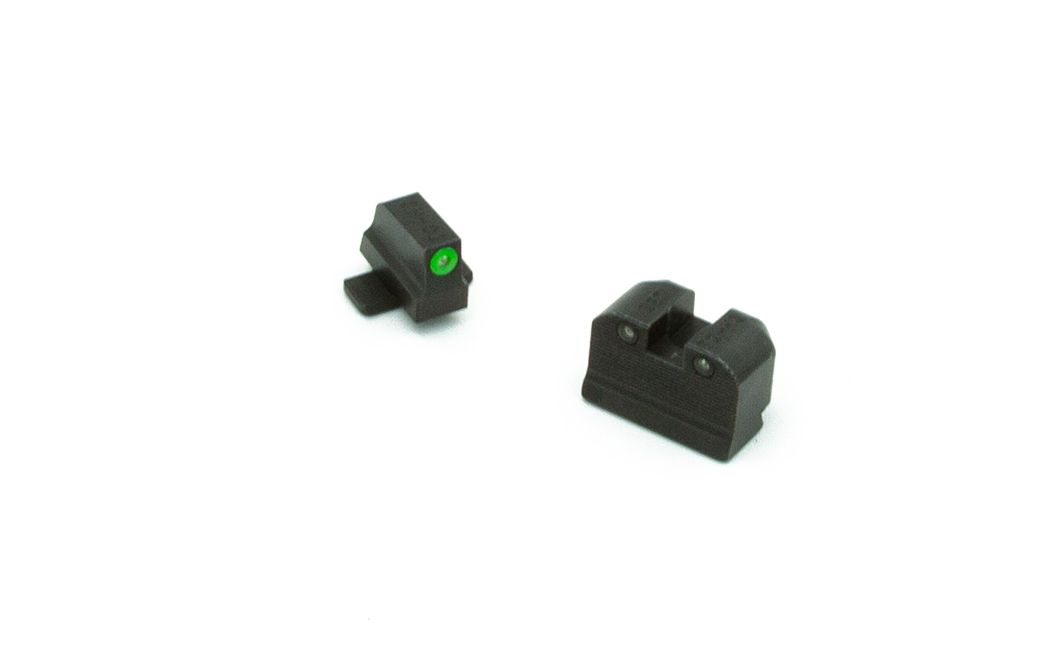
Fitment is one of the most important considerations when comparing compact green dot sights for pistols. A sight must match the optic cut or mounting footprint on the slide, and micro-compact handguns commonly use small footprints such as RMSc-pattern or K-series configurations. Footprint names can look similar while differing in screw spacing, recoil-lug dimensions, or mounting depth, so shoppers should verify the exact slide cut, the manufacturer’s mounting specifications, and whether a plate or additional hardware is required. The sight should also leave enough clearance for the pistol’s existing iron sights, especially if co-witnessing is a priority. A low-deck design may allow standard-height or suppressor-height sights to remain visible through the optic window, giving the shooter a familiar reference if the dot is not immediately available. Open-emitter sights are typically lighter and slimmer, with an exposed emitter that helps preserve a minimal profile. Enclosed-emitter sights place the emitter between protective lenses, helping shield it from lint, dust, rain, and other debris that can collect on a carry pistol. That distinction matters for a handgun that rides close to the body during daily use, while an open design may appeal to someone who values the smallest possible package and a broad viewing window. Window shape, lens clarity, housing construction, controls, battery access, and resistance to impact or moisture are also worth reviewing. An optic that fits the slide but sits too high, requires an awkward adapter, or prevents a preferred holster from seating properly may not be the right choice for the complete setup. Checking the optic cut, holster compatibility, sight height, and included mounting hardware before ordering can help avoid preventable installation issues.
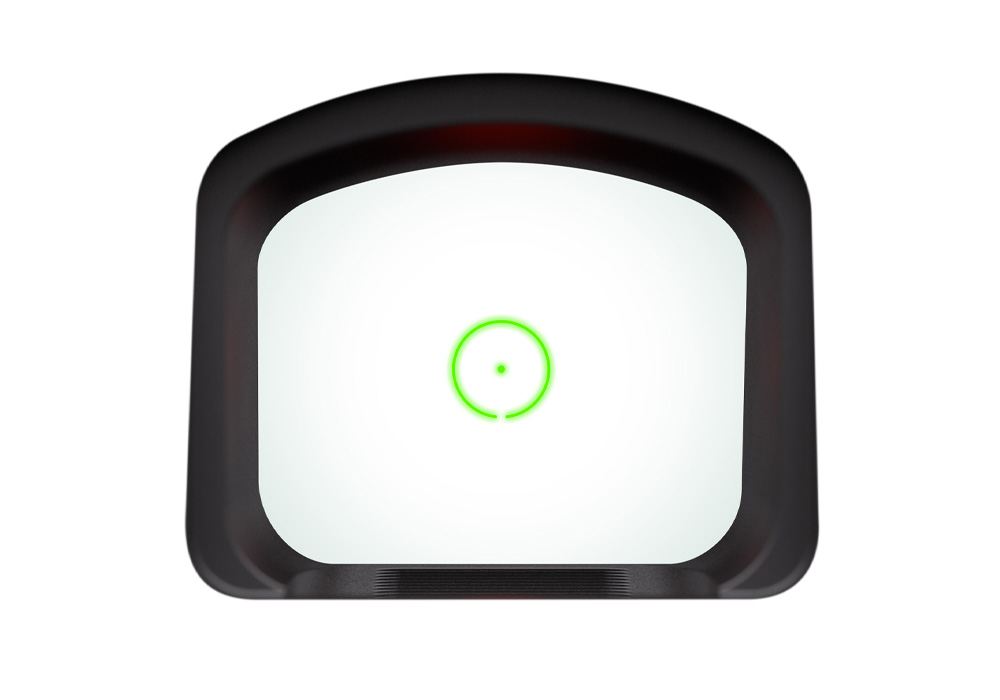
Dot size and brightness controls influence how a compact green dot performs in real surroundings. Smaller dots, often in the 2 MOA to 3 MOA range, can offer a more precise aiming reference at distance while remaining quick to pick up once the shooter is accustomed to the presentation. A larger dot, such as a 6 MOA option, may appear more immediately visible at close range and can be appealing for defensive practice, rapid target transitions, or anyone who prefers a bold aiming point. Some sights combine a central dot with a surrounding circle, allowing the user to select a fine reference or a more prominent reticle depending on the task. Individual eyesight plays a role as well. Shooters with astigmatism may see an illuminated dot as a starburst, comma, or irregular shape, and green illumination is not automatically clearer for every person. Trying different brightness settings and viewing the optic in the lighting where it will be used can provide a more realistic impression than examining it indoors at maximum intensity. Automatic brightness adjustment can be convenient as conditions shift from a shaded holster or indoor space to a bright outdoor range, while manual controls give the shooter direct input. Battery life, motion activation, solar-assist features, battery access, and the ability to maintain a usable dot after extended storage are practical details for a carry pistol. Before relying on any optic, mount it according to the manufacturer’s instructions, confirm the fasteners are properly secured, establish a reliable zero, and spend time practicing the draw and presentation until the dot appears naturally. Shooters comparing illuminated pistol optics may also wish to review Compact Red Dot Optics for Concealed Carry when evaluating color preferences, footprint options, and the right balance of size, visibility, and everyday practicality.