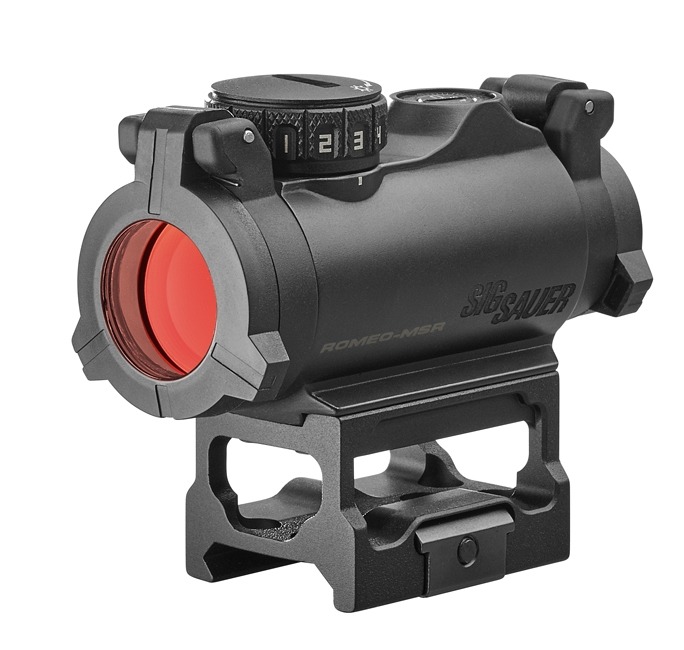
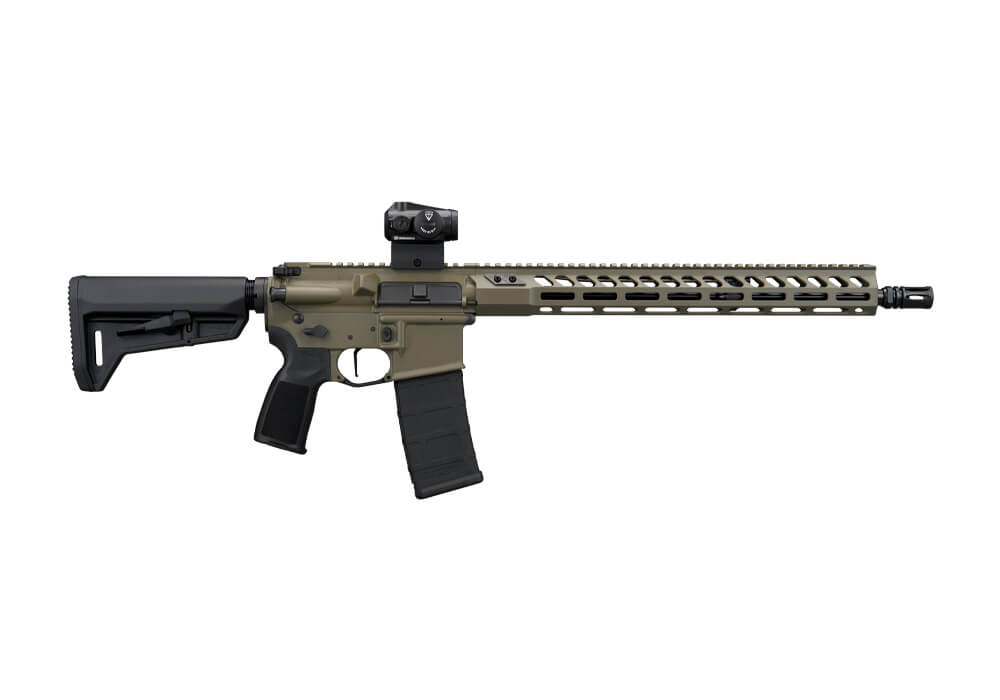
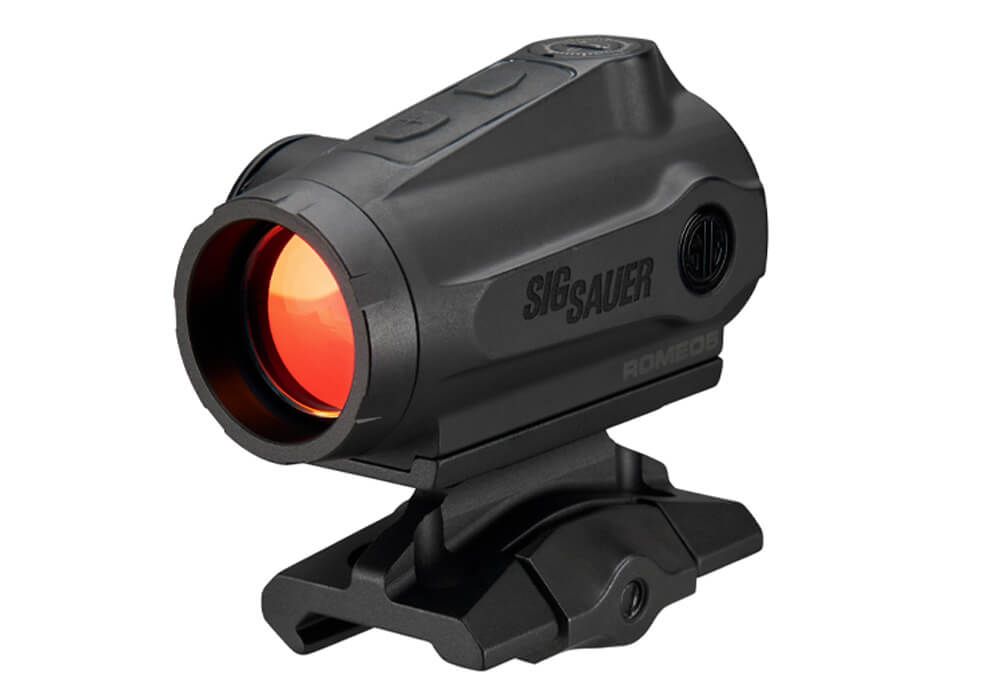
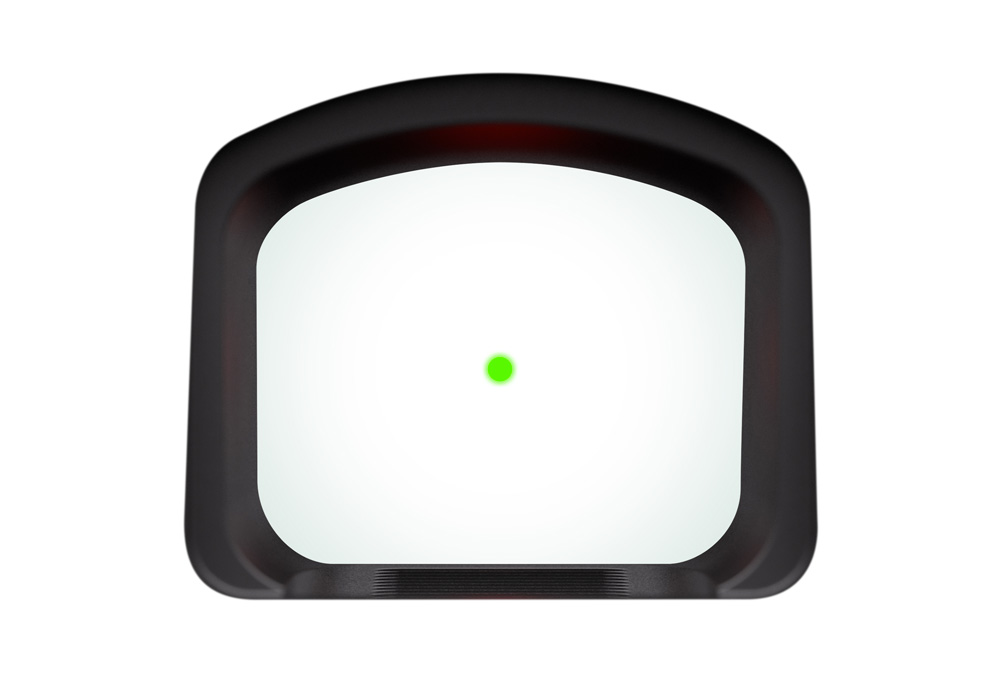
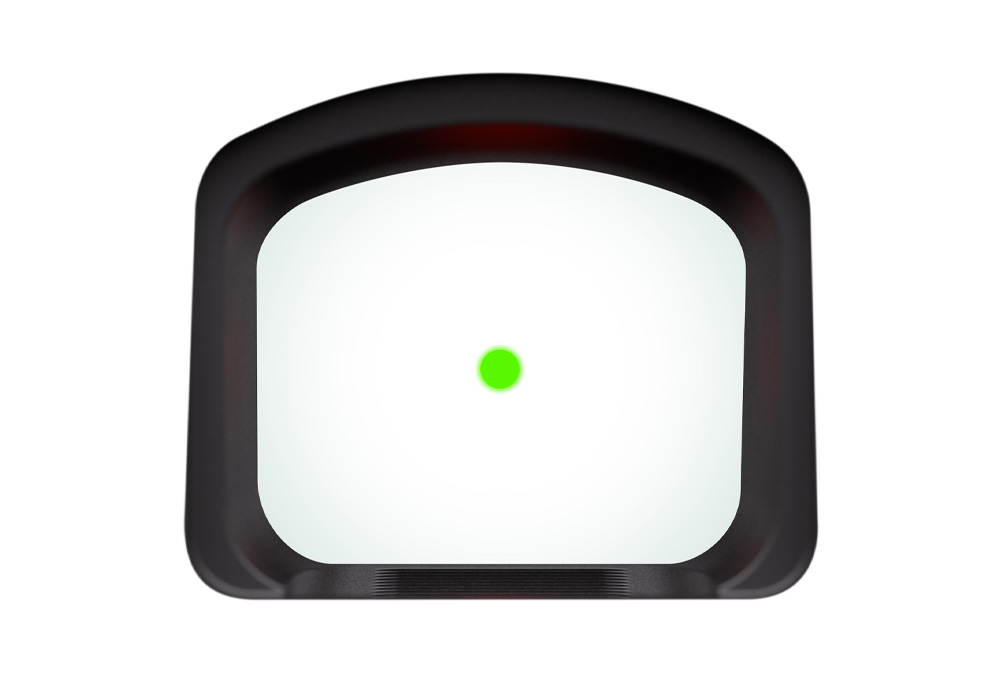
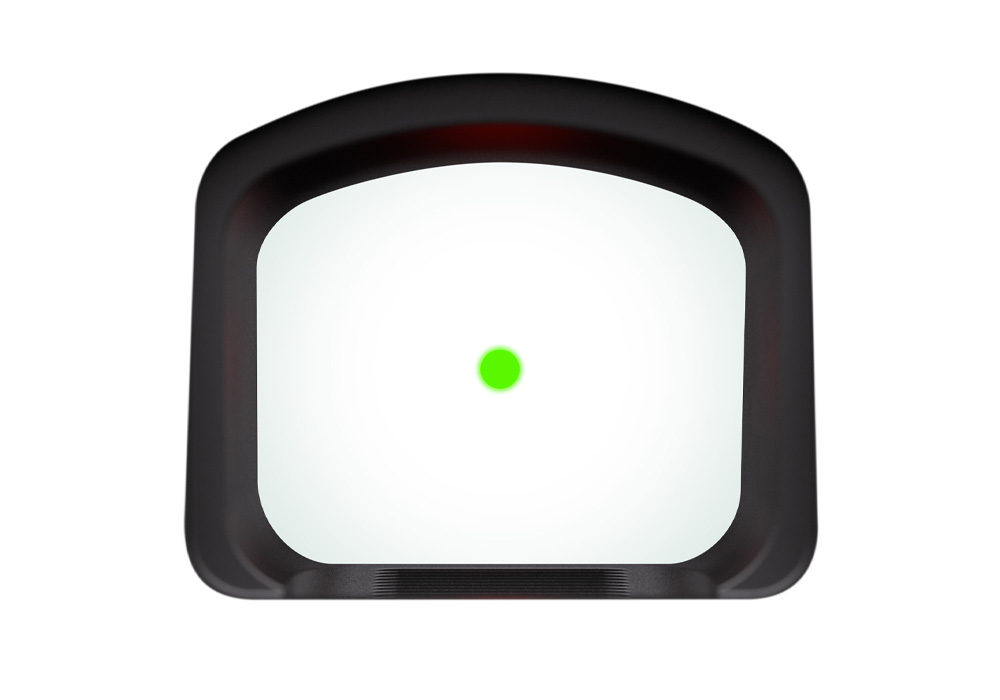
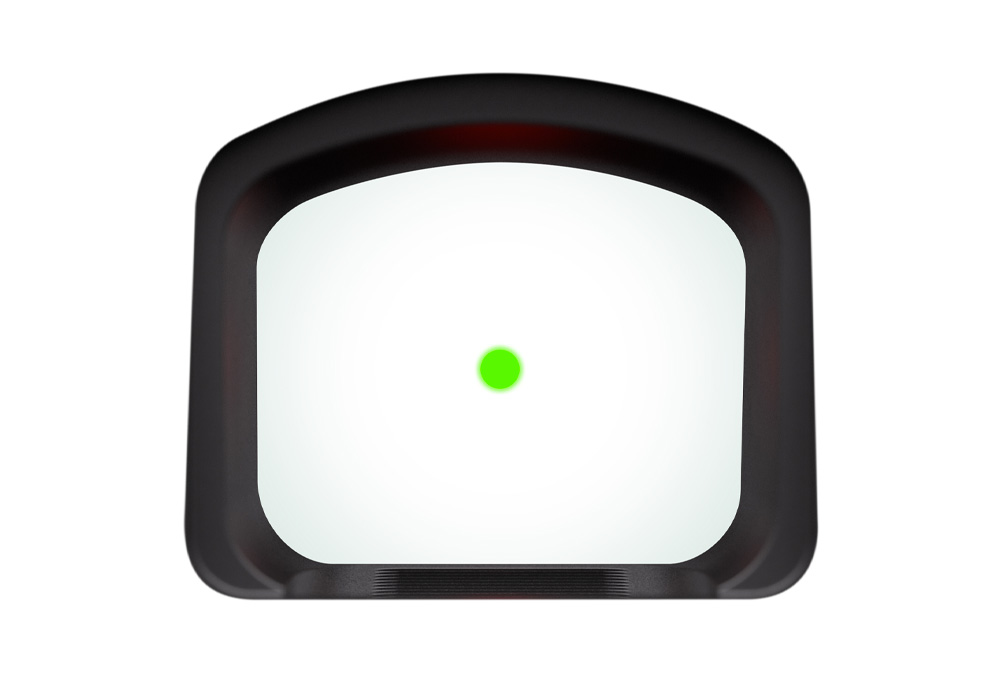
Compact green dot sights for rifles are designed to provide a clear, fast aiming reference without the bulk of a traditional magnified optic. A green aiming point can appear especially distinct against bright outdoor backgrounds because the human eye is generally more sensitive to green wavelengths, although individual vision, lighting conditions, and personal preference still play an important role. For many shooters, that added contrast makes it easier to pick up the reticle as a rifle comes to the shoulder, particularly when shooting with both eyes open. A compact 1x sight also offers generous eye relief, allowing the shooter to maintain a full field of view while moving between targets or observing the surrounding area. This makes these optics useful on modern sporting rifles, pistol-caliber carbines, rimfire rifles, and other platforms equipped with a compatible rail. They may suit recreational range use, training, property protection where lawful, and practical shooting activities in which speed and situational awareness matter more than magnification. A green dot sight can also be a thoughtful gift for a rifle owner who is ready to move beyond iron sights or who wants a lightweight optic for a second rifle. Before choosing one, consider the rifle’s intended role, the type of rail it uses, the desired mounting height, and the sight’s overall footprint. Some compact sights are intended to sit close to the rail, while others are supplied with a riser or mount that positions the optic for a more natural cheek weld or a lower-third co-witness with backup sights. Compatibility is essential: verify the rail standard, mounting hardware, screw length, and clearance around the charging handle or other controls before installation. For a broader selection of compatible configurations, explore Green Dot Reflex Sights for Rifles.
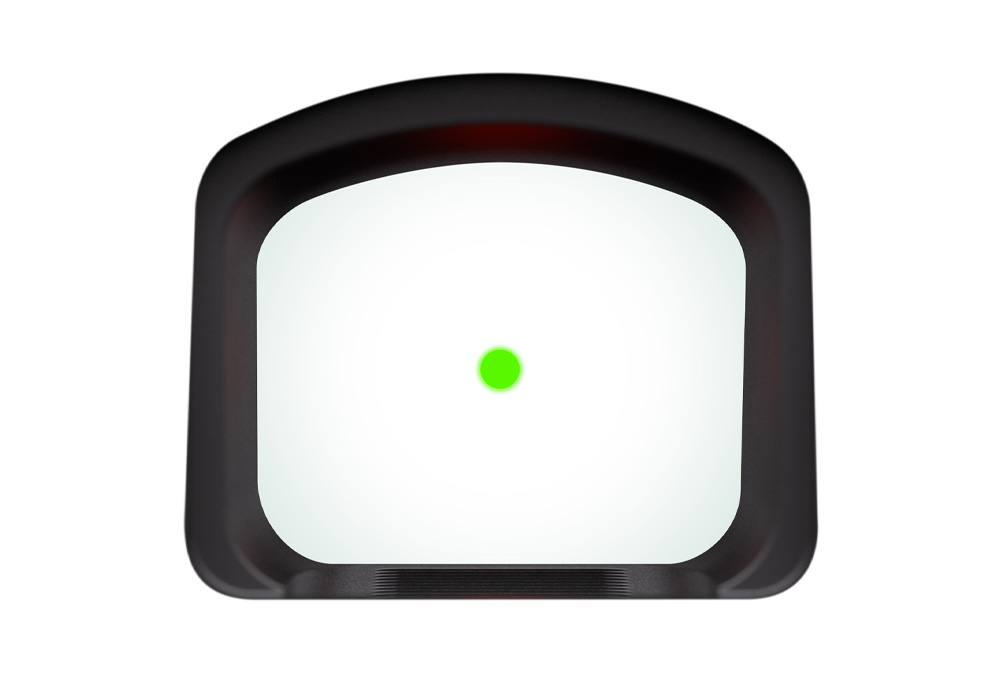
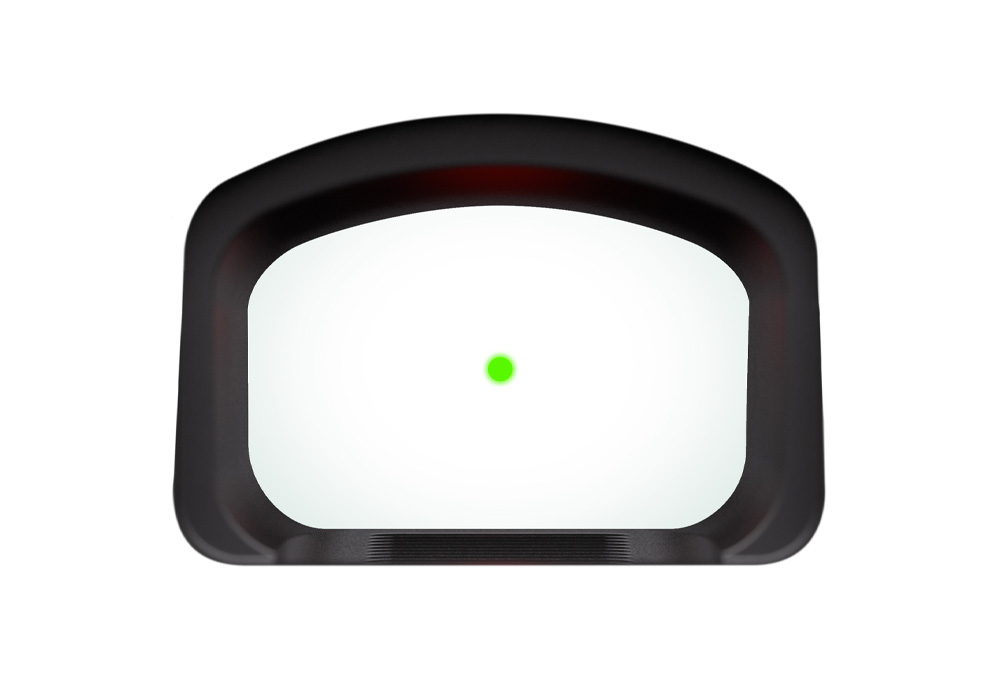
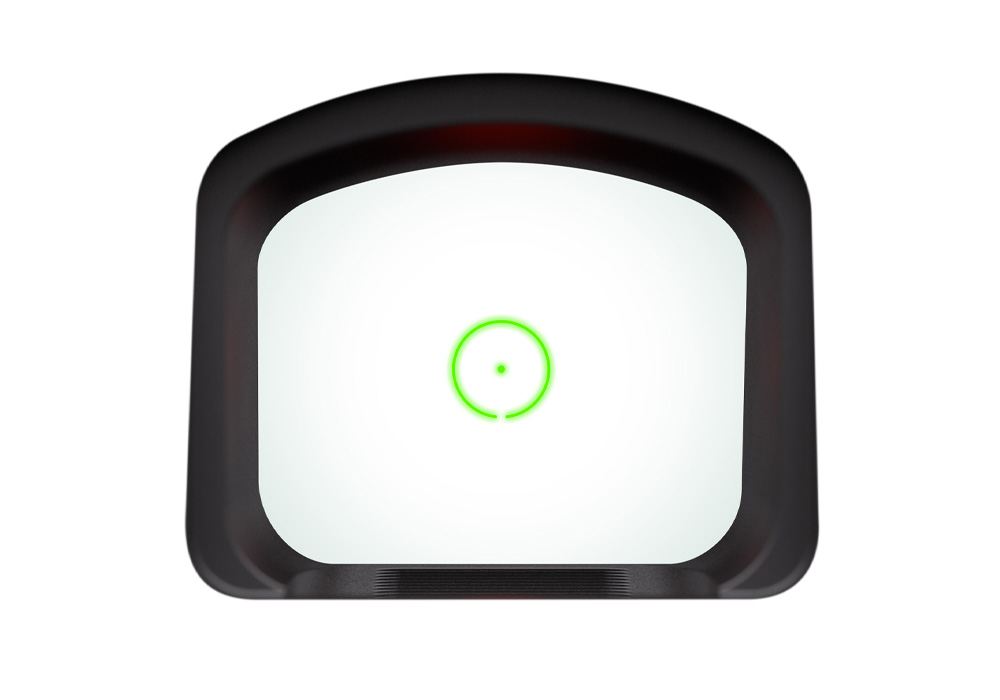
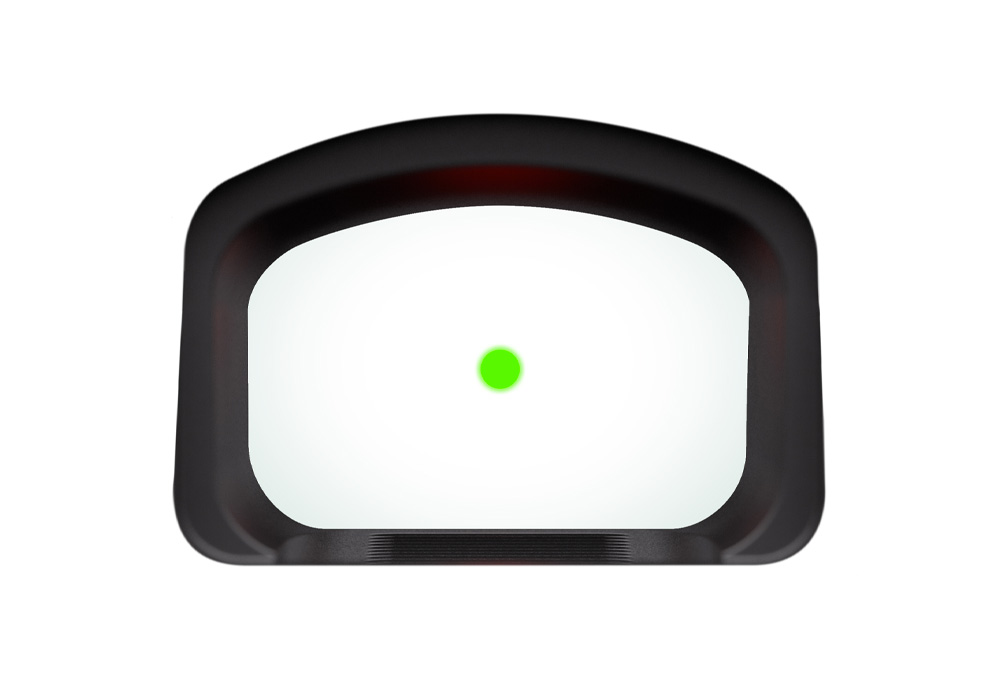
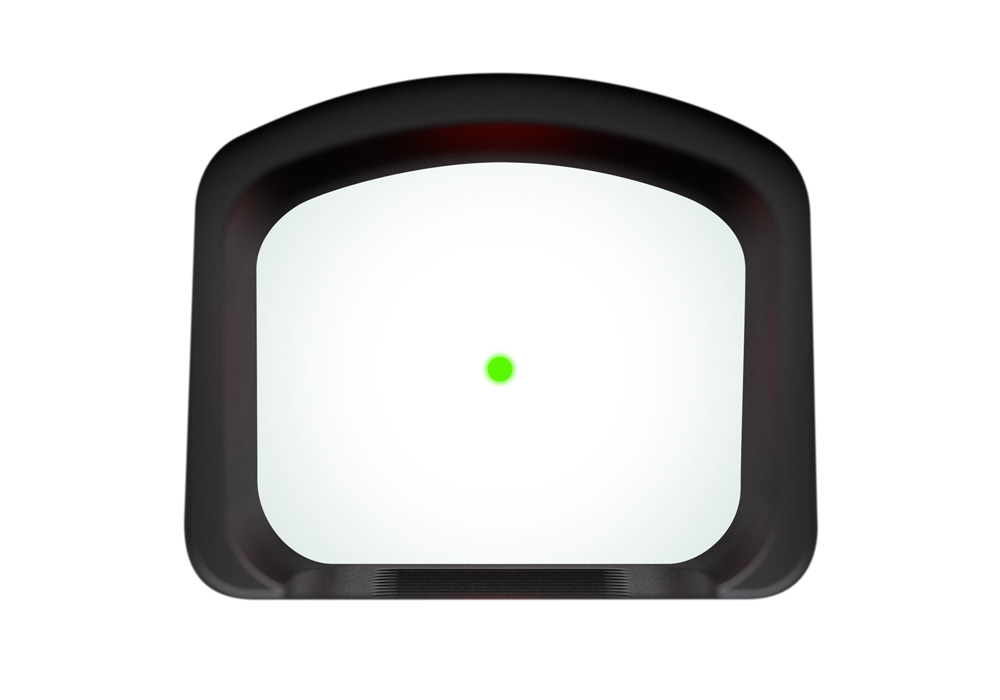
Reticle design is another important consideration when comparing compact green dot sights. A small dot can support precise aiming at known distances and help keep the sight picture uncluttered, while a larger dot or a circle-and-dot reticle may be faster to locate during close-range drills. Some shooters prefer a simple dot because it remains visually clean, while others appreciate a surrounding circle that draws the eye toward the center. Dot size is commonly measured in minutes of angle, or MOA; a smaller number generally covers less of the target at distance, while a larger reticle may be easier to see quickly. Brightness controls should provide enough adjustment for shaded woods, indoor ranges, overcast conditions, and strong sunlight. Automatic brightness adjustment can be convenient, but manual controls are valuable when a consistent reticle intensity is preferred. Shooters who experience starbursting, flaring, or other distortion with illuminated aiming points may find that a green reticle appears more comfortable, though an optic cannot correct an underlying vision issue and results vary from person to person. Open-emitter reflex sights are often exceptionally compact and light, making them attractive when low weight and a minimal profile are priorities. Enclosed-emitter designs place the emitter inside a protected housing, which can help shield the aiming system from dust, moisture, snow, and debris during hard use or changing weather. The choice depends on the rifle, storage conditions, and the level of environmental protection desired. Other useful features include unlimited eye relief, night-vision-compatible brightness settings for appropriate equipment and lawful applications, removable or quick-release mounts, and adjustment controls that are easy to access without disturbing the zero. During the cooler months, a durable optic with reliable controls and a clearly visible reticle can make range sessions more comfortable when light changes quickly and gloves are part of the routine.
Power management and construction deserve close attention because a sight is only useful when it is ready to operate. Many modern compact optics use efficient LED emitters and may include motion-activated or shake-awake functions that place the sight into a low-power state until movement is detected. Automatic shutoff settings can further conserve the battery, while a solar-assist system may help supplement battery power in suitable light. These features are convenient, but they should not replace disciplined battery maintenance. Keep a fresh spare battery with the rifle or in the range bag, confirm the battery type and access method, and inspect the compartment seal whenever the optic is cleaned. Water resistance, impact resistance, lens coatings, and a protective hood or housing can also affect long-term dependability. Once mounted, the sight should be secured according to the manufacturer’s instructions and zeroed from a stable position at a distance appropriate to the rifle and its intended use. Confirm that the reticle tracks consistently through its adjustment range, then recheck the zero after transporting the rifle, changing the mount, or performing significant maintenance. A compact green dot sight is not a substitute for safe handling, a properly fitted optic mount, or regular practice. Keep the muzzle pointed in a safe direction, treat every firearm as loaded, use suitable eye and ear protection, and follow all applicable laws and range rules. With the right mounting system, reticle style, brightness range, and power plan, a compact green dot sight can give a rifle a streamlined aiming solution that feels natural from the first shoulder mount and remains useful through changing light, varied terrain, and regular practice.