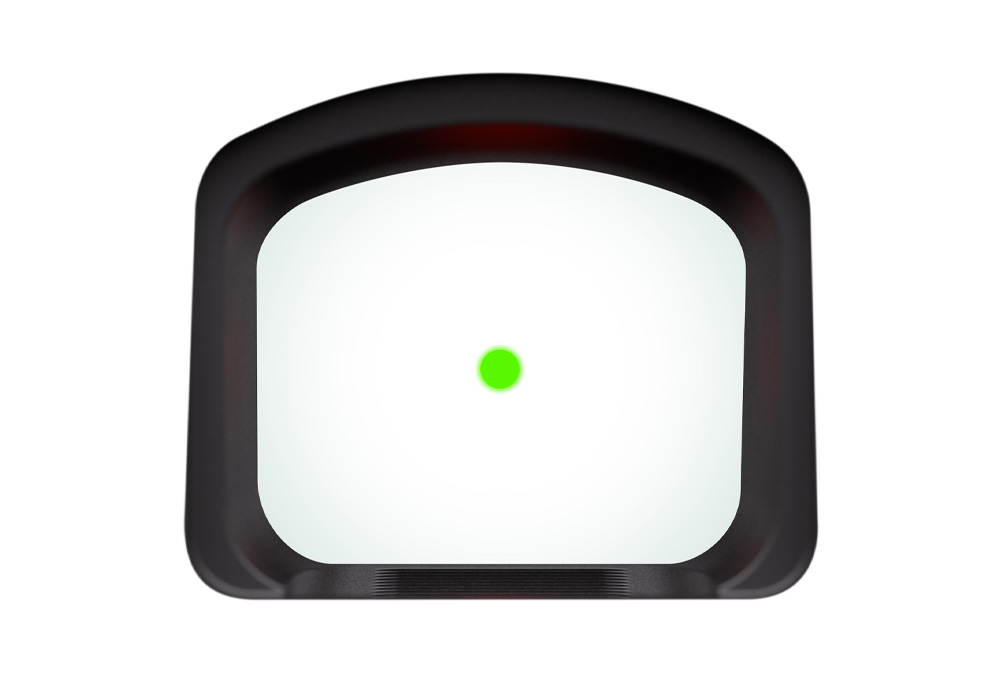
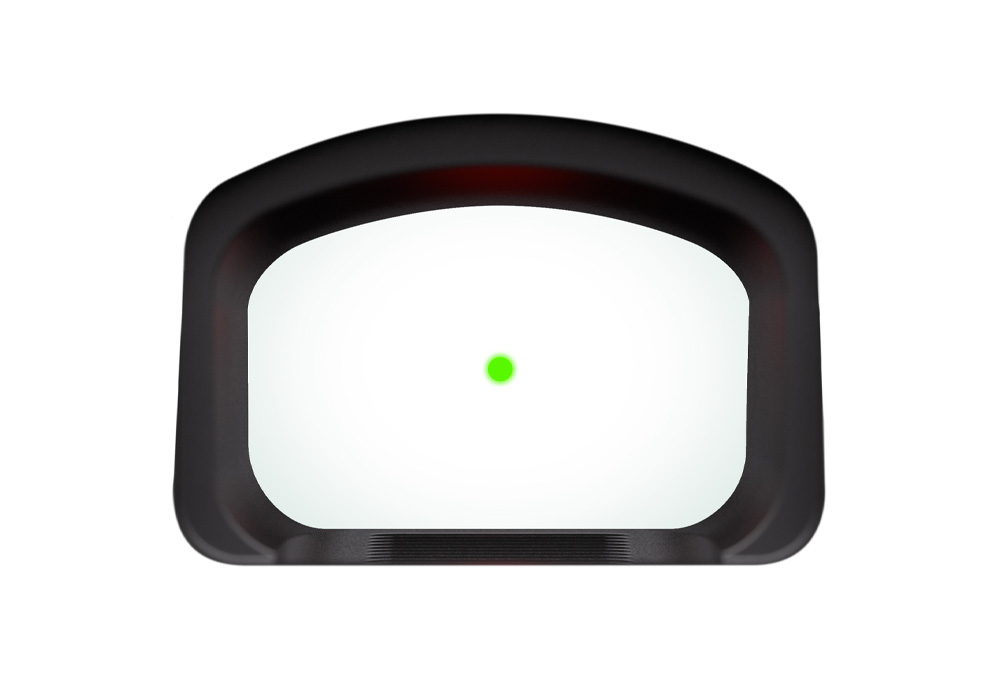
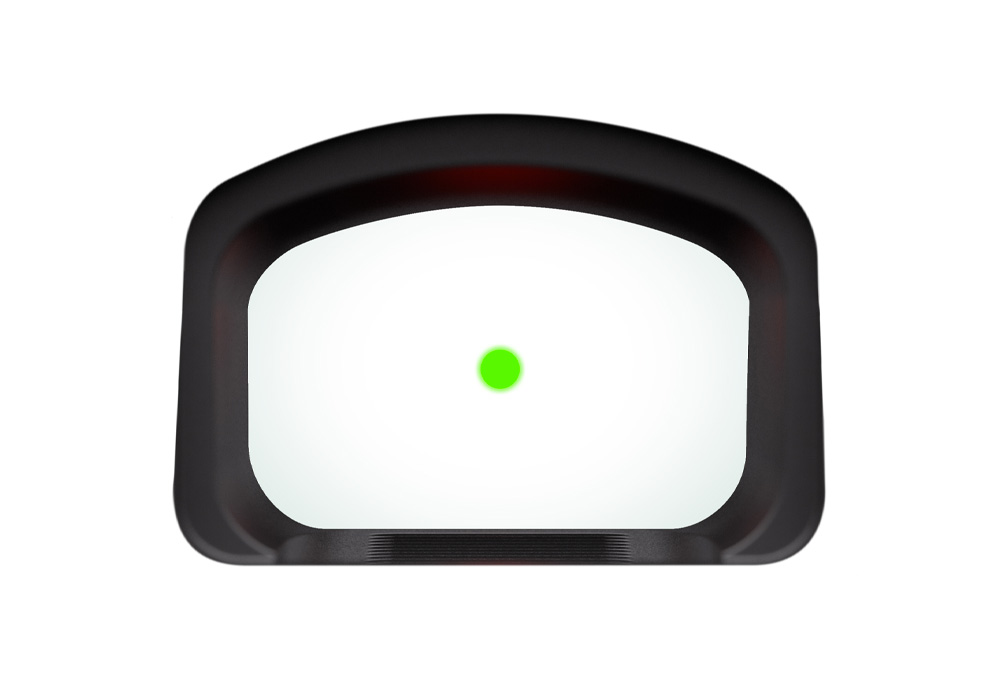
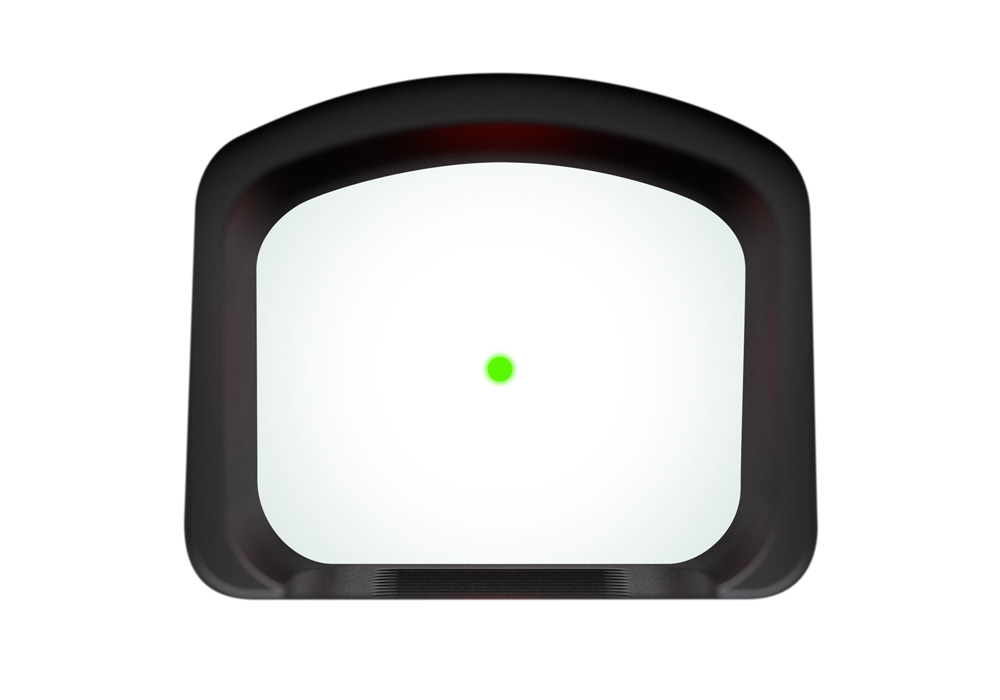
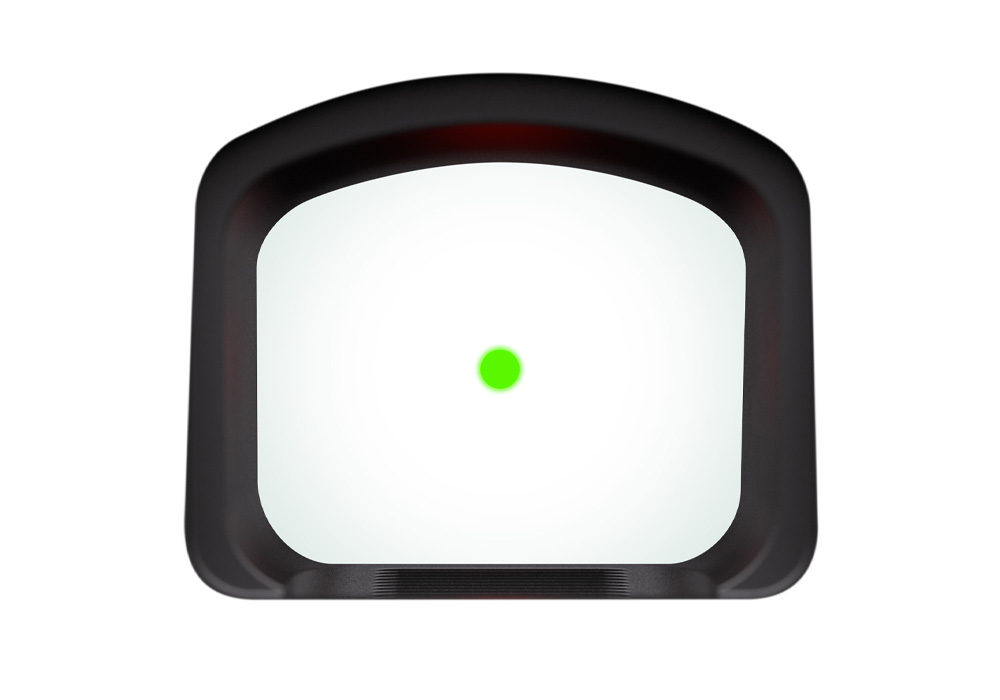
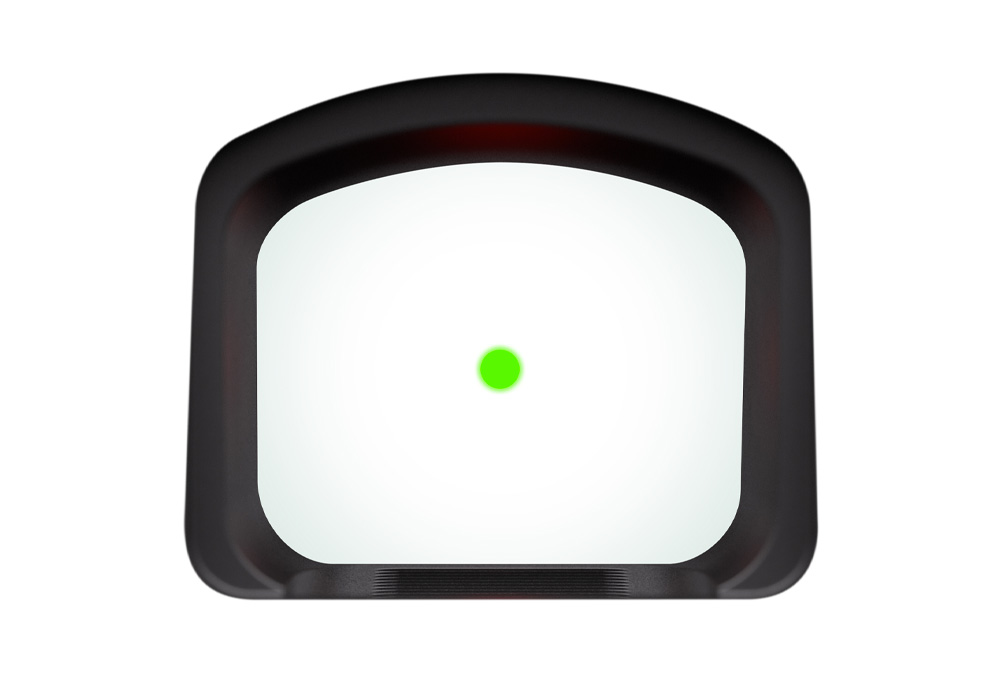
Green dot reflex sights for rifles offer a fast, intuitive aiming reference for shooters who value a broad field of view and quick target acquisition. Instead of aligning a front sight and rear sight, the shooter places the illuminated dot over the intended point of aim while keeping both eyes open. That approach can help preserve peripheral awareness, which is useful when tracking a moving target, transitioning between multiple targets at the range, or working through a practical shooting stage. Green illumination is especially popular because the human eye is highly responsive to green wavelengths, allowing the reticle to appear crisp and prominent against many daytime backgrounds. Natural scenery, dark targets, and changing light can all present different visual challenges, so brightness adjustment is an important feature to consider. A lower setting can provide a refined aiming point in subdued conditions, while brighter settings can help the reticle remain visible under strong sunlight. Shooters who spend time outdoors may appreciate controls that are easy to operate while wearing gloves, along with a housing that protects the optic from dust, moisture, and the bumps that can occur during transport or use around a range. Battery life also deserves attention, particularly for anyone who stores a rifle for long periods between sessions. Automatic shutoff, motion activation, solar backup, or a simple power-saving mode may extend readiness, depending on the sight’s design. A green dot optic can suit a modern sporting rifle, a carbine, or another compatible rifle platform, but the correct pairing begins with the rifle’s intended role and the shooter’s preferred handling style.
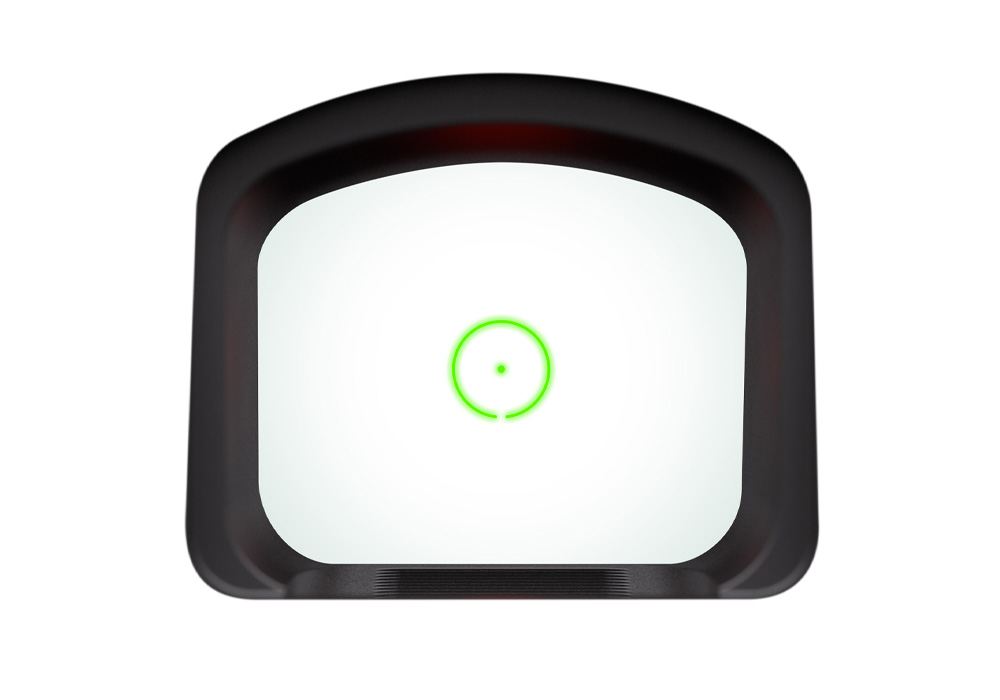
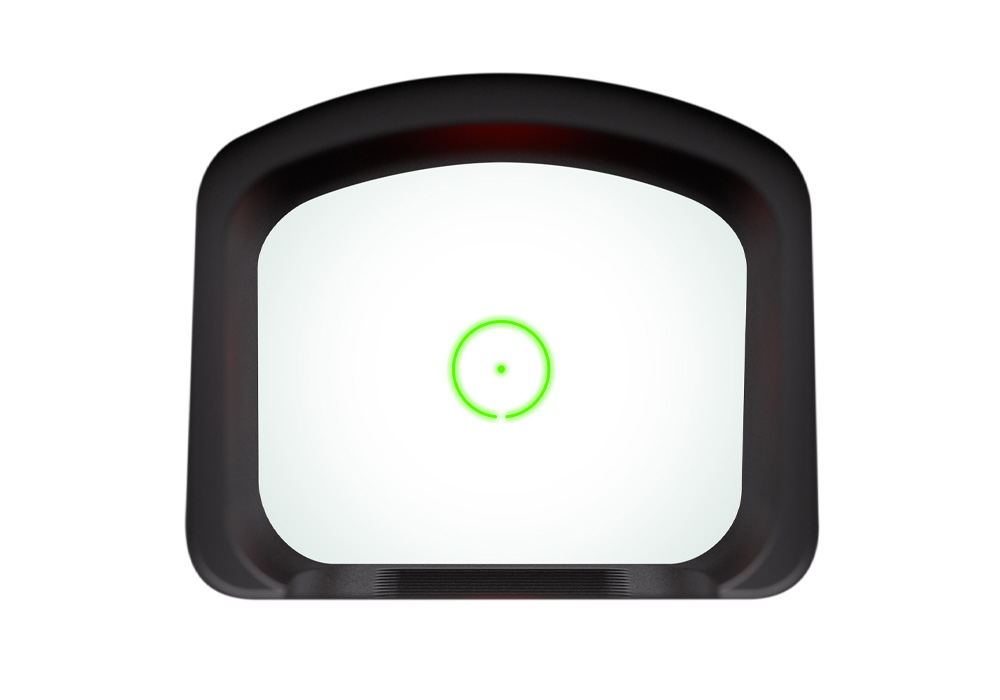
Mounting compatibility is one of the most important purchase considerations when comparing green dot reflex sights for rifles. Many contemporary rifles use Picatinny or M1913 rails, while other platforms may require a separate adapter, a proprietary mounting footprint, or a riser to achieve a comfortable cheek weld. Before selecting an optic, confirm the rail pattern, footprint, included hardware, and desired mounting height. A lower mount may support a more familiar stock weld and a streamlined profile, while a taller mount can provide clearance around a handguard or align the sight with backup iron sights. Co-witnessing allows iron sights and the optic’s aiming point to be viewed through the same sighting window, giving the shooter an additional reference if the electronic optic is turned off. Open reflex designs generally provide a spacious viewing window and a light, uncluttered presentation, while enclosed or tube-style designs offer more protection around the emitter and lens. Neither layout is universally best; the right choice depends on the rifle, the environment, and how the shooter prefers to acquire the reticle. Reticle style matters as well. A simple single dot can offer a clean aiming reference, while a larger or multi-part reticle may help with faster centering or different distances. Check whether the sight provides multiple brightness levels, tactile adjustment controls, tool-assisted or tool-free windage and elevation settings, and a clear adjustment range. Parallax behavior, lens clarity, eye relief, and the ability to retain zero after repeated use can have a meaningful effect on practical performance. A sight that feels easy to use during a calm afternoon at the range should also remain manageable when the temperature changes, light fades, or the rifle is carried over uneven ground.
These optics can be useful for recreational range sessions, practical rifle competitions, training exercises, varmint control where lawful, and hunting applications that suit the sight’s specifications and the local regulations. They are often a thoughtful gift for a rifle owner who wants a faster aiming system without adding a large, heavy optic. A first-time buyer may benefit from a straightforward single-dot configuration, while an experienced shooter might prefer a broader window, night-vision-compatible settings, enhanced weather resistance, or a flexible mounting system. Gift shoppers should confirm the recipient’s rail type and rifle setup before choosing, since a sight with the wrong footprint may require additional hardware. For any use, responsible handling remains essential: keep the rifle pointed in a safe direction, keep the finger outside the trigger guard until the sights are on the intended target and the shooter has decided to fire, verify the target and what lies beyond it, and follow all applicable laws and range rules. Zero the optic with suitable ammunition from a stable position, then confirm the point of aim at the distances where the rifle will be used. Small adjustments can have a noticeable effect downrange, so careful sight-in work is worth the time. During the cooler months, a fresh battery, lens cloth, and protective cover can help keep the setup ready when moving between a warm vehicle and an outdoor range. Shooters comparing related configurations can also browse Green Dot Sights for Target Shooting for additional options suited to practice and recreational use. With the correct mount, a clear viewing window, dependable illumination, and a reticle that stands out against the intended background, a green dot reflex sight can become a natural extension of a rifle and a practical addition to a carefully assembled shooting setup.