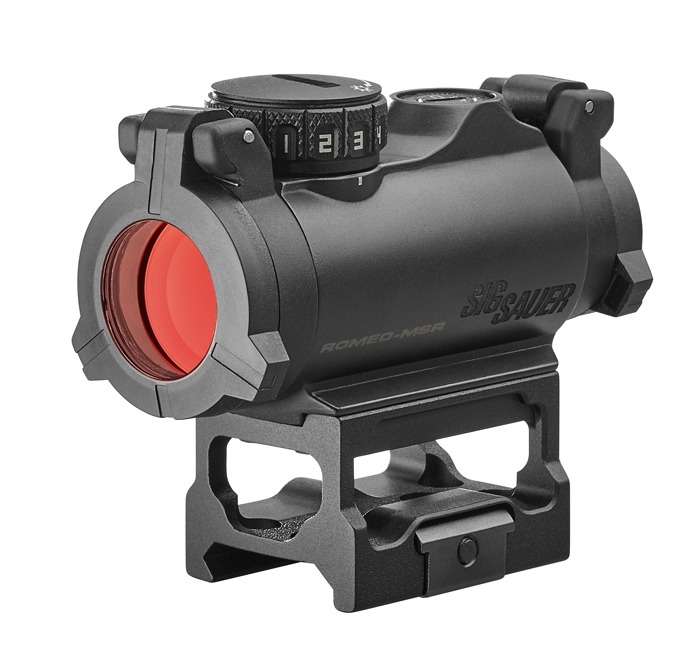
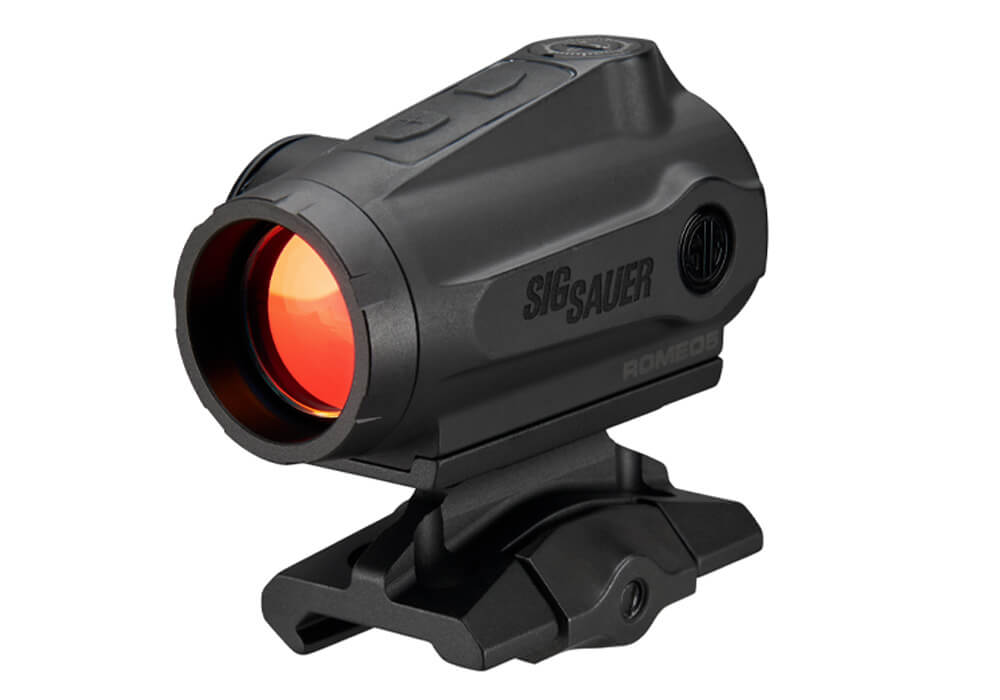
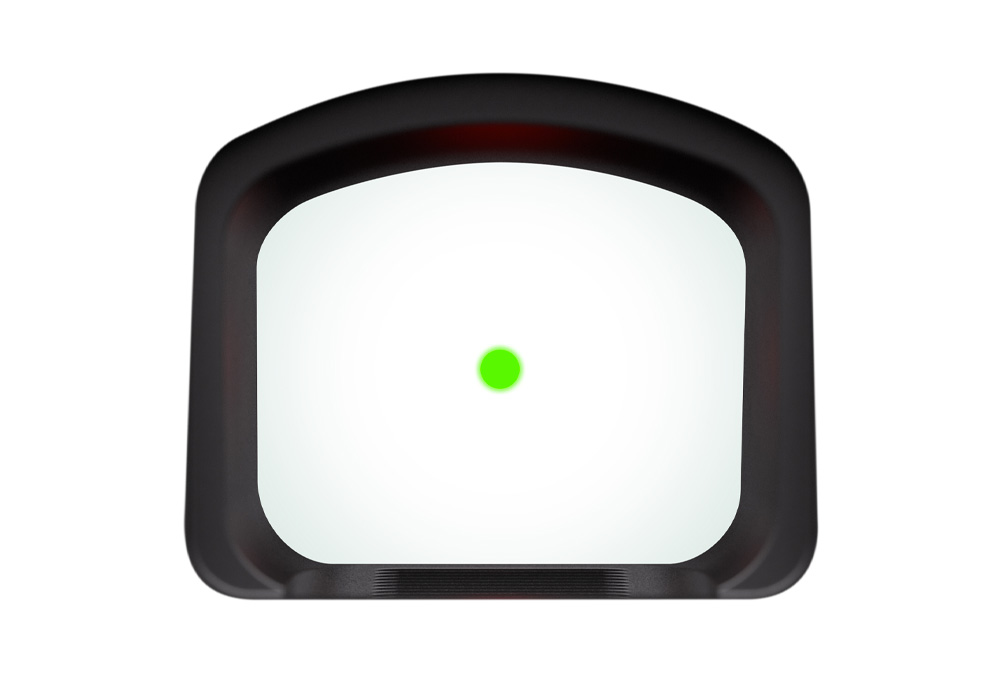
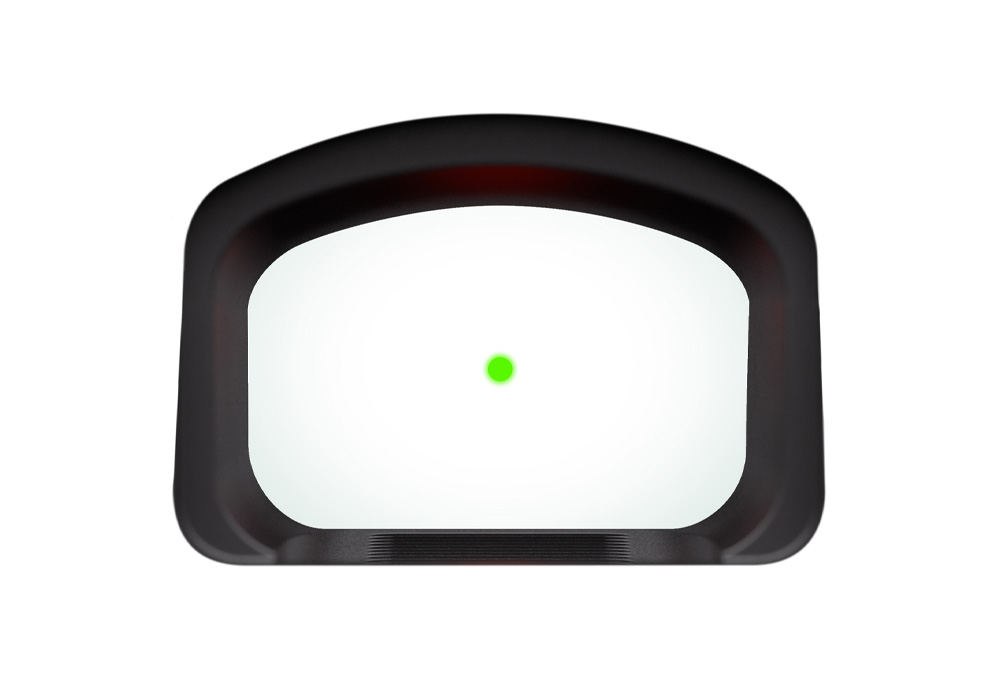
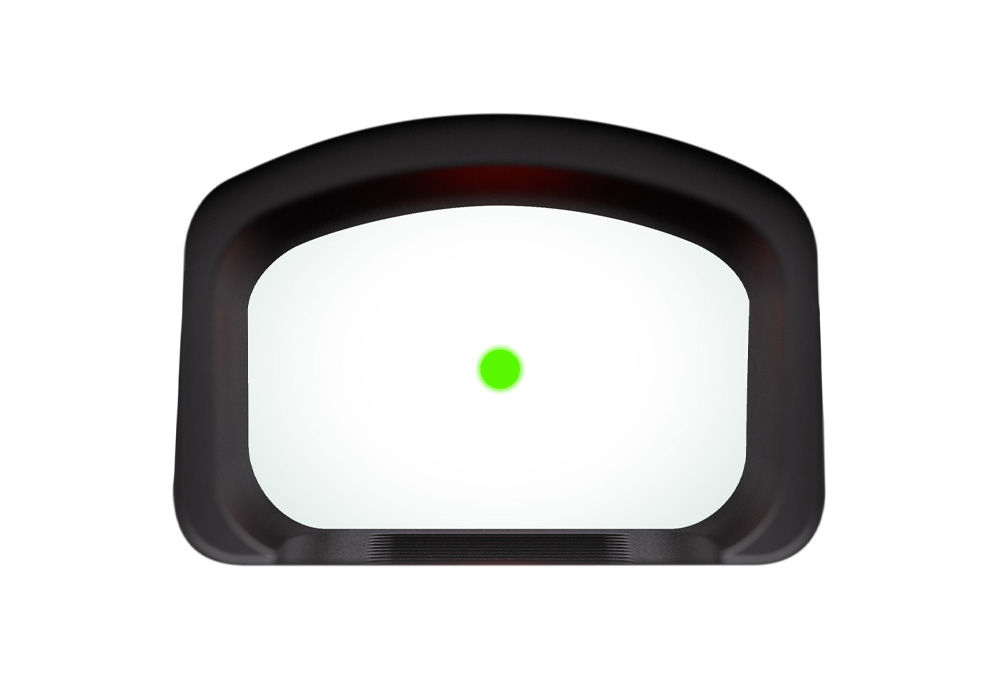
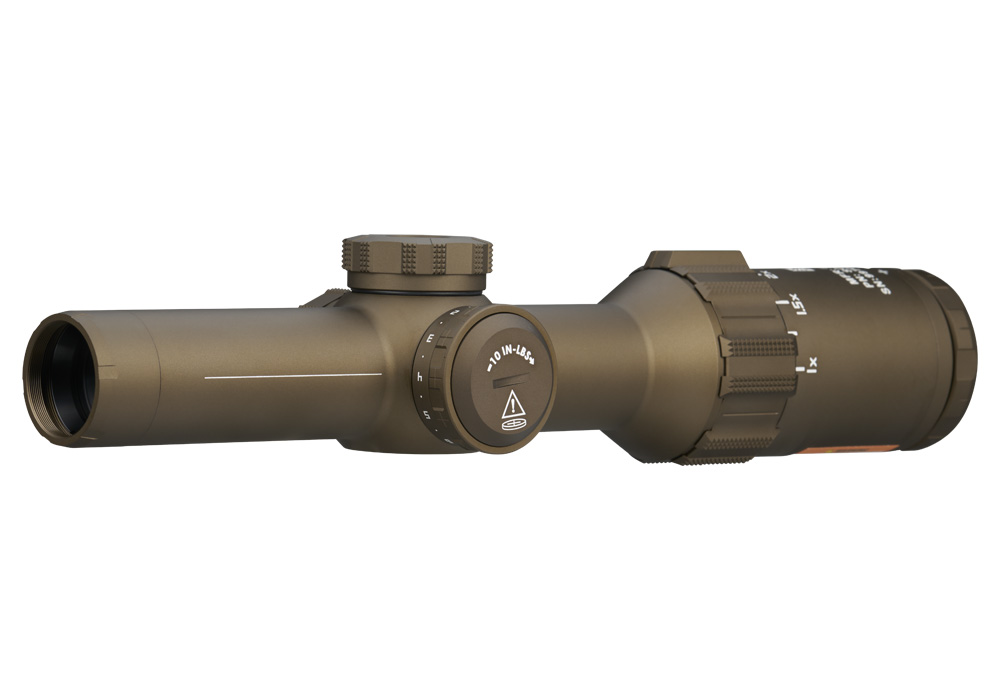
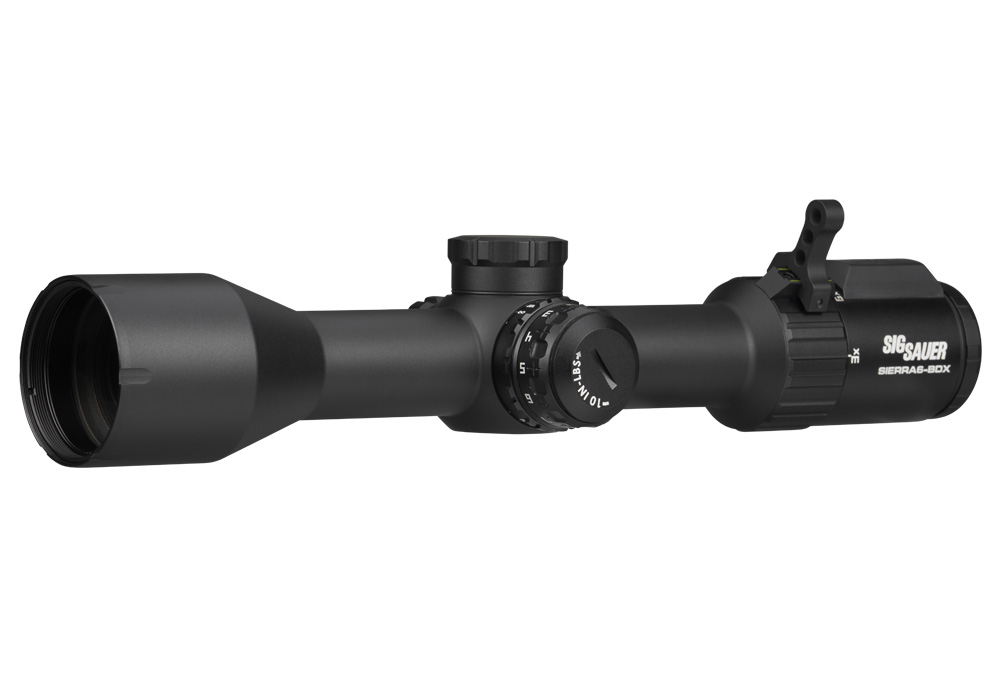
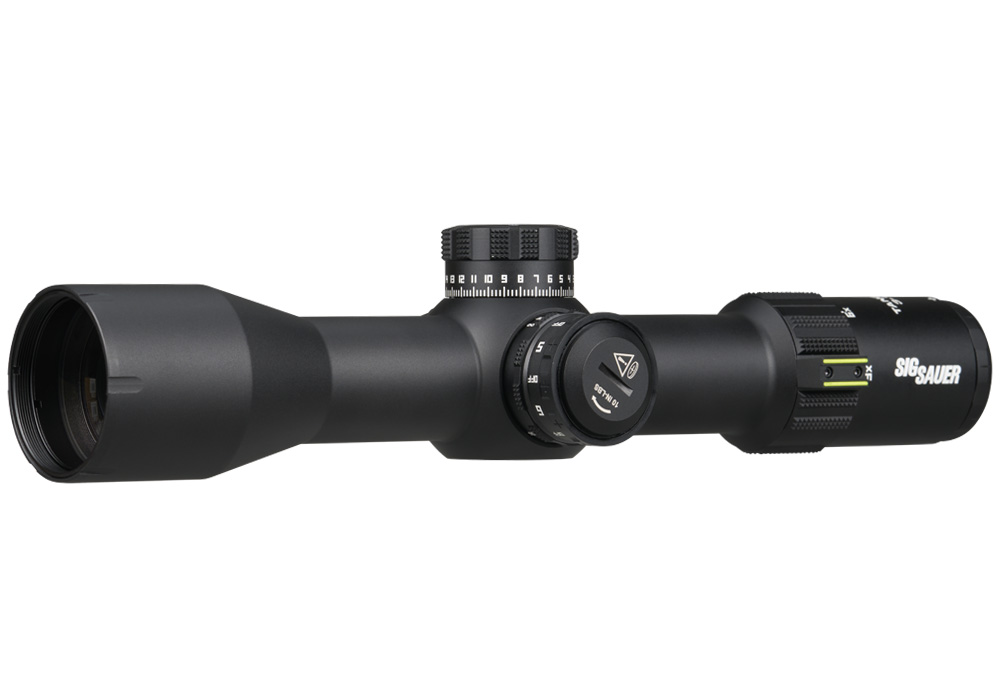
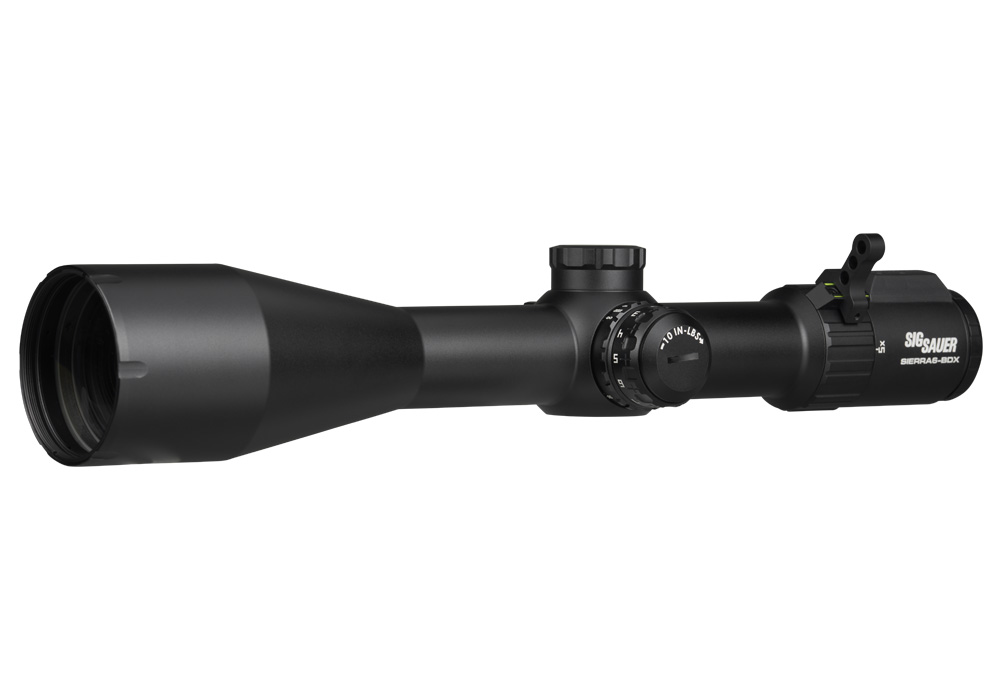
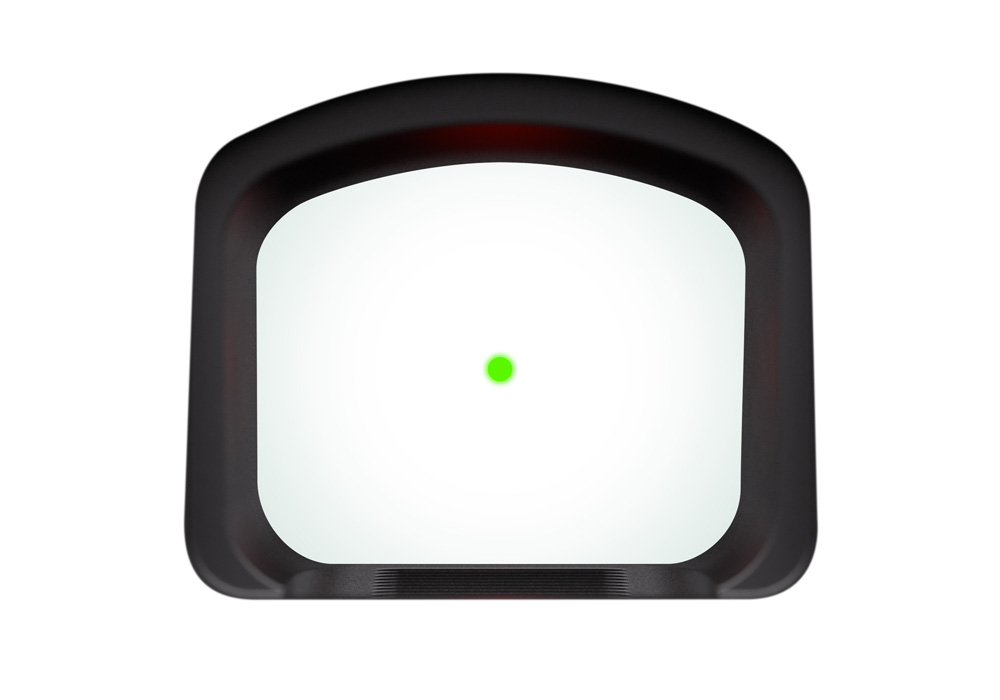
Green dot rifle scopes and sights provide an illuminated aiming reference that can be easy to distinguish while keeping attention on the target. The terminology matters: most green dot sights are nonmagnifying reflex sights, offered in open-window or enclosed designs, rather than traditional magnified rifle scopes. A typical 1x sight presents a green dot without enlarging the target, while a magnified scope may use green illumination within a more detailed reticle. Both can support recreational shooting, competition, or hunting where the optic suits the rifle and the task, but they deliver different sight pictures. A nonmagnifying sight favors an open view and quick visual alignment on nearby range targets; magnification helps reveal smaller details at greater distances. Human vision is generally sensitive to green wavelengths, so some shooters find a green aiming point easier to notice than a red one, especially against brightly lit backgrounds. That preference is individual, not a guarantee that green will look sharper to every eye or stand out against every target. Brightness adjustment is just as important as color. Excessive illumination can turn a small aiming point into a distracting glow, while an overly dim setting can be difficult to locate. Dot size, commonly expressed in minutes of angle, also affects the view. A 2 MOA dot covers approximately two inches at 100 yards, offering a useful balance between visibility and precision for many range applications. A larger dot can be easier to pick up but obscures more of a small target; a smaller dot leaves more detail visible but may require more deliberate attention. Circle-dot reticles, where offered, provide a broader visual reference around a central aiming point. Shooters with astigmatism may see a dot as a streak or starburst, and changing its color does not necessarily resolve that effect. Comparing the sight picture at comfortable brightness levels is more useful than assuming one reticle color will suit everyone.
Construction and fit help determine whether a green dot optic feels like a natural part of the rifle or an awkward addition. Aluminum housings are common because they balance weight and rigidity, while protective finishes help resist surface wear from routine handling. Lens coatings can improve light transmission and control reflections, although tint and optical clarity vary by design. An enclosed sight surrounds the aiming system with a protective housing, helping shield internal components from dust and debris. An open-window reflex design often provides a less enclosed view, but its exposed emitter needs attention during cleaning because an obstruction can interfere with the visible reticle. Durability should be evaluated through the manufacturer’s stated testing and intended firearm compatibility rather than appearance alone. A compact optic still needs to tolerate the recoil of the rifle on which it will be used, and a substantial-looking housing does not establish suitability by itself. Mounting deserves equal attention. Rail compatibility, mount height, adjustment clearance, and the optic’s footprint must work together; a shared rail style does not mean every mount fits every sight. The right height supports a comfortable cheek position and a repeatable view without forcing the shooter to stretch or lift away from the stock. On rifles with backup iron sights, the relationship between those sights and the optic also depends on mount height and the overall setup. Nonmagnifying reflex sights generally offer flexible eye positioning, often described as unlimited eye relief, but the window still needs to be positioned where the aiming point is easy to see. Magnified scopes have a defined eye-relief range and require more deliberate positioning. If a compatible magnifier is part of the setup, its alignment, eye relief, mounting space, and handling characteristics matter too. Keeping the complete arrangement balanced is especially noticeable during an extended range session, when unnecessary weight or an uncomfortable sight height can become tiring. Follow the mounting specifications for the optic and mount, and confirm zero at the range before relying on the setup.
Power management and straightforward care round out the practical considerations for green dot rifle optics. Battery life depends on the illumination setting, electronics, reticle configuration, and how the sight is used, so a published runtime should be read alongside its stated test conditions. Motion activation, automatic shutoff, and ambient-light adjustment are features on some designs, not universal characteristics of green illumination. They can simplify routine use, but controls should remain understandable and accessible when the rifle is held in a normal shooting position. A battery compartment that can be accessed without removing the sight may make replacement more convenient; other designs require a different maintenance routine. The specified battery type, replacement procedure, and any required zero check are worth knowing before the optic becomes part of a regular range setup. Lens care should be gentle and consistent. Loose grit needs to be removed before wiping, and cleaning materials should be suitable for coated optical surfaces. Harsh household cleaners, abrasive cloths, and unnecessary pressure can damage coatings or leave marks that distract from the sight picture. Protective covers, where supplied or compatible, help keep lenses clean during storage and transport. Periodic inspection of the mount, housing, controls, and battery compartment can reveal wear before it interrupts a planned shooting session. For a recreational shooter, the best match may be a simple dot with clear brightness controls and a comfortable viewing window. A competition participant may place more emphasis on reticle visibility and unobstructed target transitions, while a hunter may prioritize compact dimensions and compatibility with the rifle’s intended use. Green dot optics can also be thoughtful gifts for experienced firearm owners, provided the recipient’s mounting requirements and visual preferences are known. The broader Green Dot Optics category offers context for comparing different formats. A well-matched optic brings together a readable aiming point, suitable construction, dependable mounting, and manageable upkeep rather than relying on illumination color alone.