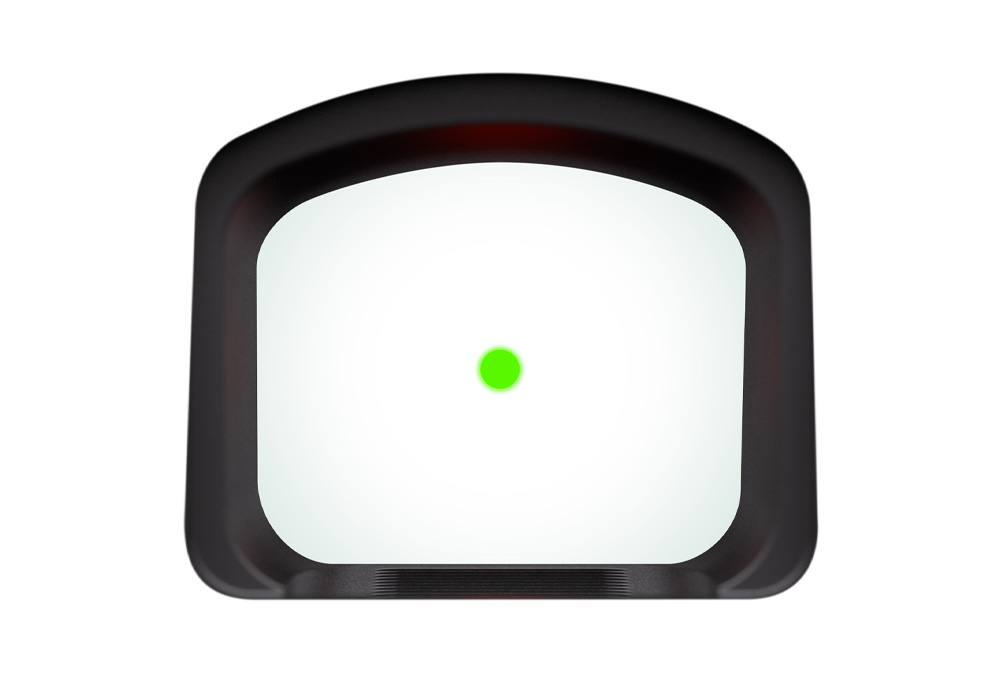
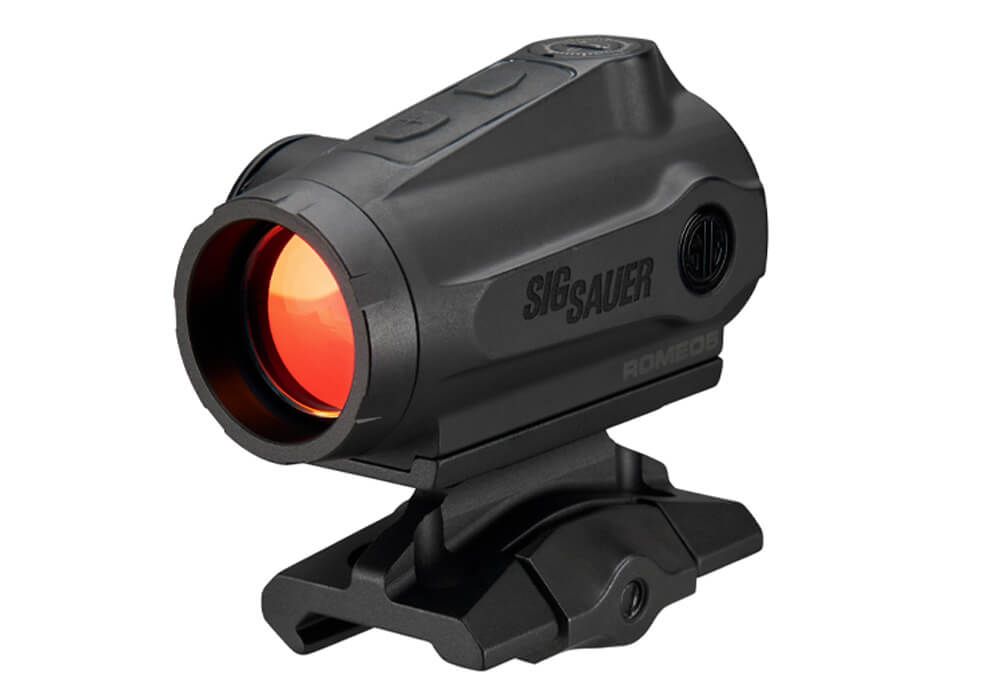
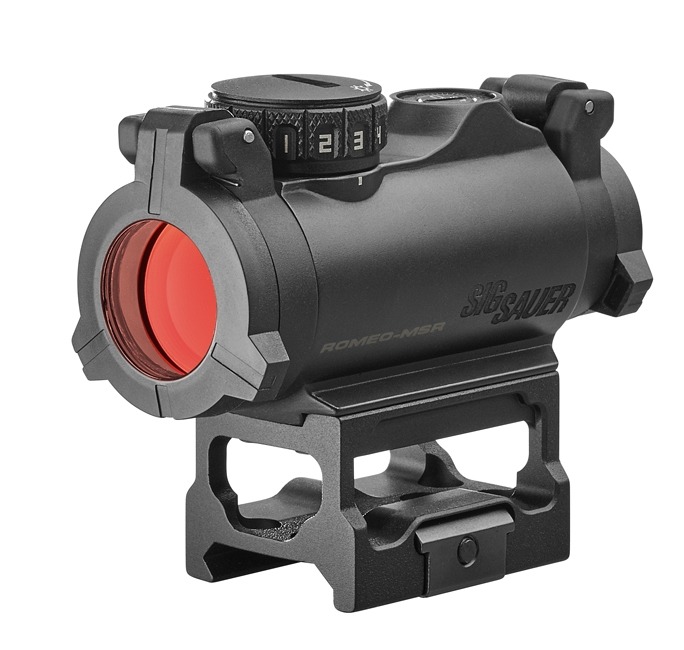
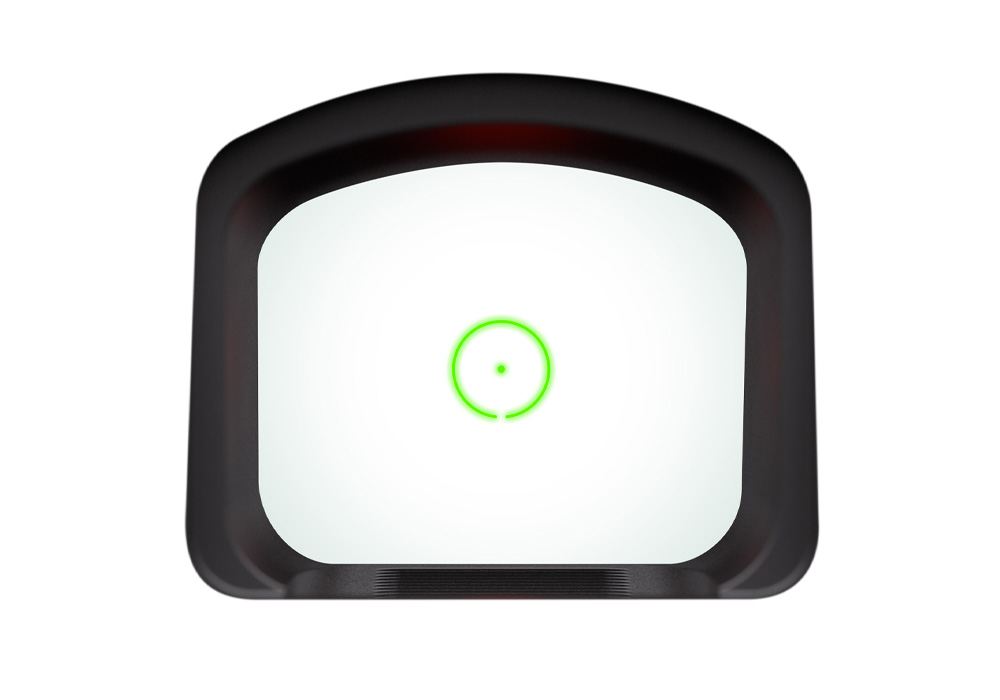
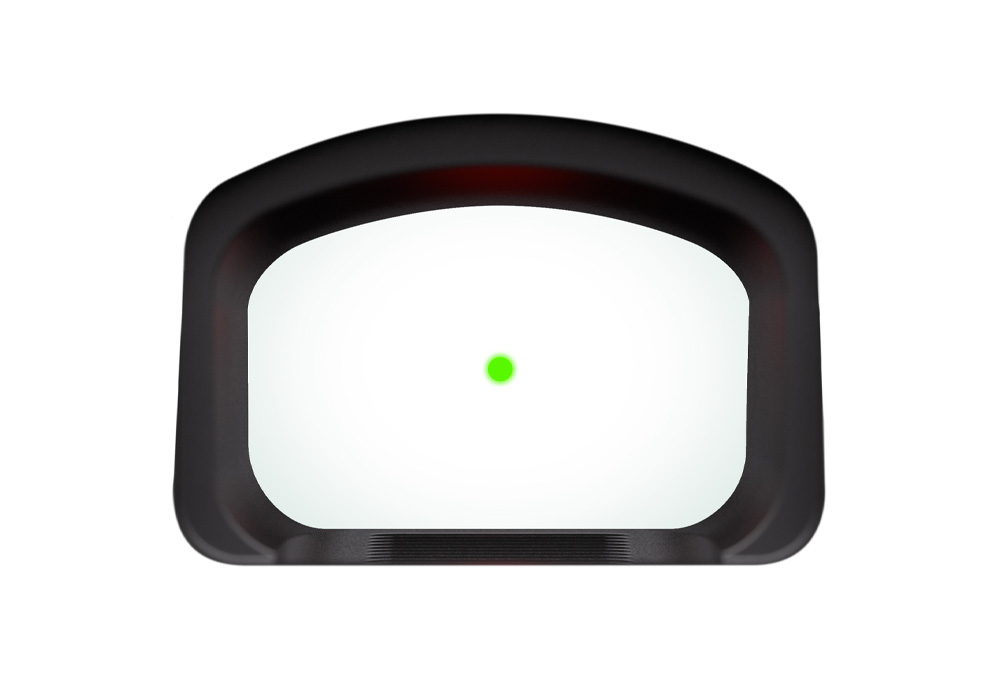
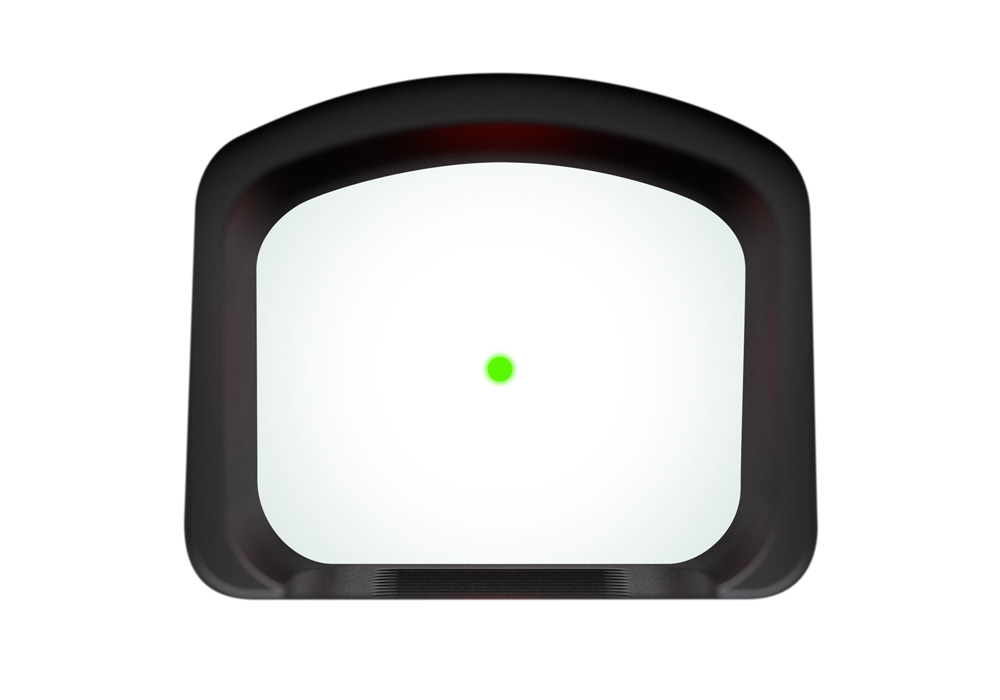
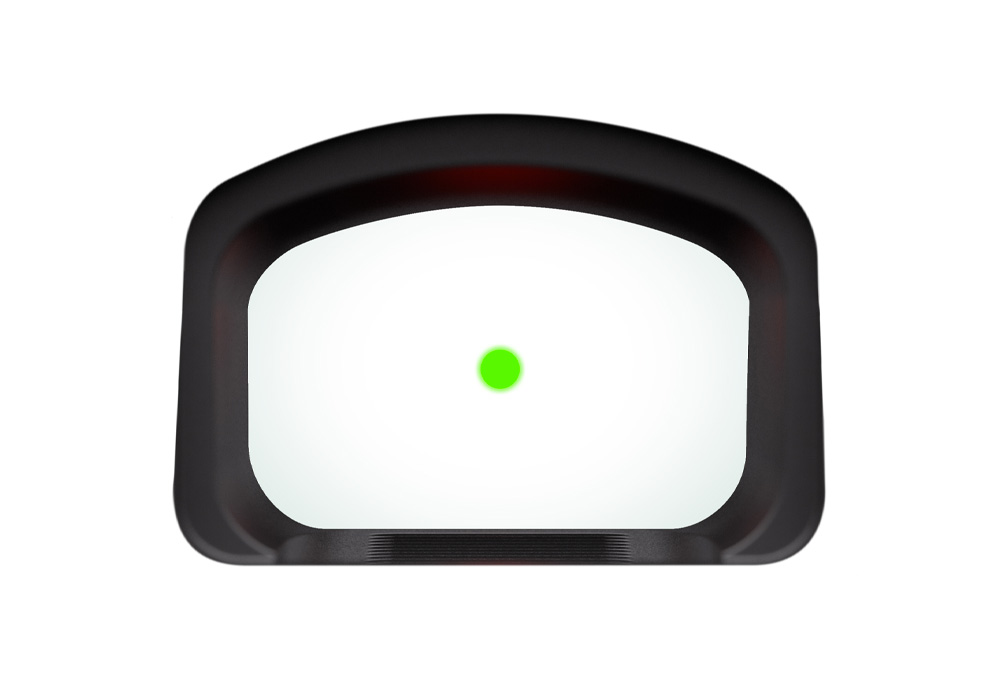
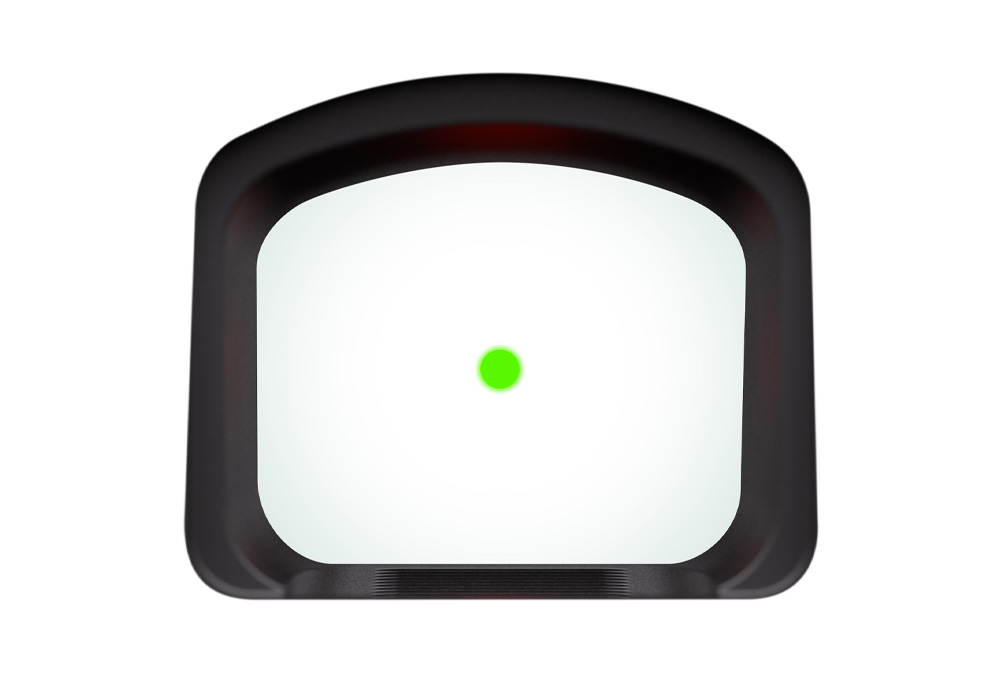
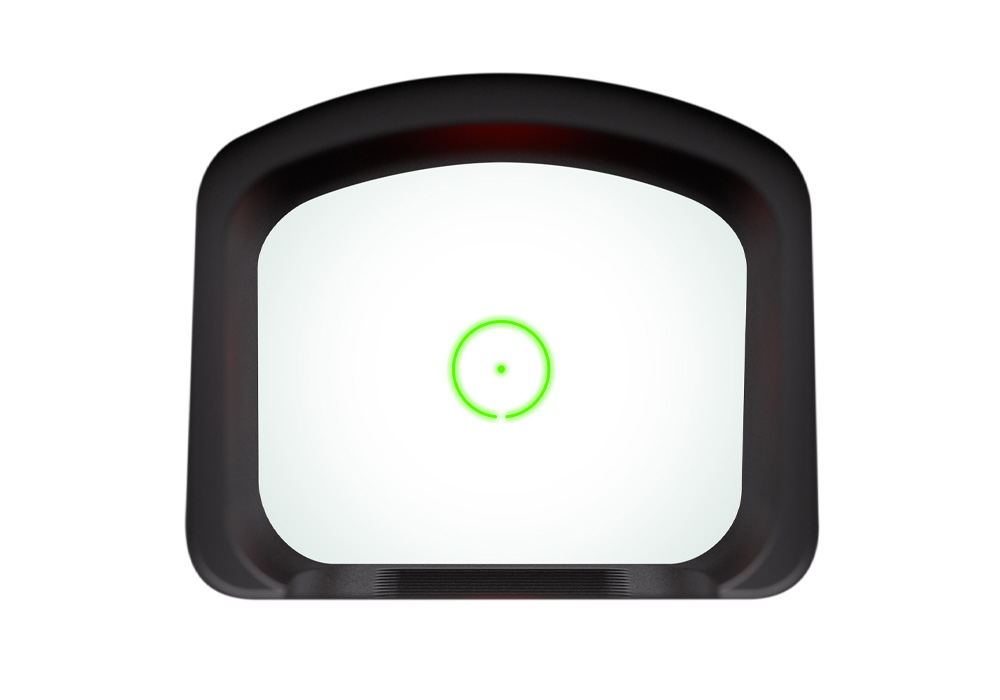
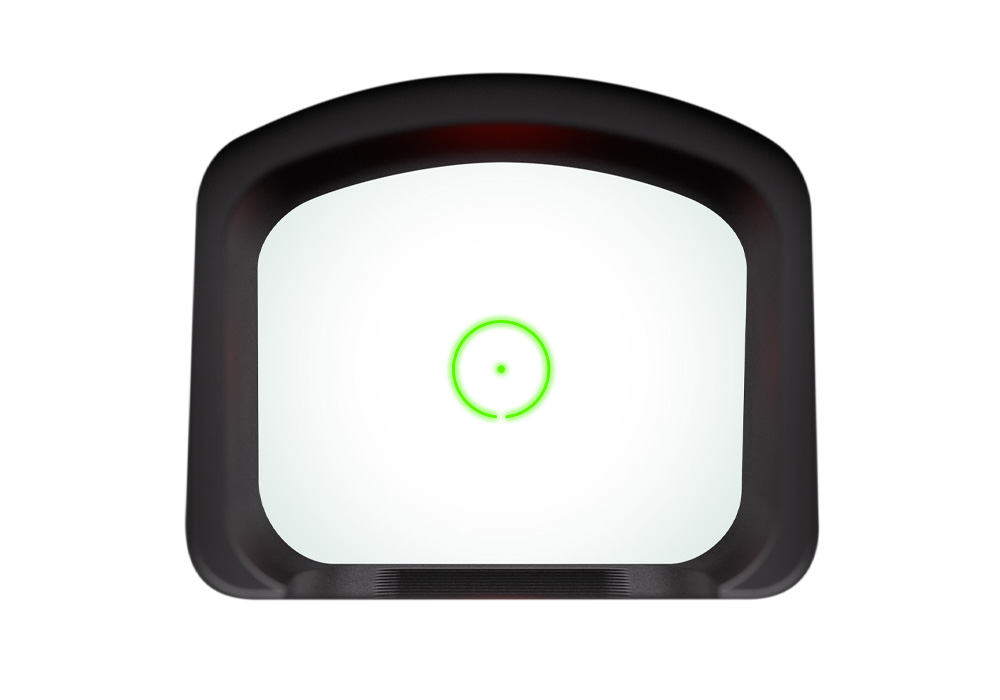
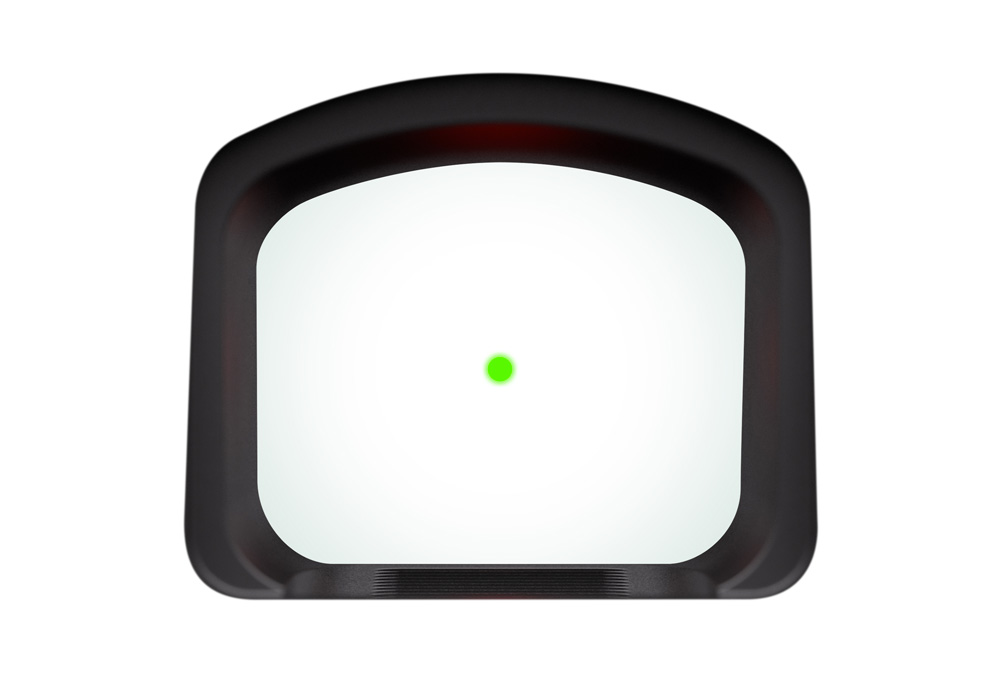
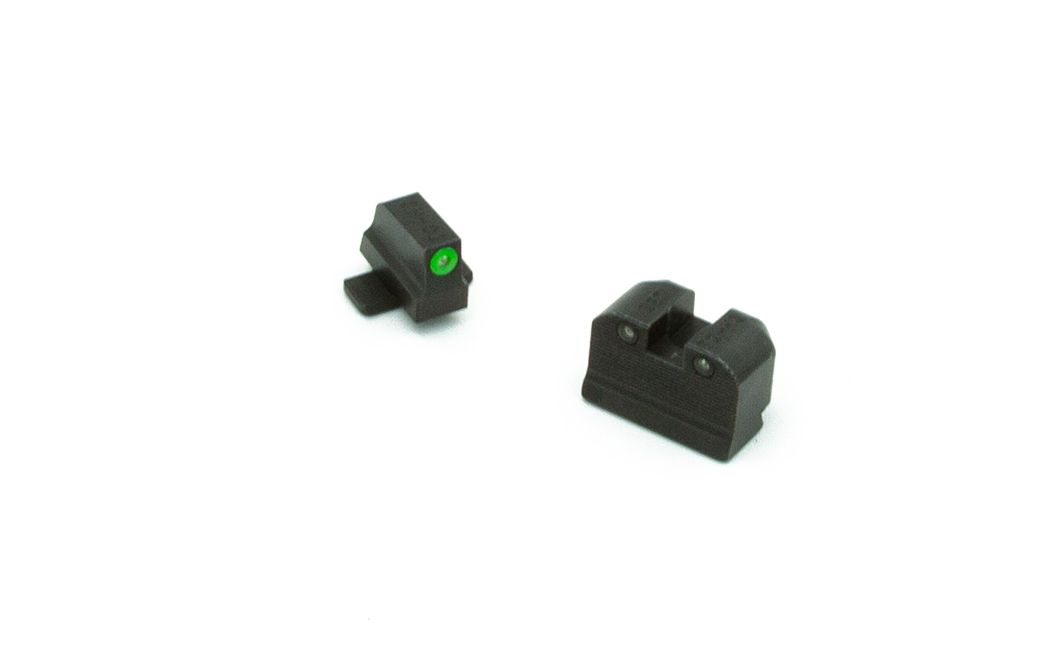
Green dot optics provide a bright, illuminated aiming point designed to help the eye move quickly from the target to the sight picture. Most green dot optics are reflex or holographic sights, with an LED or projected reticle that appears to sit on the target rather than requiring the shooter to align a front sight, rear sight, and target in a single narrow line. The green wavelength can stand out clearly in bright daylight, against wooded backstops, muted clothing, and many outdoor backgrounds where a traditional black reticle may be harder to see. Some shooters also find that a green aiming point appears sharper or produces less noticeable starbursting than a red dot, particularly when they have astigmatism, although individual vision varies and prescription eyewear, brightness settings, and viewing conditions all affect the result. For an overview of options suited to practice, competition, and general range use, browse Green Dot Sights for Target Shooting. When choosing a green dot optic, begin with the firearm and the way it will be used. A compact sight intended for a handgun may emphasize a low-profile housing, a small window, and compatibility with a concealed-carry slide, while a rifle or shotgun optic may provide a larger viewing window that is easy to locate during fast transitions. Footprint compatibility is one of the most important details: the optic must match the slide cut, adapter plate, mounting interface, or rail system on the firearm, and the correct screws and torque specifications should be followed during installation. A sight that fits securely and maintains zero is more useful than one selected solely for its appearance or feature list. Open-emitter designs can be light and compact, making them popular for pistols and streamlined setups, while enclosed-emitter designs may offer additional protection from dust, rain, mud, and debris. Consider whether the optic provides manual and automatic brightness controls, multiple reticle options, a crisp aiming point, usable windage and elevation adjustments, and battery access that does not require removing the sight from the firearm. Battery life matters as well, especially when the optic is stored for long periods; a model with efficient power management, an automatic shutoff, or a readily accessible battery compartment can simplify regular readiness checks. Users who wear glasses or experience vision changes should pay close attention to how the reticle appears at normal shooting distance rather than relying only on specifications. Whenever possible, compare the sight picture in the lighting where the optic will actually be used, from open sunlight to shaded lanes and indoor ranges.
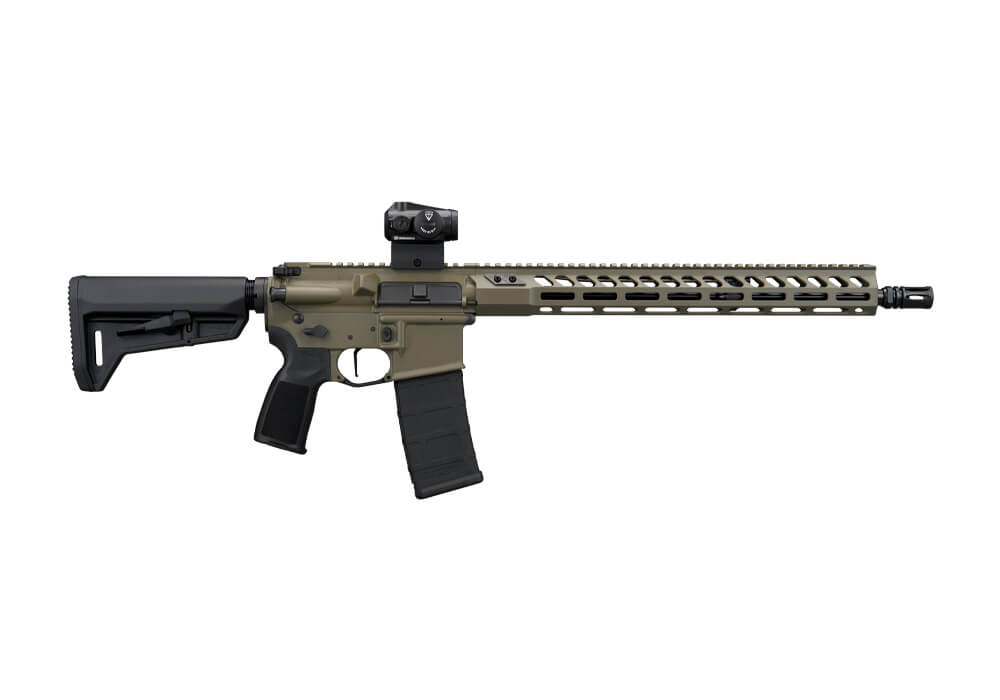
Green dot optics can serve a wide range of shooters, from someone building confidence with a first handgun optic to an experienced competitor refining transitions between multiple targets. On a pistol, the illuminated point can make the process of finding the sights feel more intuitive: instead of carefully lining up three separate elements, the shooter learns to present the firearm consistently and allow the dot to settle over the intended point of aim. This does not replace safe handling, a proper grip, trigger discipline, or practice; it simply gives the eye a clear reference within the sight window. On a rifle, a green dot optic can support fast target acquisition at practical distances while preserving an uncluttered field of view, and some users pair it with a magnifier or additional aiming system when their setup calls for more flexibility. Shotgun users may appreciate a bright dot for slug work, hunting applications where permitted, or deliberate range practice, provided the optic and mount are suited to the firearm’s recoil and intended environment. These sights can also be a thoughtful gift for a shooter who already owns a compatible firearm and has mentioned wanting a faster, easier-to-see aiming reference. Because mounting patterns, firearm cuts, and personal preferences differ, a gift recipient may benefit from choosing the exact optic after confirming compatibility rather than receiving a sight selected by appearance alone. A practical gift can include a protective cover, spare battery, mounting tools, or a range session focused on confirming zero and learning the controls. During the cooler months, when changing light and overcast skies can make familiar backgrounds look different from one outing to the next, brightness adjustment and a clear window become especially valuable; the same optic should remain easy to use when the sun breaks through or when a shooter moves between shade and open ground. Before relying on any green dot optic, inspect the mount, verify that fasteners remain secure, confirm zero at an appropriate range, and practice presenting the firearm until the dot appears naturally in the window. Shooters should also keep lenses clean with suitable optical materials, avoid covering sensors or emitters, and store the firearm and optic according to all applicable safety practices and local laws. Whether selected for range training, competition, hunting where lawful, home-defense preparation, or a carefully considered gift, a green dot optic is best matched to the firearm, the shooter’s eyesight, and the conditions in which it will be used.