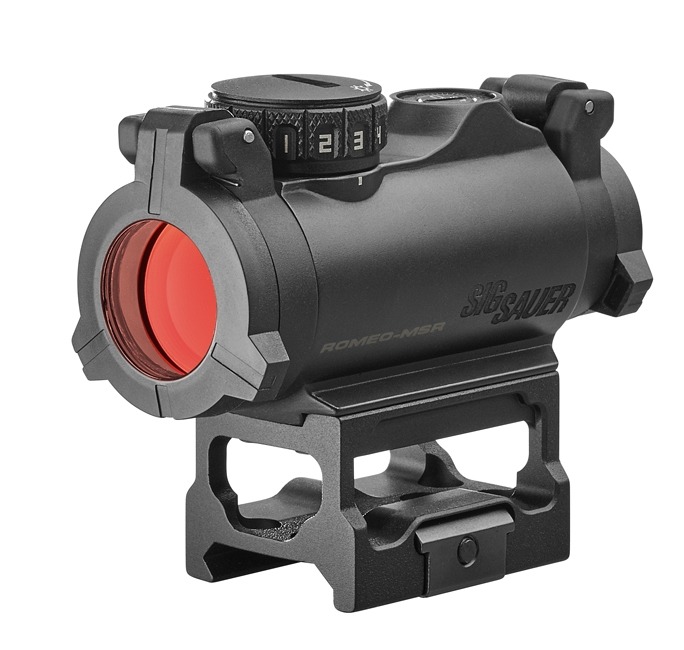
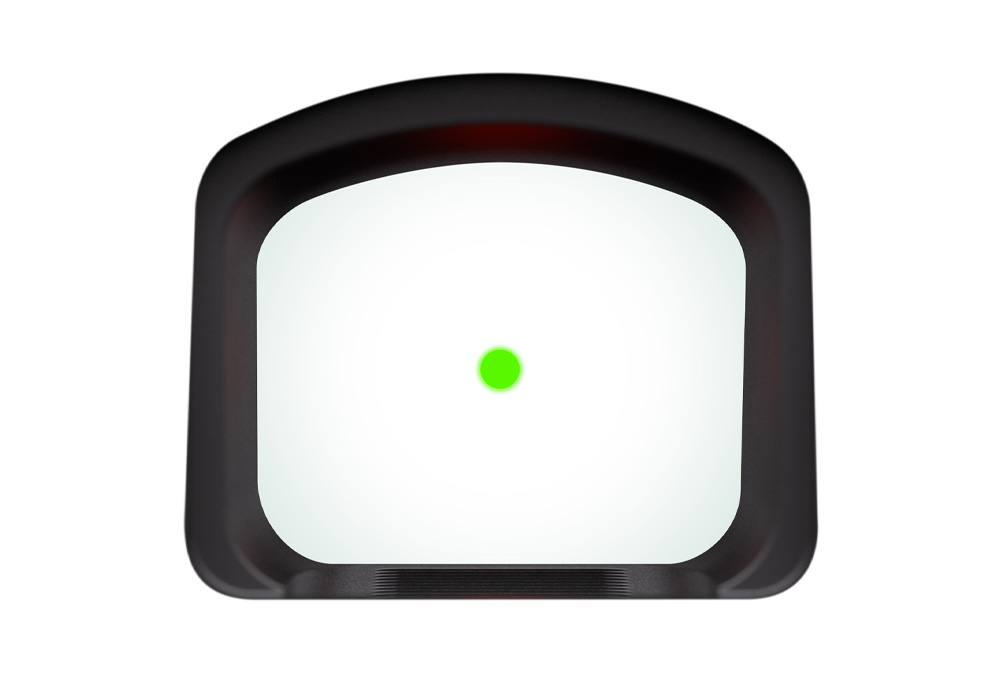
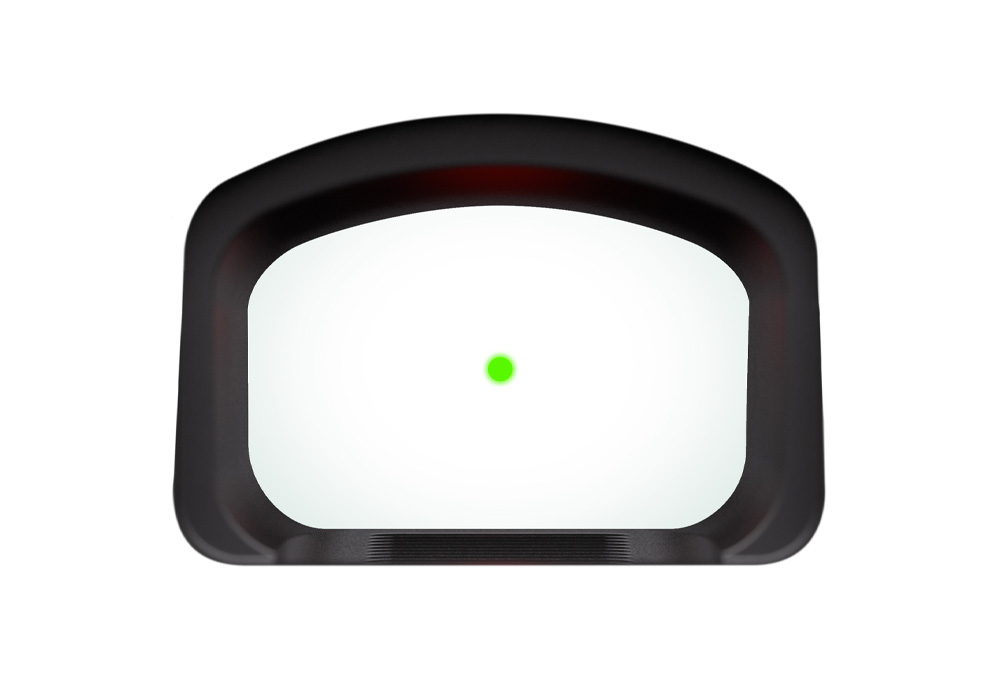
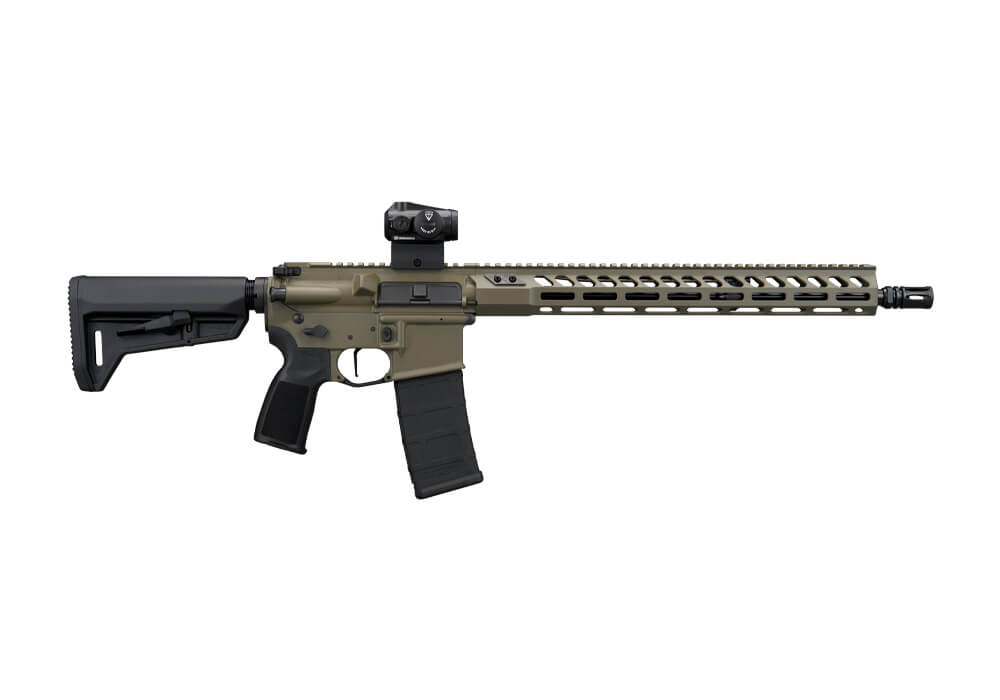
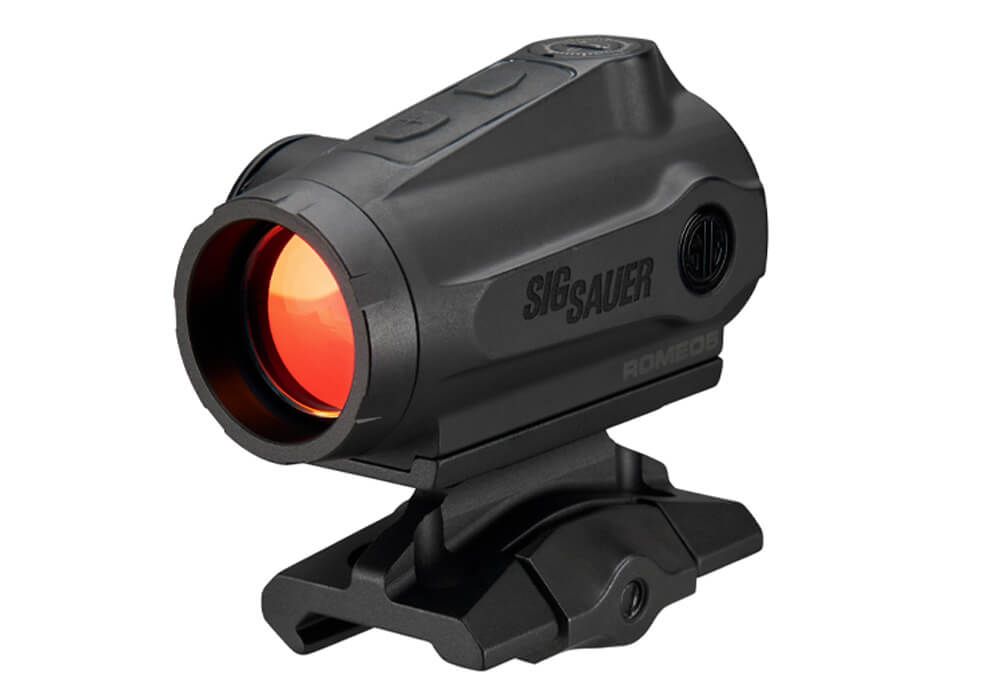
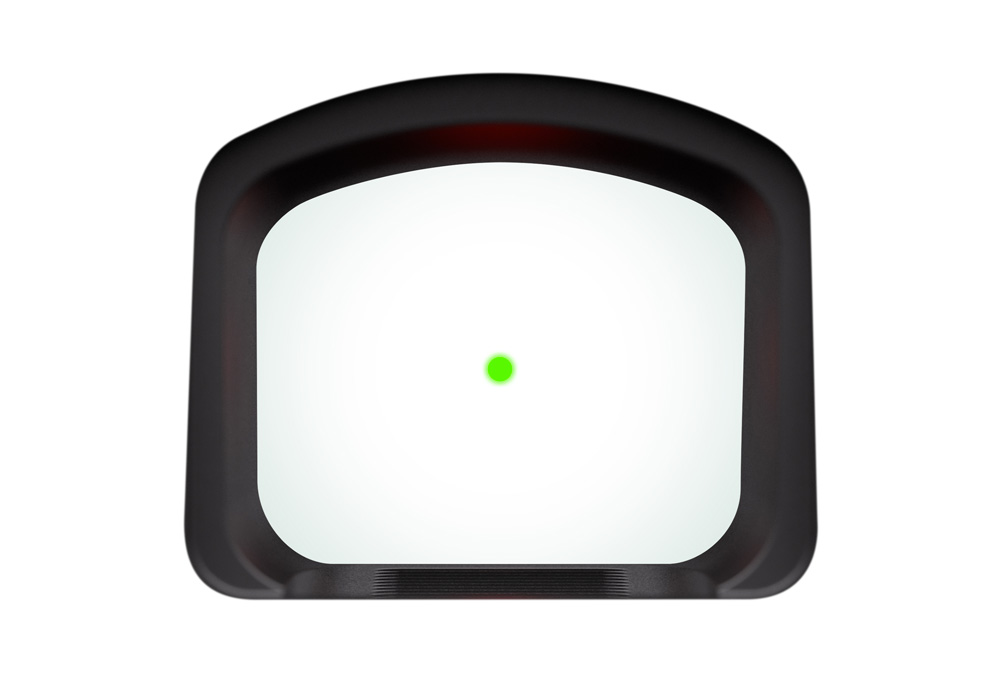
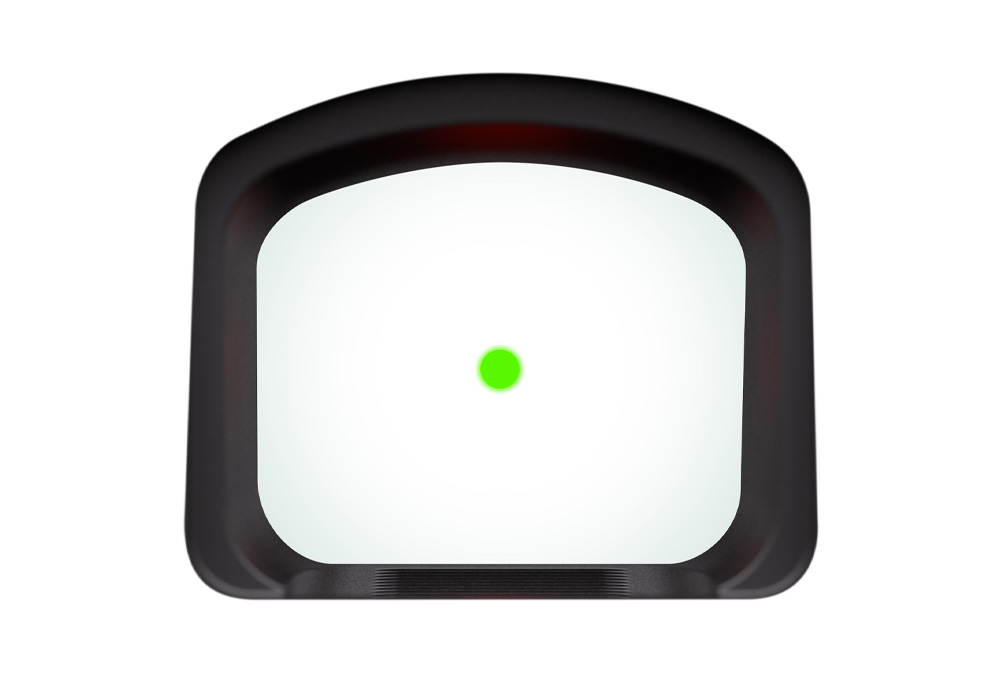
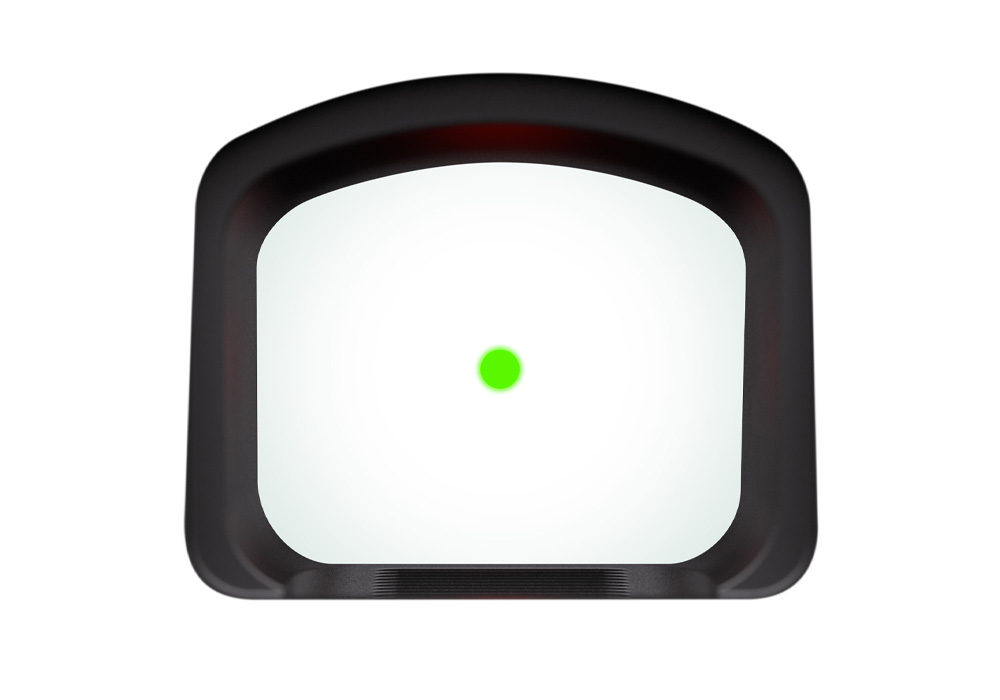
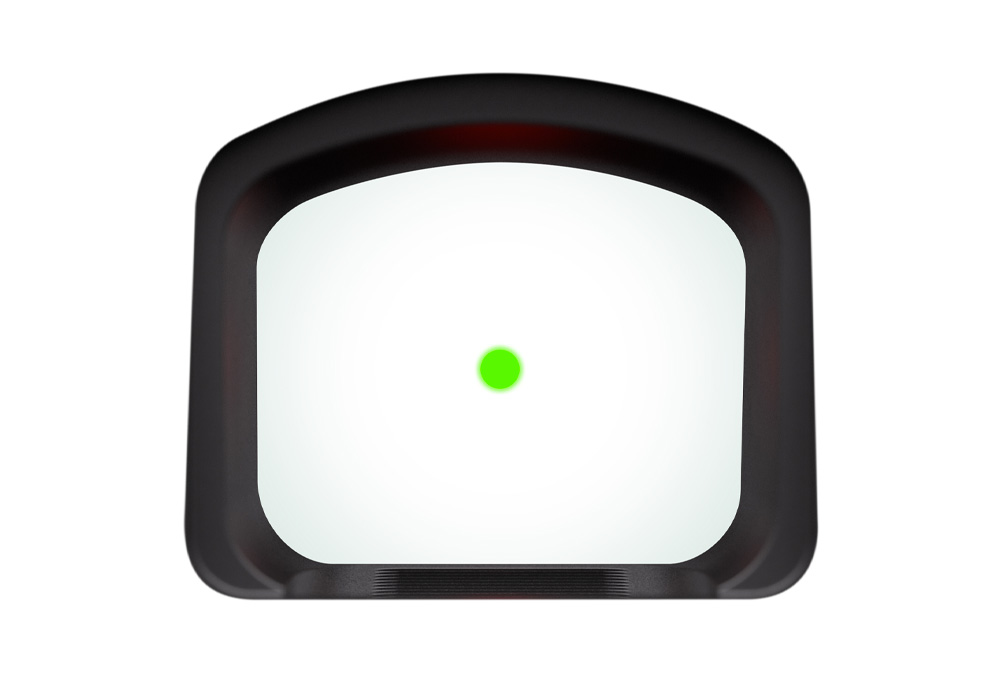
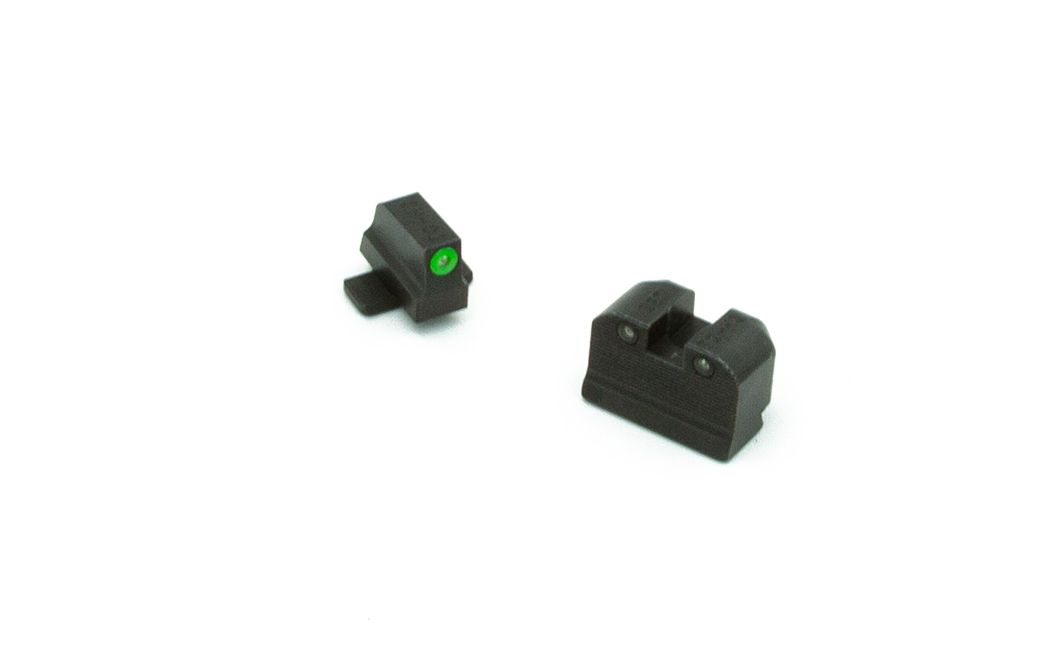
Green dot optics for home defense are designed to help place a clear aiming reference in the sight picture when a firearm may need to be accessed under stress. Compared with a conventional front sight and rear sight, a reflex-style optic presents a single illuminated point that can be easier to locate while keeping both eyes open and maintaining awareness of the surrounding room. Many shooters find that green reticles stand out strongly against common indoor and outdoor backgrounds, and some perceive green as especially easy to pick up during quick eye movement or in bright conditions. That visibility can be useful for a homeowner who keeps a properly configured firearm for emergency use, whether the firearm is a handgun, carbine, or shotgun equipped with a compatible mounting system. Green dot optics are also relevant for users who practice at an indoor range, train during changing light, or want one aiming system that remains useful from a well-lit hallway to a dimly illuminated room. The objective is not to replace sound judgment, responsible storage, or regular training. An optic is one part of a complete home-defense setup that should include a secure storage plan, a reliable light when appropriate, safe handling habits, and a clear understanding of local laws. During the cooler months, when more time may be spent indoors and lighting conditions can change quickly from bright windows to shadowed rooms, a visible and familiar aiming reference can add confidence without adding unnecessary complexity.
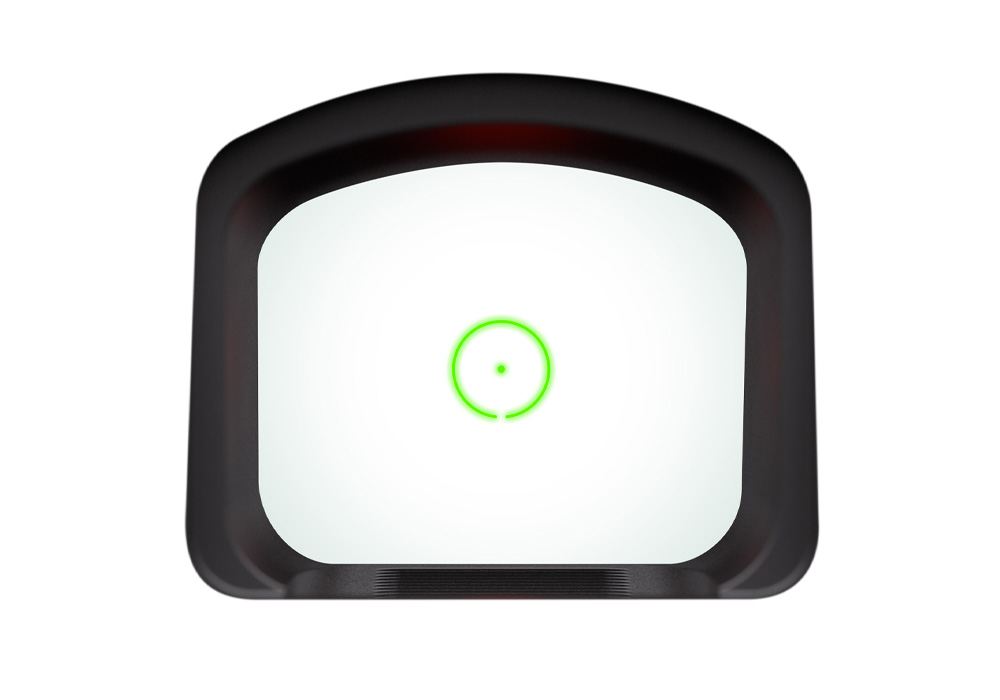
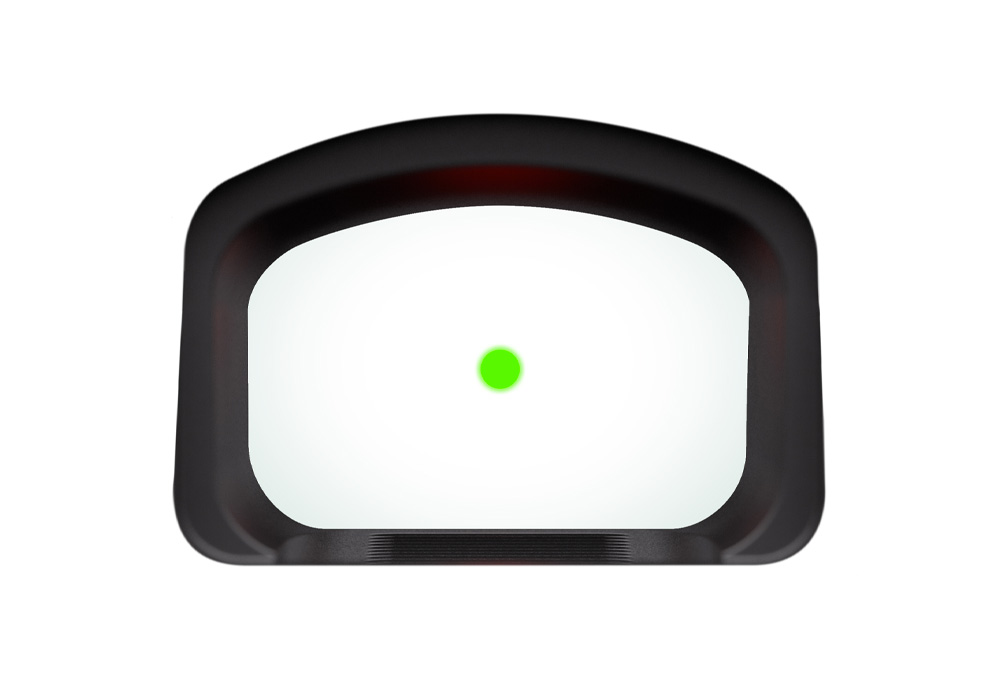
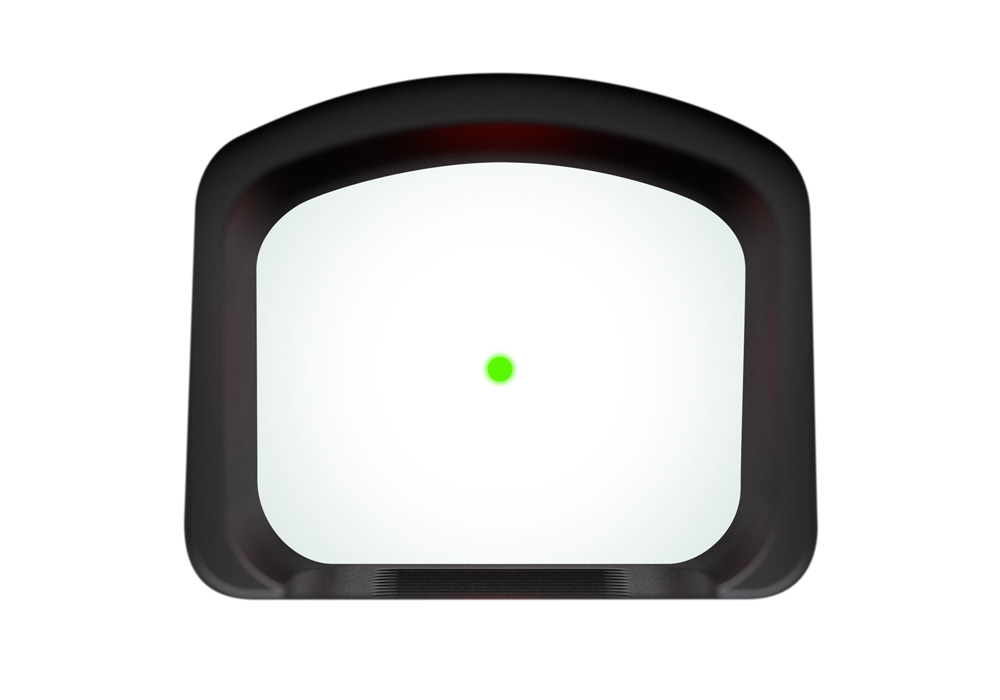
Choosing a green dot optic starts with the firearm and the way it will be used. Handgun owners should confirm the slide footprint, mounting plate, optic height, and compatibility with existing holsters or protective storage. A person setting up a long gun should verify the rail standard, the optic’s position relative to other accessories, and whether the sight picture works naturally with the stock or brace. Size and weight also matter: a compact optic may be well suited to a concealed-carry-size handgun, while a larger window can make the aiming point easier to find on a defensive carbine or shotgun. Reticle size involves a practical balance between speed and precision. A smaller dot can appear more precise at distance, while a larger dot may be faster to center at typical indoor ranges. Brightness controls deserve close attention. In daylight, a brighter setting can help the reticle remain visible against sunlit backgrounds; in a dark room, excessive brightness may cause the dot to bloom, flare, or obscure the area around the intended aiming point. Automatic adjustment can be convenient, while manual controls give the user more direct control, and either system should be tested in the lighting conditions that matter most. Battery access, battery life, motion-activated illumination, and the presence of a backup or low-power mode are additional considerations. Shake-awake features can help conserve power by activating the optic when movement is detected, but they do not eliminate the need for scheduled battery checks. A closed-emitter design may appeal to users who want added protection from dust, lint, moisture, or household debris, while an open-emitter design can offer a broad viewing window and a streamlined profile. People with astigmatism should look through the optic before purchase whenever possible, since an illuminated dot may appear crisp to one shooter and starburst-shaped or distorted to another.
A green dot optic can be a thoughtful gift for an experienced shooter who already knows the firearm, mounting pattern, and reticle style that fit their needs, but it is rarely a good surprise purchase without those details. Compatibility is too important to guess, and a gift recipient may have strong preferences about window size, controls, battery placement, or enclosed versus open construction. For a new firearm owner, professional instruction and supervised practice should come before relying on an optic for defensive use. The shooter should spend time mounting the firearm safely, presenting it from a secure ready position, finding the dot without hunting for it, and confirming that the optic remains properly zeroed after installation. Practice should include daylight and lower-light settings, because an aiming point that looks excellent on a bright range may behave differently in a darker home environment. It is also wise to periodically inspect the mounting screws, confirm that the optic has not shifted, clean the lens with appropriate materials, and replace or recharge the battery according to the manufacturer’s recommendations. Green dot sights can also serve well beyond home defense for range practice, informal drills, and precision work at appropriate distances; shoppers comparing those applications can explore Green Dot Sights for Target Shooting to find options suited to a different training emphasis. The most useful optic is the one that fits the firearm securely, presents a reticle the shooter can see clearly, and supports calm, repeatable handling. With responsible storage, consistent training, and thoughtful setup, a green dot optic can become a familiar part of a home-defense system rather than an unfamiliar accessory left unused until it is needed.