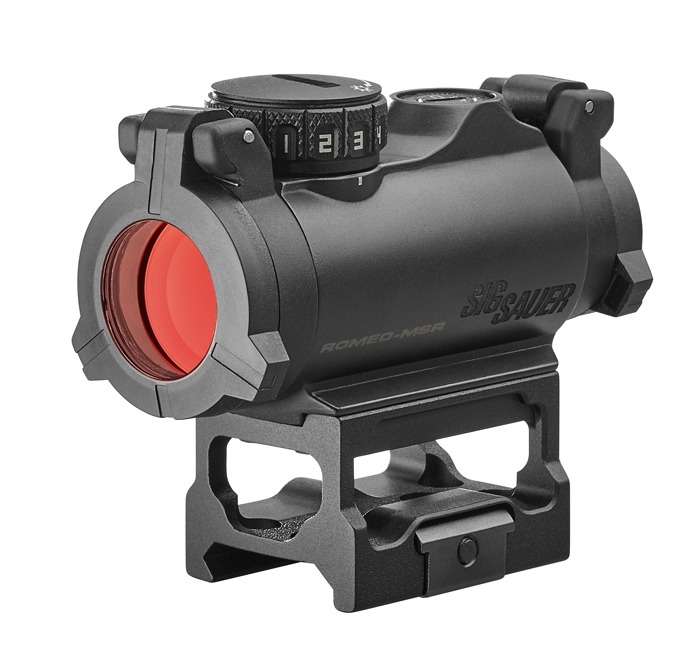
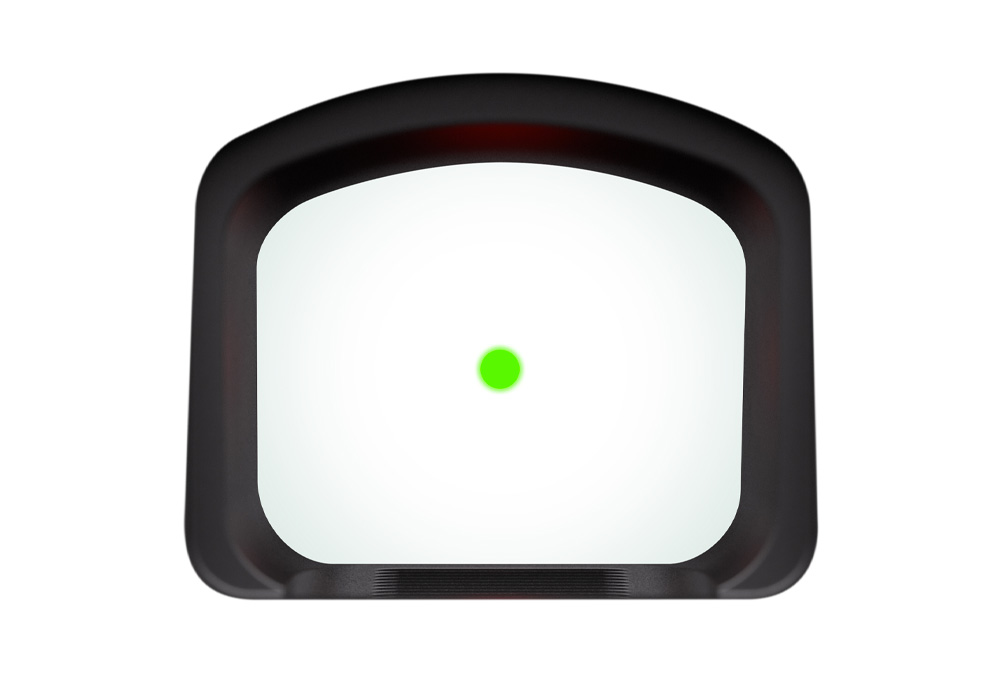
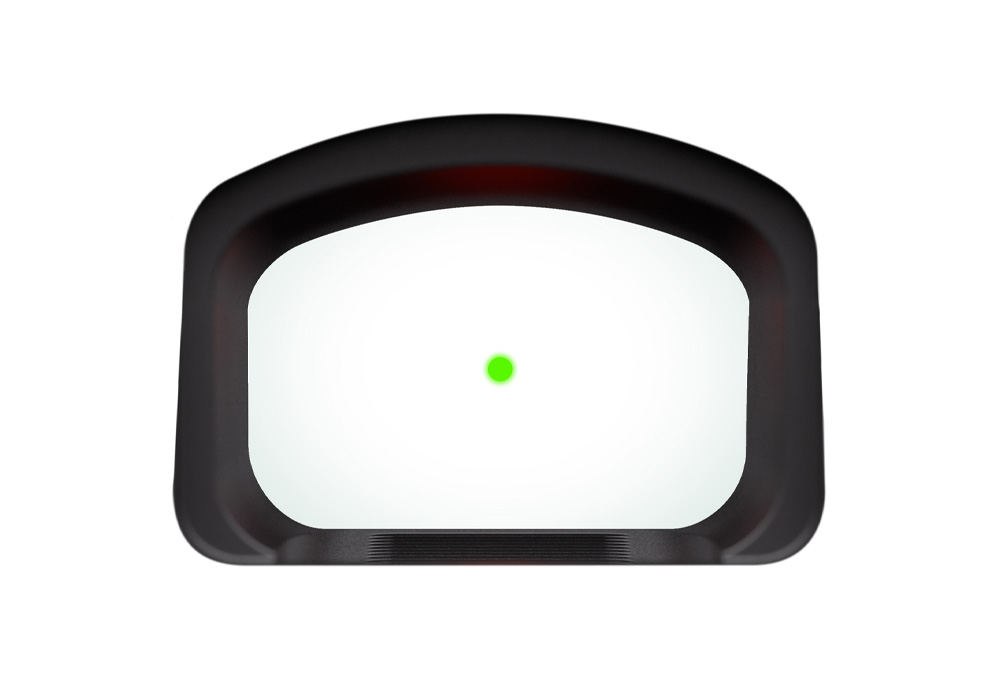
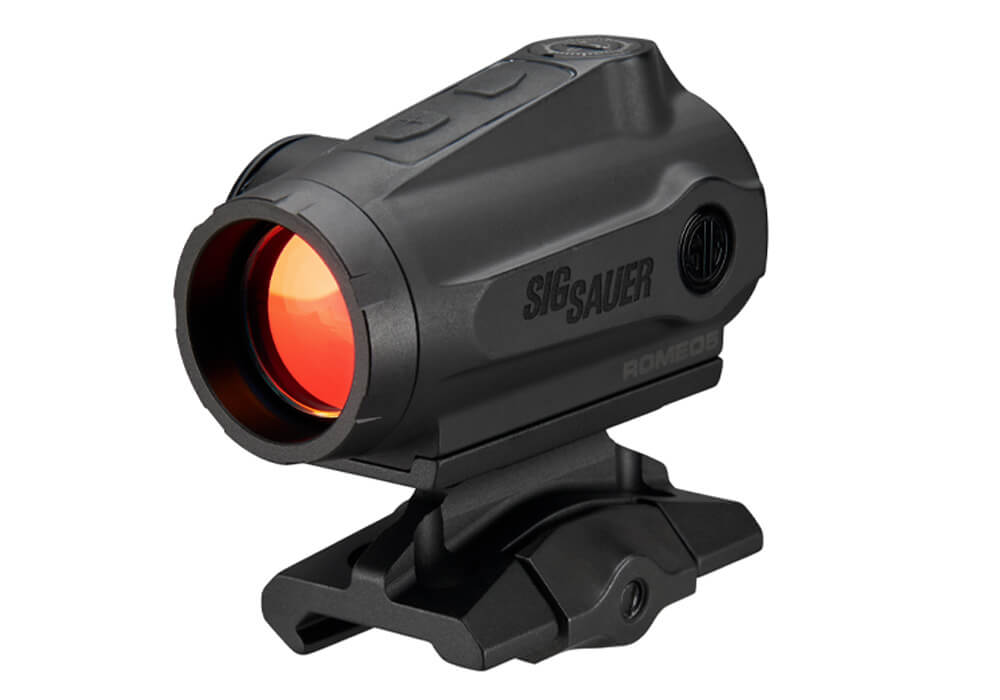
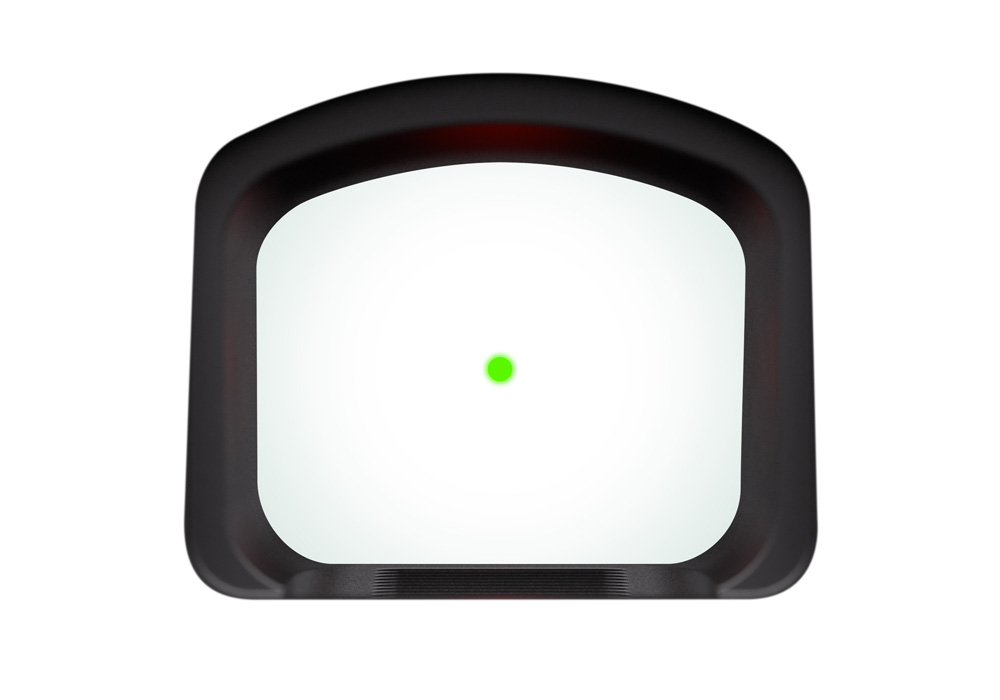
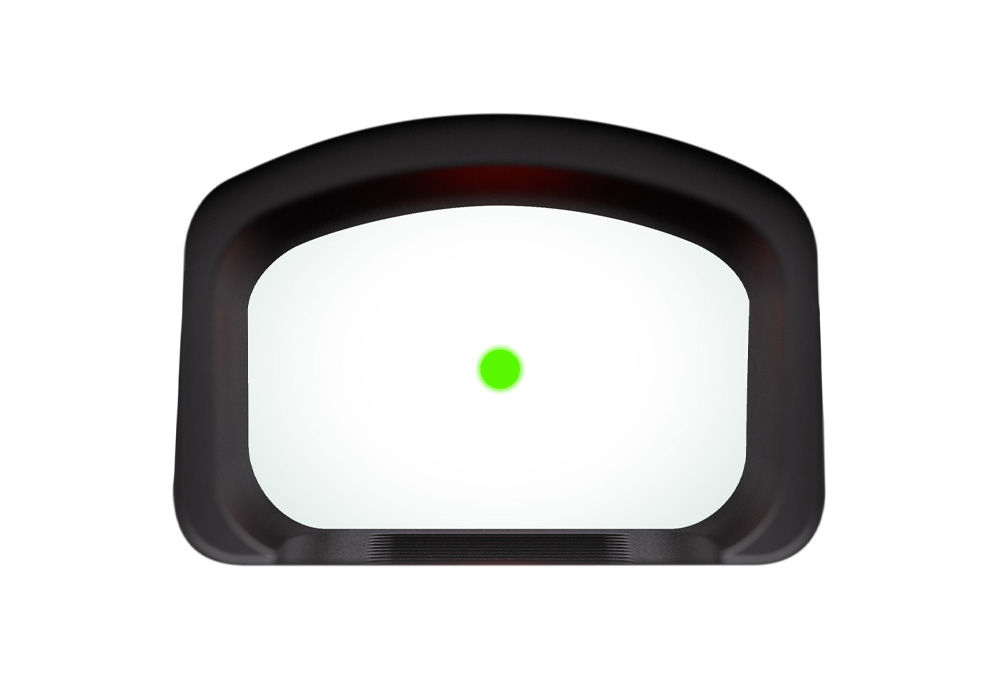
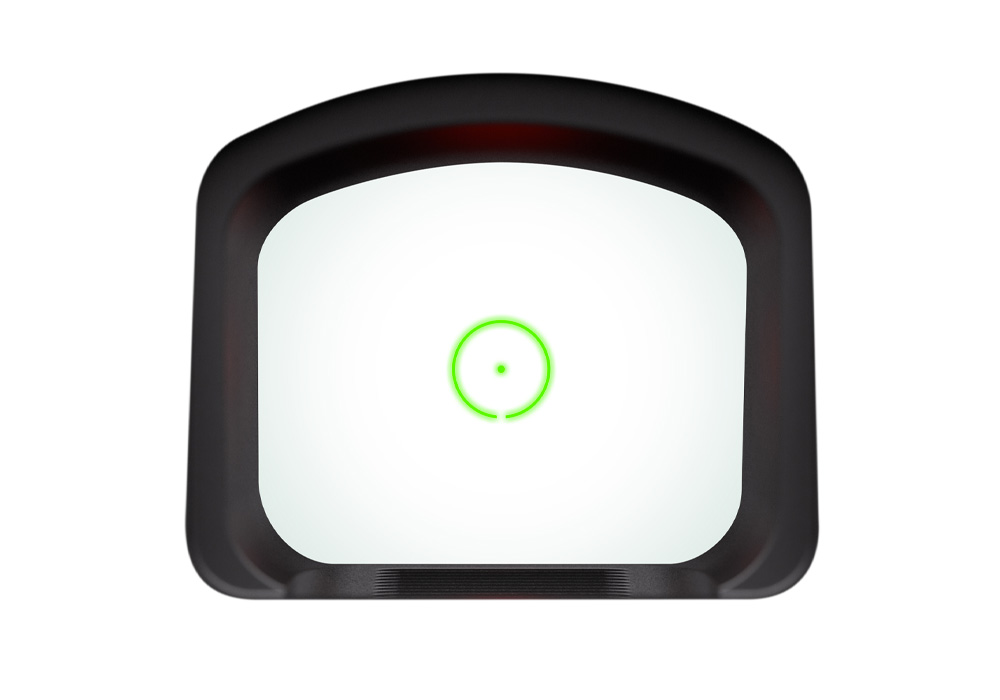
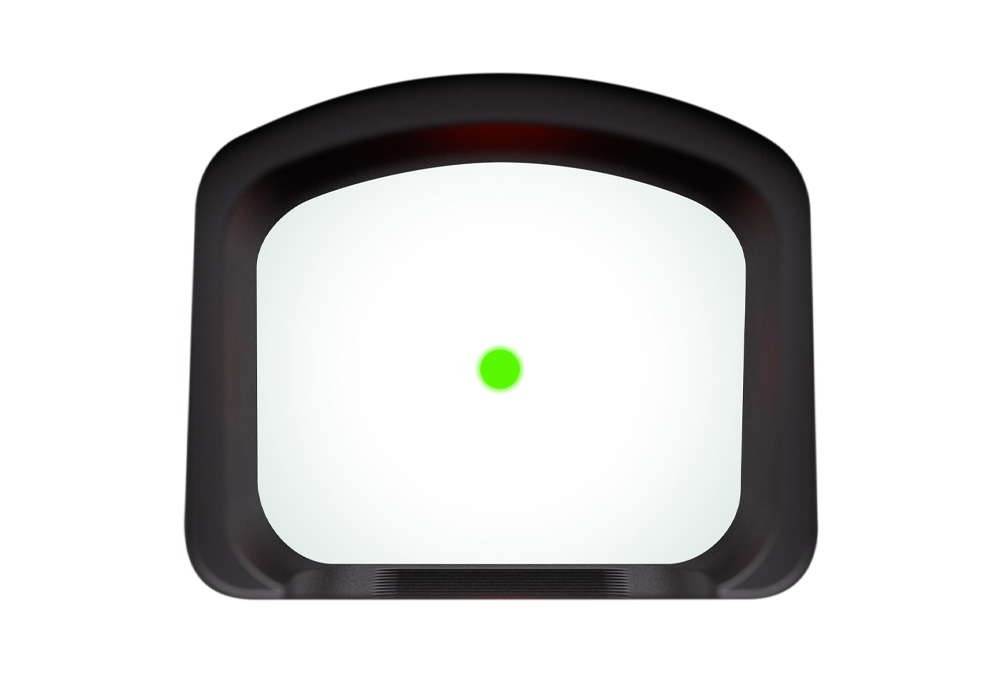
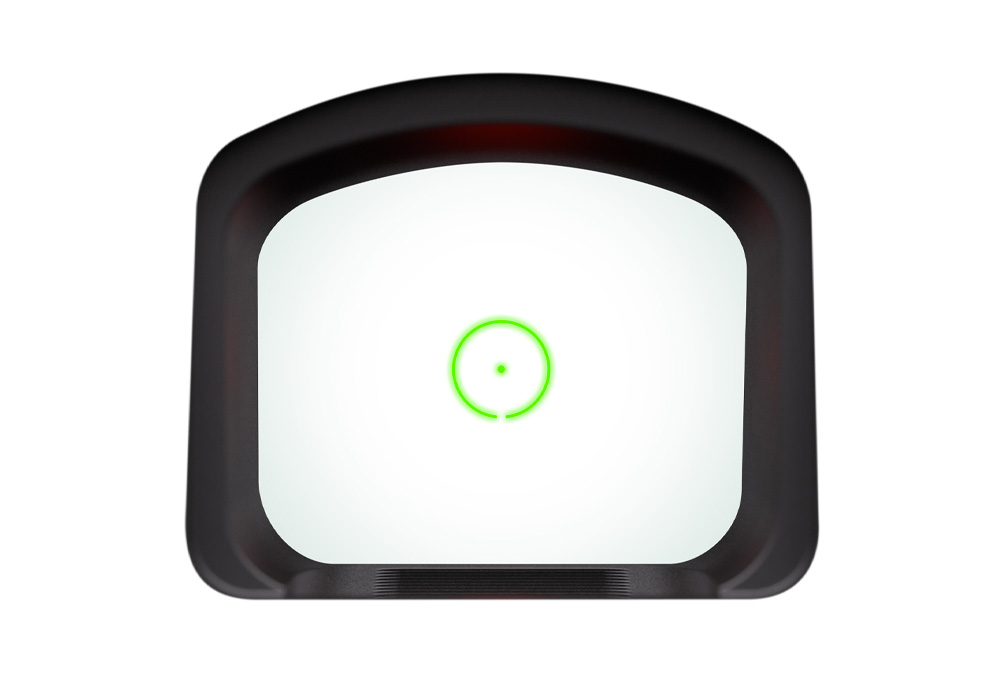
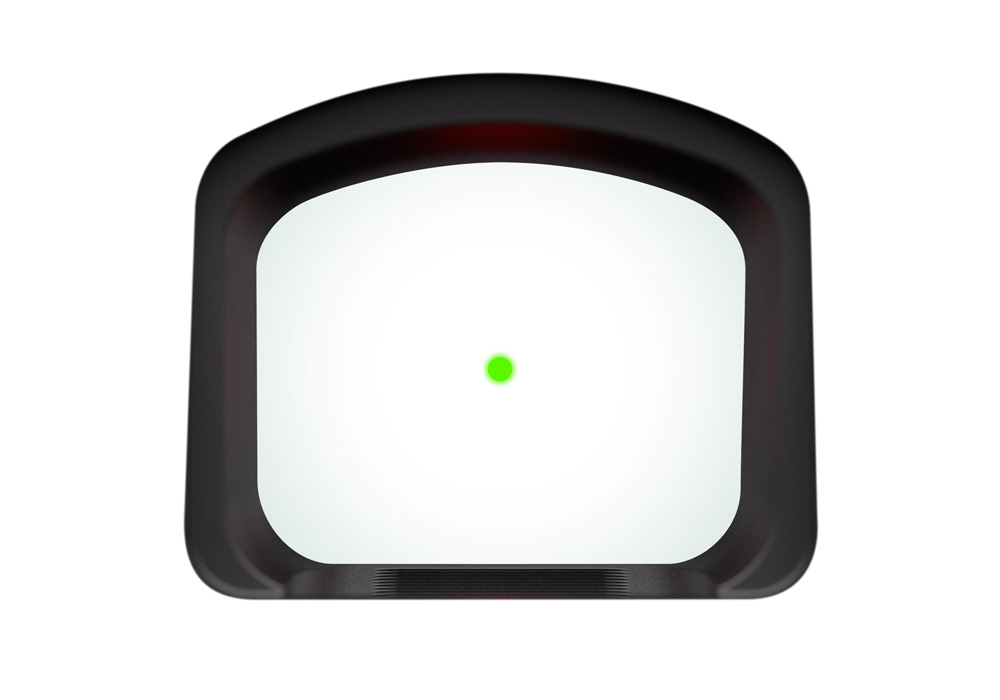
Green dot sights for target shooting provide an illuminated aiming reference that can be easy to distinguish against paper targets, steel plates, and varied range backgrounds. Rather than requiring the eye to align a front sight with a rear notch, a reflex sight presents a dot through a viewing window, allowing attention to remain on the target. Most sights in this category offer an unmagnified view, preserving a broad visual perspective for recreational range sessions and organized target competition. Green illumination appeals to many shooters because human vision is generally more sensitive to green wavelengths than red wavelengths under well-lit conditions. That sensitivity can make a green aiming point appear bright and noticeable, although actual visibility depends on the optic, brightness setting, background, and individual eyesight. Green is not automatically sharper for every person, nor does it correct astigmatism. Some shooters perceive a cleaner green dot, while others still see streaking or a starburst. A useful sight picture depends on the interaction between the eye and the optic, not reticle color alone. Dot size is another important distinction within this category. A smaller dot can leave more of a compact bull’s-eye visible, while a larger dot may be easier to recognize during transitions between separate targets. Dot measurements commonly use minutes of angle, or MOA; a 2 MOA dot covers approximately 2 inches at 100 yards and proportionally less at shorter distances. The apparent size can look larger when illumination is set too brightly, creating a glowing halo instead of a defined aiming point. A useful brightness range therefore matters as much as maximum output. Whether the range session centers on measured groups from a bench or a sequence of distinct target shapes, a clearly defined green reticle offers a straightforward visual reference without adding unnecessary detail to the sight picture. The appeal is a clean view that supports deliberate practice, with enough adjustment to suit different targets and lighting environments.
Fit determines how well a green dot sight belongs on a particular target firearm. A pistol slide, a rifle receiver, and a rail-equipped target platform can require different mounting arrangements, even when the sights look similar from the outside. Footprint compatibility, plate requirements, screw specifications, and mounting height all deserve attention in the manufacturer’s documentation. A matching footprint alone does not establish that every included fastener is appropriate for every firearm. On a pistol, the optic’s dimensions and weight can also affect compatibility with the slide and any existing holster. On a rifle, mount height influences how naturally the sight meets the eye with a consistent cheek position. For shoppers narrowing the category to long-gun applications, Green Dot Reflex Sights for Rifles provides a related selection focused on that platform. Window size, housing profile, and control placement further distinguish the shooting experience. A generous viewing window can feel less confined when moving between targets, while a compact housing may suit a smaller firearm or a less bulky setup. Neither dimension tells the whole story: lens clarity, visible tint, edge distortion, and reticle definition all contribute to the view through the sight. Open-emitter and enclosed-emitter designs also present different practical considerations. An enclosed design surrounds the emitter within the optic’s housing, helping protect that light path from debris; an open design leaves the emitter area more exposed and benefits from attention to cleanliness. Battery access is another everyday detail with lasting importance. Some arrangements permit replacement without removing the sight, while others require removal and a subsequent check of the sight’s alignment with the firearm. Published battery-life figures depend on the stated brightness level and operating conditions, so they are best understood alongside the optic’s power-management features. Manual controls, automatic adjustment, motion activation, and setting locks can each influence how predictable and convenient the sight feels throughout a range visit. Accessible buttons and a clear indication of selected settings are especially welcome when a shooter alternates between several target presentations.
Durability in a target optic comes from the complete assembly: housing, lens protection, electronics, adjustment mechanisms, and mounting interface. Aluminum housings are common because they balance relatively low weight with structural strength, but material names alone do not establish how an optic will hold up. Housing shape, protective features, sealing, and the manufacturer’s stated testing standards provide context. Resistance to recoil and routine vibration matters even on a firearm used exclusively for target shooting, as does the ability to retain its established alignment through normal handling and transport. Protective lens coatings can support light transmission and simplify routine cleaning, though no coating eliminates the need for careful care. Dust and grit should be removed before the lens is wiped, using methods and cleaning materials approved by the manufacturer. Abrasive cloths, unsuitable solvents, and excessive pressure can damage optical surfaces or finishes. A protective cover or padded storage compartment helps keep range-bag debris away from the window, while periodic inspection can reveal loose hardware, residue around the emitter, or a battery approaching its service interval. These practical details matter during familiar range routines: unpacking at a shooting bench, moving between supervised shooting stations, and putting equipment away after the final target check. Green dot optics can suit adult newcomers learning under qualified instruction, established recreational shooters who prefer an illuminated reference, and competitors seeking a sight picture appropriate to their discipline. Competition rules may limit optic configurations, so intended match use belongs among the compatibility considerations. As a gift for an adult target-shooting enthusiast, an optic is most useful when the recipient’s firearm interface, preferred reticle, and intended use are already known. Thoughtful selection comes down to a clear aiming point, dependable construction, suitable controls, and a fit that complements the firearm rather than complicating it. Those qualities support enjoyable, repeatable range sessions without assuming that one reticle color or housing style will suit every shooter.