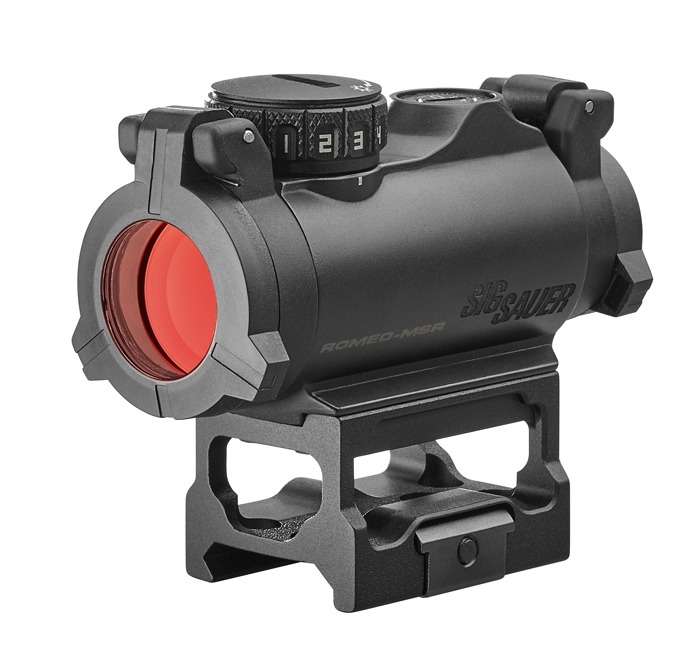
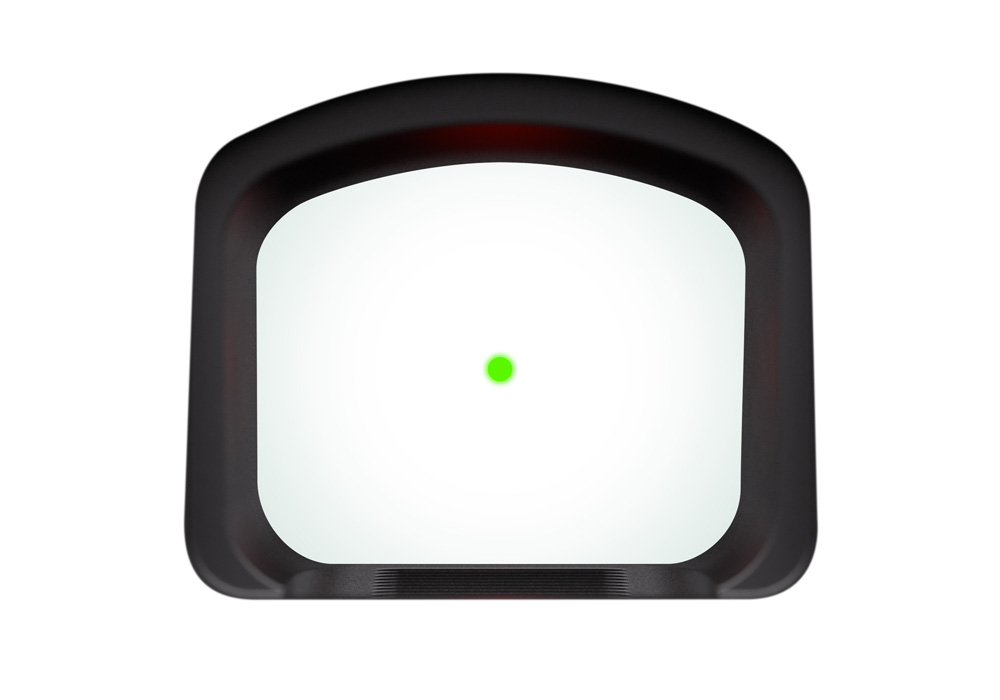
Green dot sights for competition shooting bring an illuminated aiming point, an open sight picture, and adjustable brightness to a category where visibility and consistency matter. Useful features to compare include window size, reticle definition, mounting compatibility, housing construction, and battery performance. A generous viewing window can feel less restrictive when the firearm is presented slightly off-center, while a smaller optic may suit a more compact competition setup. Green illumination can appear especially distinct to some shooters, but the clearest reticle color depends on individual vision, corrective lenses, ambient light, and the background behind the target. A green dot is not a universal solution for astigmatism, and a reticle that looks crisp to one person may appear streaked or irregular to another. Dot size also shapes the viewing experience. A smaller aiming point covers less of a distant target, while a larger point can be easier to distinguish at a glance. Neither choice replaces the importance of a clean window and brightness settings appropriate to the surroundings. Excessive illumination can create a distracting halo, whereas insufficient illumination can leave the reticle difficult to separate from a bright background. For competitors moving between indoor bays and outdoor ranges, a useful adjustment range matters more than a single impressive brightness claim. Clearly defined controls, predictable settings, and an unobstructed view all contribute to an optic that feels familiar throughout a match. Some designs offer a simple dot; others include additional reticle patterns that change how much visual information appears in the window. That choice is largely about preference, visual comfort, and competition rules rather than one pattern being inherently superior. For newer competitors, an uncomplicated sight picture may be appealing. Experienced match shooters may have more specific preferences shaped by their division, typical target distances, and existing equipment. The strongest choice is an optic whose dimensions, controls, and reticle suit the intended role without adding unnecessary complexity.
Construction and fit deserve as much attention as the illuminated dot itself. Competition optics often use aluminum housings, including 6061 or 7075 alloys, to balance structural strength with manageable weight. Alloy designation is only part of the durability picture: housing geometry, lens protection, surface finish, electronics protection, and mounting design also influence how an optic stands up to repeated range use. Hard-anodized finishes can help resist surface wear, while a protective frame around the lens provides a physical buffer during routine handling. Open-emitter designs leave the light source exposed within the optic, often supporting a relatively simple, lightweight layout. Enclosed-emitter designs surround that light path, helping shield it from dust, lint, and other debris. Either format still benefits from clean lenses and regular inspection. Window dimensions should be considered alongside the entire housing, since a broad outer frame does not necessarily mean a broad usable view. Lens coatings can influence reflection control, light transmission, and color appearance, and some visible tint may be part of the optical design rather than a defect. Fit begins with the firearm’s optic interface, the sight’s mounting footprint, and any required adapter plate. Similar-looking optics do not necessarily share the same mounting pattern, and compatibility should be confirmed through the relevant manufacturer documentation. Mounting height can also affect compatibility with existing sights and holsters. An optic that suits one competition pistol may be unsuitable for another platform, even when the window dimensions look comparable. Weight and overall length matter as well, particularly where division rules specify equipment limits. Before selecting an optic for sanctioned competition, the applicable rulebook is the best reference for permitted configurations. Battery access is another practical detail: a side-loading tray or top-access compartment may allow battery replacement without removing the optic, depending on the design. Published runtime figures should be read with their test settings in mind, since brightness level, operating mode, and battery type can substantially affect service life.
A competition sight also needs to fit the rhythm of match participation, from practice sessions to equipment checks before a scheduled event. Positive button feedback can make controls easier to distinguish, while recessed or guarded controls may help prevent unintended setting changes during normal handling. Automatic brightness adjustment offers convenience, but some competitors prefer manual control for a consistent reticle appearance against varied target backgrounds. Motion activation and automatic shutoff can help conserve battery life, although their timing and behavior vary by design. These features are most useful when their operation is familiar and compatible with the shooter’s routine. Straightforward care supports a clear sight picture: lens-safe cleaning supplies, a soft brush for loose debris, and attention to the manufacturer’s care instructions are more appropriate than abrasive materials or aggressive household cleaners. Protective covers can help keep lenses clean during transport, and a dedicated compartment in a range bag limits contact with loose tools and other equipment. Battery contacts, compartment seals, and mounting hardware also warrant periodic inspection according to the relevant documentation. For someone comparing reticle colors across similar equipment, Compact Red Dot Sights for Shooting Competitions offers a related category to consider alongside green illumination. Color preference should remain separate from questions of mounting fit, window size, and control layout, since those characteristics can matter just as much during regular use. A green dot sight can be a thoughtful gift for an established competitor, but only when the recipient’s platform, preferred footprint, and competition requirements are known. Guessing at compatibility can turn an otherwise useful accessory into the wrong fit. For club competitors, frequent practice shooters, and experienced match participants alike, the lasting appeal lies in a clear aiming point, durable construction, accessible controls, and a configuration that works with the rest of their equipment. Those practical qualities give green dot competition optics their value beyond any single specification.