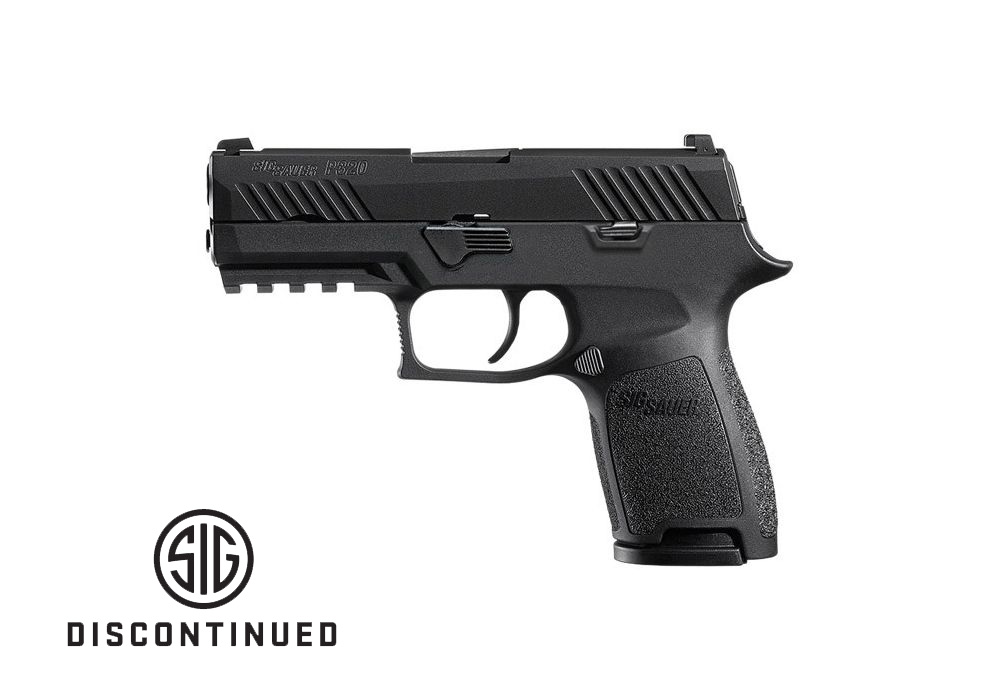
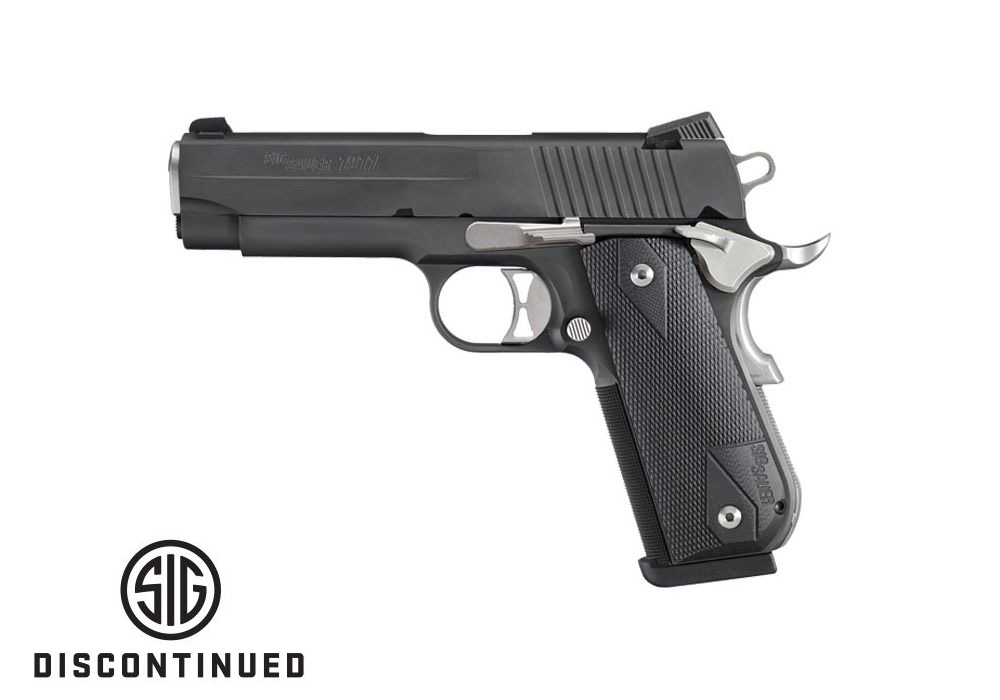
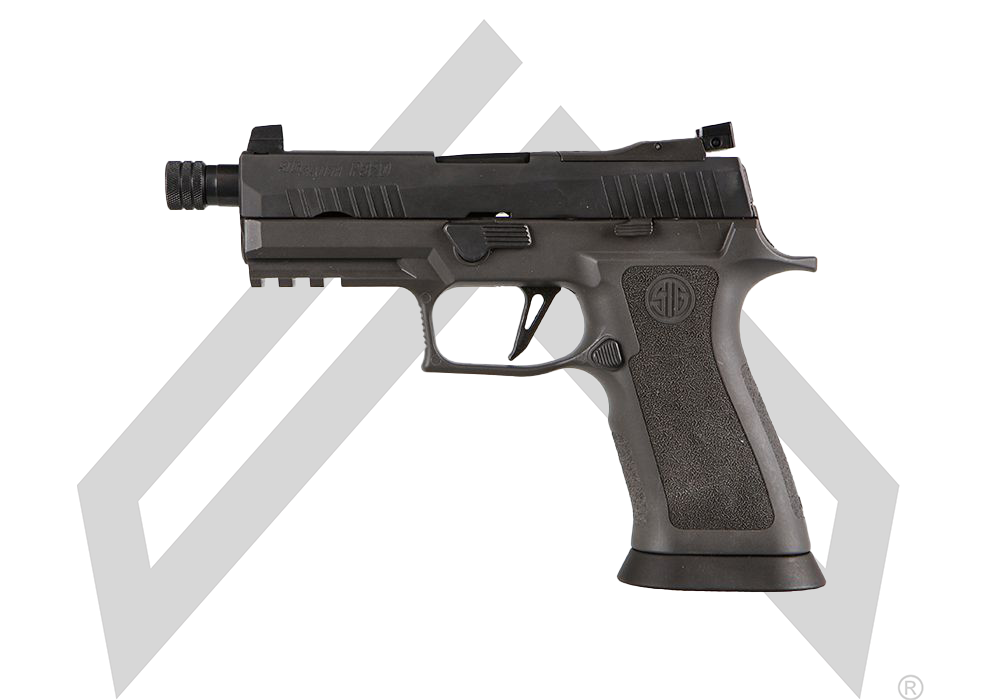
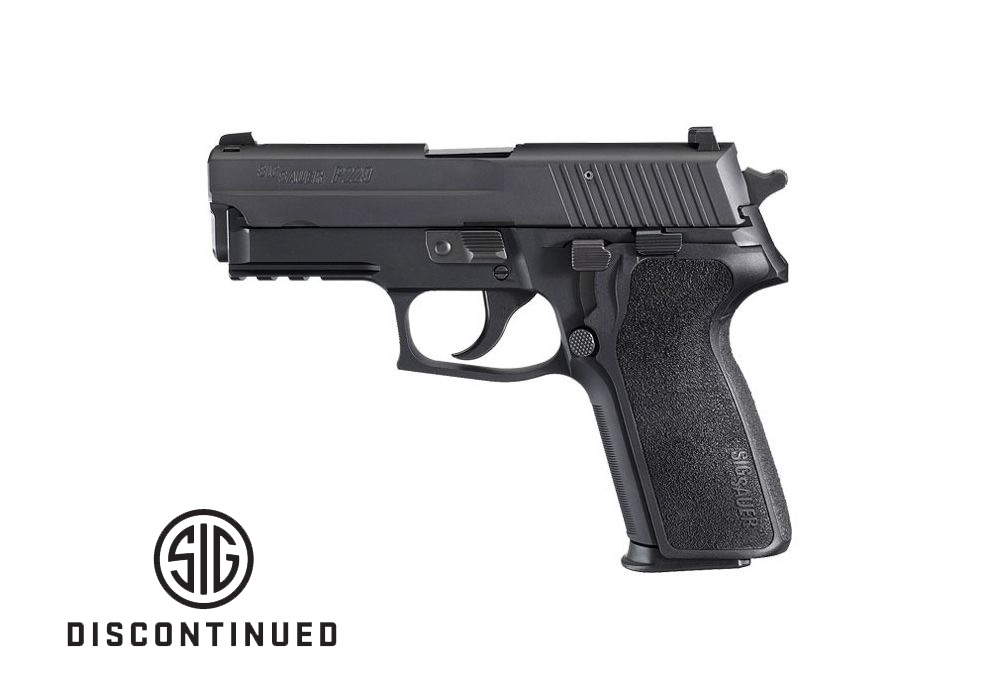
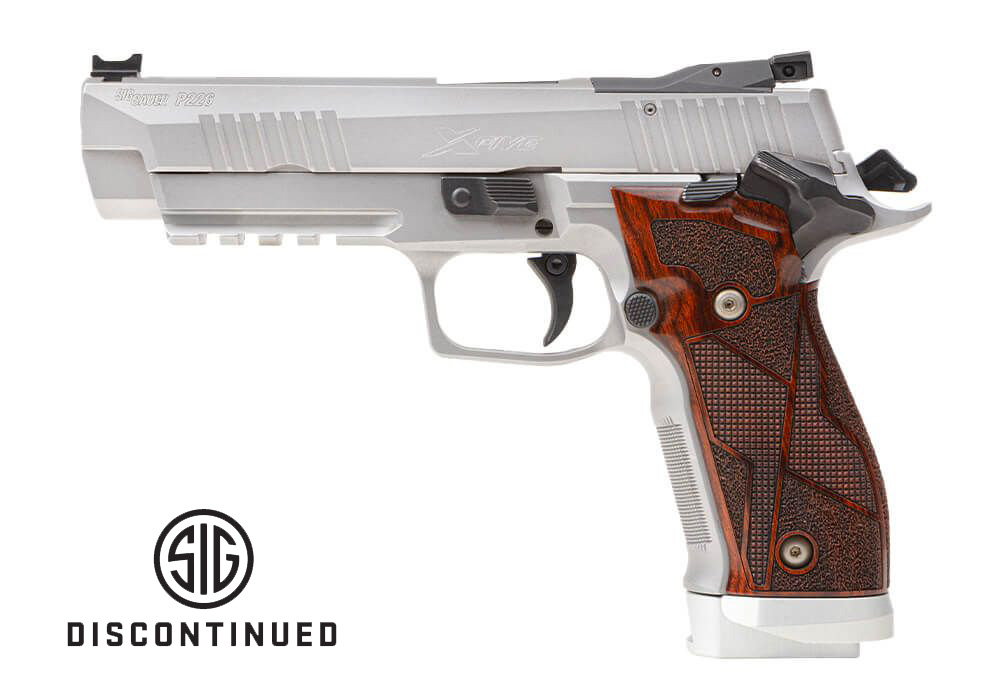
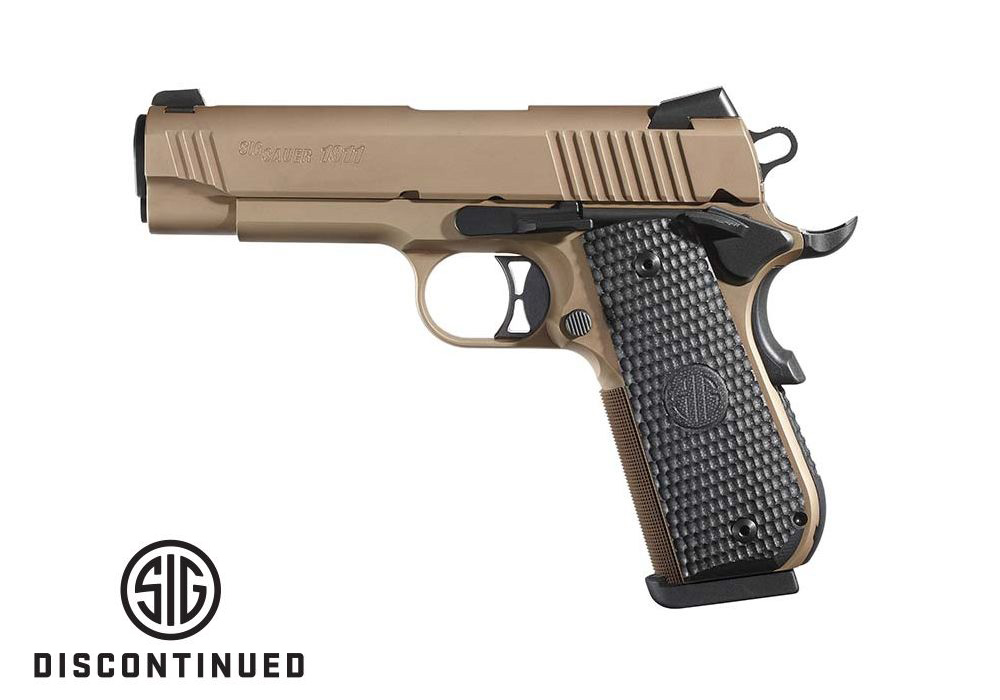
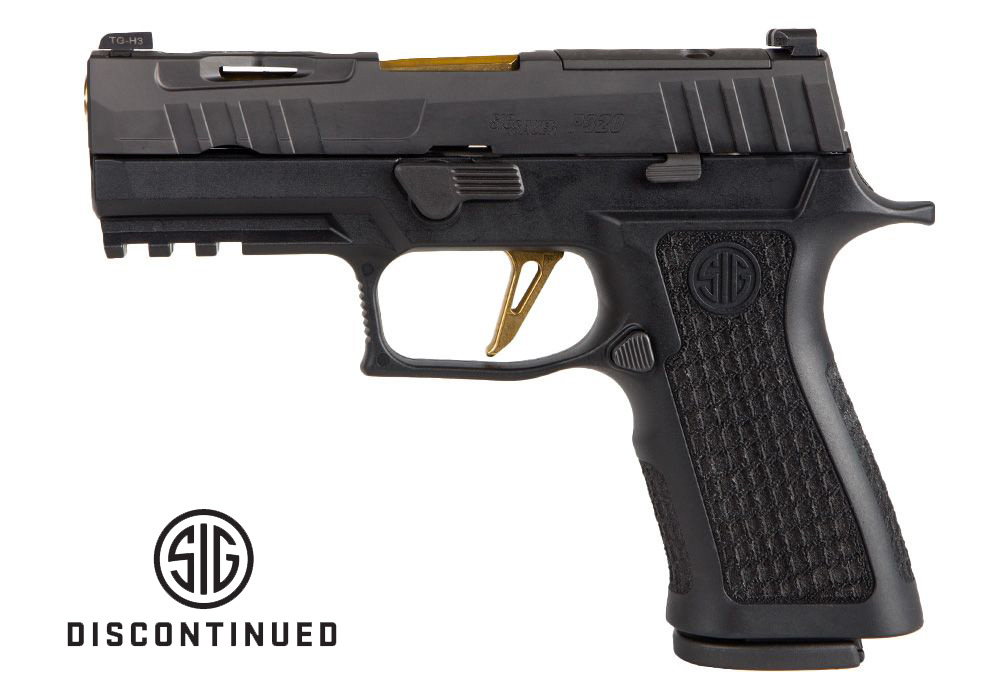
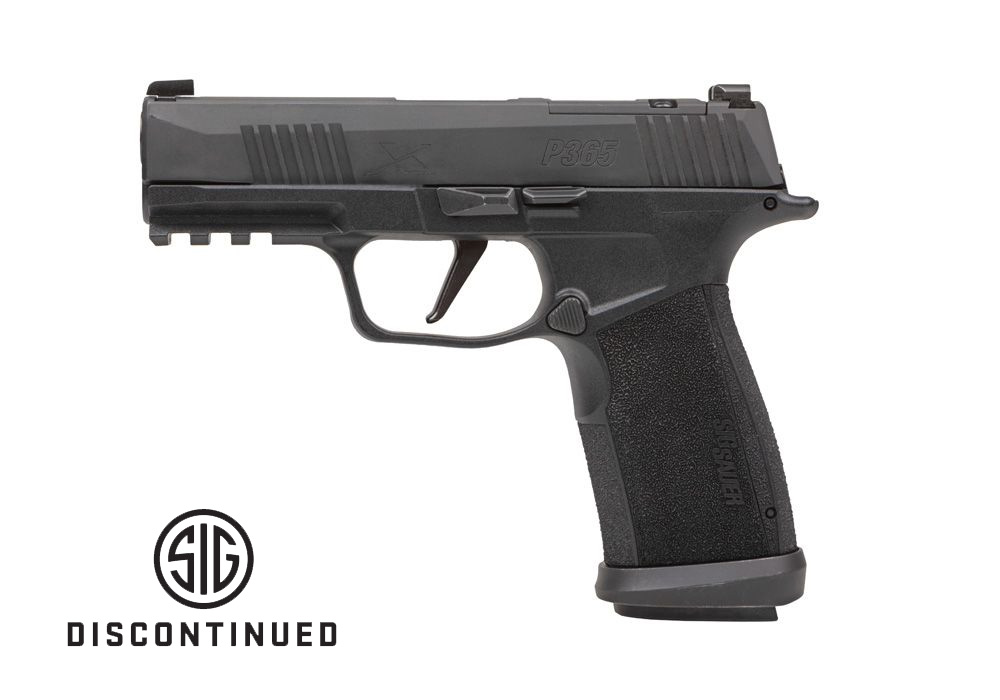
Compact pistols with classic design combine a smaller handgun profile with familiar lines, traditional proportions, and details associated with established pistol styling. A metal frame, an exposed hammer, distinct grip panels, or a neatly contoured slide can give a compact pistol that recognizable character, although no single feature defines the category. Some designs follow traditional hammer-fired layouts, while others pair contemporary operating systems with metal construction and understated finishes. The appeal is both visual and practical: a shorter grip and barrel can reduce overall bulk compared with a full-size pistol, while thoughtfully shaped controls and gripping surfaces help preserve a comfortable, usable feel. Compact does not mean the same dimensions across every design, and a pistol that feels balanced in one person’s hand may feel crowded in another’s. Classic styling also need not mean an exact reproduction of an older handgun. Updated sights, revised grip textures, and contemporary protective finishes can sit naturally alongside familiar silhouettes. For shoppers who appreciate restrained detailing, the attraction often lies in the relationship between the parts: the sweep of the backstrap, the shape of the trigger guard, the alignment of the grip panels, and the way the slide meets the frame. Steel and aluminum bring different handling qualities to that picture. Steel frames generally contribute more weight, while aluminum frames can offer a lighter alternative without abandoning the appearance of metal construction. Neither material alone determines quality, comfort, or suitability; dimensions, finish, engineering, and individual fit matter together. Finish choices further influence the character of a compact pistol, from a uniform dark surface to contrasting frame and slide tones. The related selection of Compact Pistols With Two Tone Design highlights another way familiar shapes can gain visual definition through contrasting finishes. Across these variations, classic design is best understood as a combination of recognizable styling and considered proportions, rather than a promise that every pistol shares the same action, controls, materials, or handling characteristics.
Fit becomes especially important when those familiar proportions are scaled down. A compact grip can be easier to accommodate in a suitable carry setup, but its length and circumference still need to support a secure, comfortable hold. Someone with larger hands may notice where the lower edge of the grip meets the little finger, while someone with smaller hands may find trigger reach more important than overall grip length. Grip-panel thickness, backstrap shape, and the placement of controls all contribute to that experience. A narrow-looking pistol is not necessarily the easiest to handle if its controls require an awkward change in hand position. Likewise, a textured surface should provide useful traction without creating uncomfortable pressure during extended range practice. Traditional wood panels offer warmth and distinctive grain, while synthetic panels and fiberglass-laminate materials can provide consistent texture and resistance to everyday wear. The details of each design matter more than the material’s name alone. Weight deserves similar attention. A heavier compact pistol may feel steadier during recreational target shooting, whereas a lighter frame may be more comfortable for lawful everyday carry; felt recoil depends on ammunition, grip, weight, and the pistol’s operating system together. Sights should remain easy to distinguish, with a clear relationship between the front and rear elements. A shorter sight radius can make small alignment differences more noticeable, so usable sights are more meaningful than decorative styling alone. Hammer-fired and striker-fired systems can also differ in trigger behavior and control layout, and classic appearance does not reliably identify how a pistol operates. Familiarity with the particular design is essential. For a person moving from a larger handgun to a compact one, the important comparison is not simply whether the new pistol looks similar, but whether its grip, sights, trigger reach, and controls remain comfortable and understandable. Holster compatibility adds another practical consideration: secure retention and complete trigger coverage depend on a holster intended for the particular pistol, not merely one described as fitting compact handguns.
Durability in a classic compact pistol comes from the interaction of materials, protective finishes, sound construction, and appropriate care. Metal surfaces can develop wear at contact points, especially with repeated holstering, and attractive finishes still benefit from routine attention. Aluminum and steel have different properties, but neither eliminates the need to follow the manufacturer’s maintenance recommendations. Grip panels also deserve consideration: wood can respond to moisture and cleaning chemicals, while textured synthetic surfaces can collect residue in their recesses. Care suited to the particular materials helps preserve both appearance and function. Cleaning and inspection should take place only after the pistol is confirmed unloaded, with ammunition kept away from the work area, and should follow the owner’s manual rather than assumptions based on another firearm. Recommended lubricants, compatible cleaning products, and the prescribed maintenance schedule are more useful than an improvised approach. A pistol intended for regular range use may need attention on a different schedule from one stored for longer intervals, but both benefit from periodic inspection. Secure storage is part of responsible ownership, with firearms locked against unauthorized access and ammunition stored separately. Intended use also shapes what matters most. For recreational target shooting, a comfortable grip, visible sights, and manageable handling can make repeated practice more enjoyable. For lawful concealed carry, overall dimensions, weight, secure holster fit, and familiarity with the operating system become especially relevant. A compact pistol considered for personal protection should be evaluated alongside training, safe storage, applicable laws, and the owner’s ability to handle it responsibly. Ammunition compatibility is specific to the firearm, and the marked chambering and manufacturer’s guidance take precedence over assumptions about similar-looking designs. These considerations apply equally to experienced owners drawn to traditional styling and newer adult shooters who value a familiar profile but still need supervised instruction. Classic compact pistols can offer enduring visual appeal without being treated as display pieces alone. Their strongest appeal is the combination of pleasing proportions, suitable materials, practical fit, and a design the owner understands well enough to maintain and use responsibly.