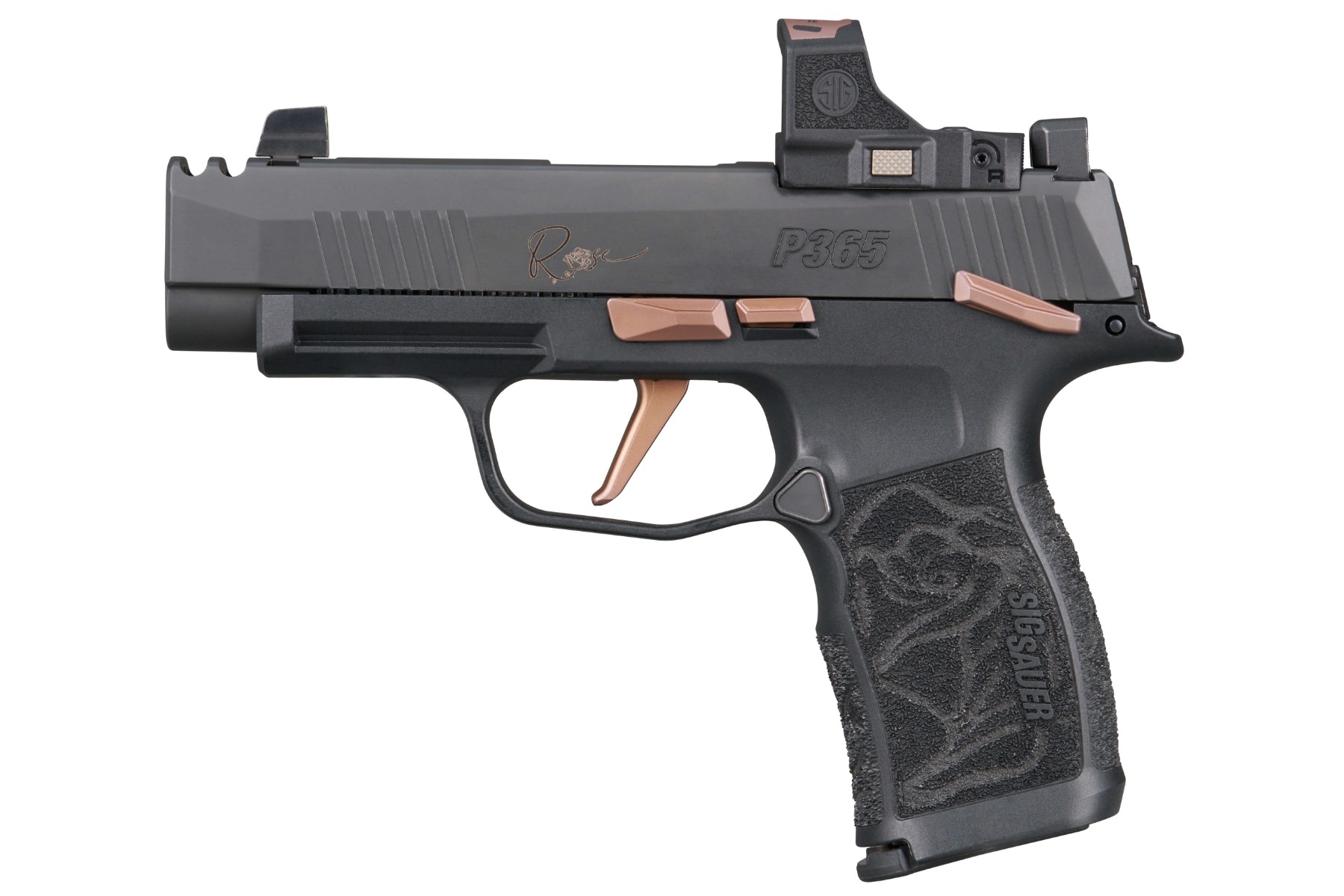
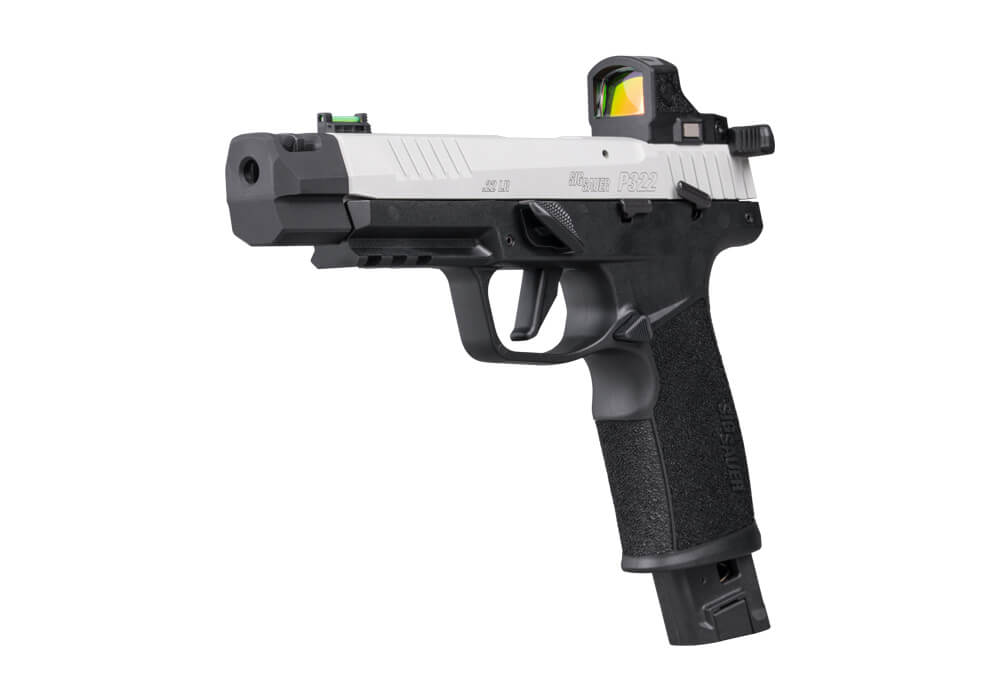
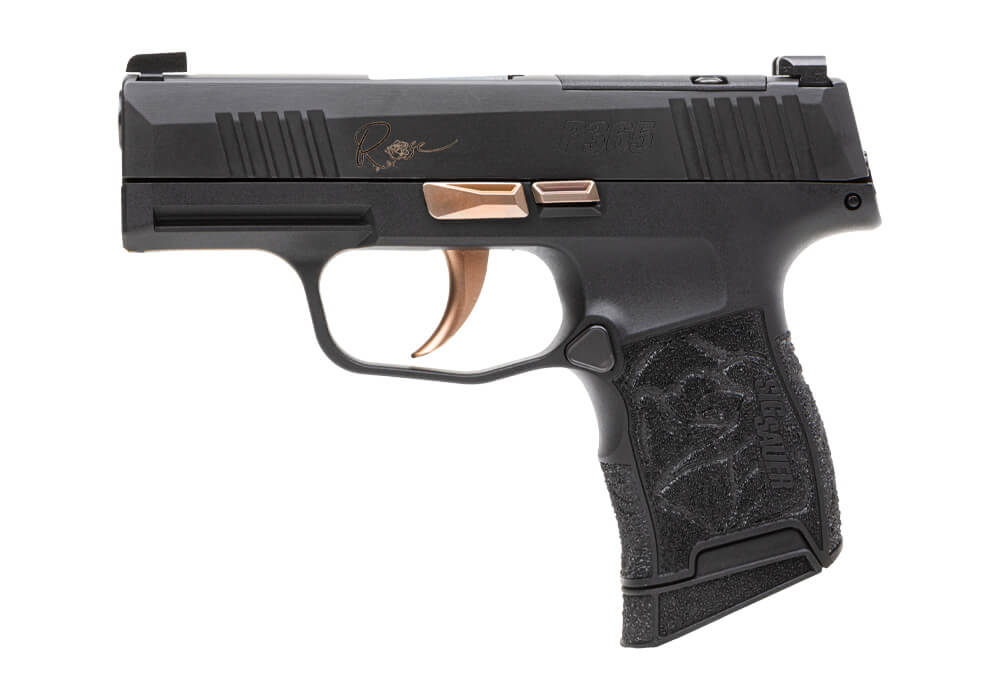
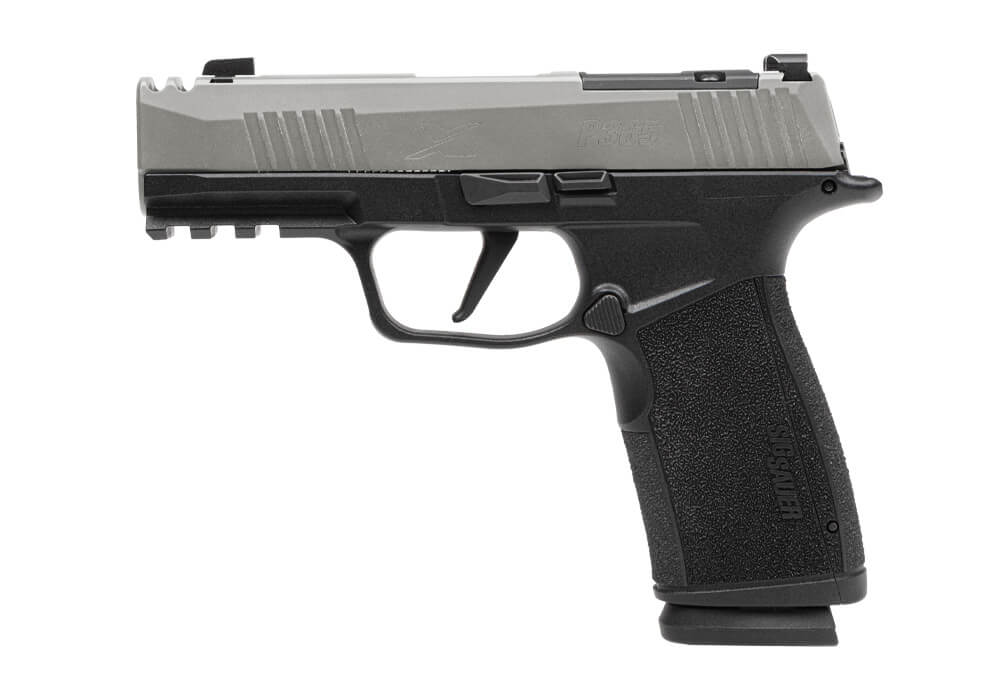
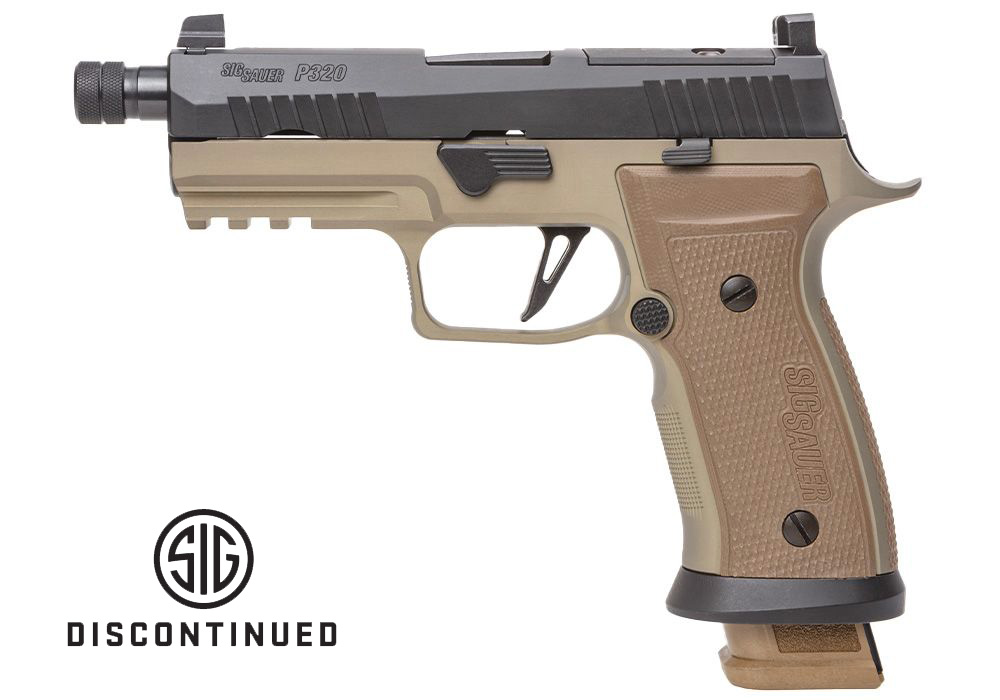
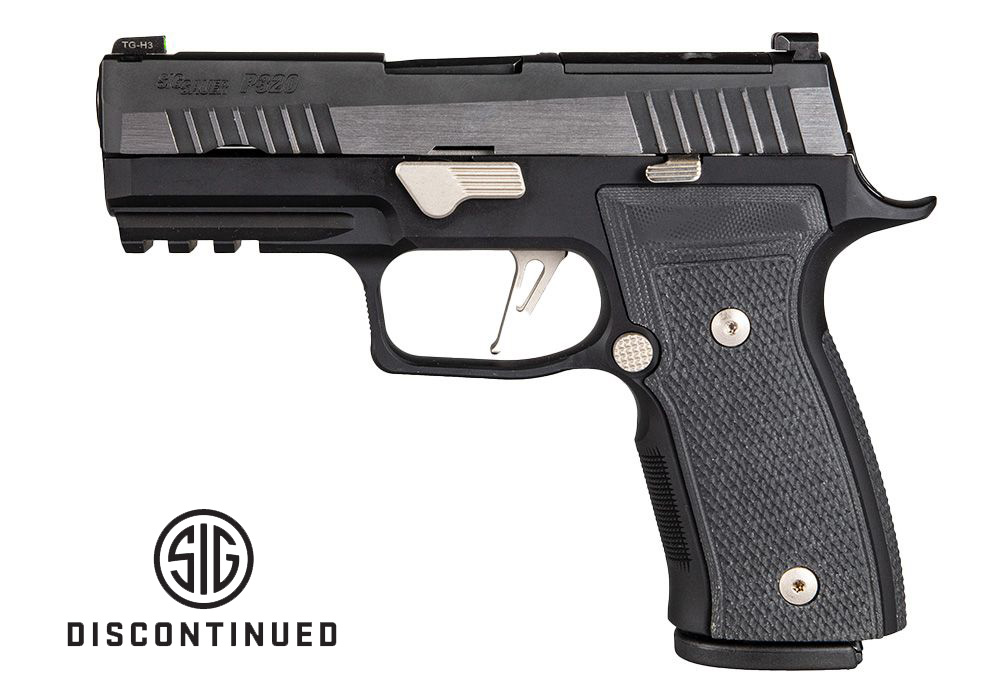
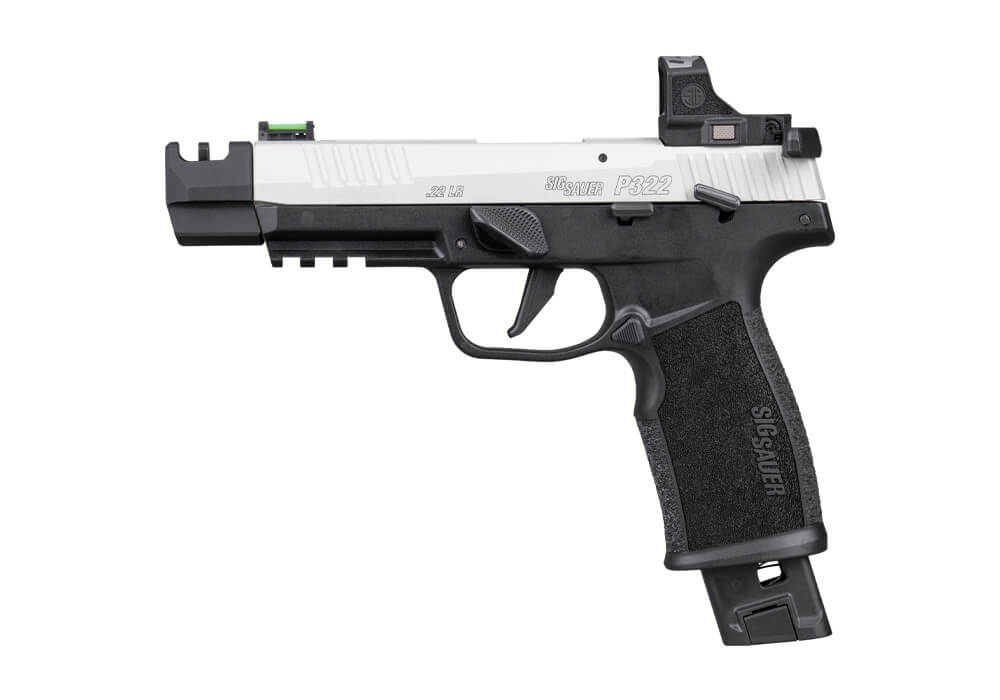
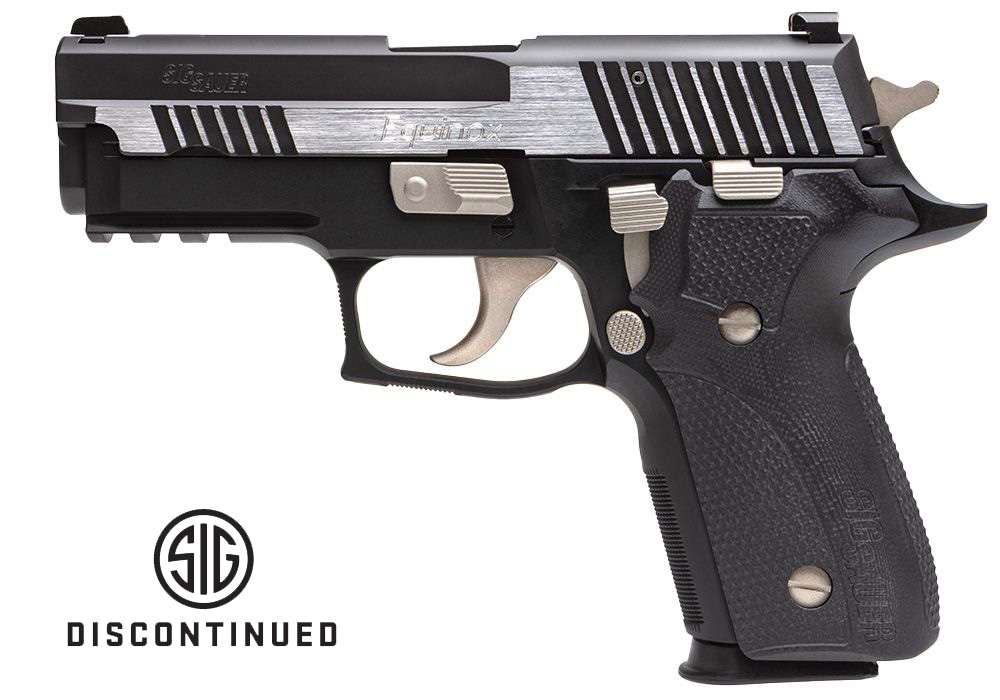
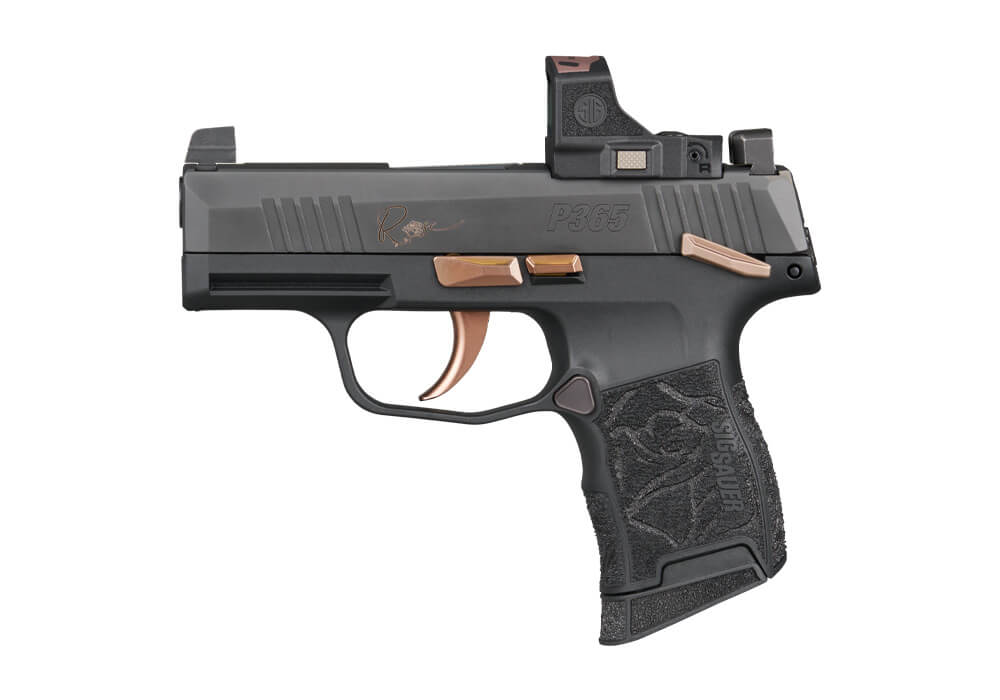
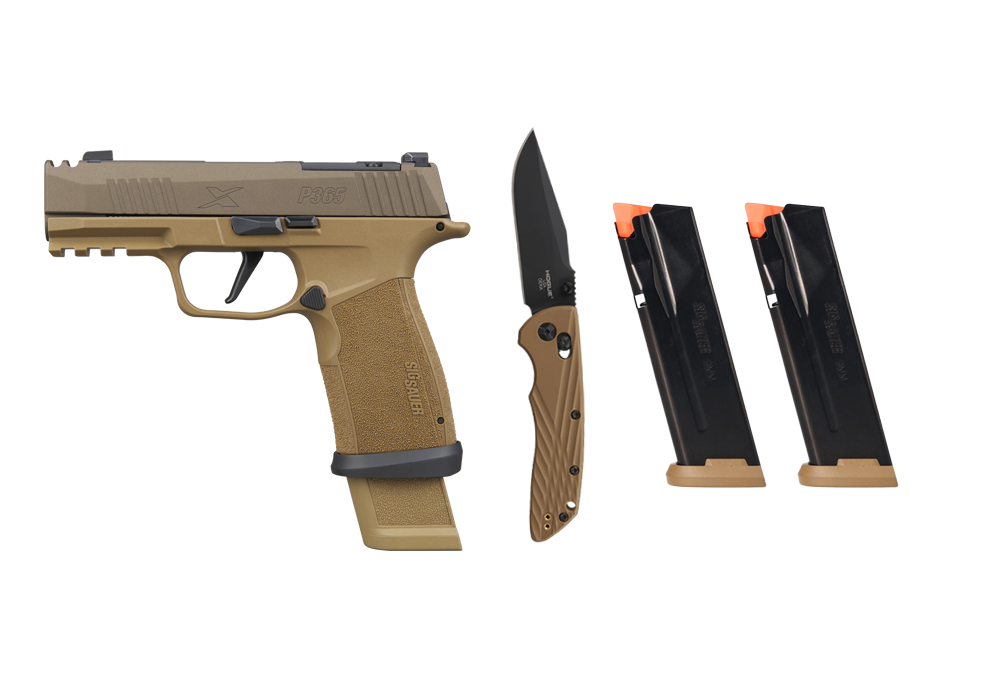
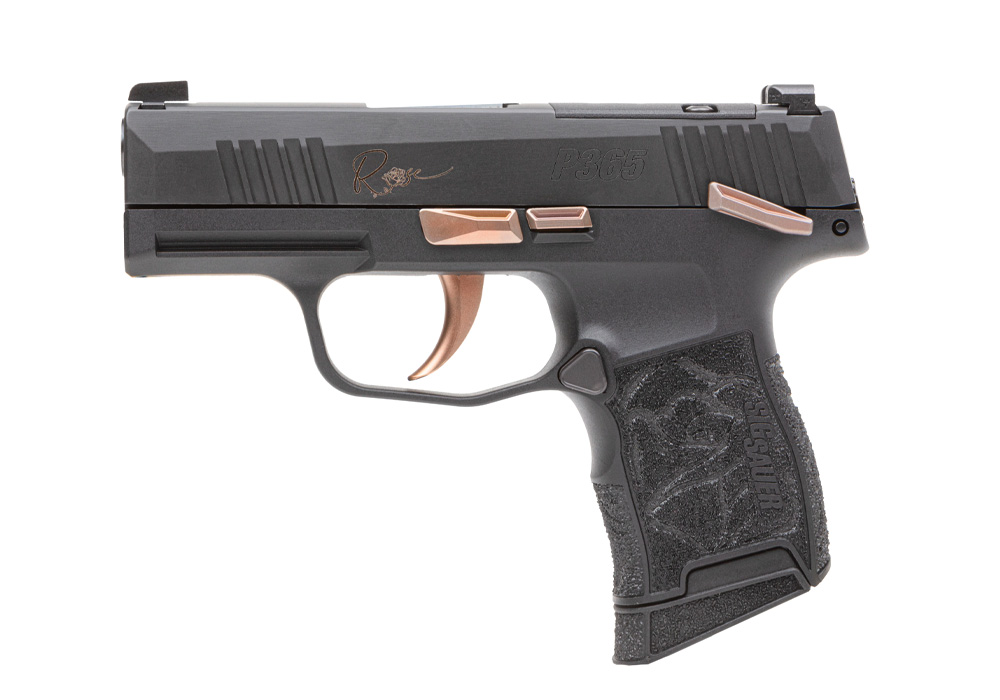
Compact pistols with two-tone design pair contrasting colors or finishes across the slide, frame, grips, or other visible surfaces. A silver-toned slide above a black frame is a familiar example, though the category also includes darker slides against lighter frames and combinations with contrasting grip panels. The appeal is straightforward: a smaller handgun with visual definition, where the outline of the slide and the shape of the grip remain distinct rather than blending into a single color. Two-tone describes appearance, not a particular operating system, chambering, or level of performance. Materials and finishes still deserve separate attention. A stainless steel slide can have a subdued, bead-blasted appearance or a more reflective surface, while a silver-colored finish does not necessarily indicate stainless steel underneath. Frames may use polymer, aluminum alloy, or steel, each contributing differently to weight, balance, and feel. Polymer frames often keep overall weight lower; metal frames can offer a different sense of heft in the hand. Neither color contrast nor a metallic appearance alone establishes durability or corrosion resistance. Those qualities depend on the underlying material, surface treatment, construction, and care. Compact proportions generally mean a shorter slide, barrel, or grip than a comparable full-size handgun, although dimensions vary and compact and micro-compact labels are not interchangeable across every design. The combination of reduced size and contrasting surfaces appeals to lawful owners interested in personal protection, regular range practice, or a collection with a distinctive visual character. For someone who appreciates restrained styling, a satin slide and dark frame can provide contrast without an elaborate decorative treatment. For another owner, textured grip panels or a contrasting frame may be the defining detail. The most useful distinction is between appearance and function: two pistols can share a similar color scheme while differing substantially in dimensions, controls, weight, and handling. The finish establishes the visual theme; the complete design determines whether the pistol suits its intended role.
Fit matters especially in a compact pistol because small differences in grip length, width, and contour can noticeably change how the handgun rests in the hand. A grip that feels comfortable at first may feel different once the position of the controls and the reach to the trigger are considered. Someone with larger hands may prefer enough grip length to support the little finger, while someone with smaller hands may find a slimmer frame more comfortable. Replaceable backstraps or grip panels can offer flexibility on designs that support them, but not every compact pistol includes those features. Grip texture also deserves attention beyond its appearance. An aggressive surface can feel secure during supervised range practice yet abrasive against clothing or skin during lawful carry. A smoother panel may feel comfortable but offer a different handling experience. Overall width, the shape of the backstrap, and the contours around the frame can matter as much as the measurements listed in specifications. Size should be considered alongside weight: a lighter pistol can be easier to carry, while a heavier compact design may feel different during shooting. Recoil characteristics depend on several factors, including the firearm, ammunition, and individual shooter, rather than color or size alone. Striker-fired and hammer-fired designs can both appear in this category, with different trigger characteristics and control layouts. Manual safeties, slide controls, and magazine releases likewise vary, making familiarity with the exact design important. Sights and any optic-compatible configuration should be evaluated independently of the two-tone finish; visual contrast between the frame and slide is not a substitute for a suitable sighting system. A compact handgun intended for lawful concealed carry also needs a properly fitted holster that retains the firearm and covers the trigger. For range-focused ownership, comfort, control familiarity, and an appropriate fit may take priority over the smallest possible dimensions. Hands-on evaluation through a qualified retailer or supervised range can help clarify these differences without treating appearance as a shortcut to suitability.
The lasting appeal of a two-tone compact pistol depends partly on how its surfaces age with use. Contrasting finishes can reveal wear differently: a bright slide may show fine scratches under direct light, while a dark frame or coating may show polished edges where it contacts a holster. These changes are not automatically signs of a functional problem, but visible wear should not be confused with an inspection of the firearm’s condition. A brushed, bead-blasted, or polished surface has its own character, and none should be assumed to be scratchproof. Stainless steel offers corrosion resistance, not immunity to corrosion, while protective coatings still require appropriate care. Perspiration, fingerprints, dust, and repeated handling can affect exposed surfaces, particularly on a handgun carried close to the body. Cleaning products, lubricants, and methods should follow the manufacturer’s instructions for the specific firearm and finish. Abrasive polishing or an unsuitable solvent can alter a surface that originally provided an even contrast. Grip materials warrant similar attention: polymer, textured composites, and wood panels may have different care requirements, and a treatment suitable for one material may be inappropriate for another. Routine inspection and professional service when needed support responsible ownership more reliably than judging condition by shine alone. Storage is equally important, with secure access control and attention to moisture helping protect both people and the firearm. Owners with children, visitors, or shared living spaces have particular reason to choose a secure storage arrangement that prevents unauthorized access. Beyond maintenance, two-tone styling offers room for personal preference without requiring a highly ornate handgun. It can suit someone seeking a familiar silver-and-black combination, a collector who values contrasting materials, or an experienced owner who wants a compact format with a distinct appearance. Those drawn more to traditional proportions and understated detailing can also explore Compact Pistols With Classic Design. Across either aesthetic, the strongest match brings together comfortable fit, suitable dimensions, understood controls, appropriate care, and a finish the owner appreciates over time.