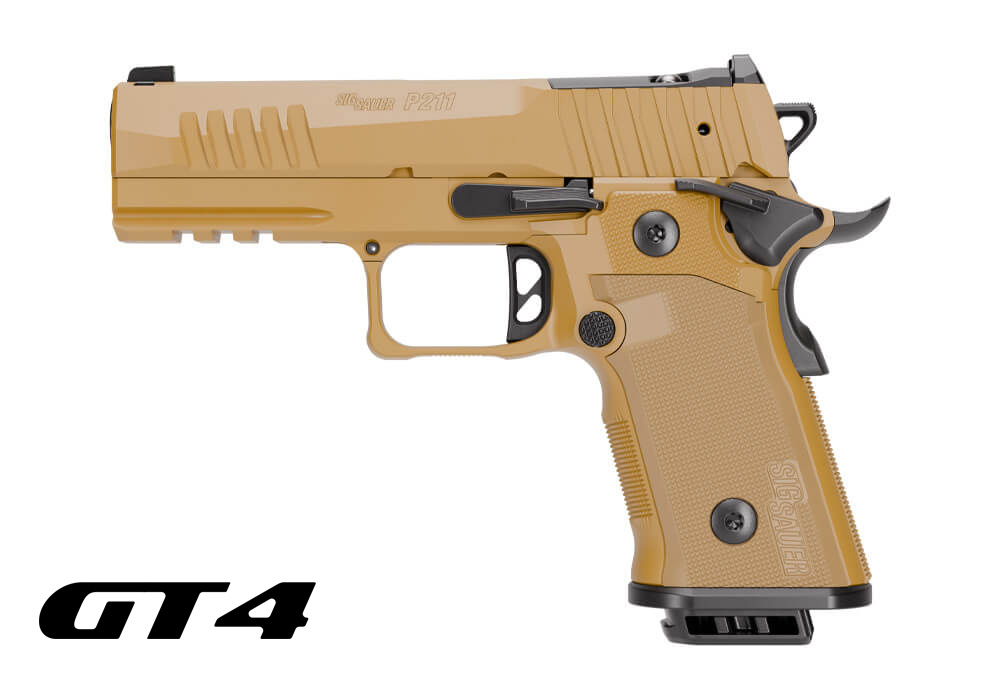
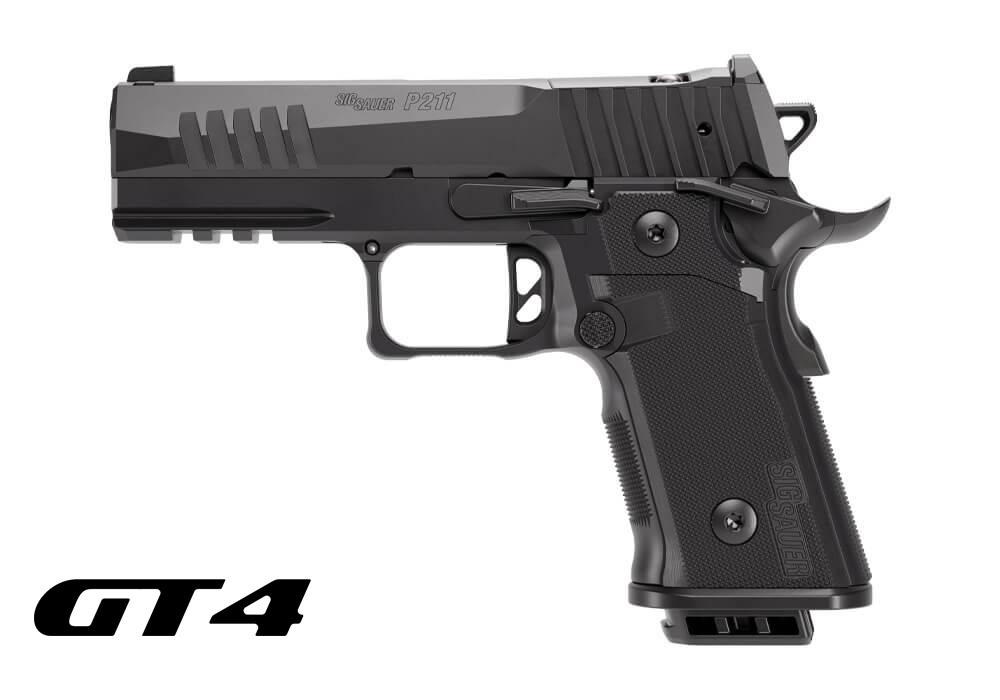
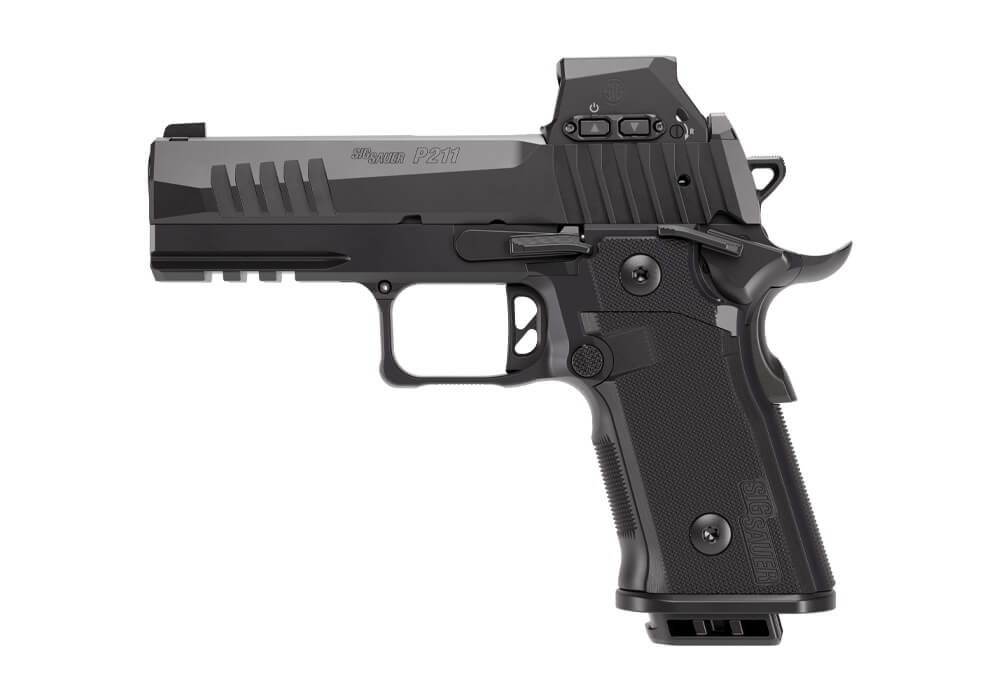
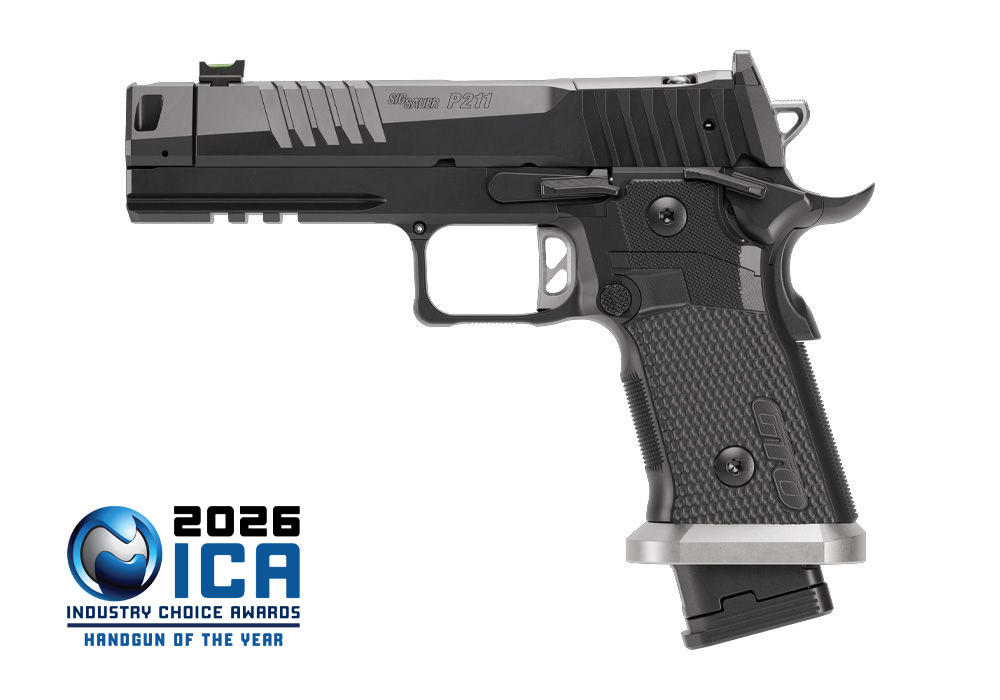
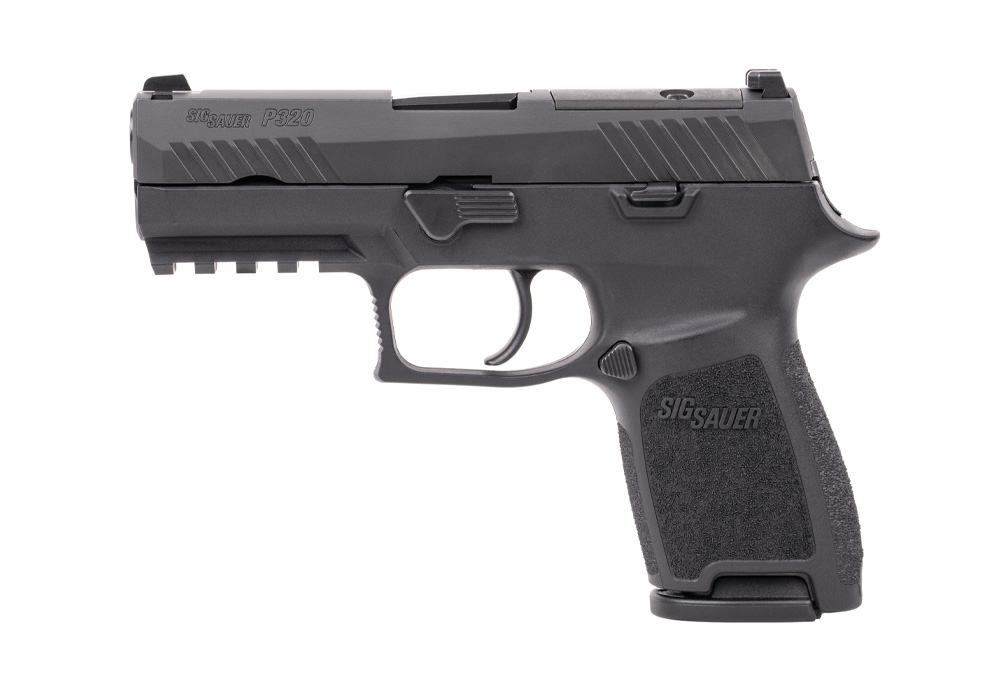
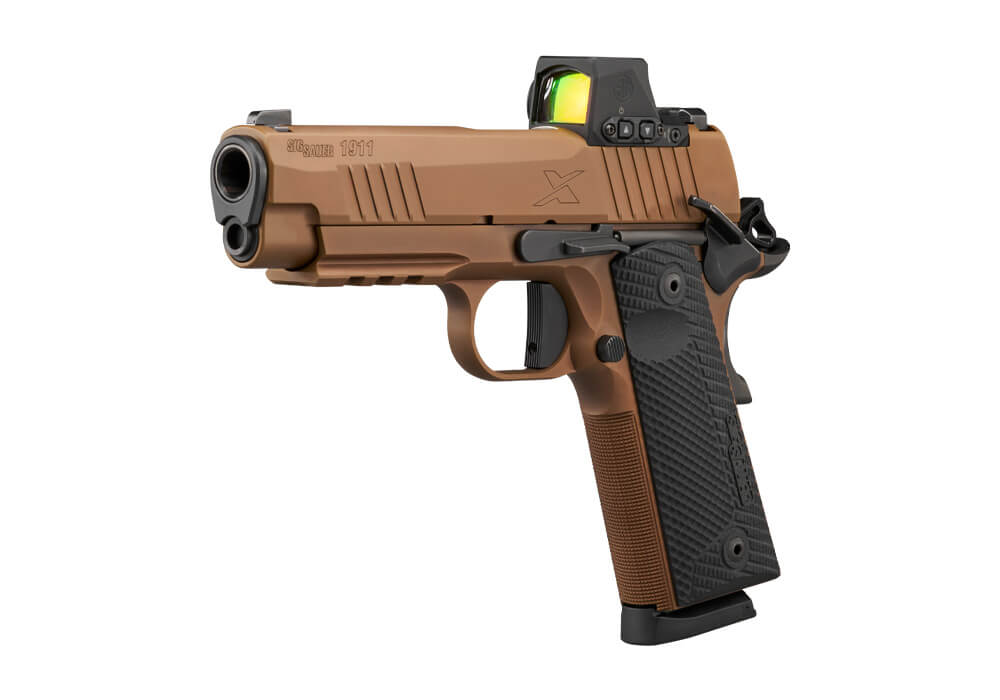
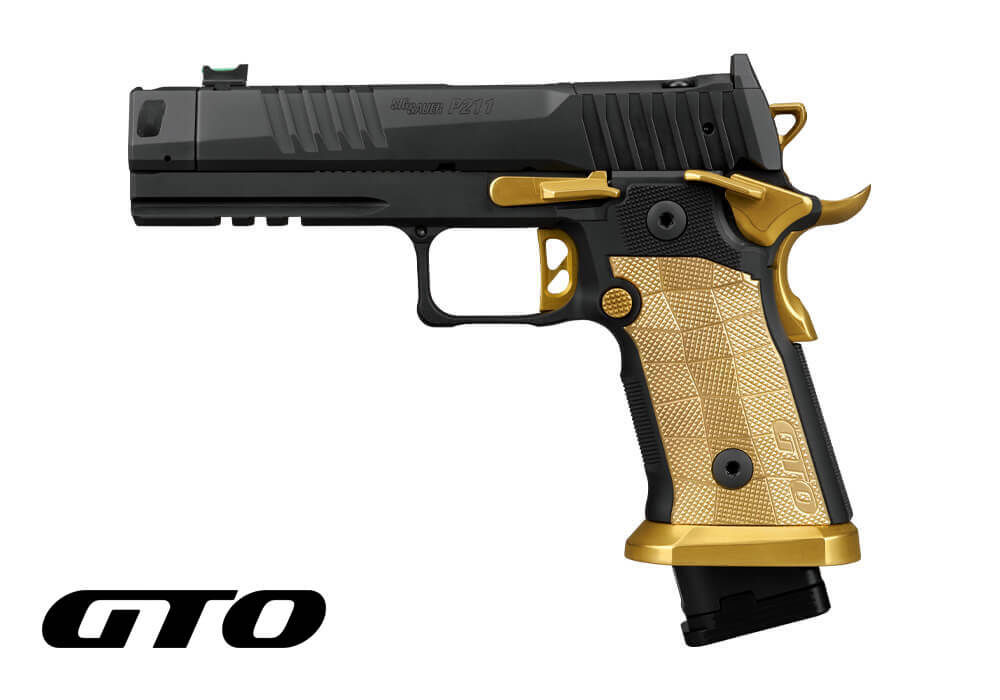
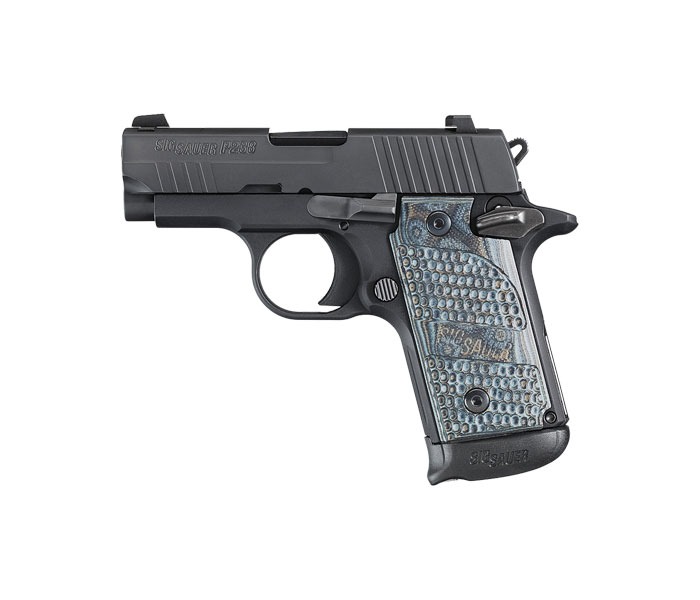
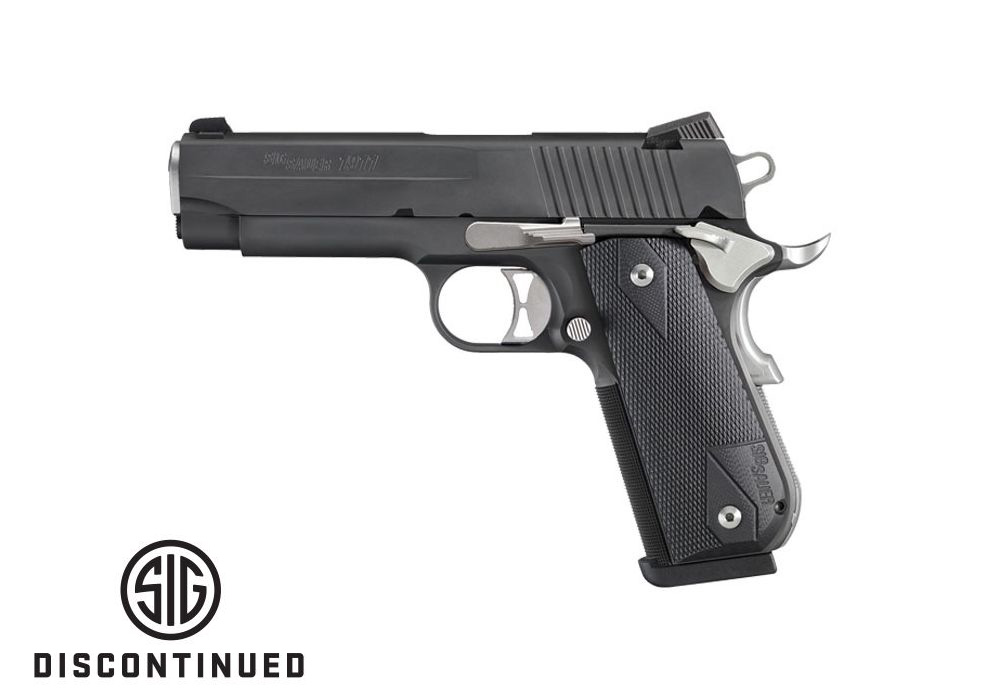
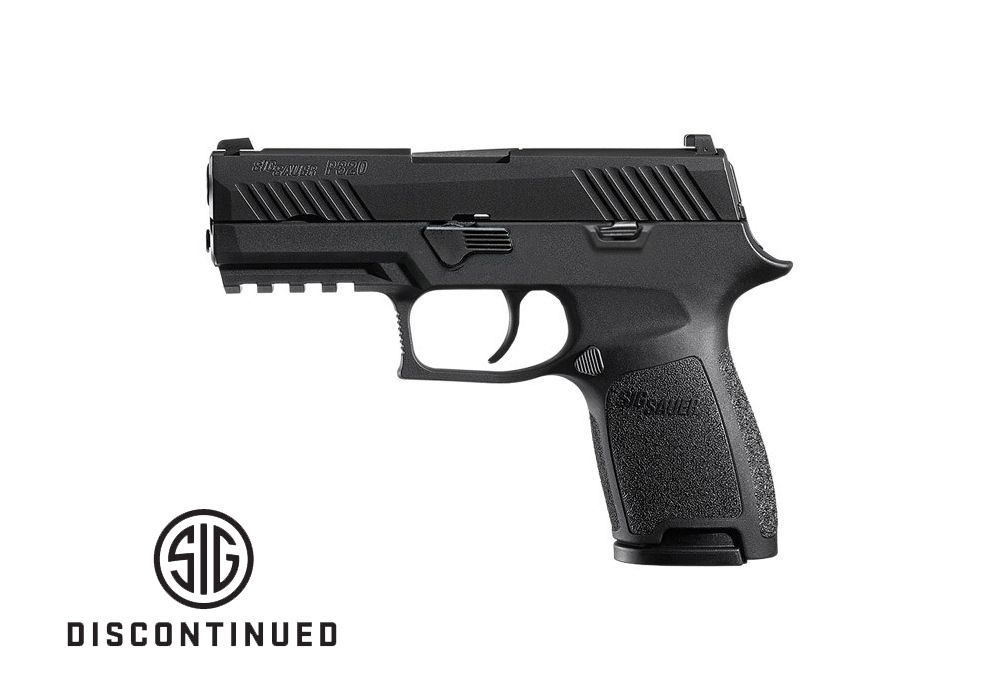
Compact pistols with hammer-fired design bring a classic operating system into a smaller, easier-to-carry format. Instead of relying on a striker, these pistols use a visible or internal hammer to initiate the firing sequence, giving the owner a clear mechanical reference and a familiar feel at the trigger. Depending on the configuration, the hammer may be paired with a double-action/single-action system, a single-action-only trigger, a manual thumb safety, or a decocking lever. A DA/SA pistol typically begins with a longer, heavier first trigger press and follows with a shorter, lighter press for subsequent shots, while a single-action-only design generally provides a consistent trigger feel after the hammer is set. These differences are more than technical details; they influence how the pistol is carried, handled, practiced with, and stored. Someone comparing compact options should spend time learning each control layout and should choose a configuration that feels natural under calm range conditions. An exposed hammer can offer an immediate visual and tactile status check, while an internal hammer presents a smooth exterior that may be comfortable against clothing. Compact dimensions can help a pistol ride discreetly in a suitable holster, but the shorter grip and sight radius may require more focused practice than a full-size handgun. The best fit often comes from balancing grip comfort, trigger reach, control placement, overall weight, and the ability to obtain a secure purchase with every draw.
Intended use should guide every part of the selection process. A compact hammer-fired pistol may suit a responsible owner seeking a practical concealed-carry option, a dependable choice for keeping at home, or a manageable range companion for regular practice. Those who spend cooler months wearing layered clothing may appreciate how a compact profile works with an appropriate belt and holster, while anyone carrying during changing weather should consider how fabric, perspiration, and outer garments affect access and retention. For home use, a secure storage plan, a suitable holster or storage container, and a clear household safety routine deserve as much attention as the pistol itself. At the range, new owners can build familiarity by practicing a consistent grip, sight alignment, trigger press, reload procedure, and safe handling sequence under the supervision of a qualified instructor. Metal or aluminum-alloy frames can offer a solid, traditional feel, while polymer frames often reduce overall weight and may be comfortable for extended carry. Barrel length, grip length, rail configuration, sight style, and optics compatibility can also shape the experience. Some shooters prefer simple fixed sights for a clean profile; others value the option to add a compact electronic sight after receiving proper instruction and confirming a secure installation. Whichever configuration appeals to you, select a holster that fully protects the trigger area, keeps the pistol firmly positioned, and works with the clothing and belt system you actually use.
A compact pistol can be a meaningful gift for a qualified adult who has expressed a serious interest in responsible ownership, but firearm gifts deserve extra care. Laws governing transfers, eligibility, registration, storage, and carry vary by jurisdiction, so the safest approach is to involve a licensed retailer and confirm every requirement before any purchase or handoff. A gift recipient should also receive access to professional instruction, secure storage, eye and ear protection, and time for supervised practice rather than being expected to learn through guesswork. For shoppers still comparing styles, the broader selection of Compact Pistols With Sleek Design may provide useful context on how exterior lines, controls, and carry profiles differ. When reviewing compact hammer-fired options, pay close attention to how easily you can reach the magazine release, slide stop, safety, or decocker without shifting your grip, and confirm that the trigger action remains comfortable through repeated practice. Check that the grip does not feel cramped, that the sights are easy to acquire in varied lighting, and that the pistol can be secured in a way that prevents access by unauthorized people. Routine cleaning according to the owner’s manual, periodic inspection of holster condition, and ongoing practice help preserve confidence through the cooler months and beyond. A well-chosen compact pistol is not defined by a single feature; it is the result of a thoughtful match between mechanical design, lawful purpose, personal ergonomics, training habits, and a storage plan that keeps safety at the center of ownership.